Hindu Kush
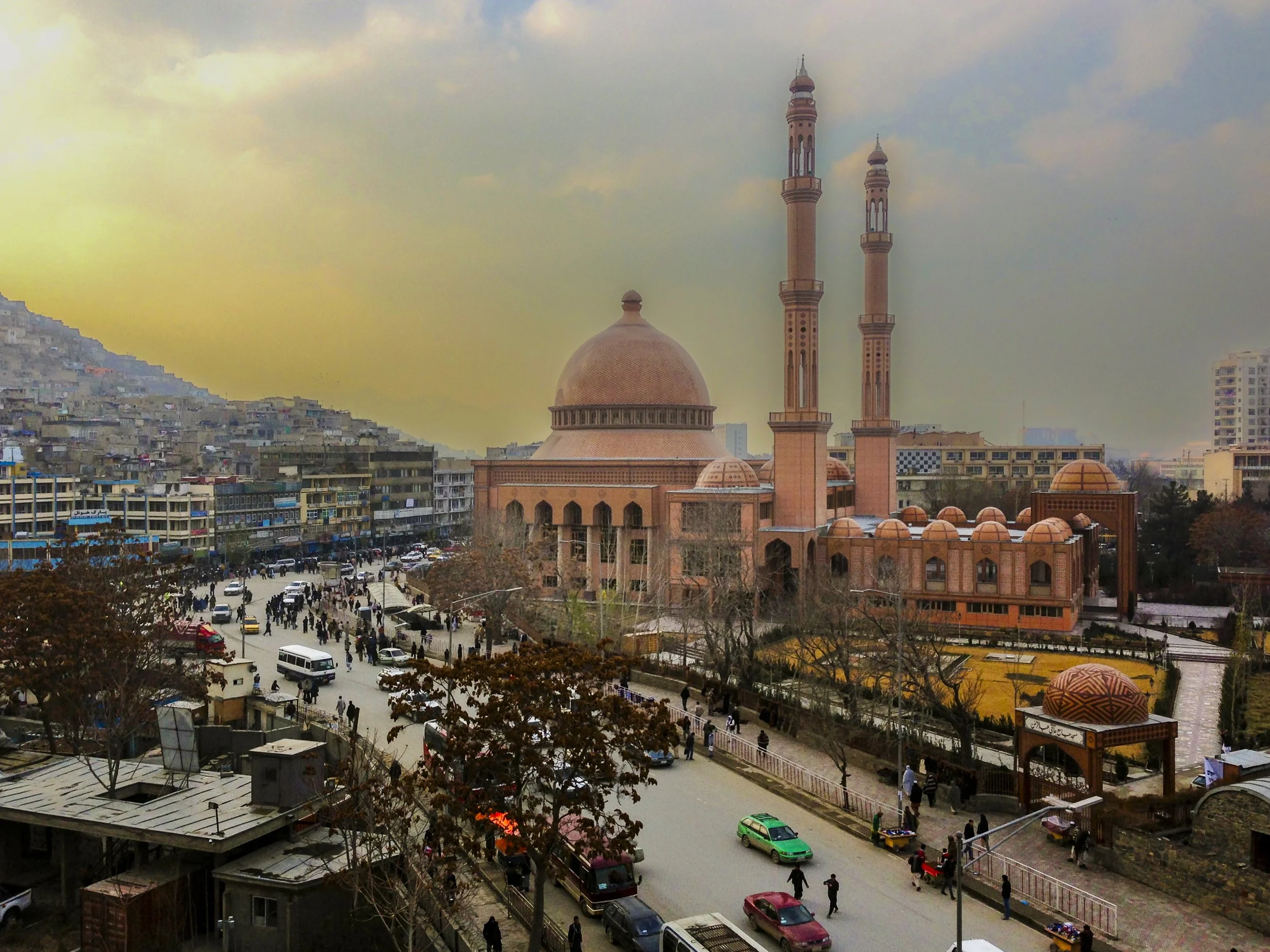
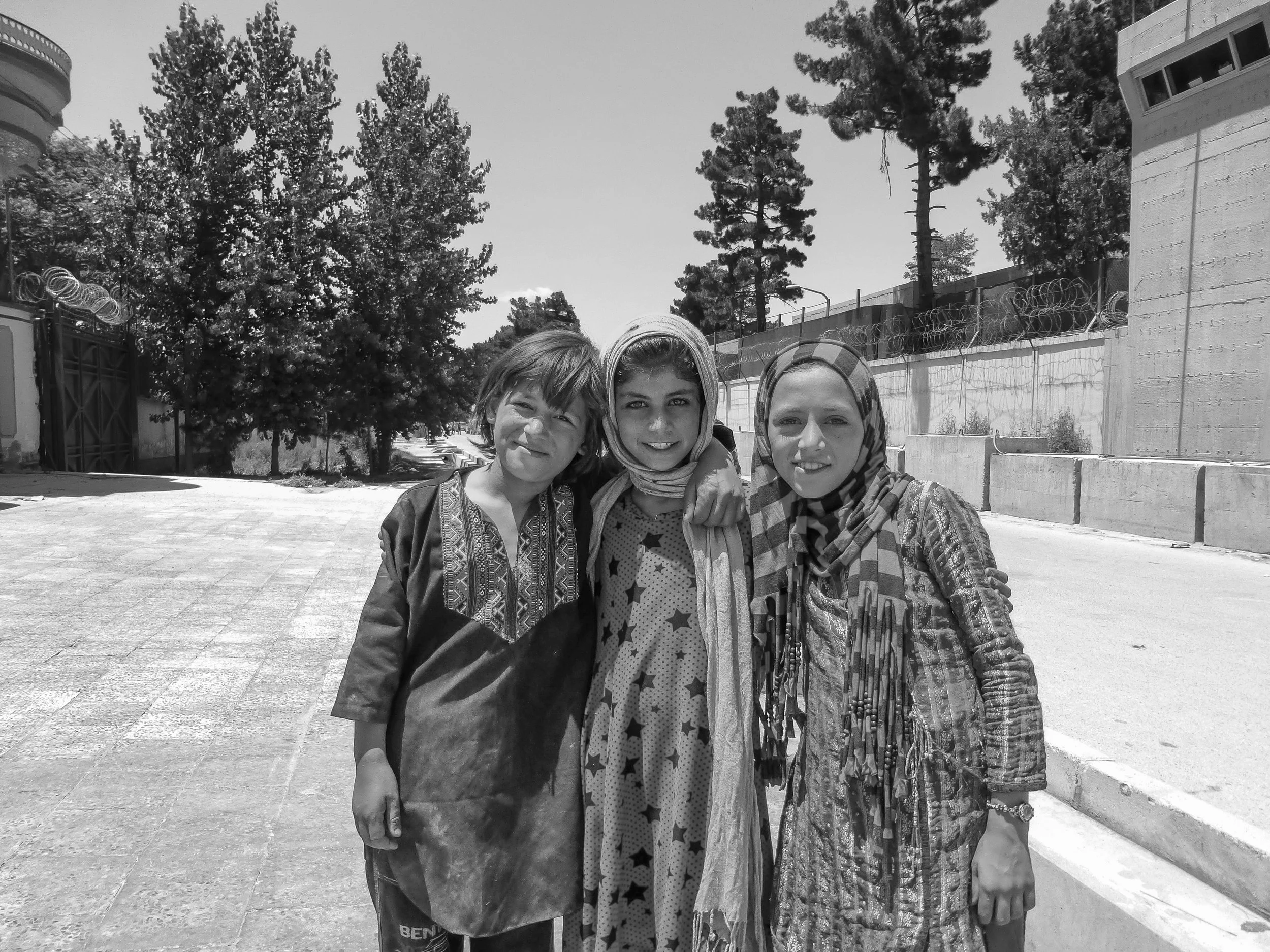
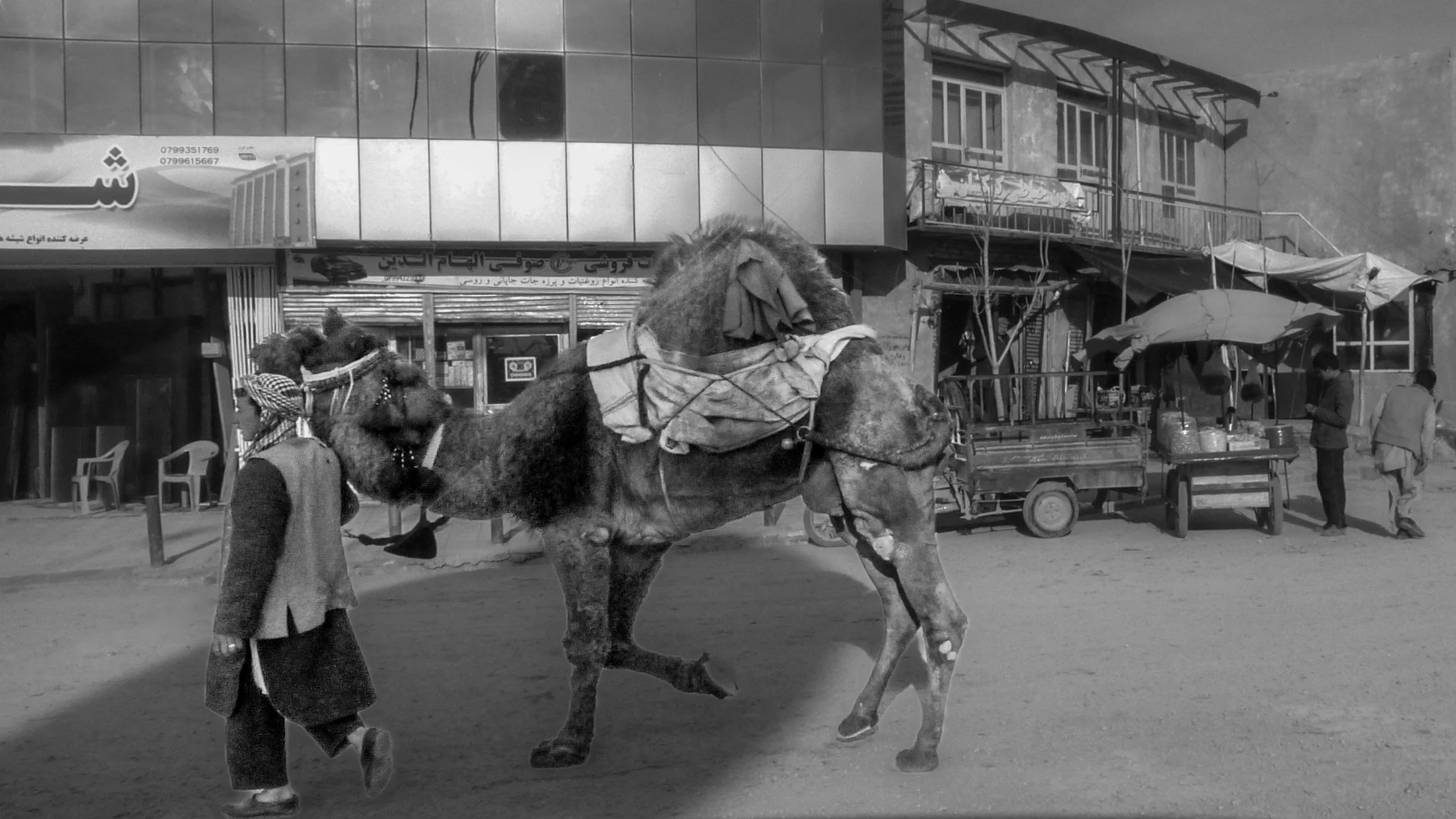
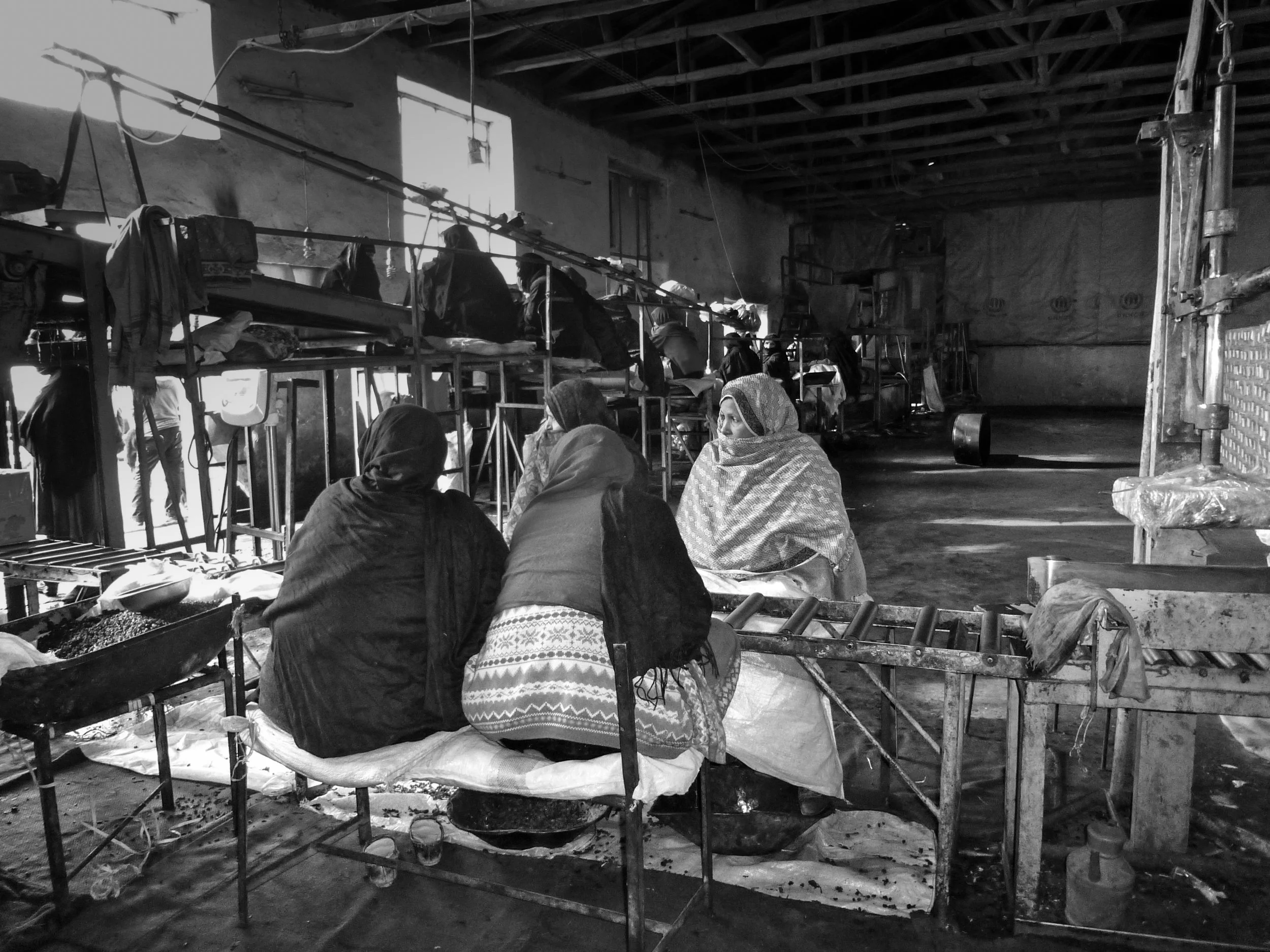
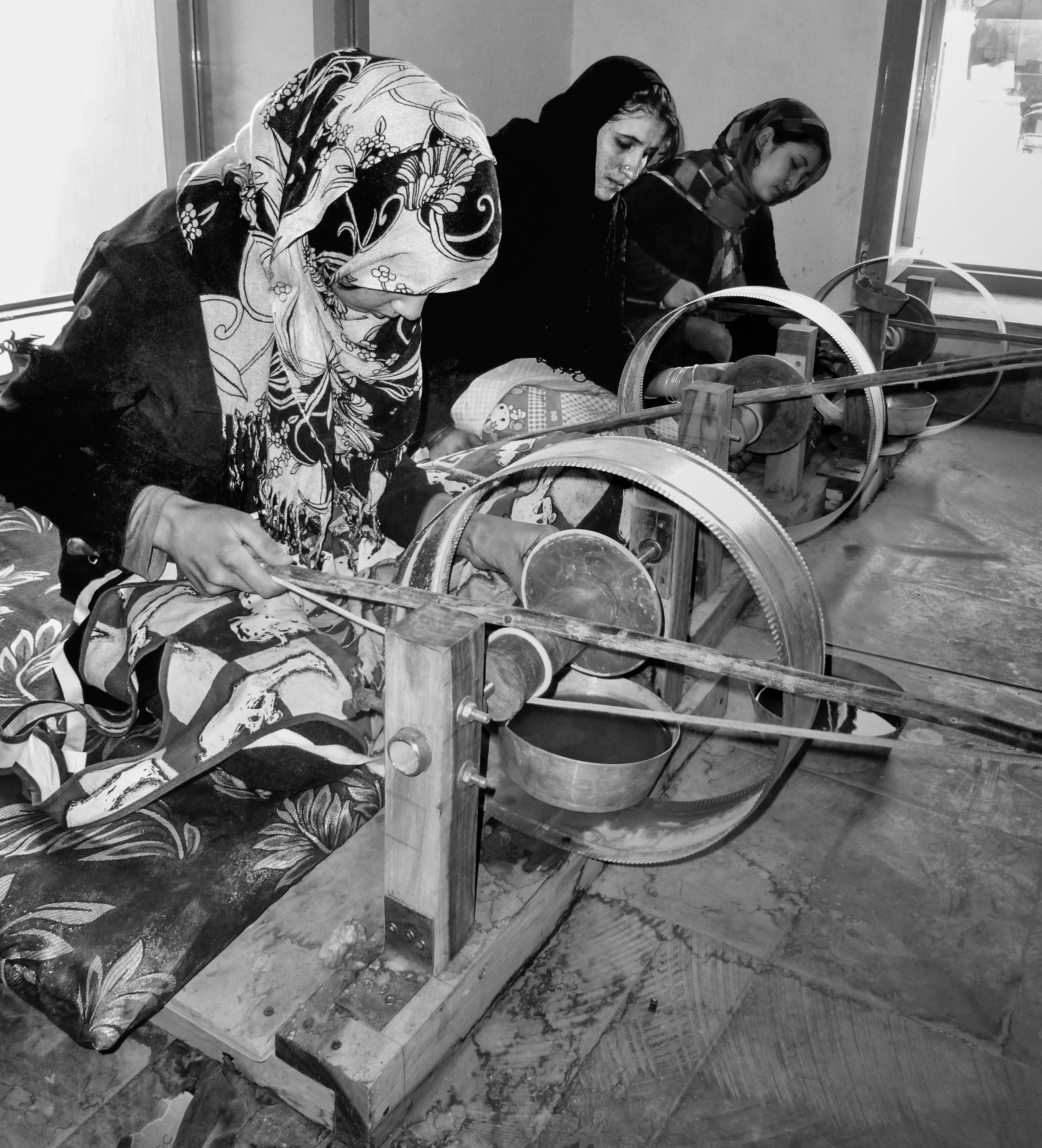
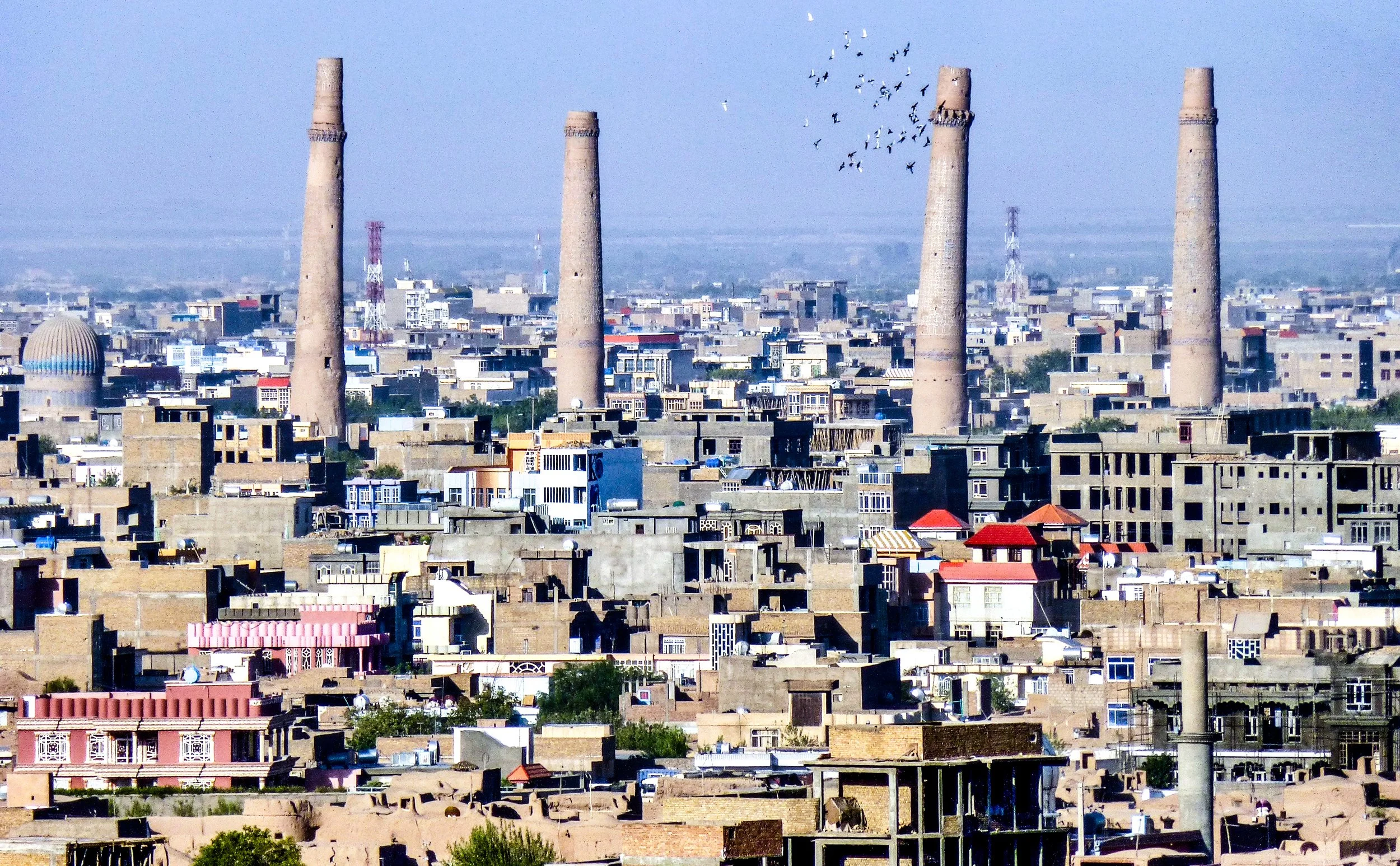
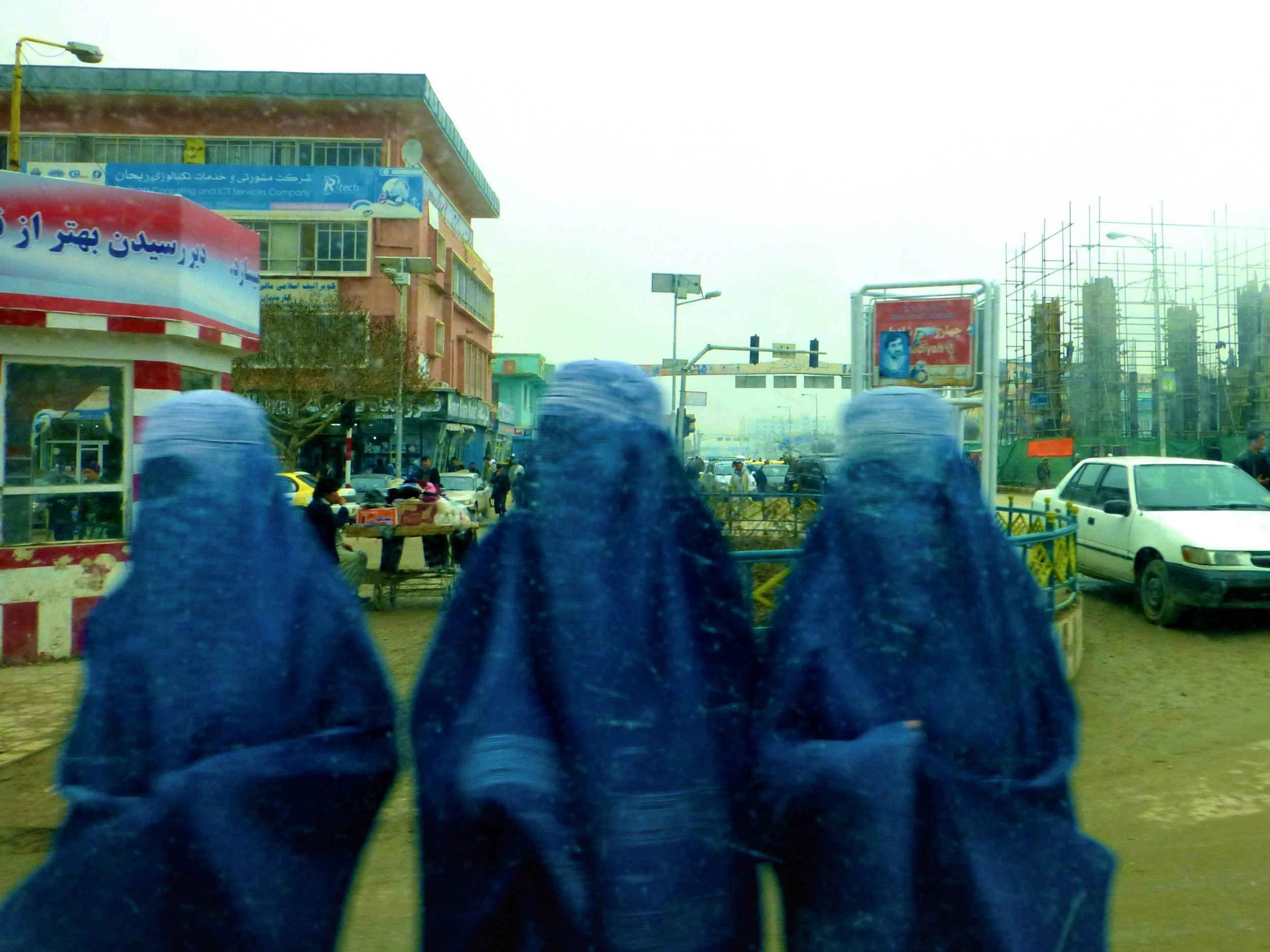
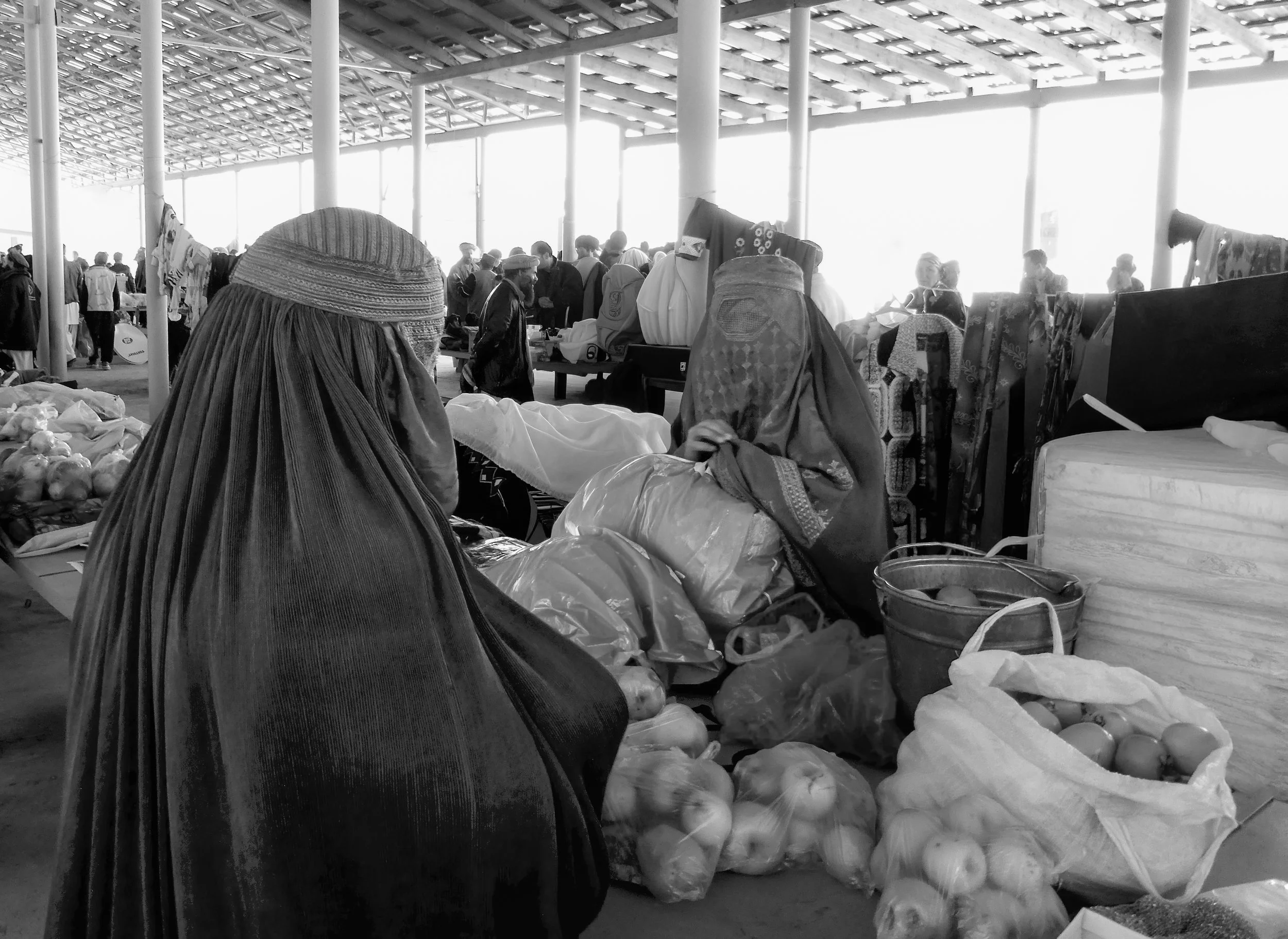
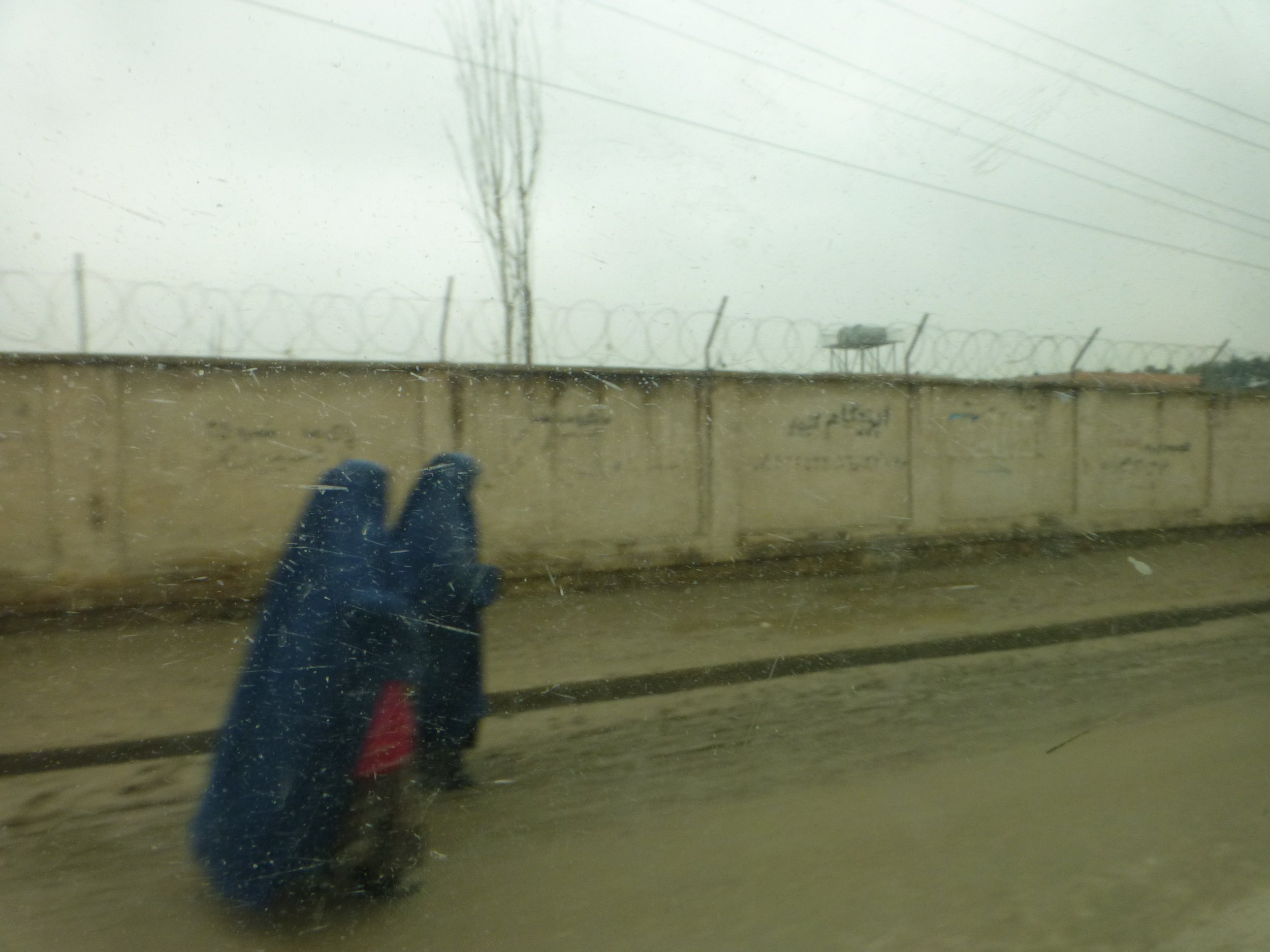
During my tenure as a foreign officer in Afghanistan, I was stationed within the fortified "Green Zone" of Kabul. My role involved overseeing vital development projects, yet the very nature of the assignment created a profound professional irony: while I was responsible for progress across the country, the volatile security environment strictly limited my movement. As a photographer, being surrounded by such a rich, visual tapestry while tethered to a high-security compound was a constant exercise in restraint. I captured what I could of Kabul’s kinetic energy, but I always felt the pull of the world beyond the blast walls.
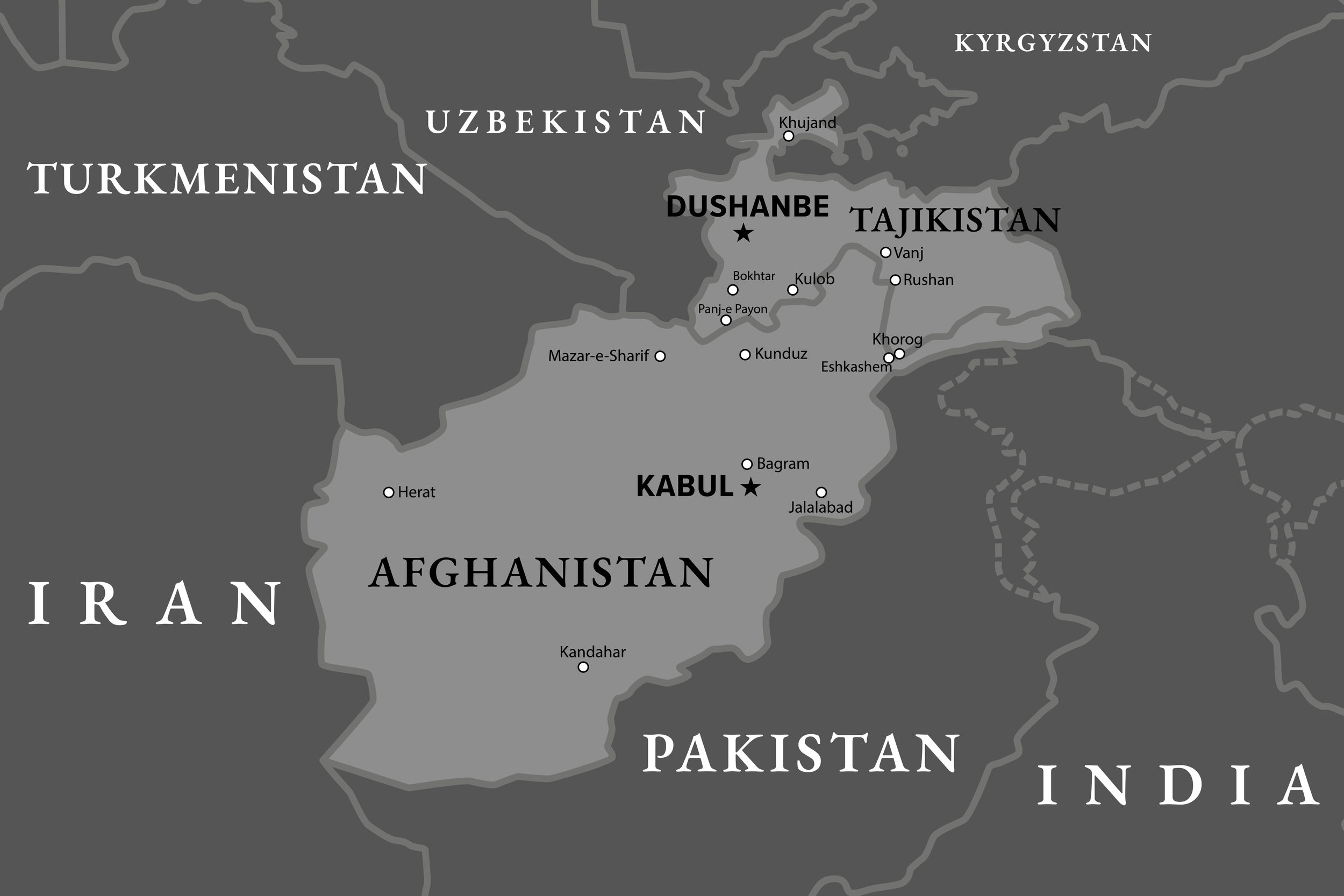
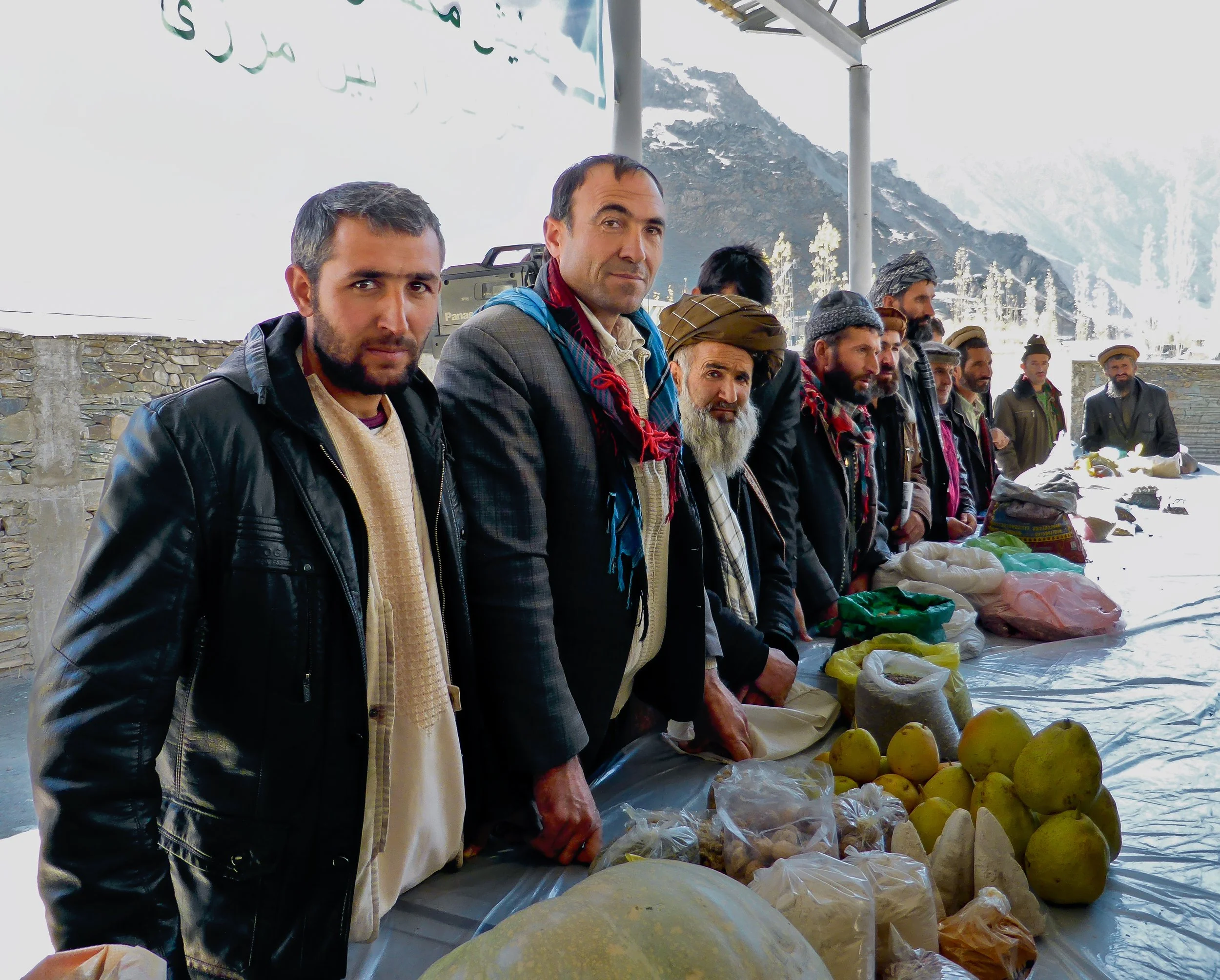
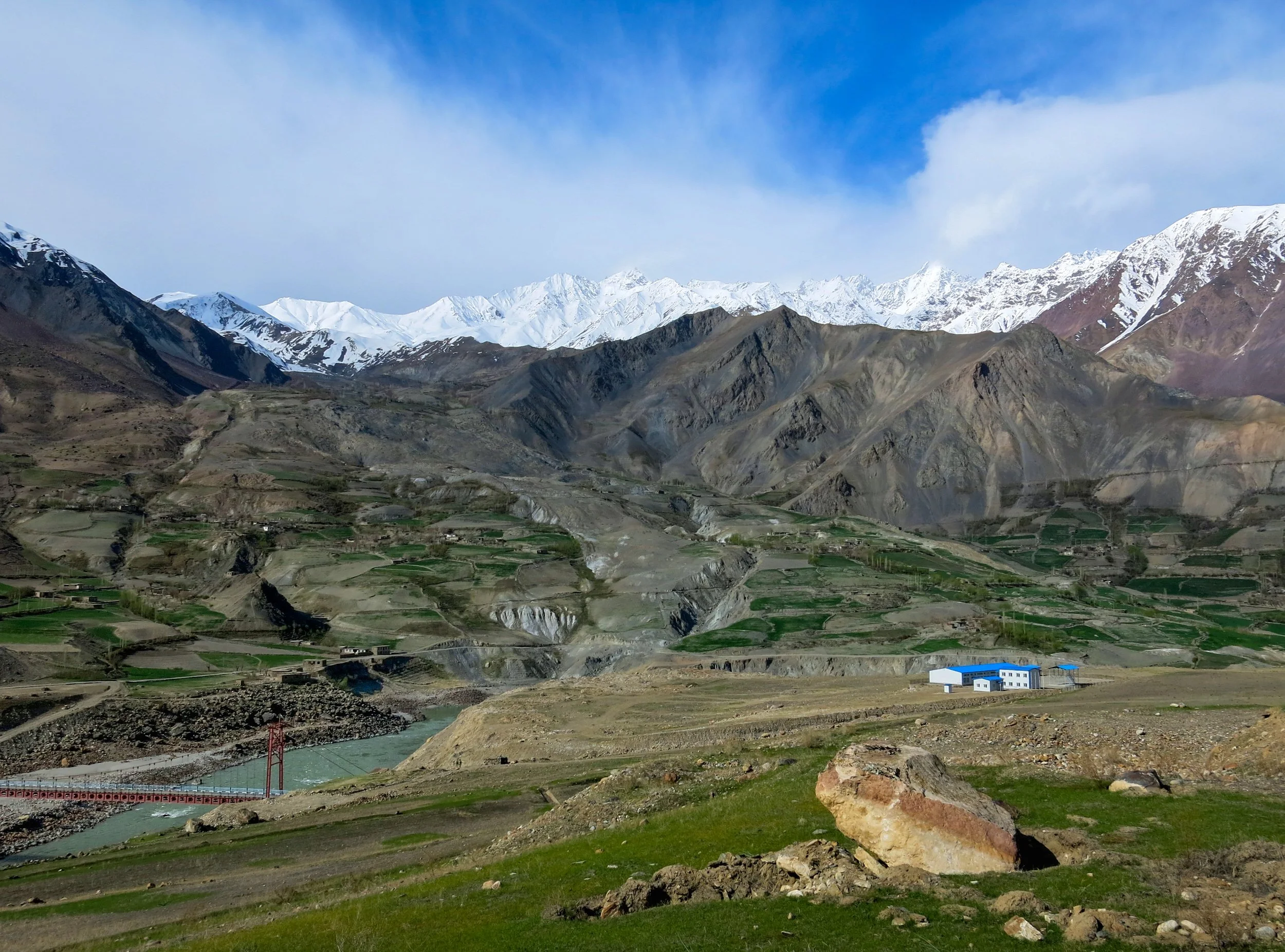
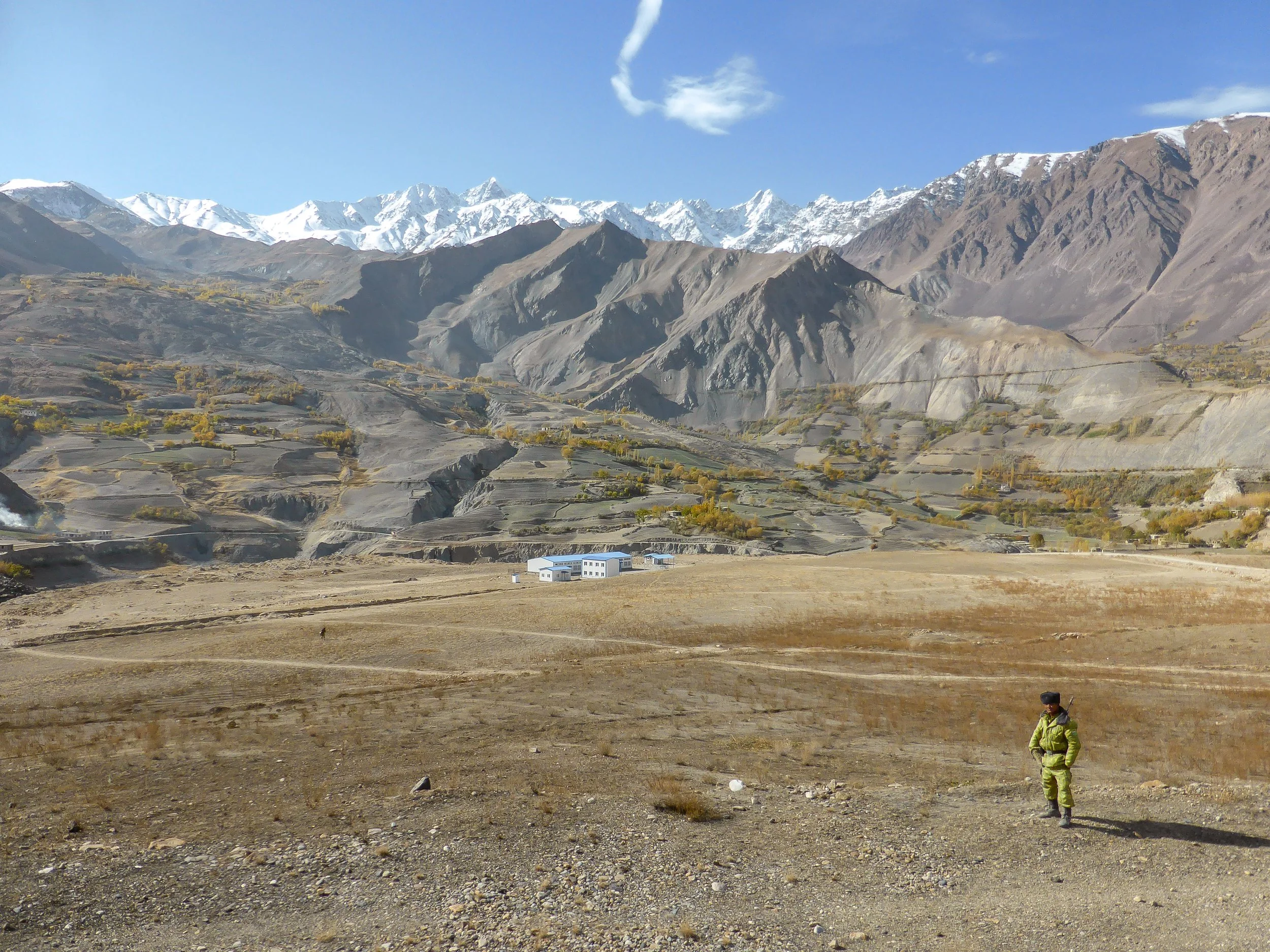
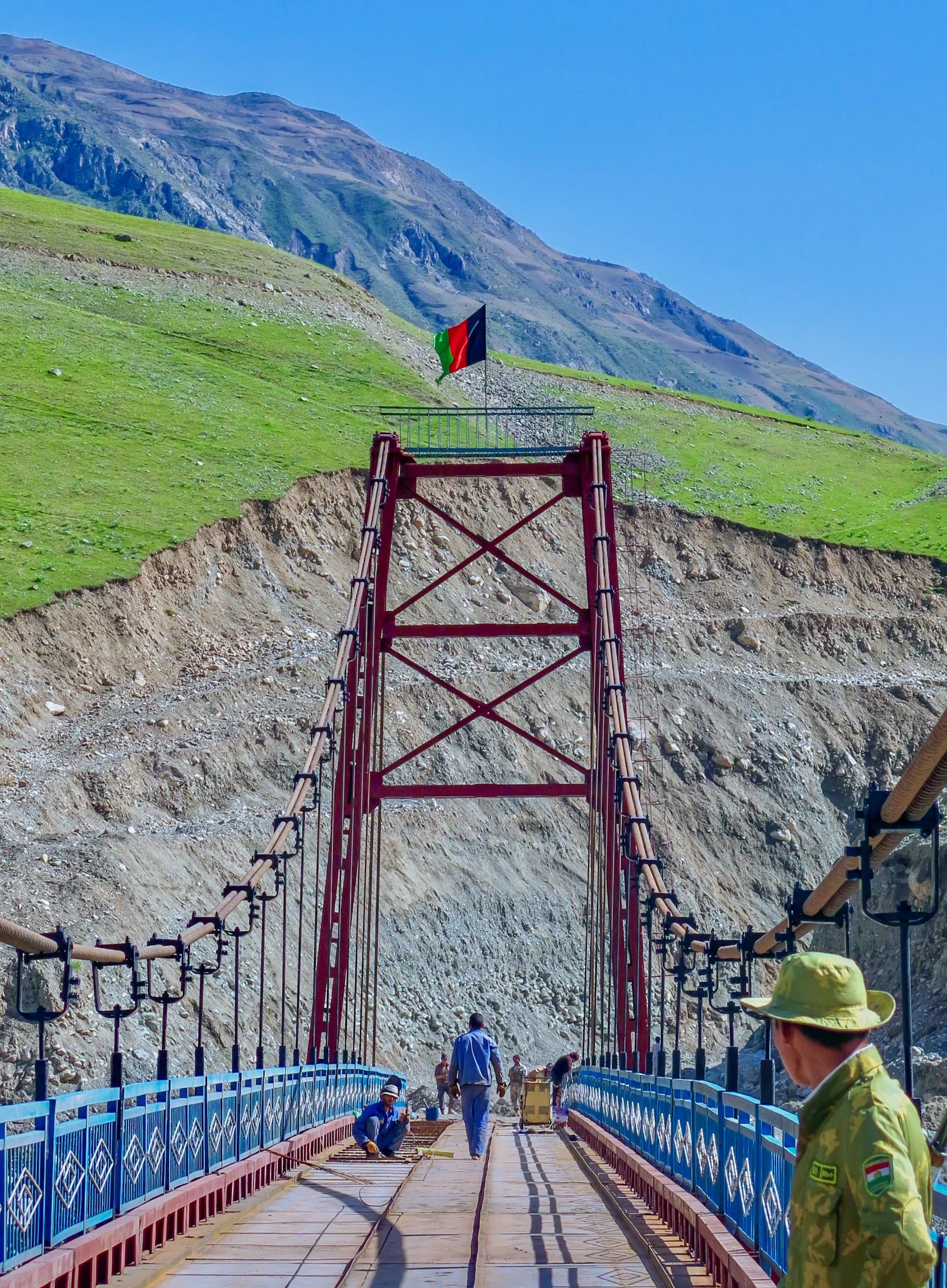
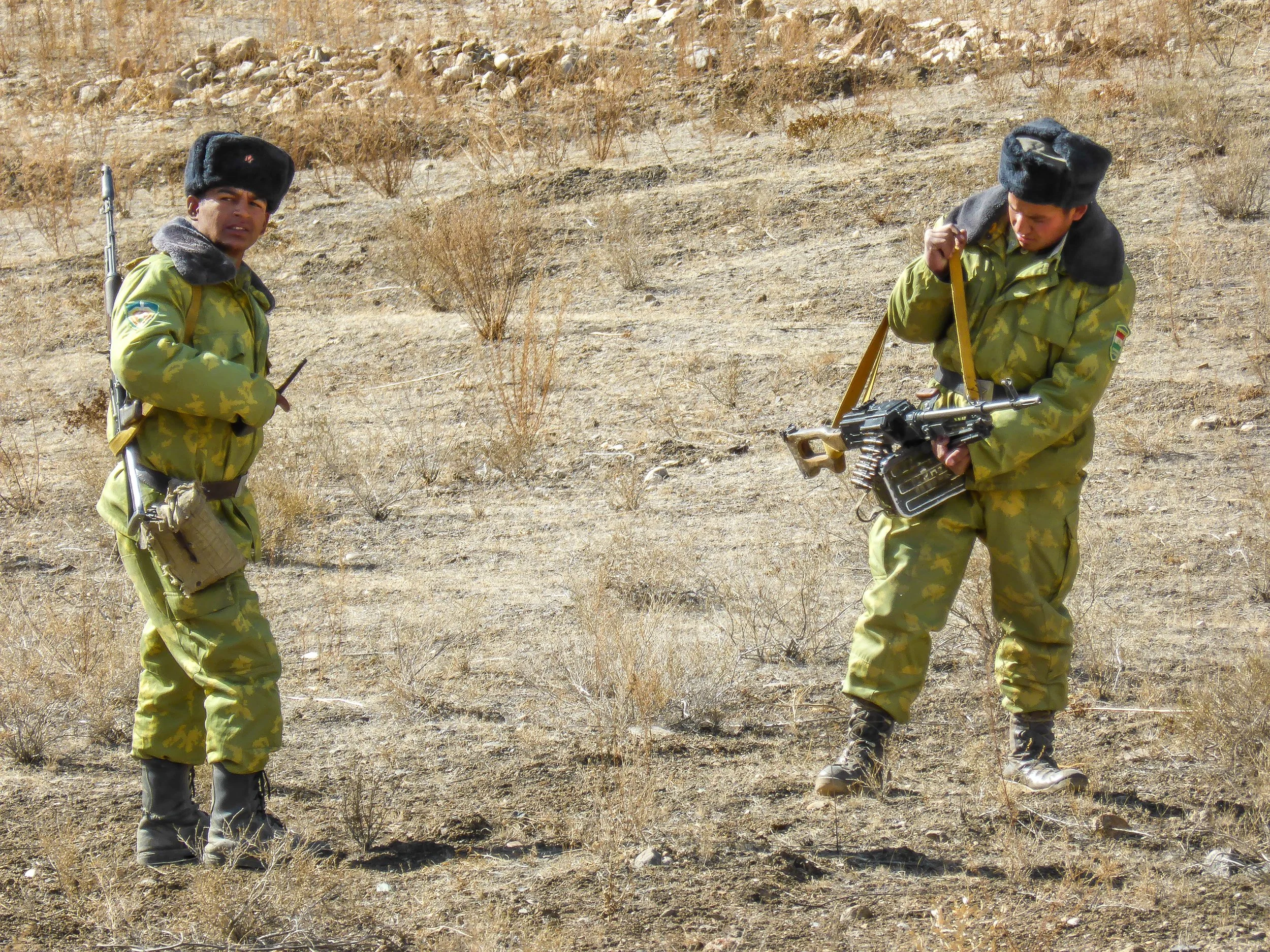
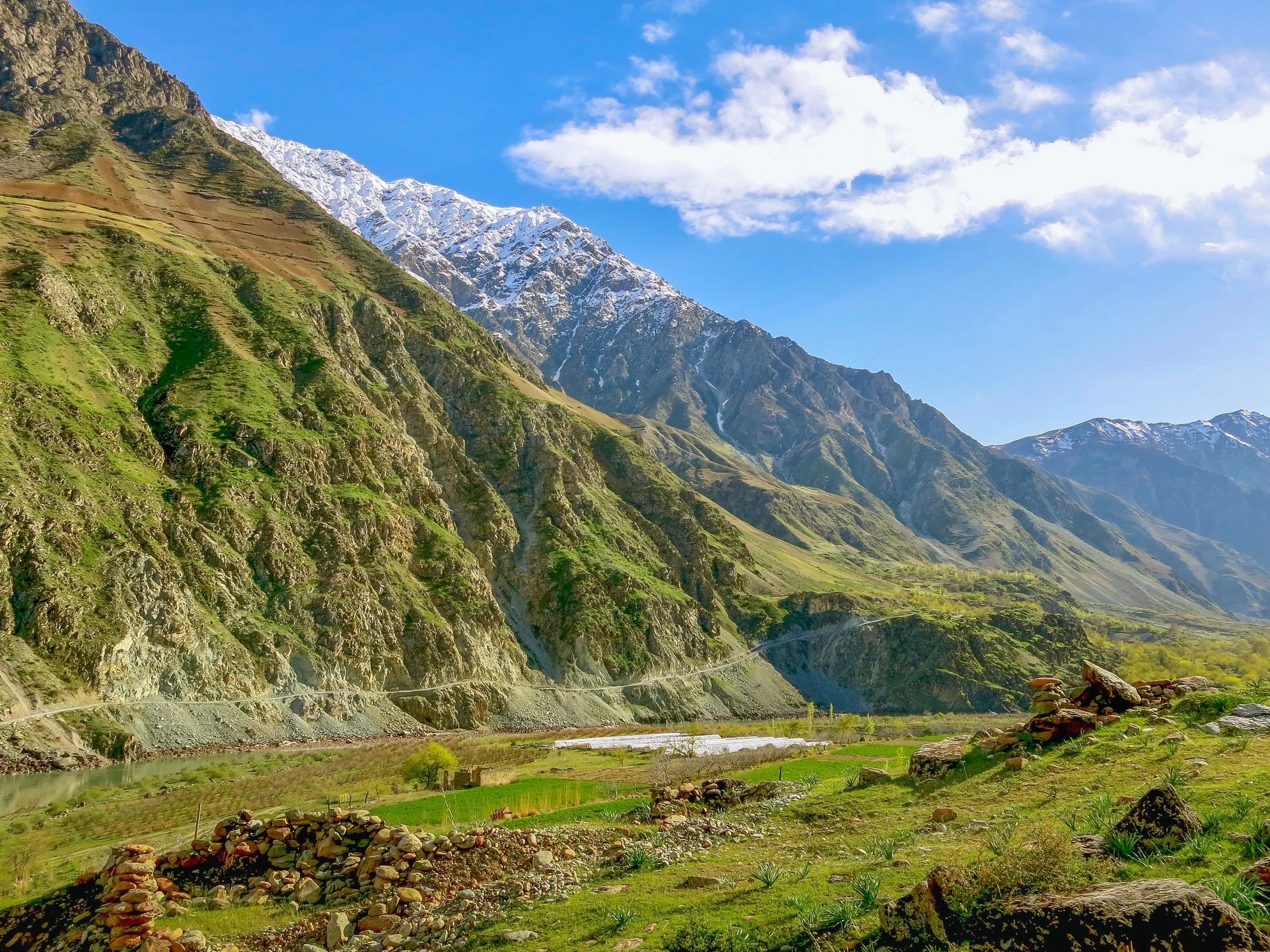
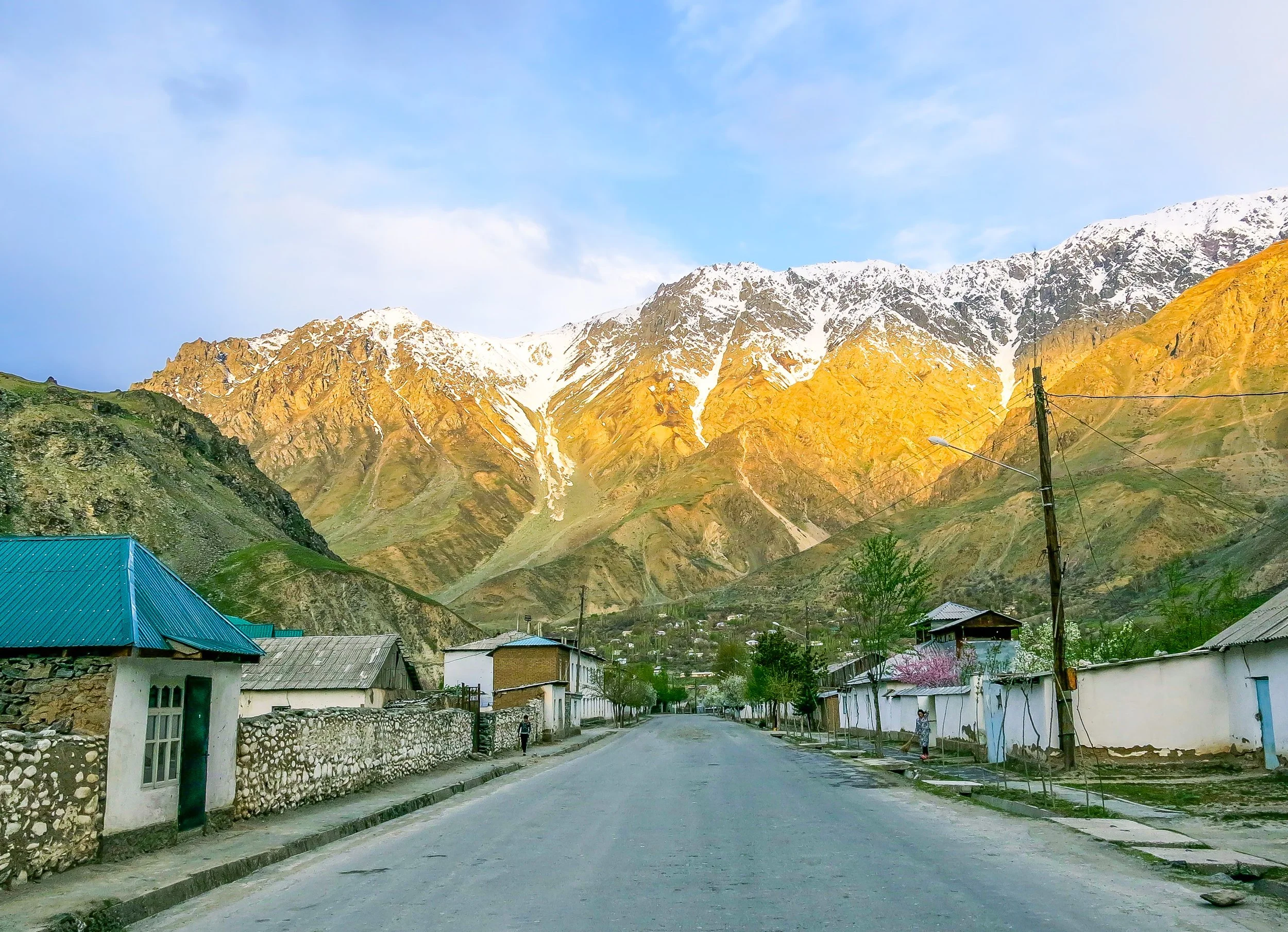
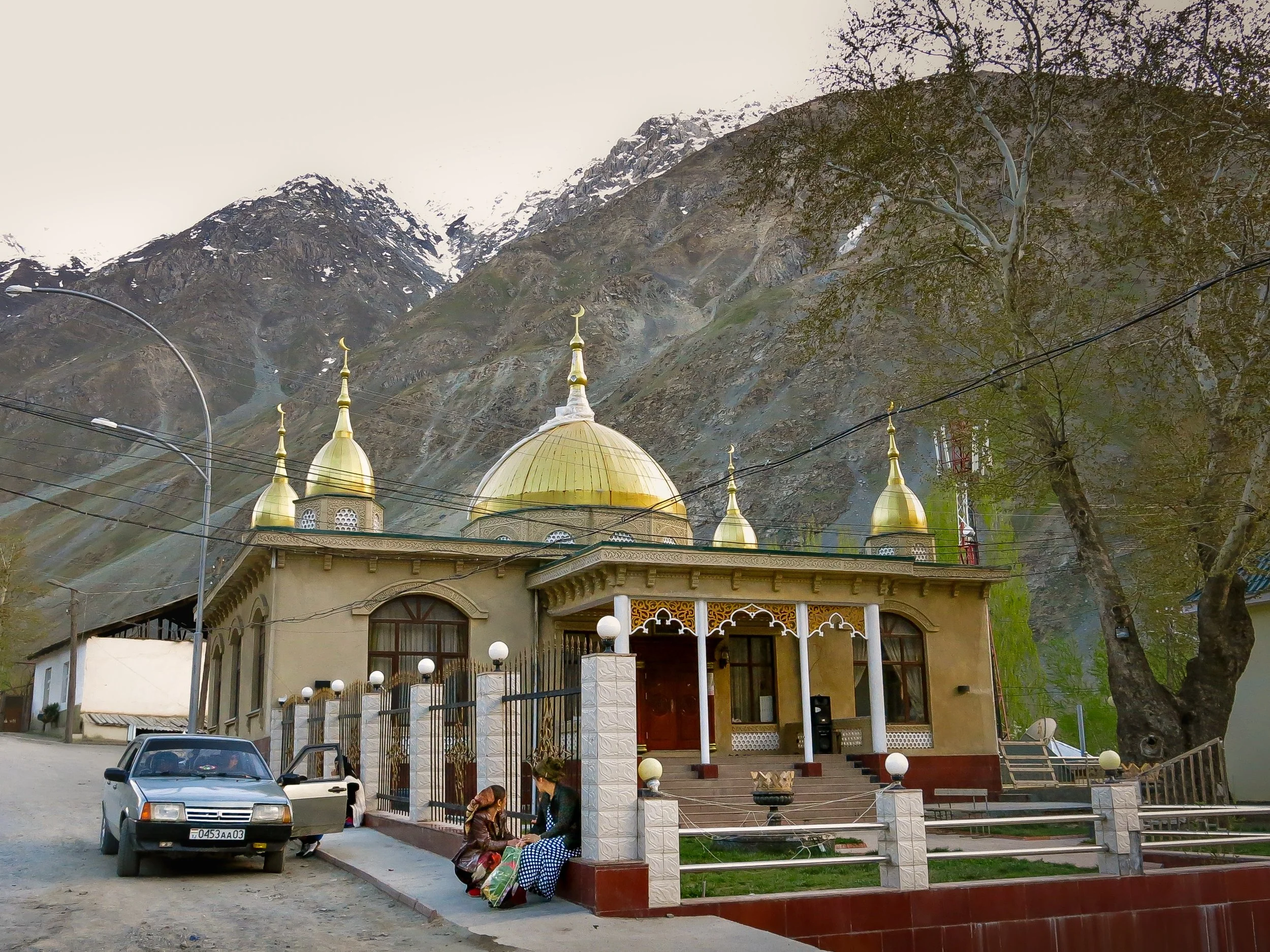
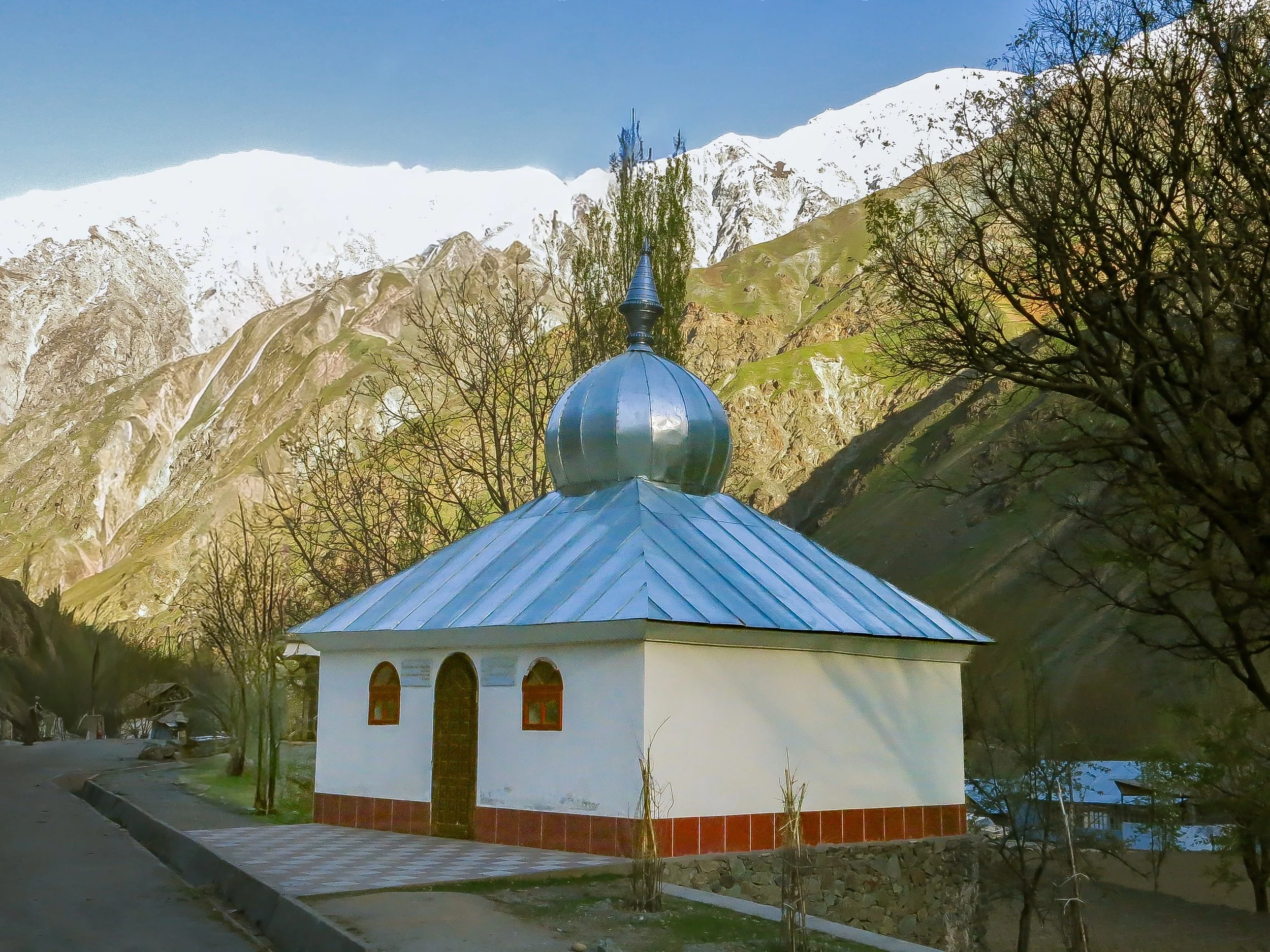
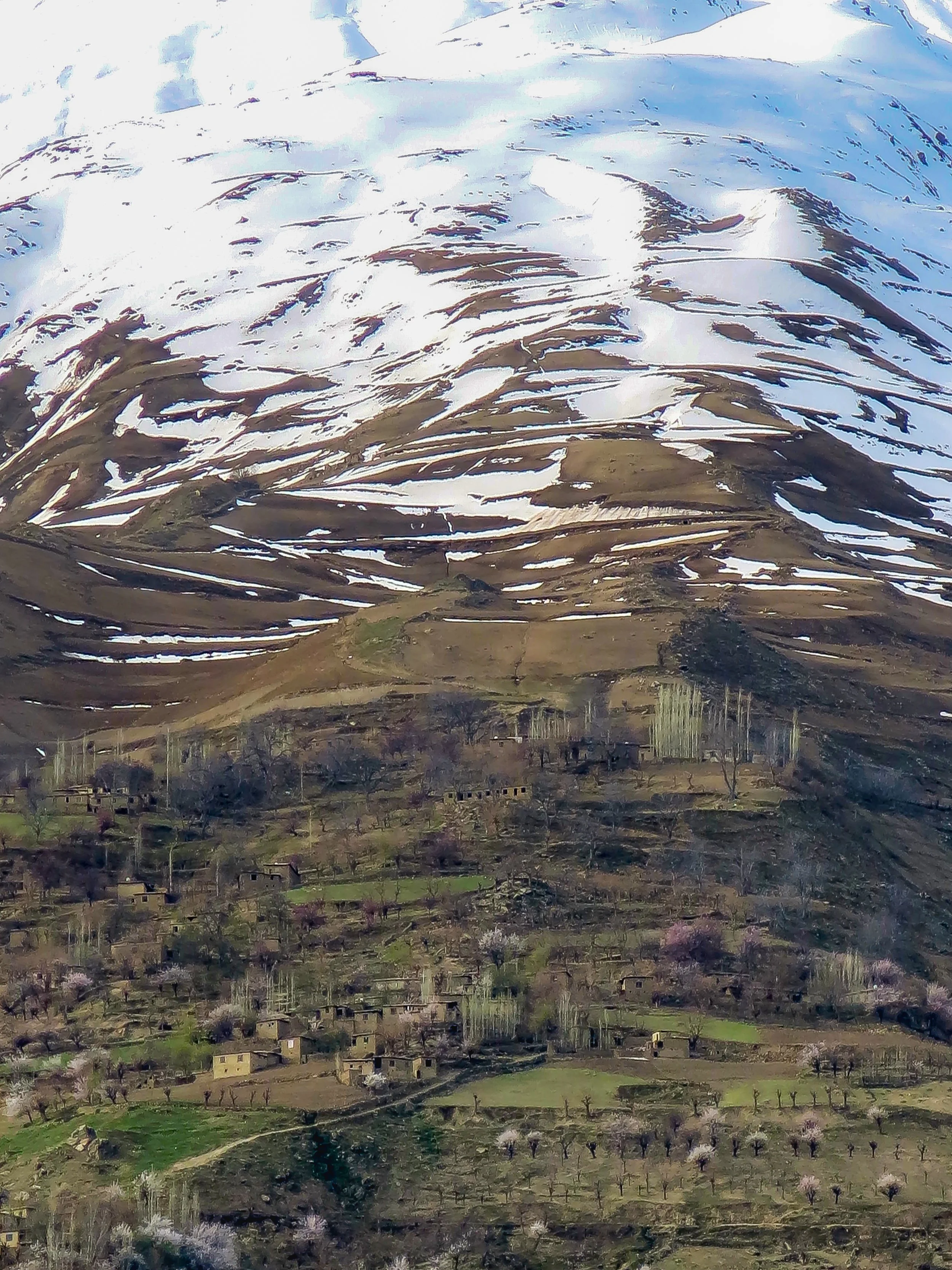
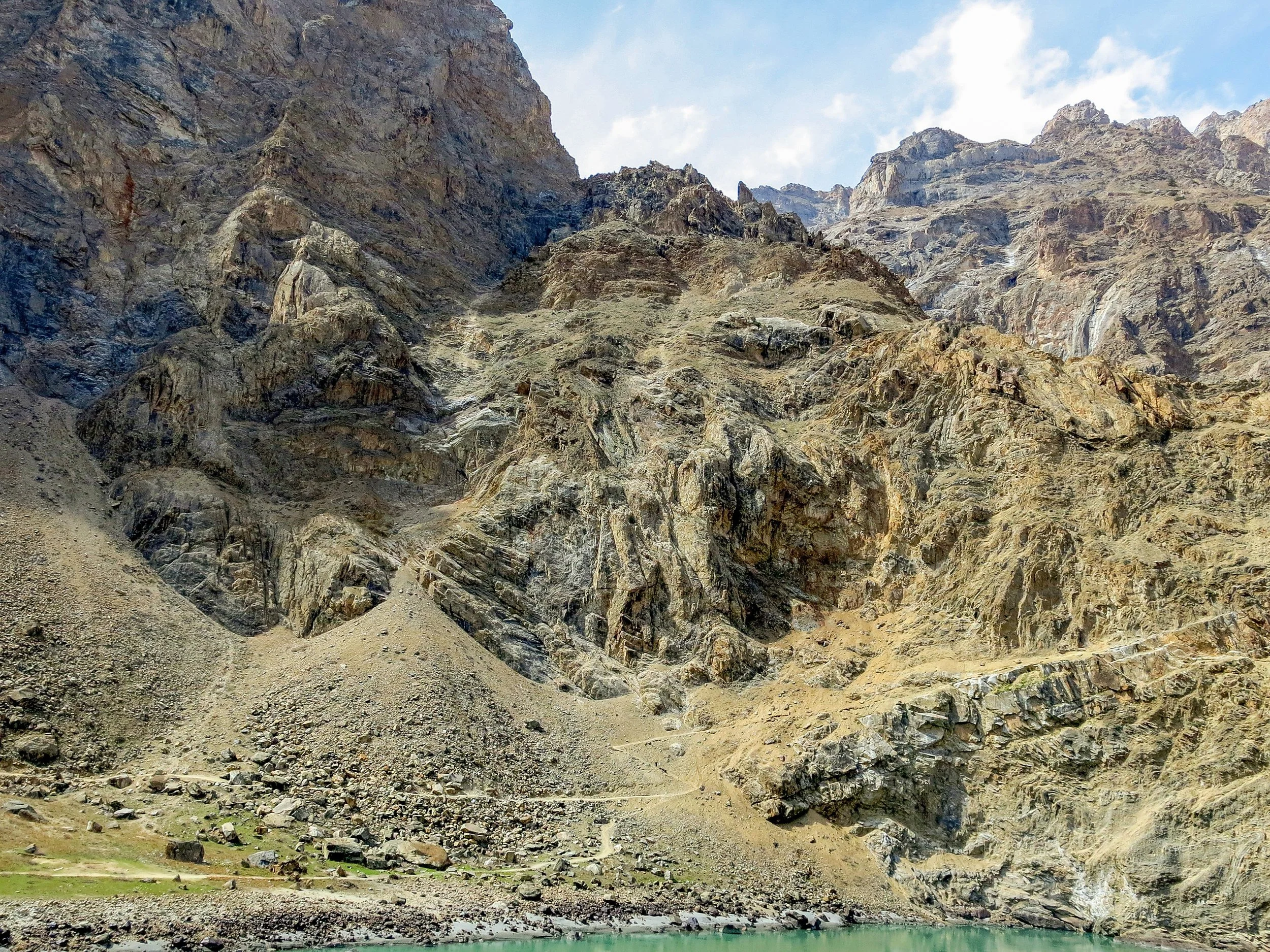
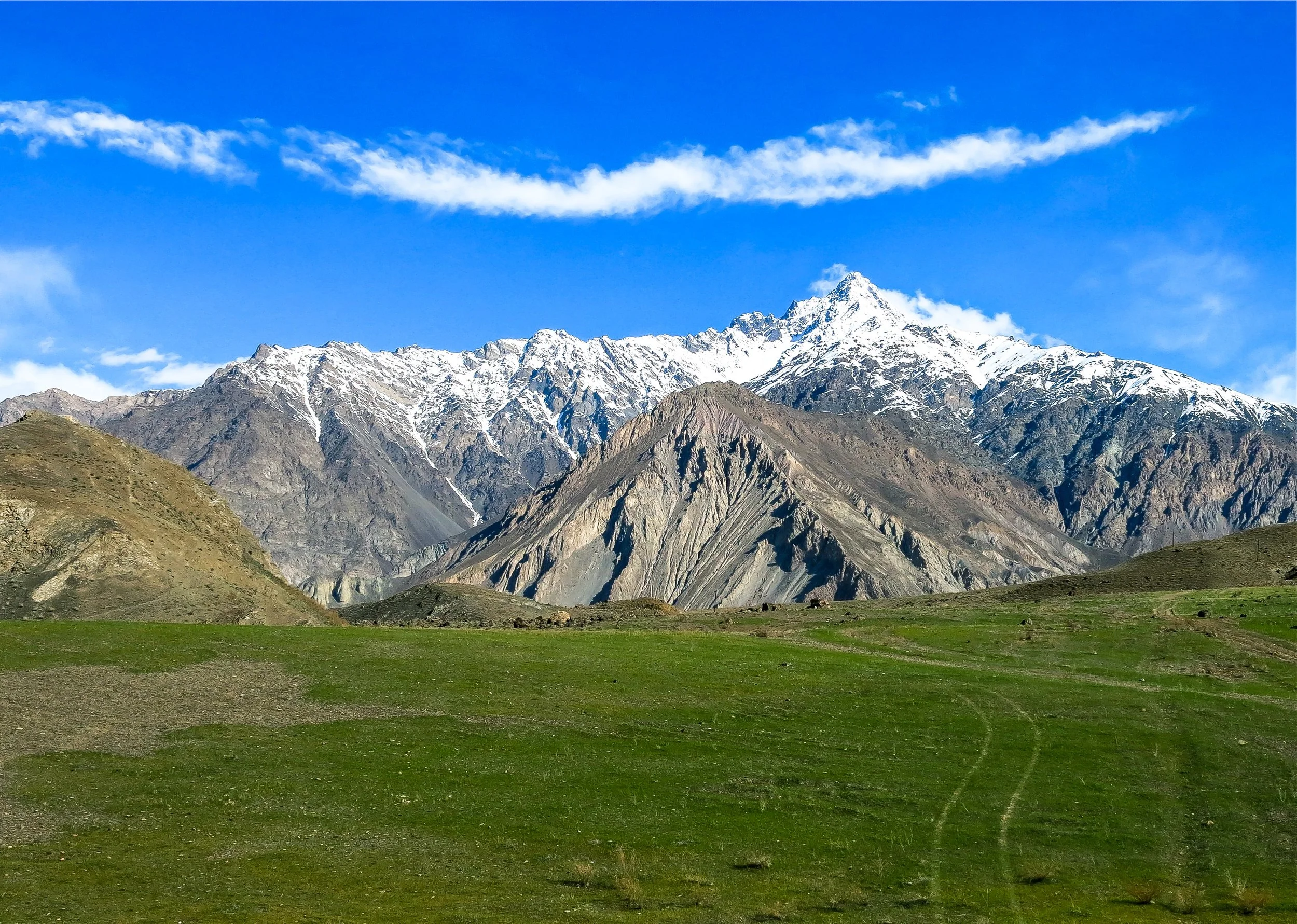
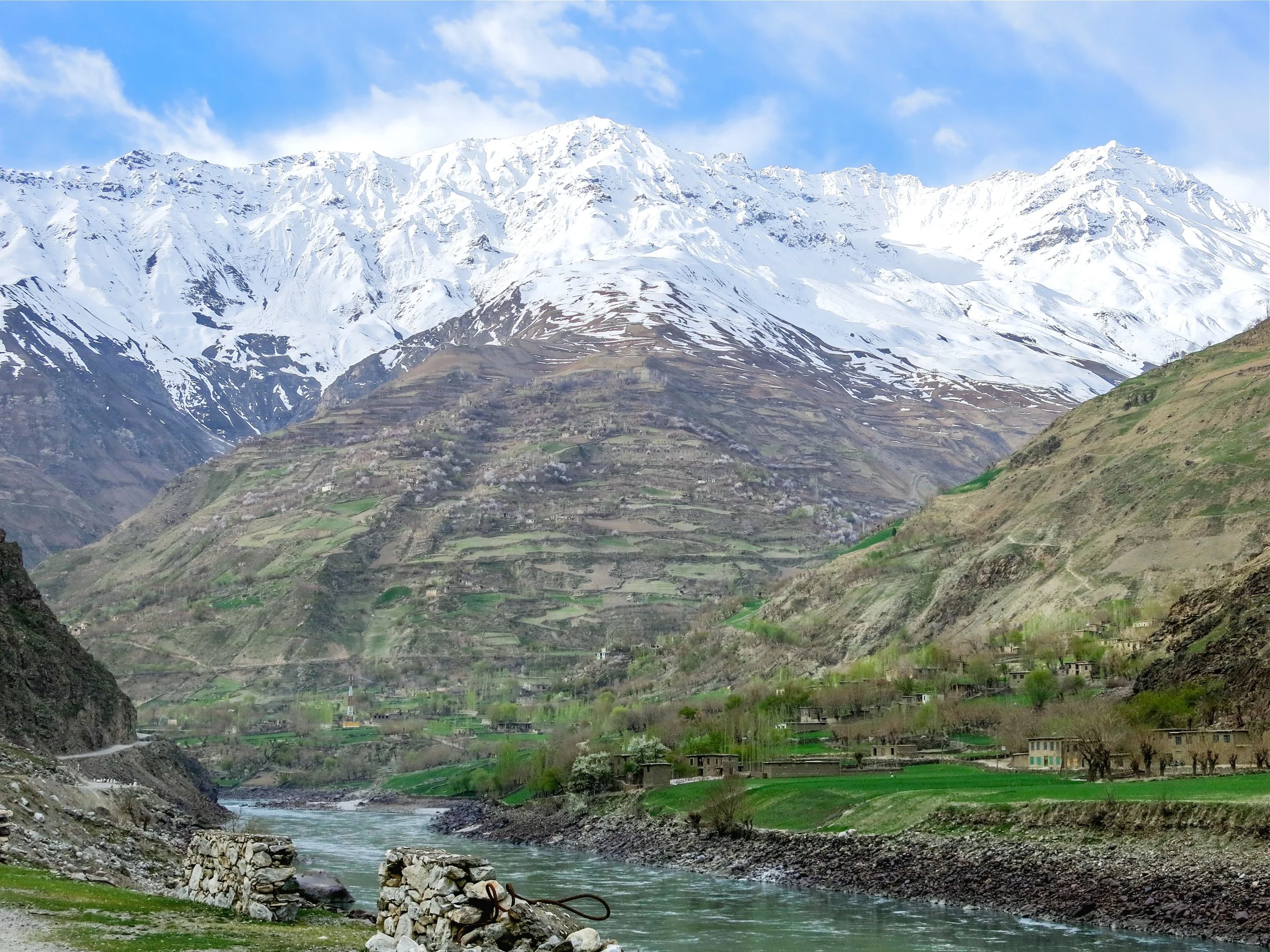
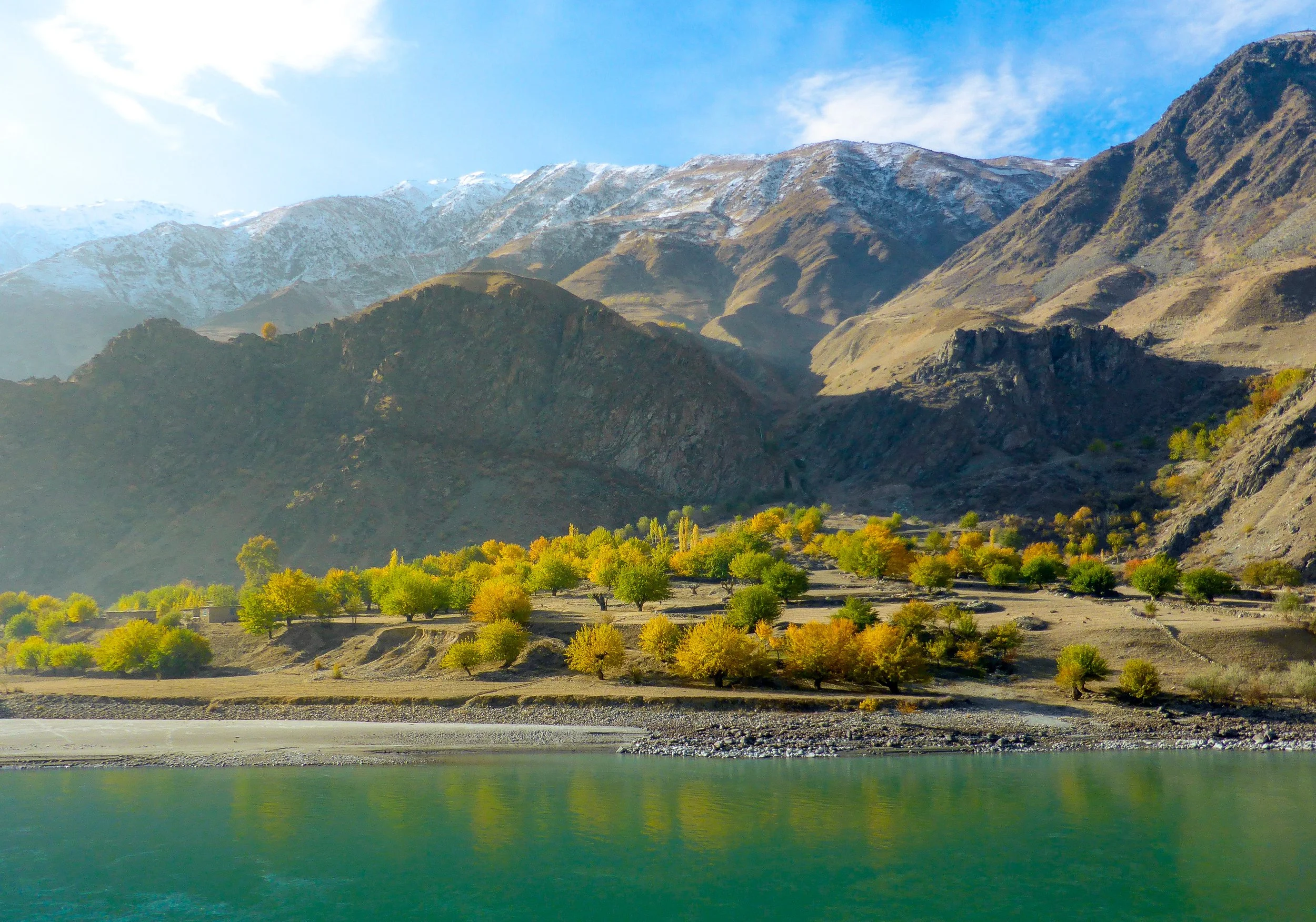
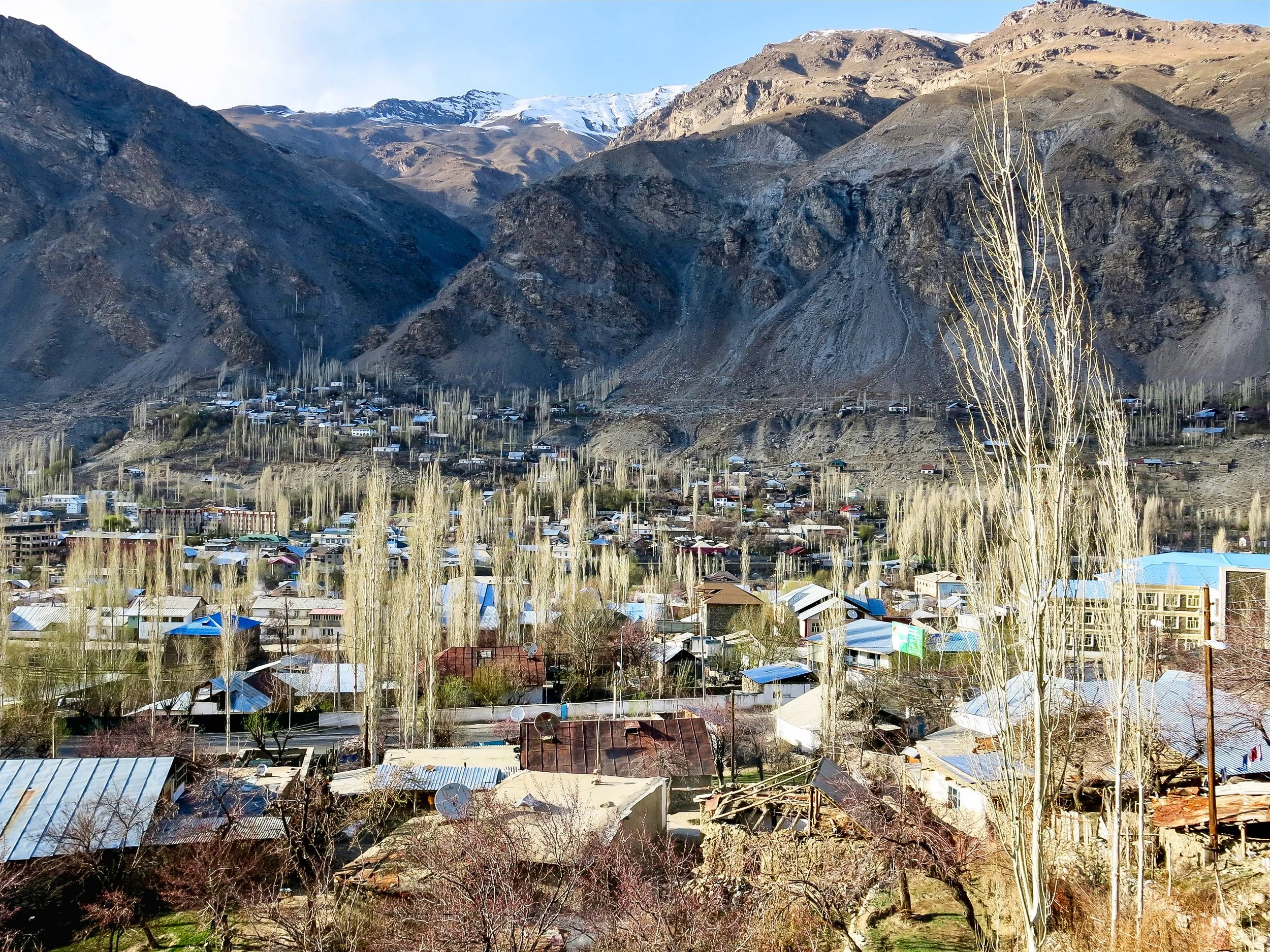
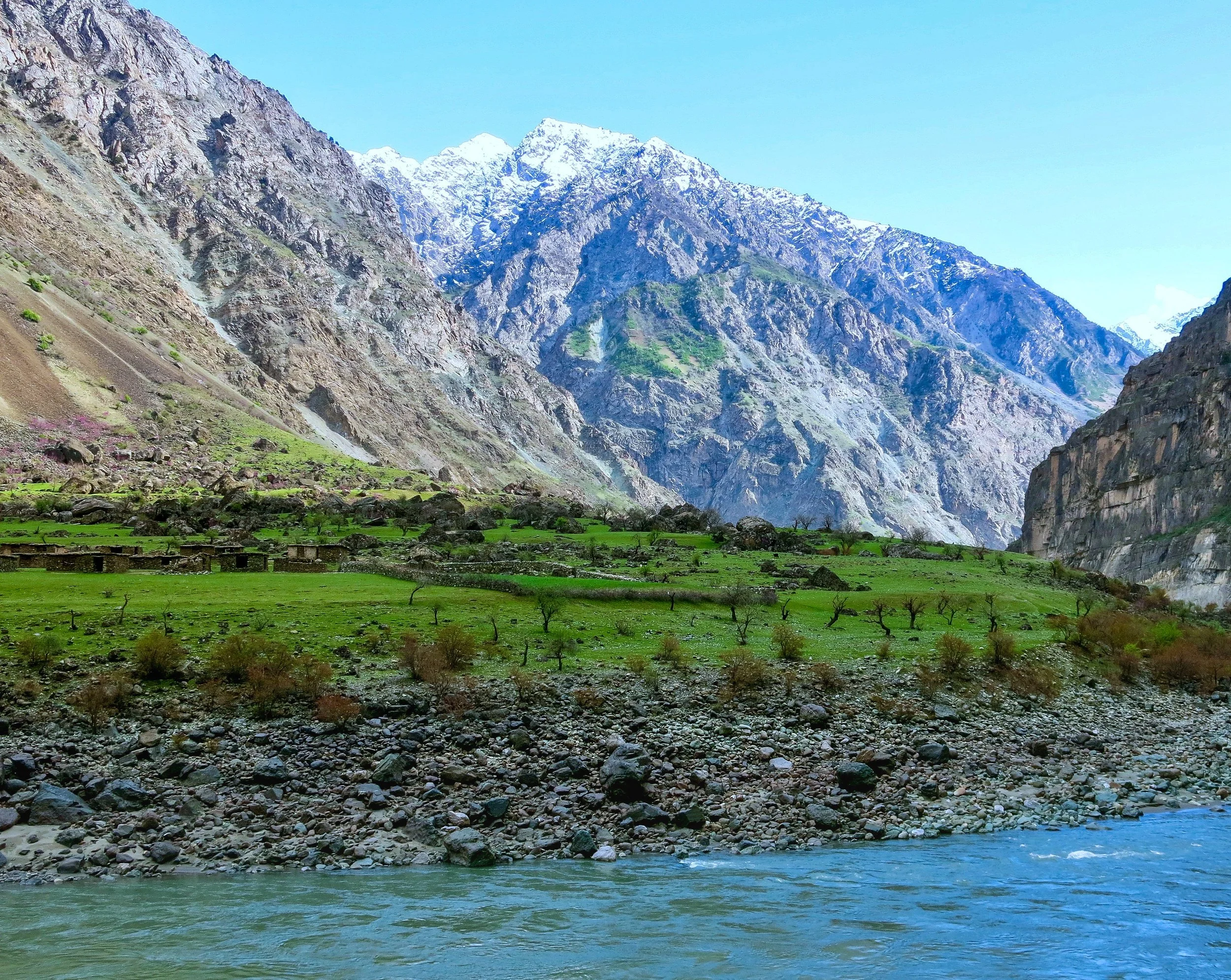
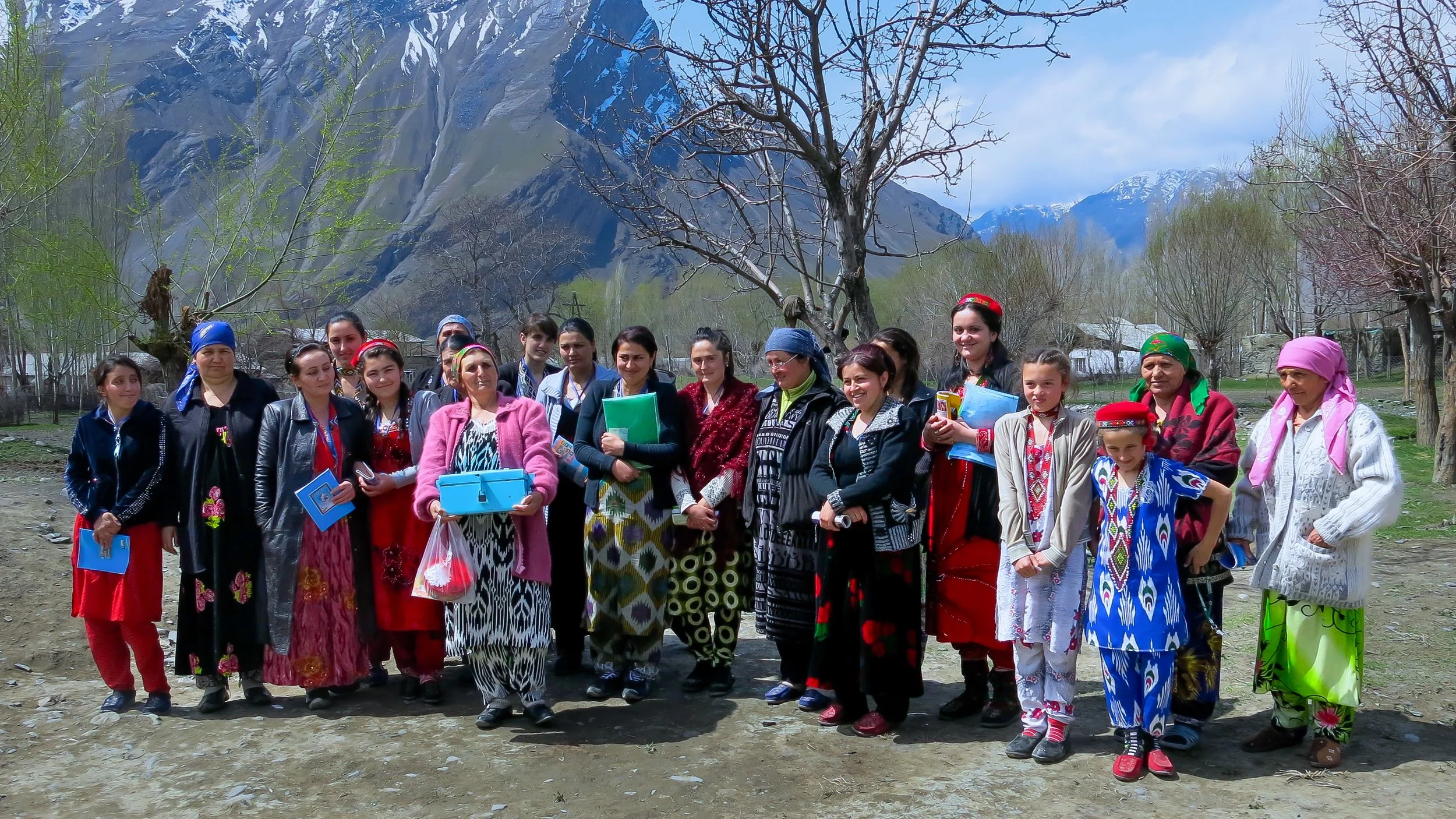
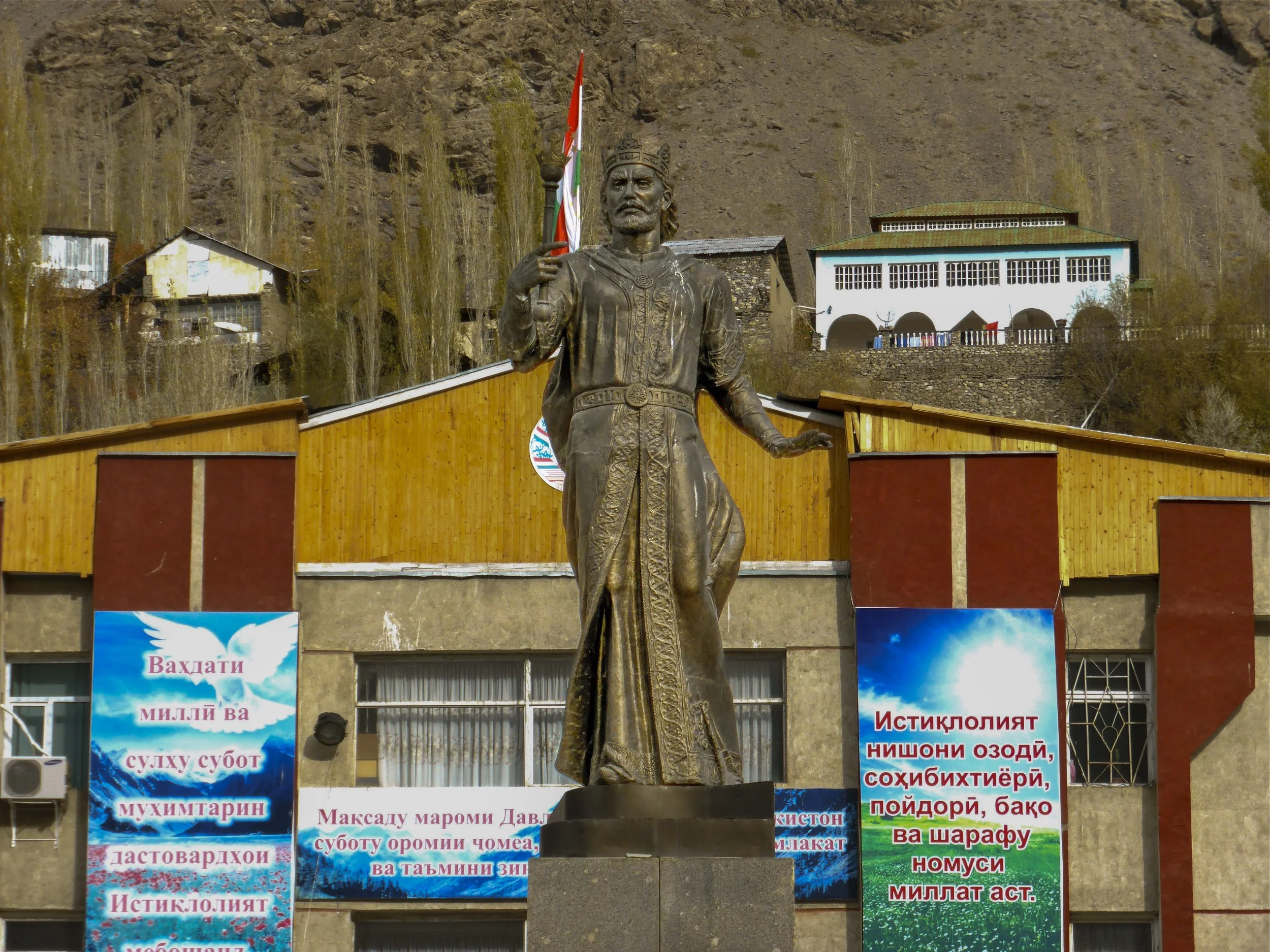
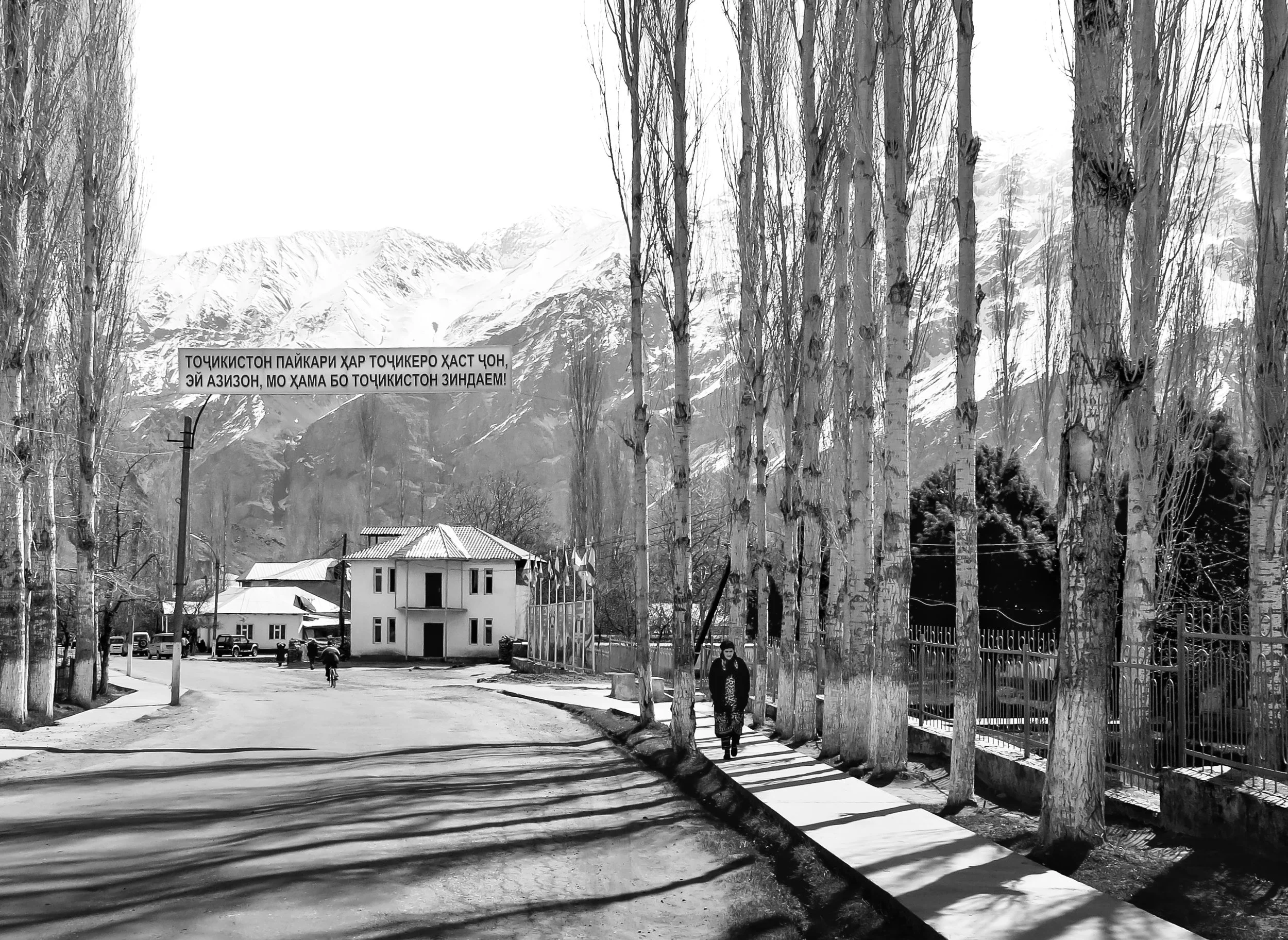
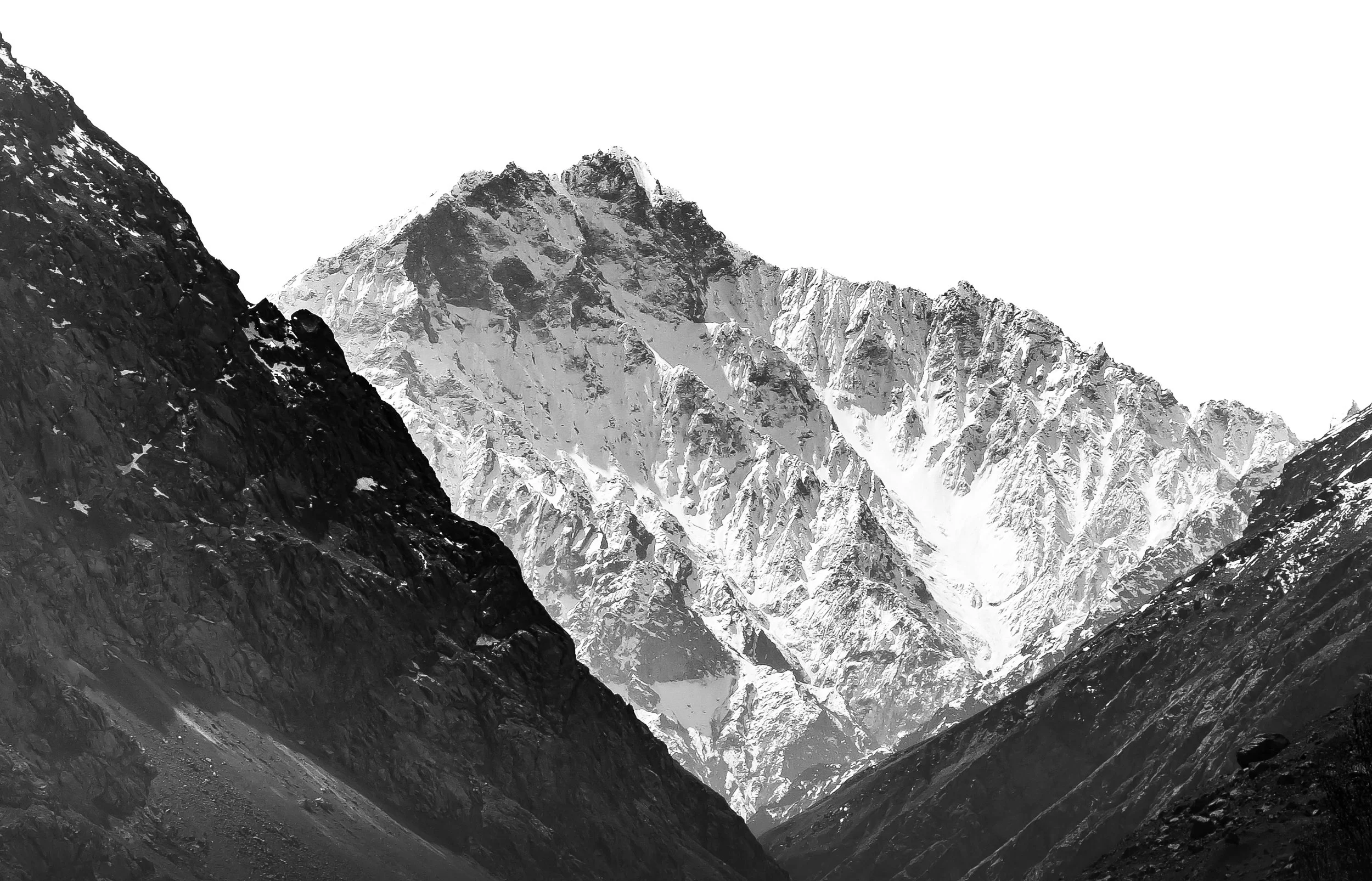
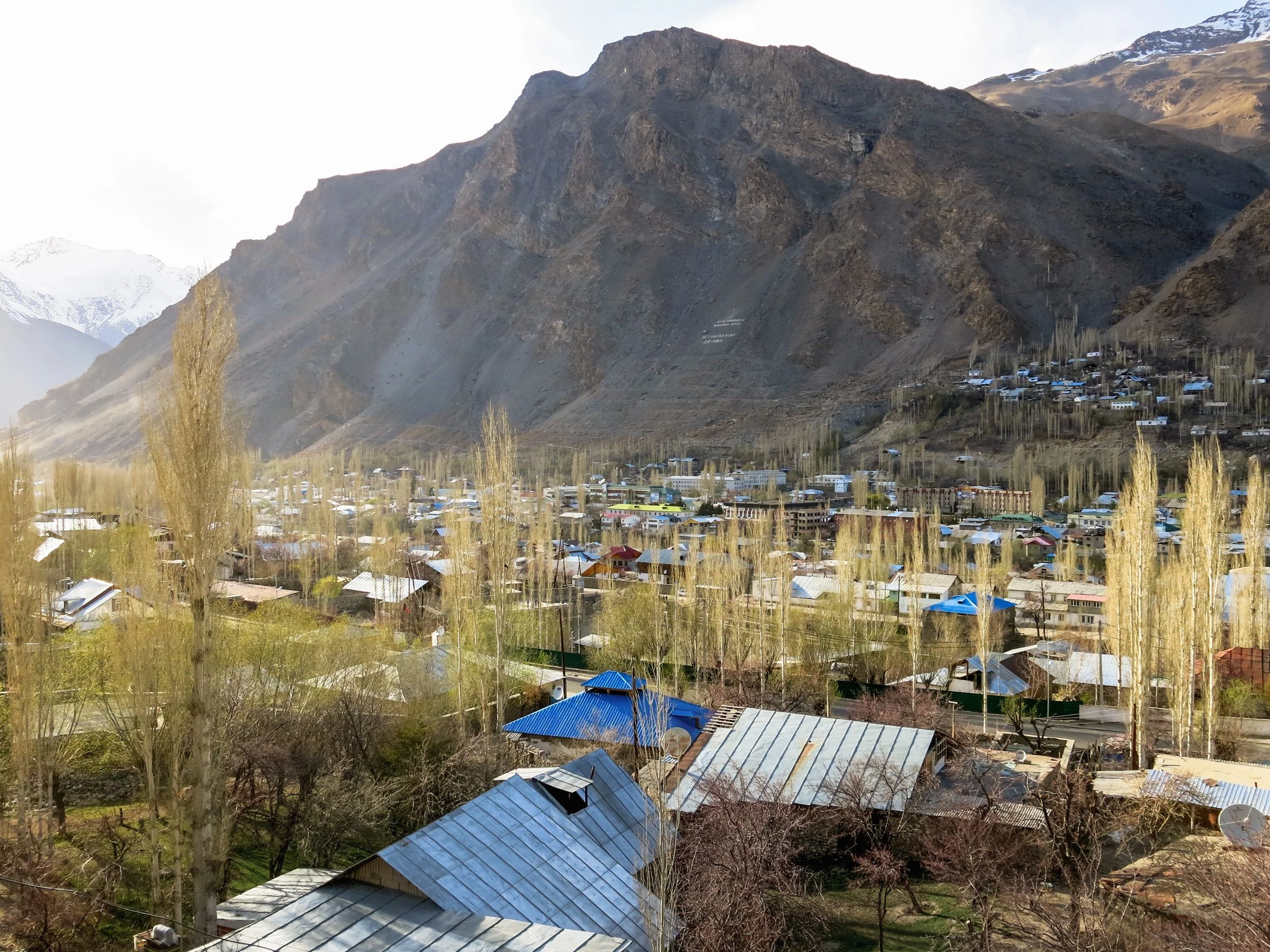
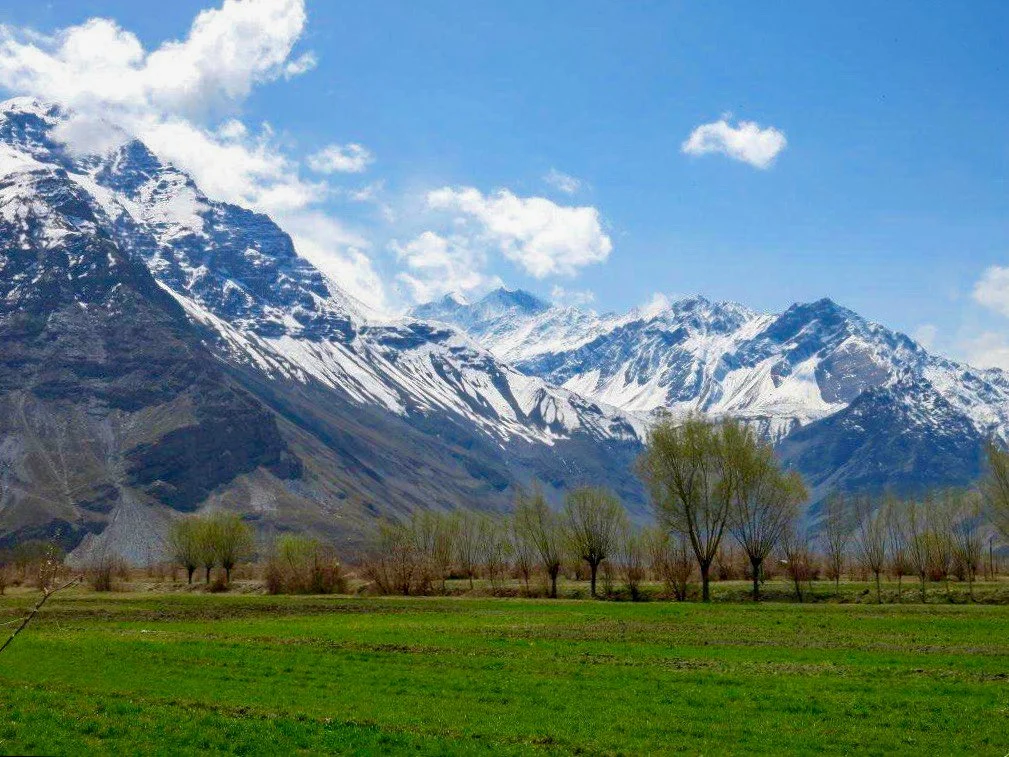
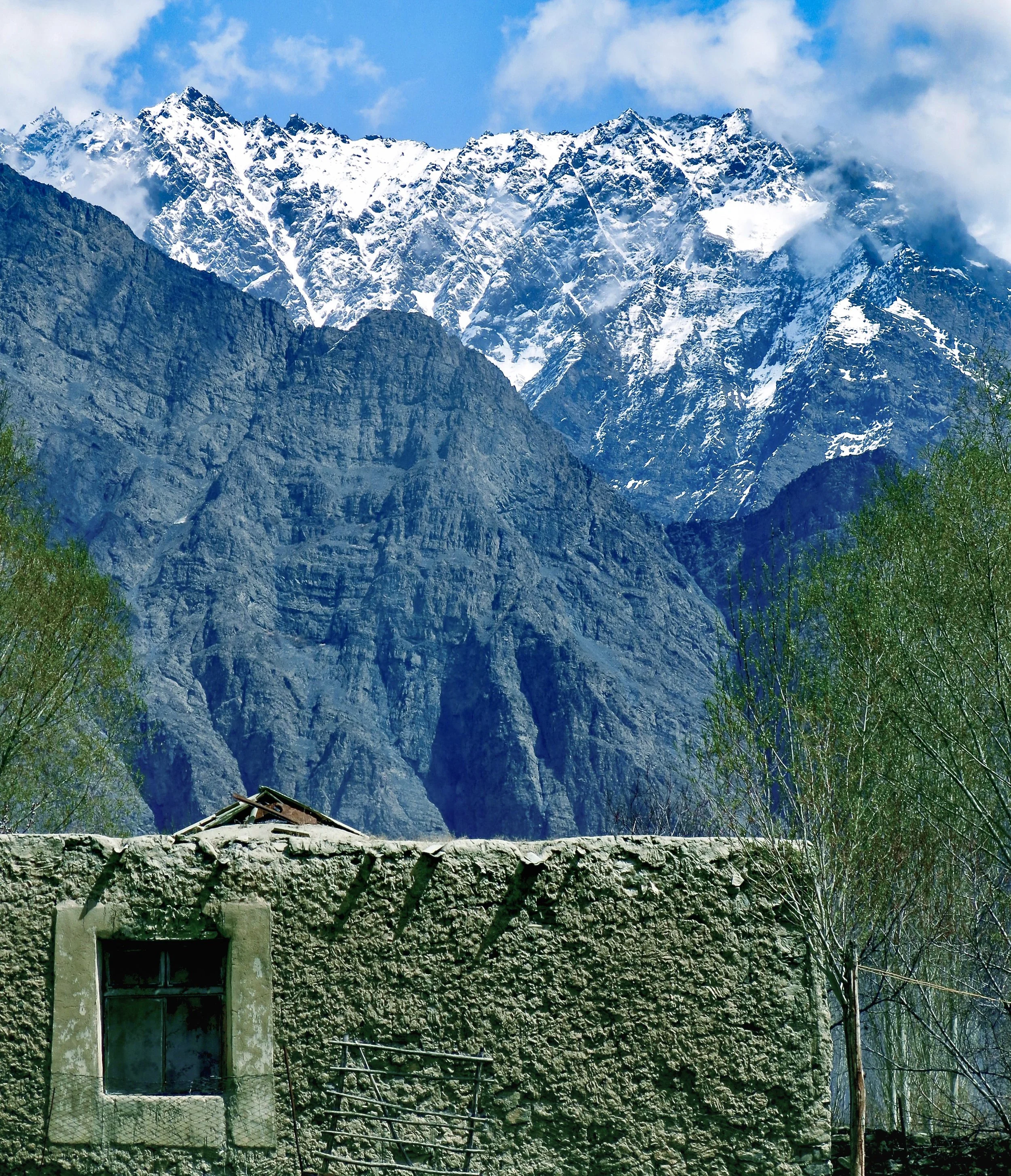
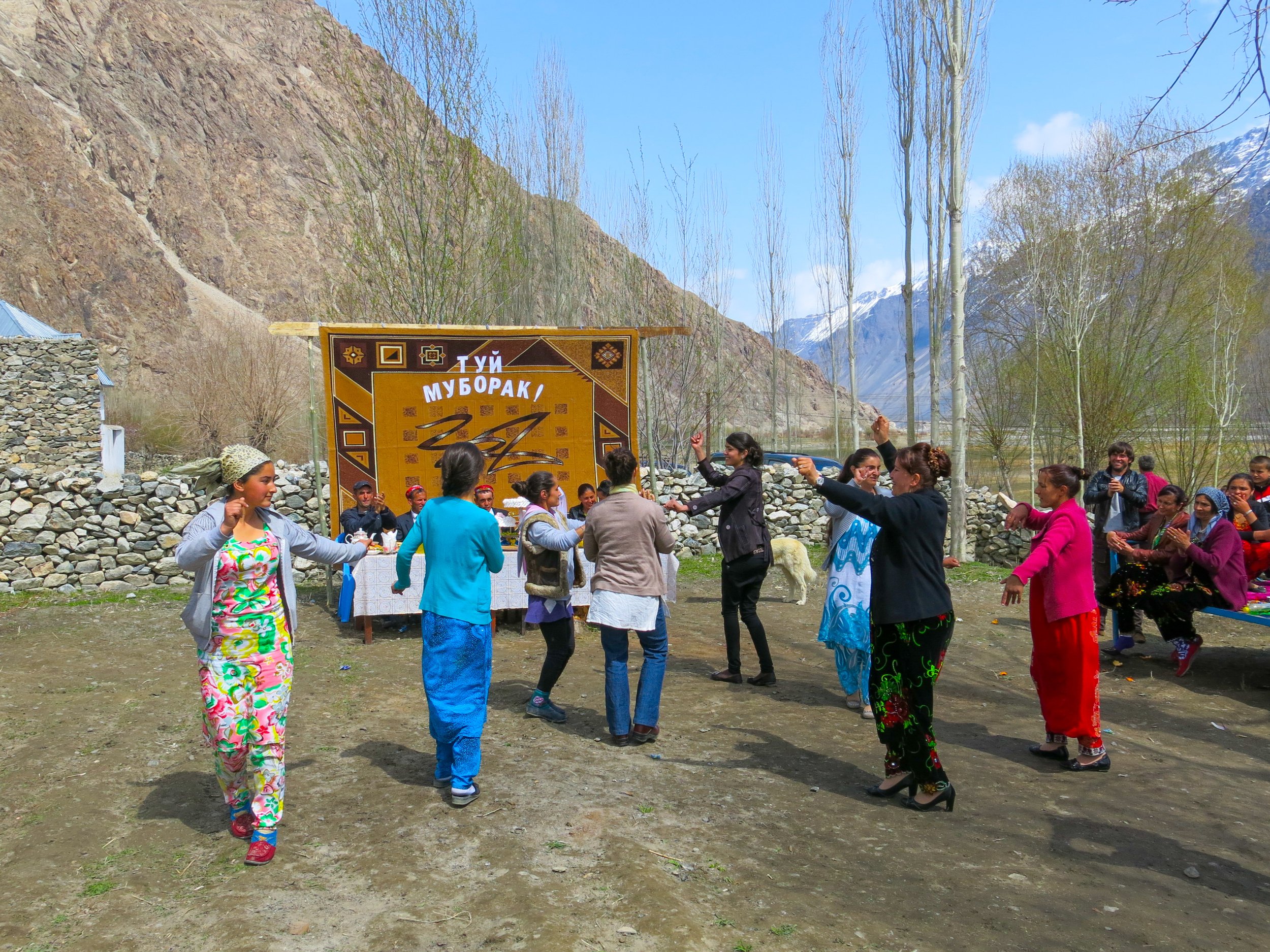
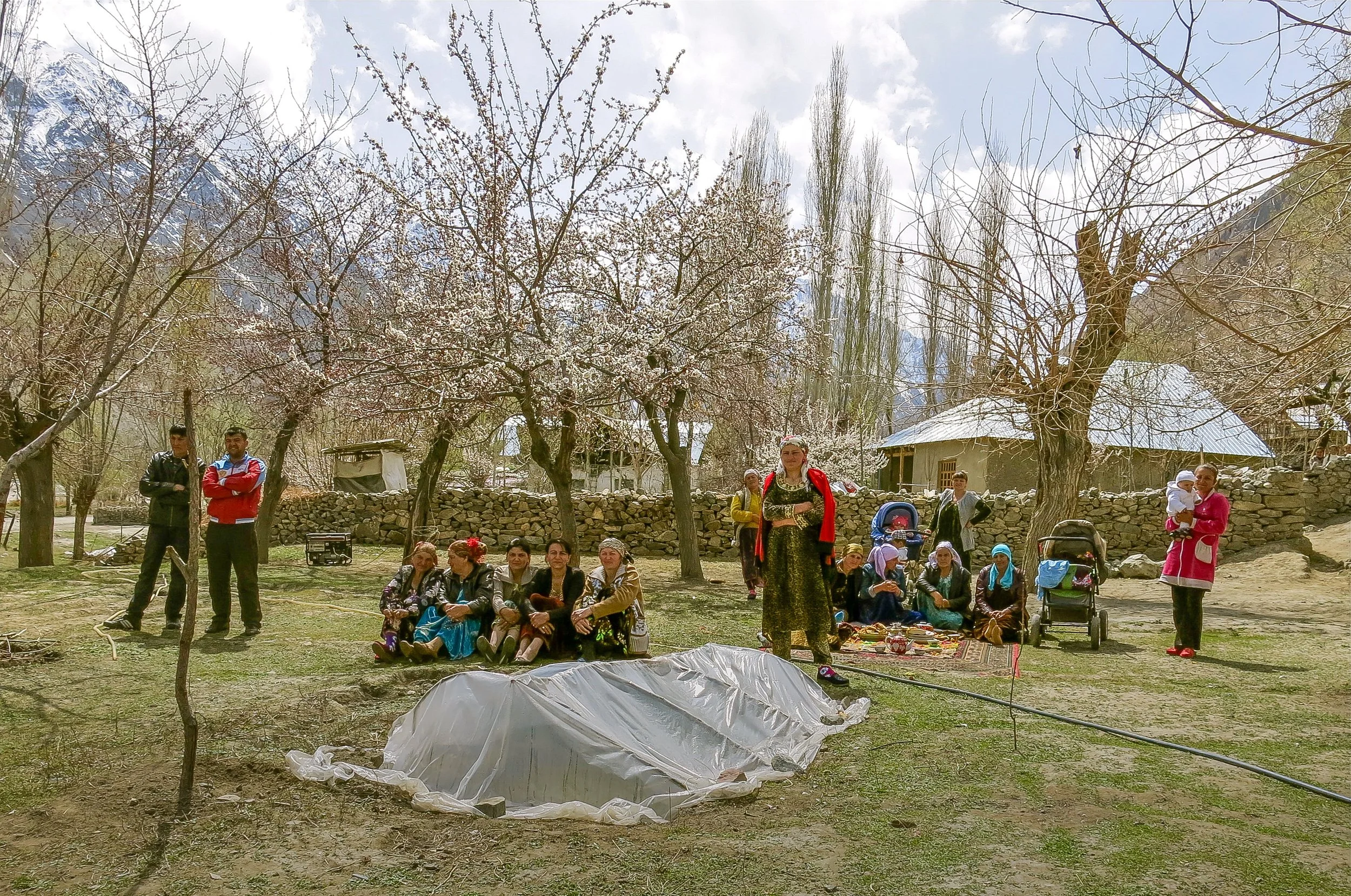
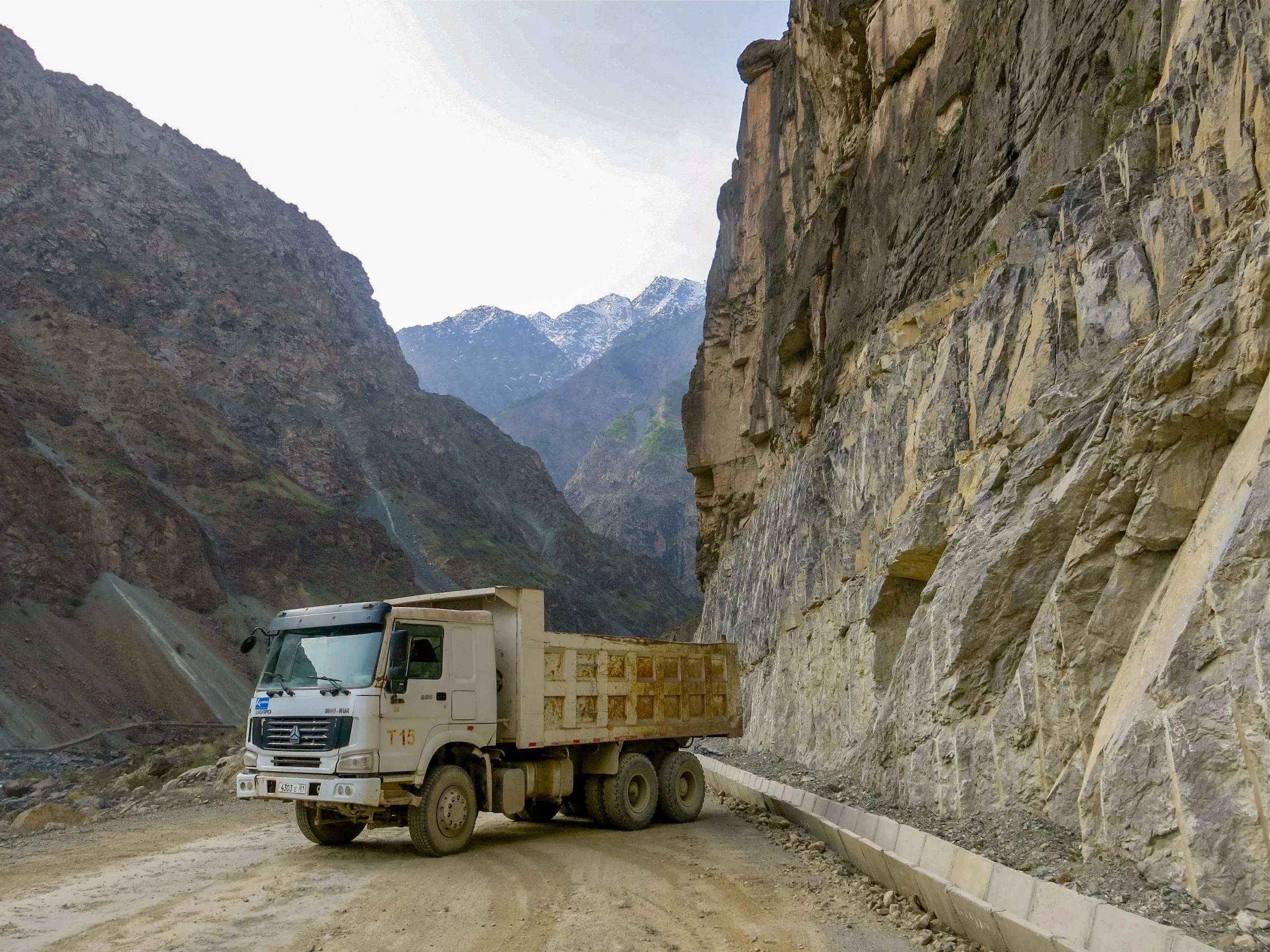
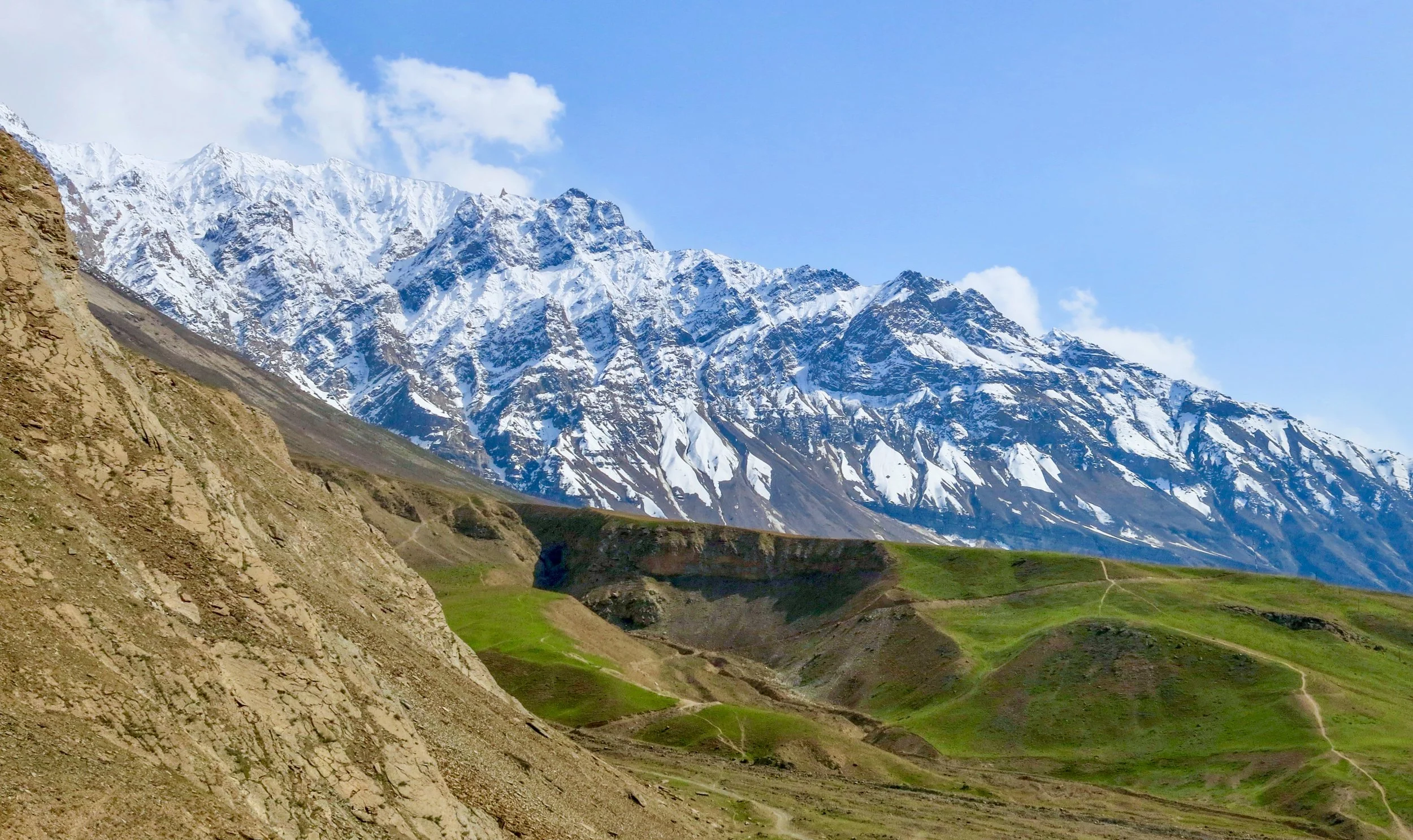
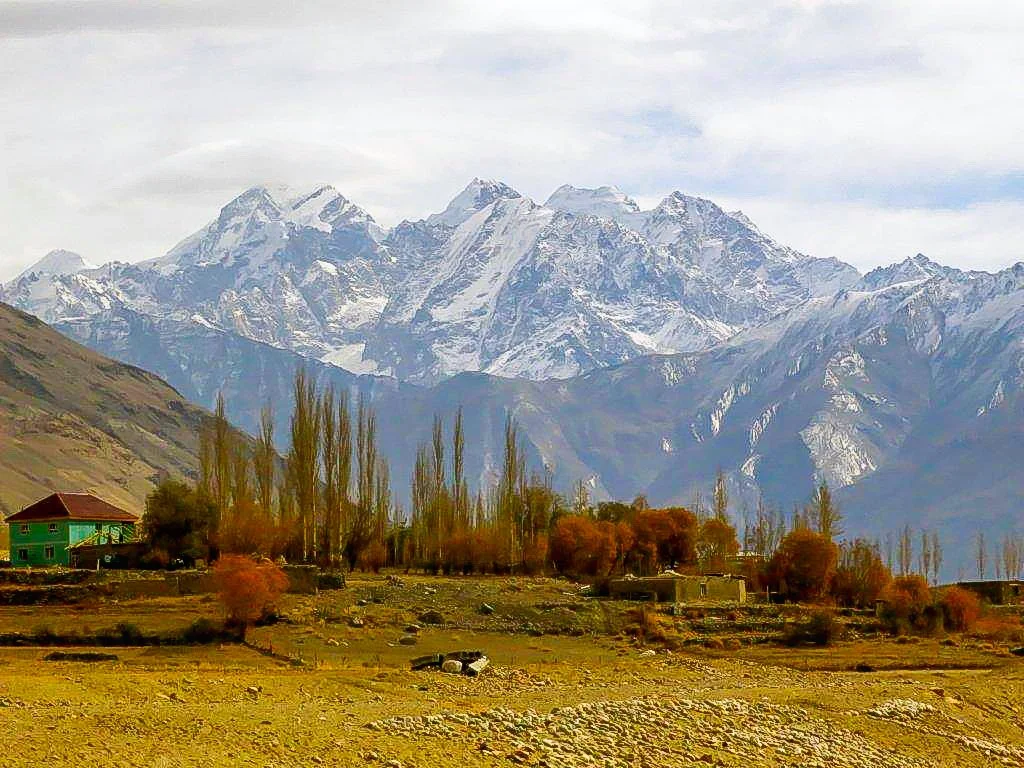
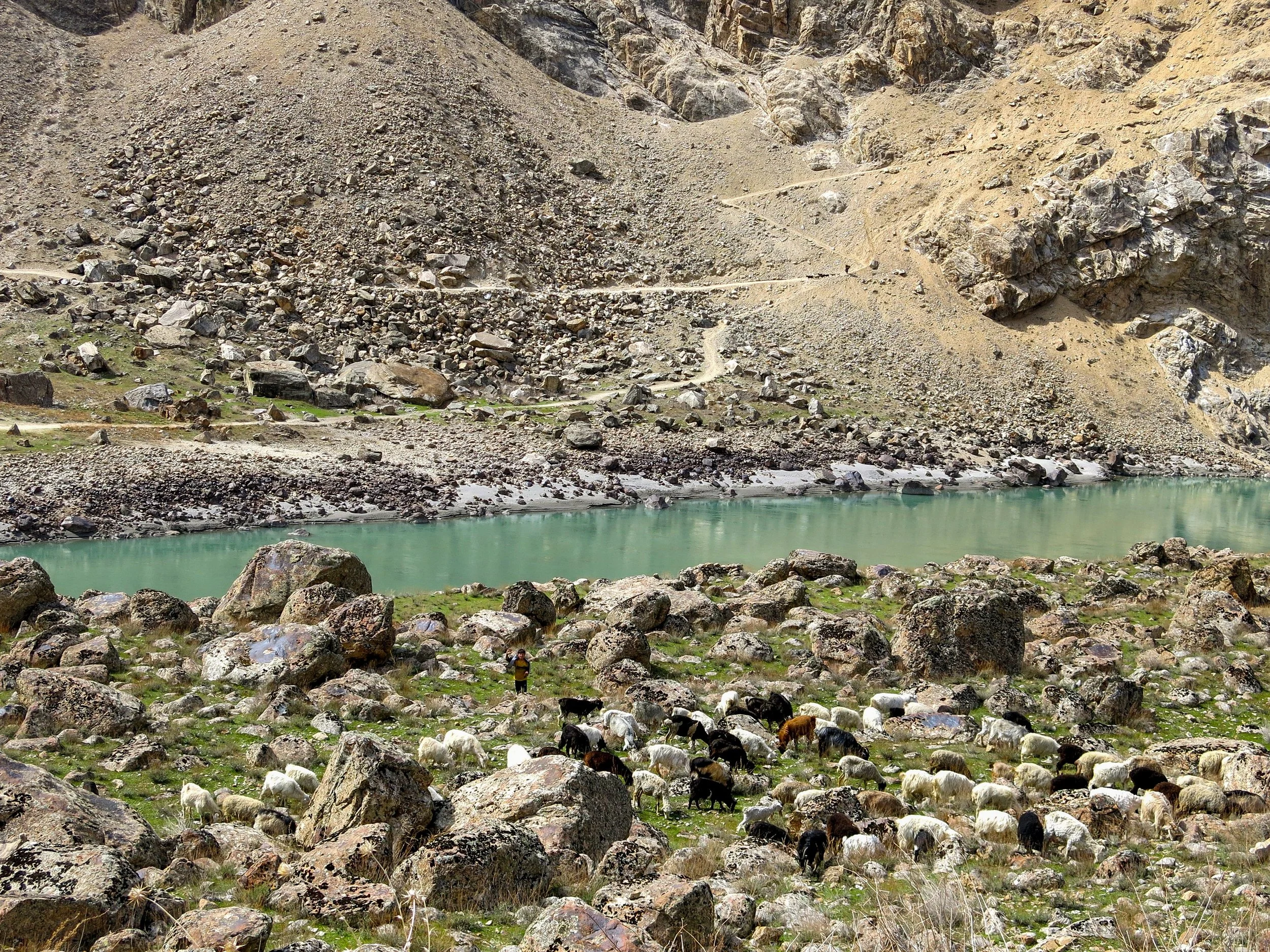
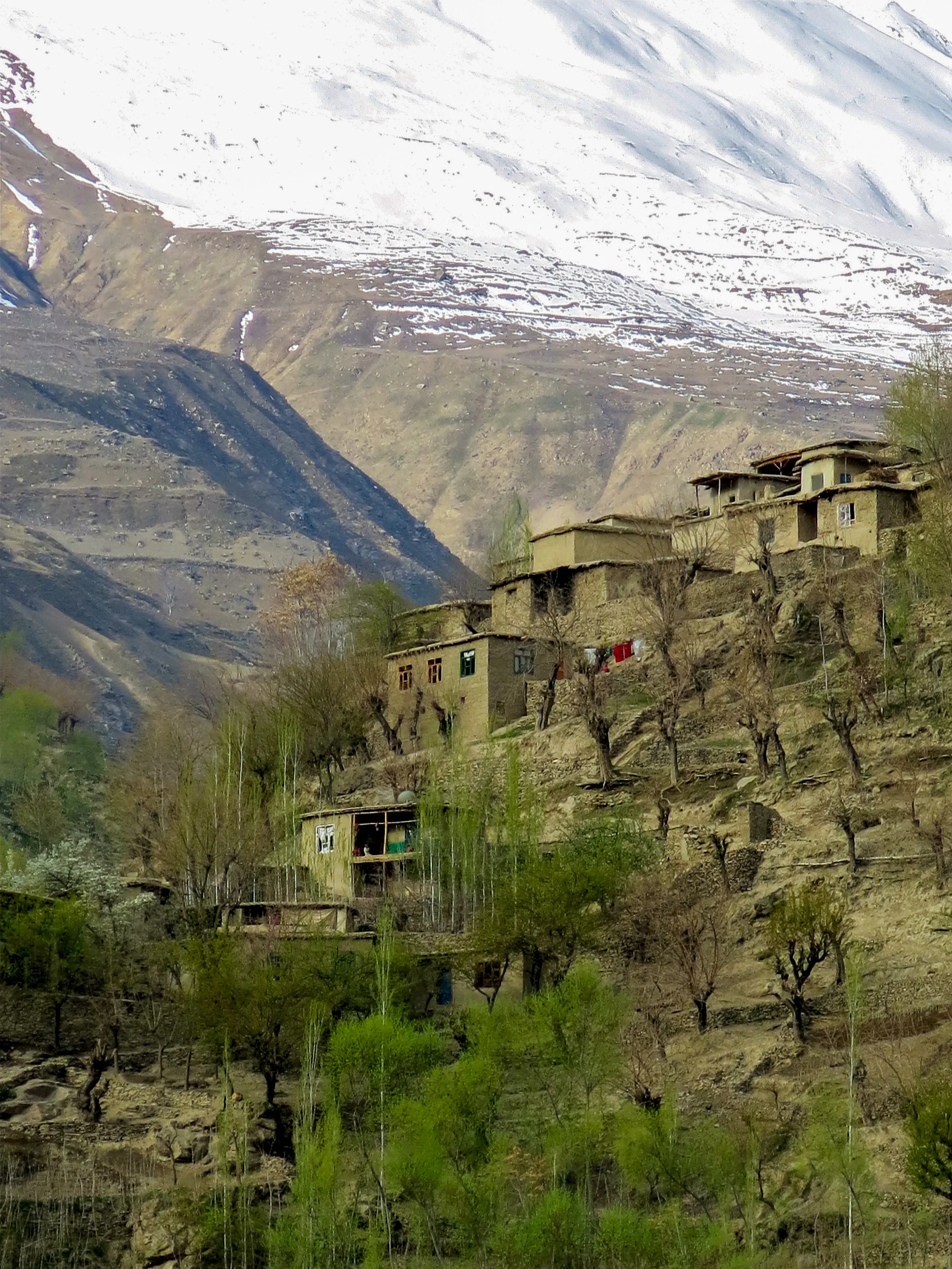
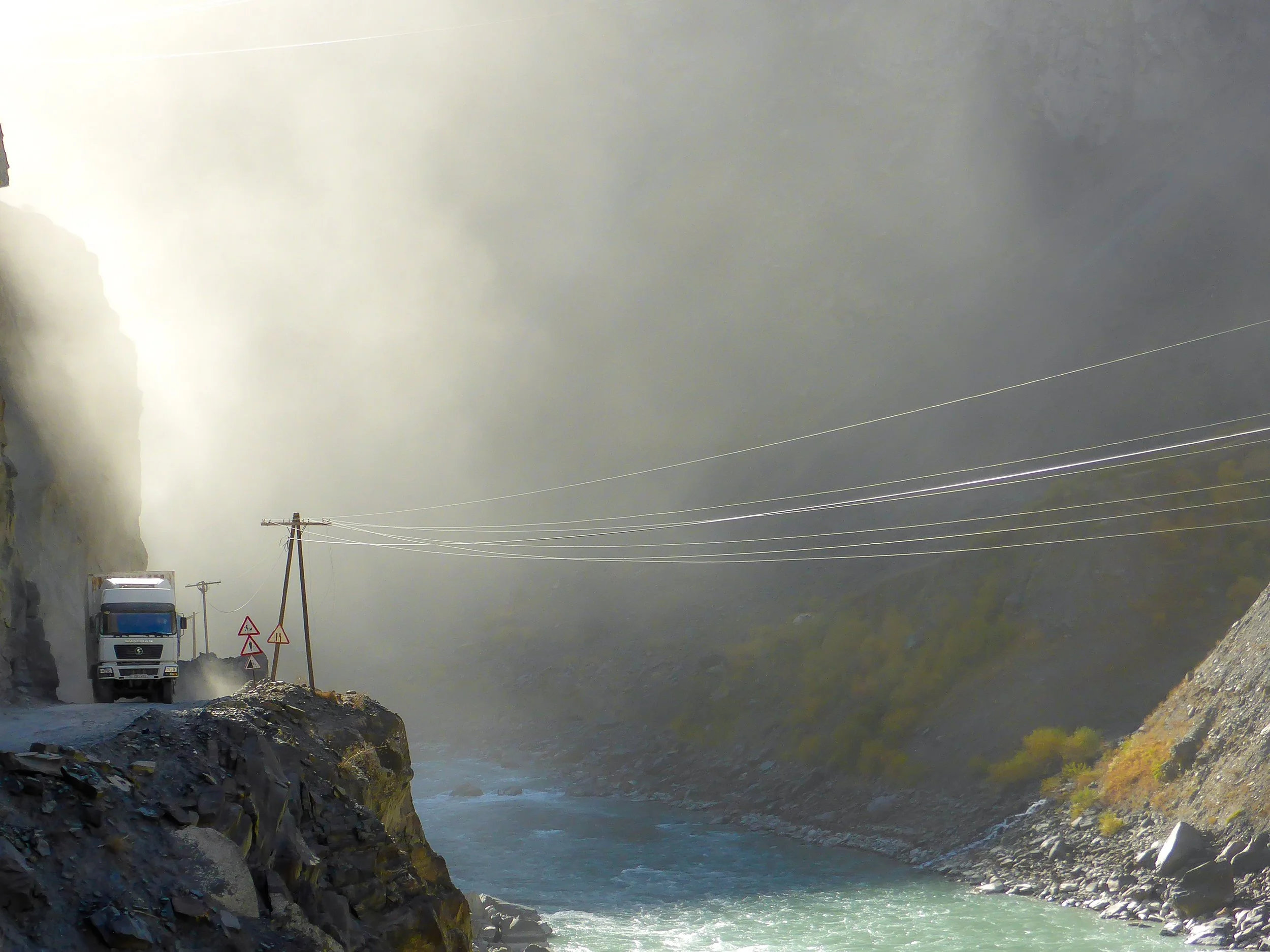
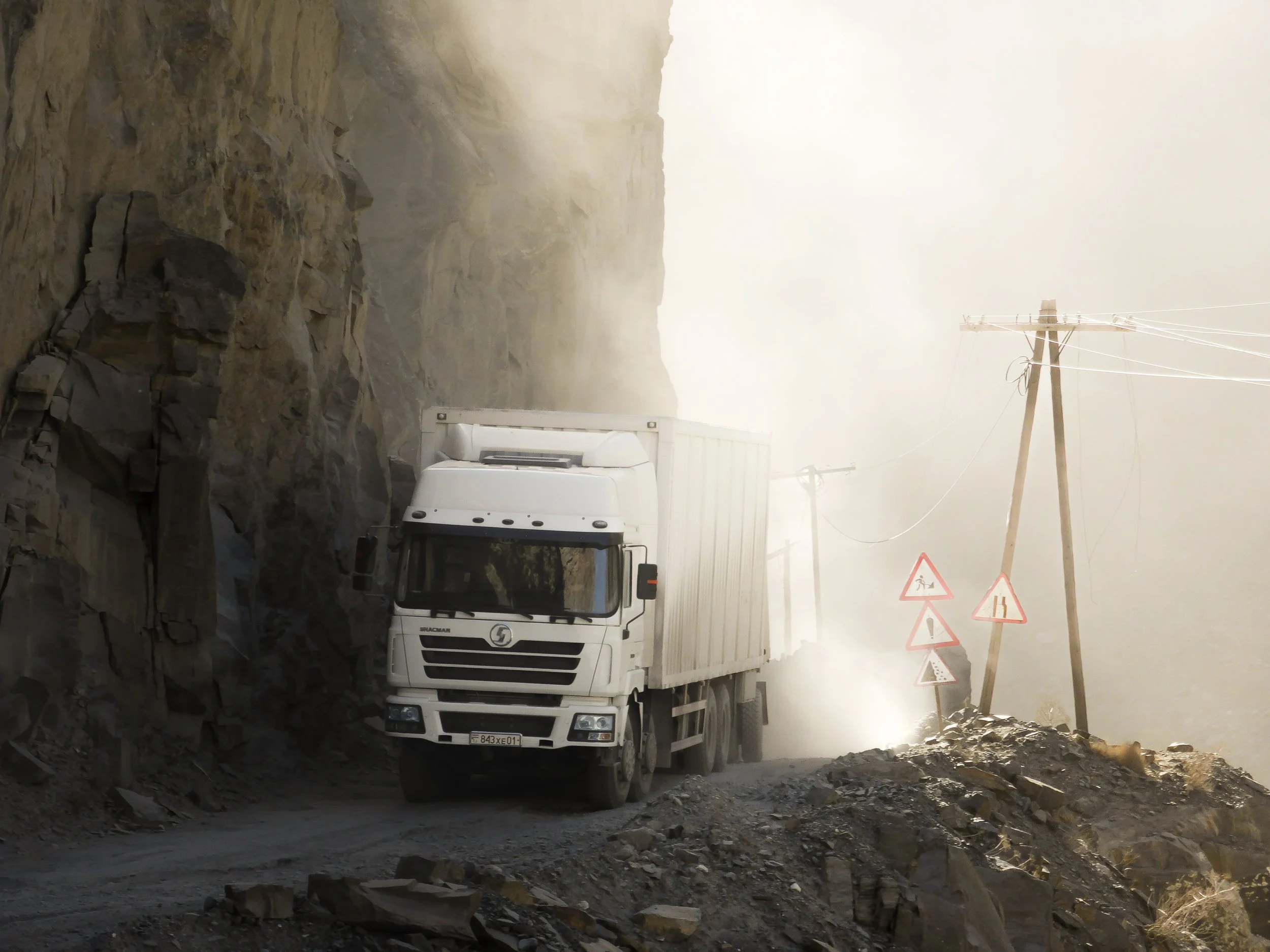
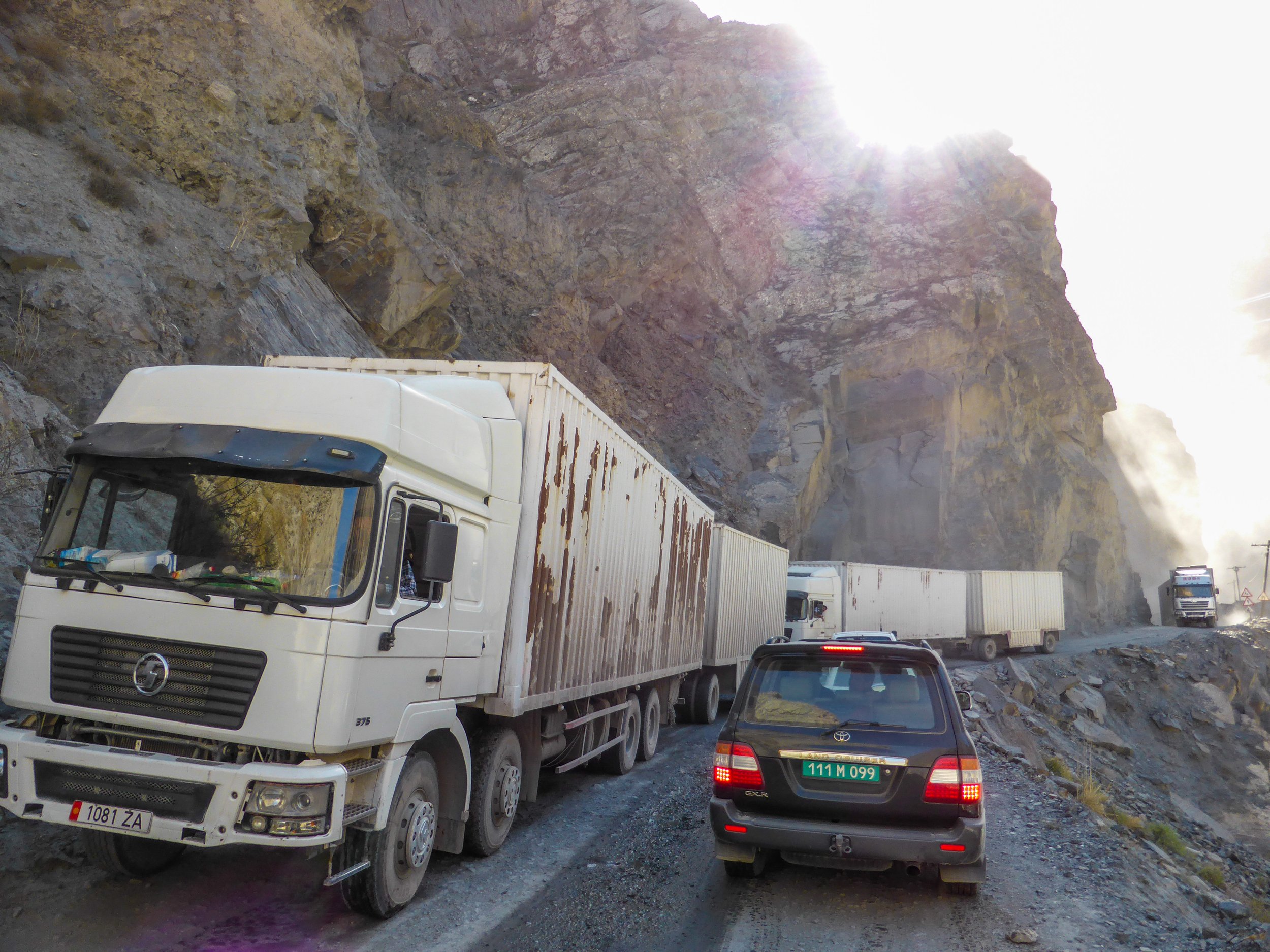
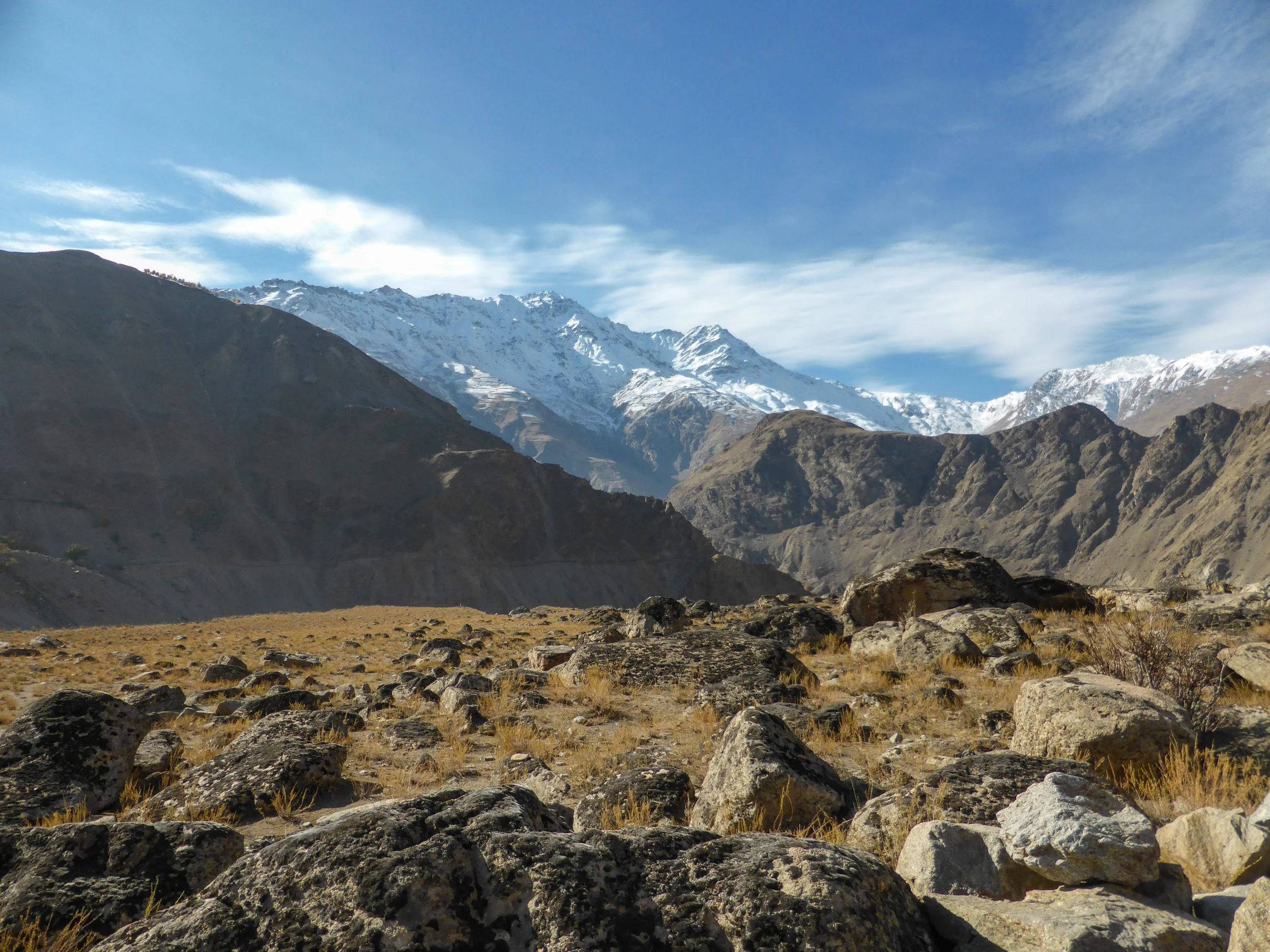
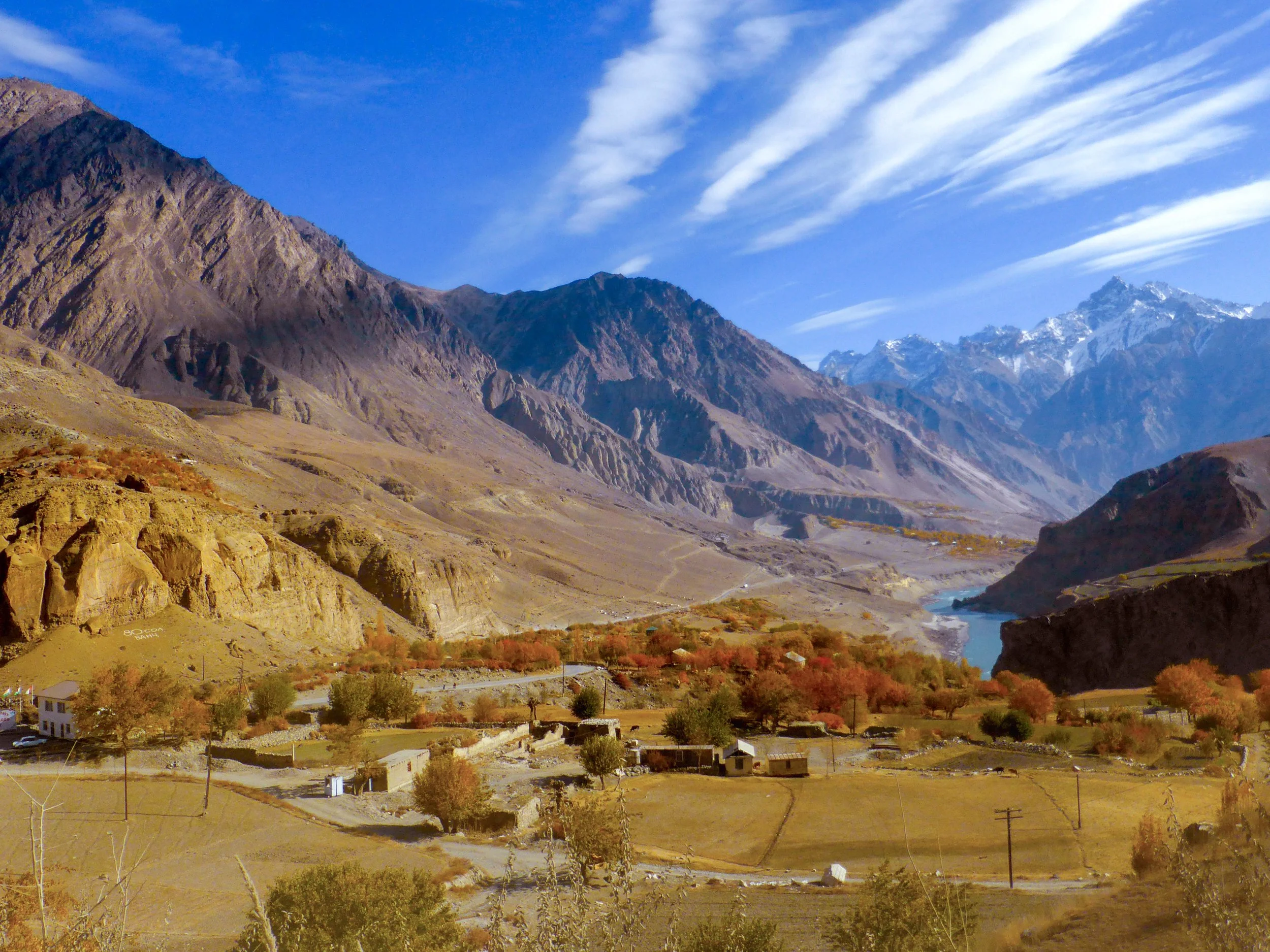
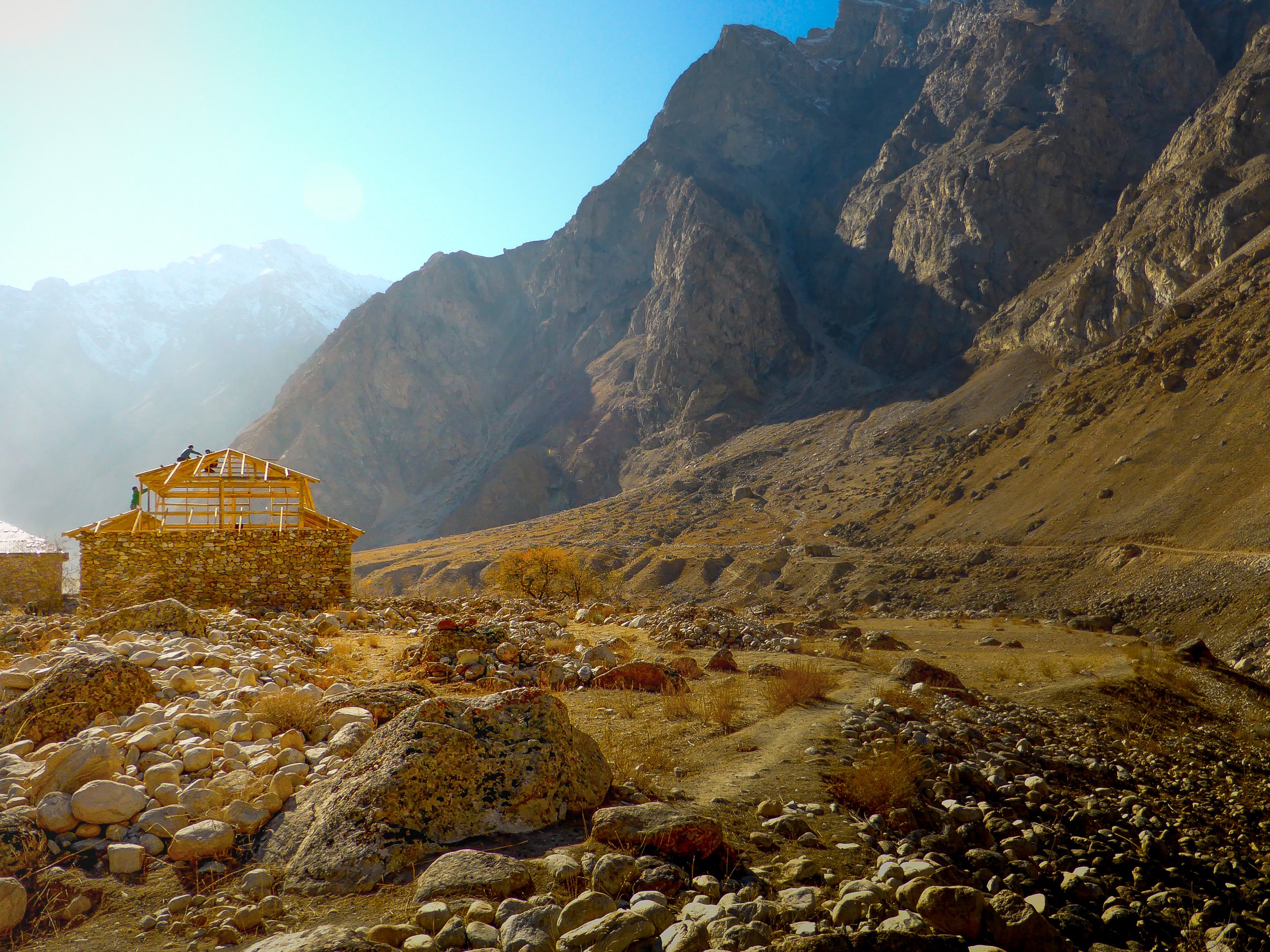
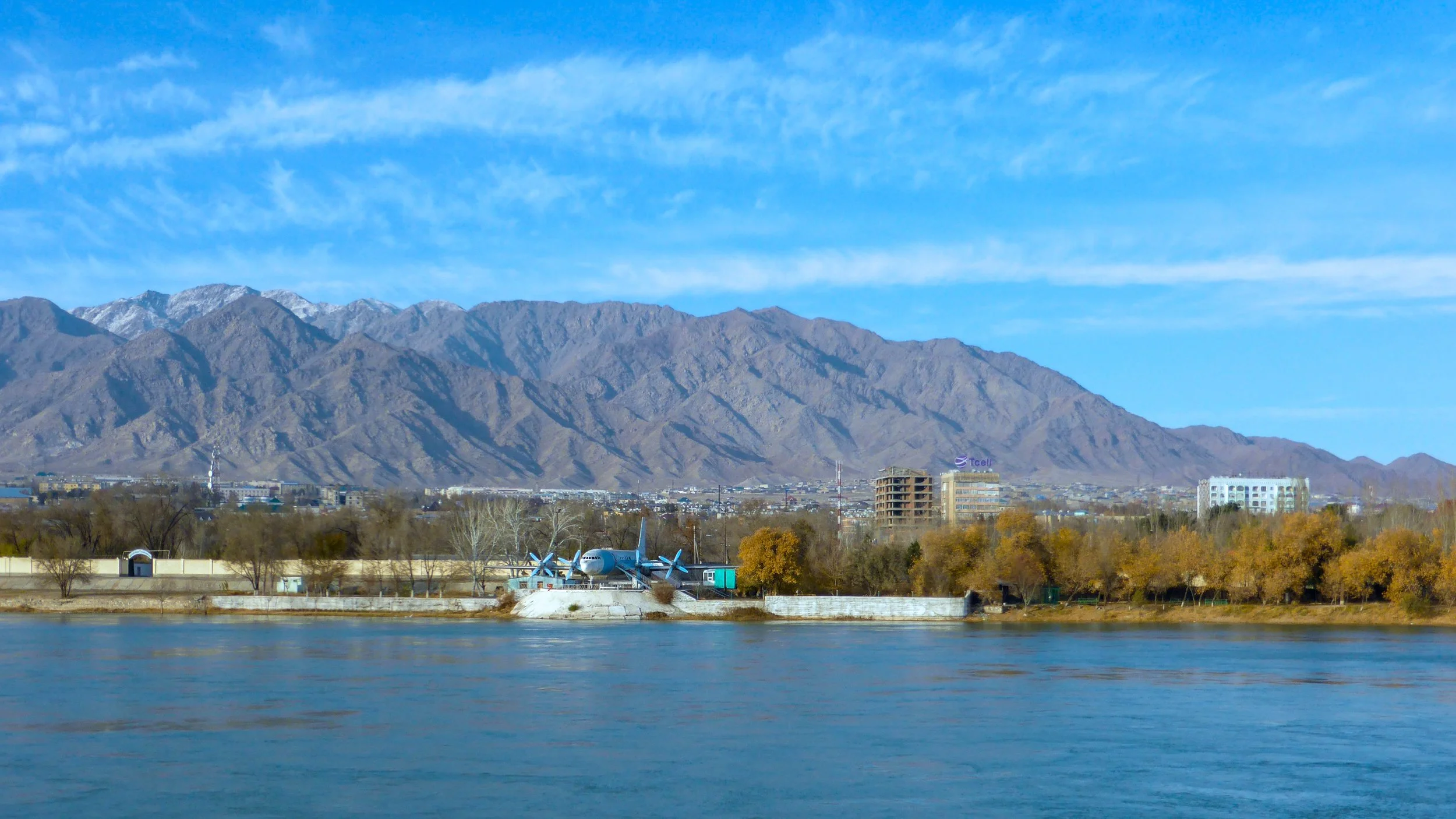
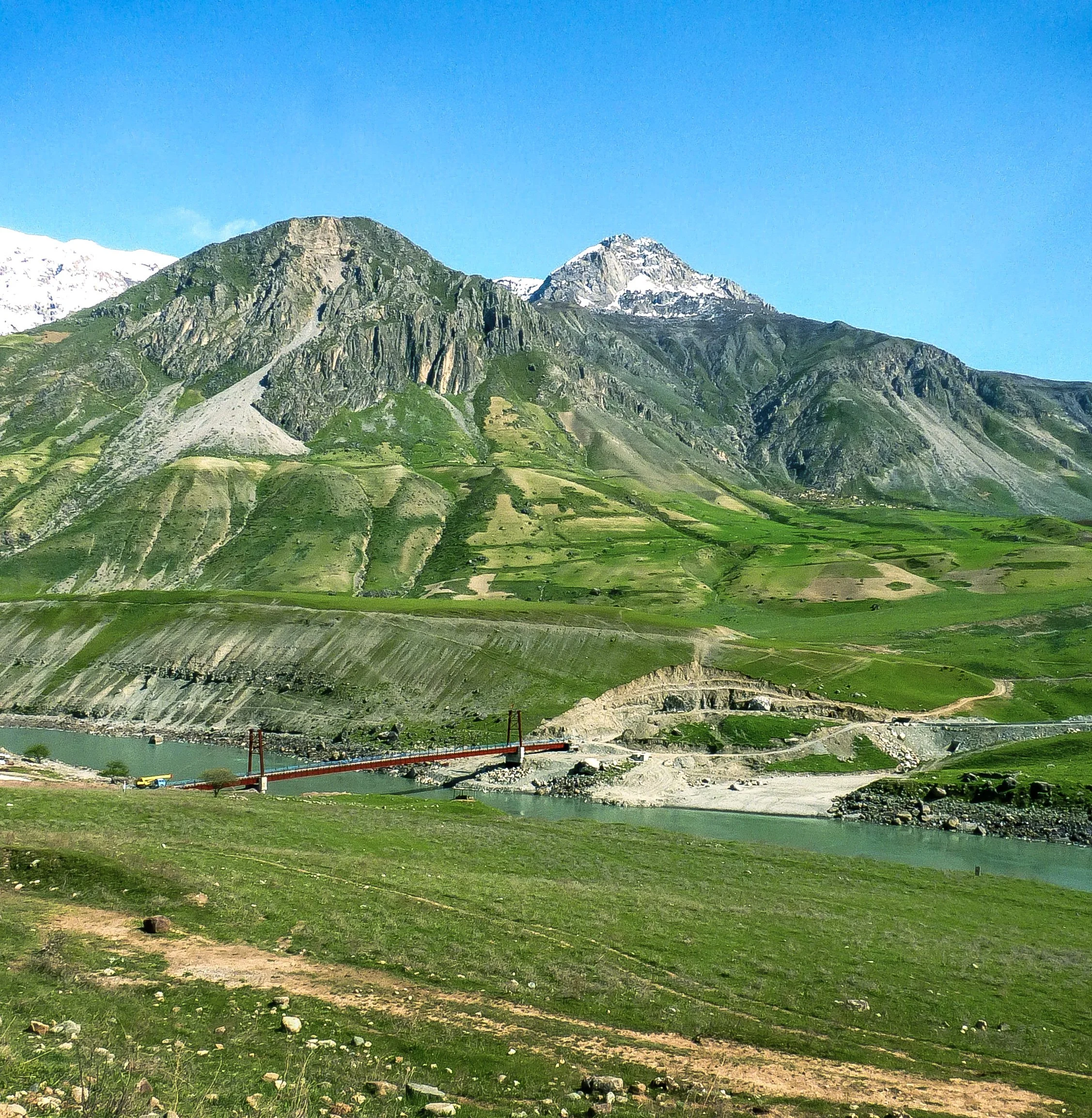
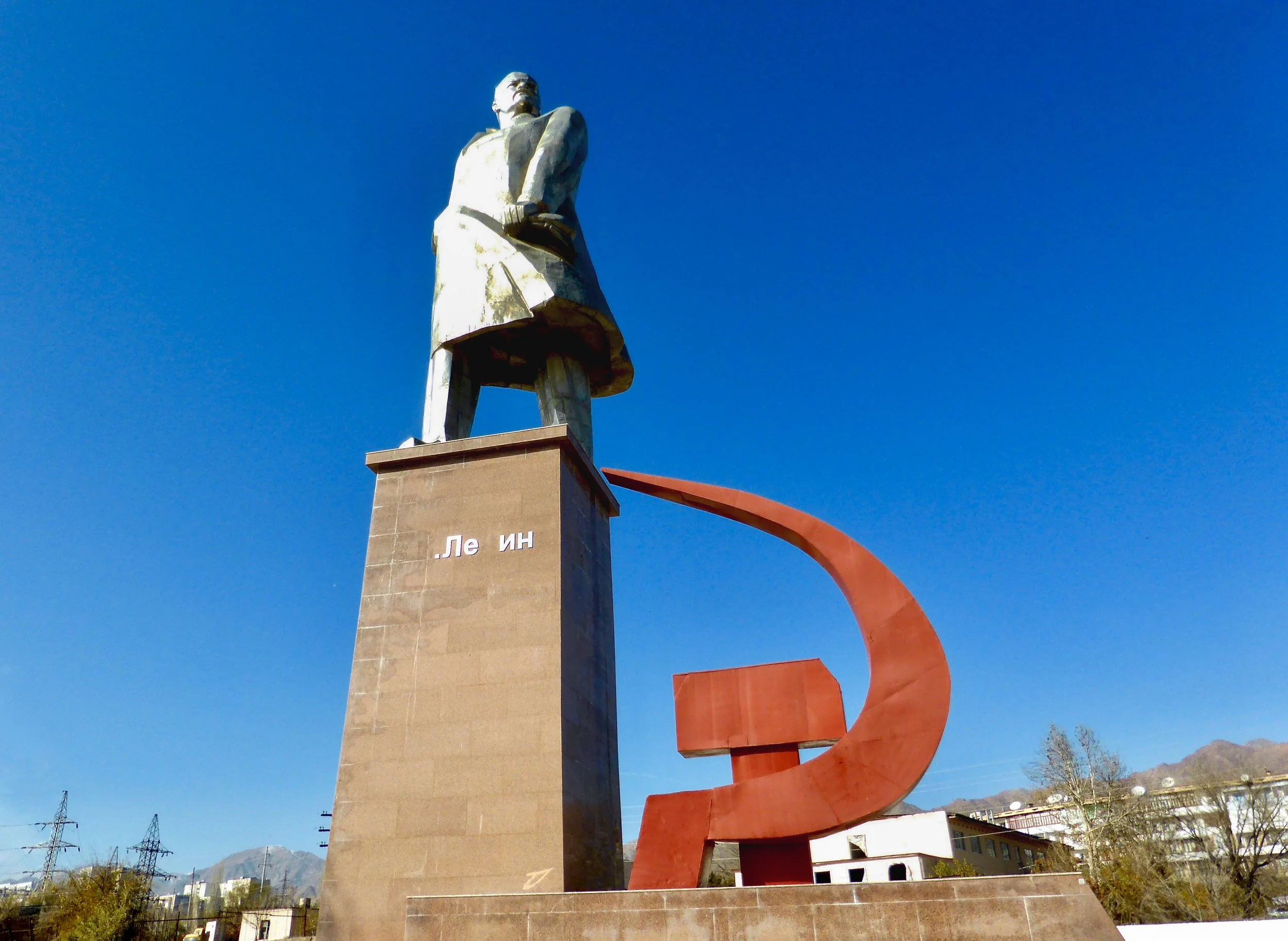
The opportunity to truly witness the majesty of the region finally came during a mission to the remote borders of Tajikistan. Standing in the shadow of the Pamir and Hindu Kush ranges, the logistical chains of my Kabul assignment finally felt distant. This high-altitude frontier provided a vantage point like no other, allowing me to look across the border into the rugged, mountainous terrain of northeastern Afghanistan.
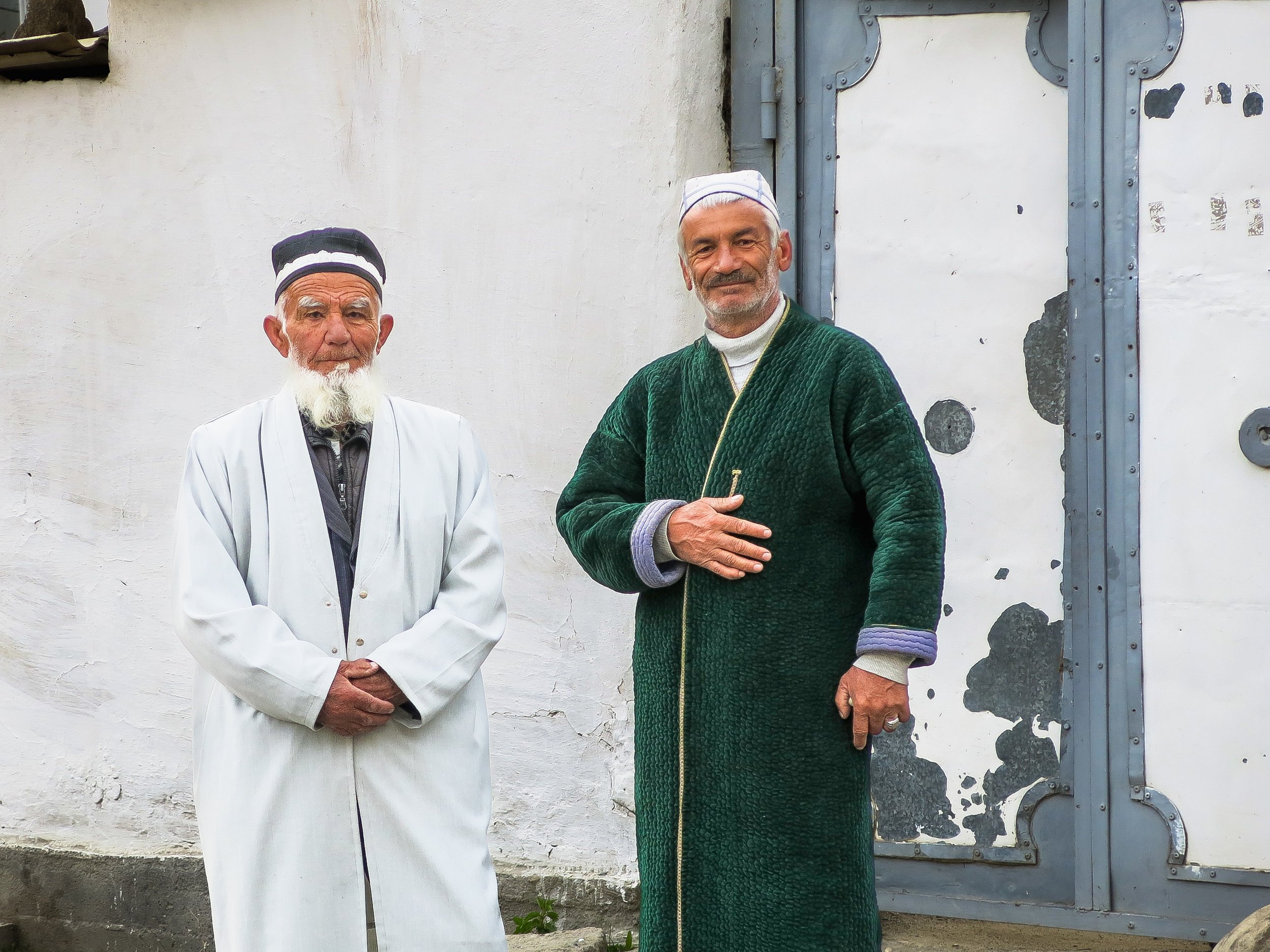
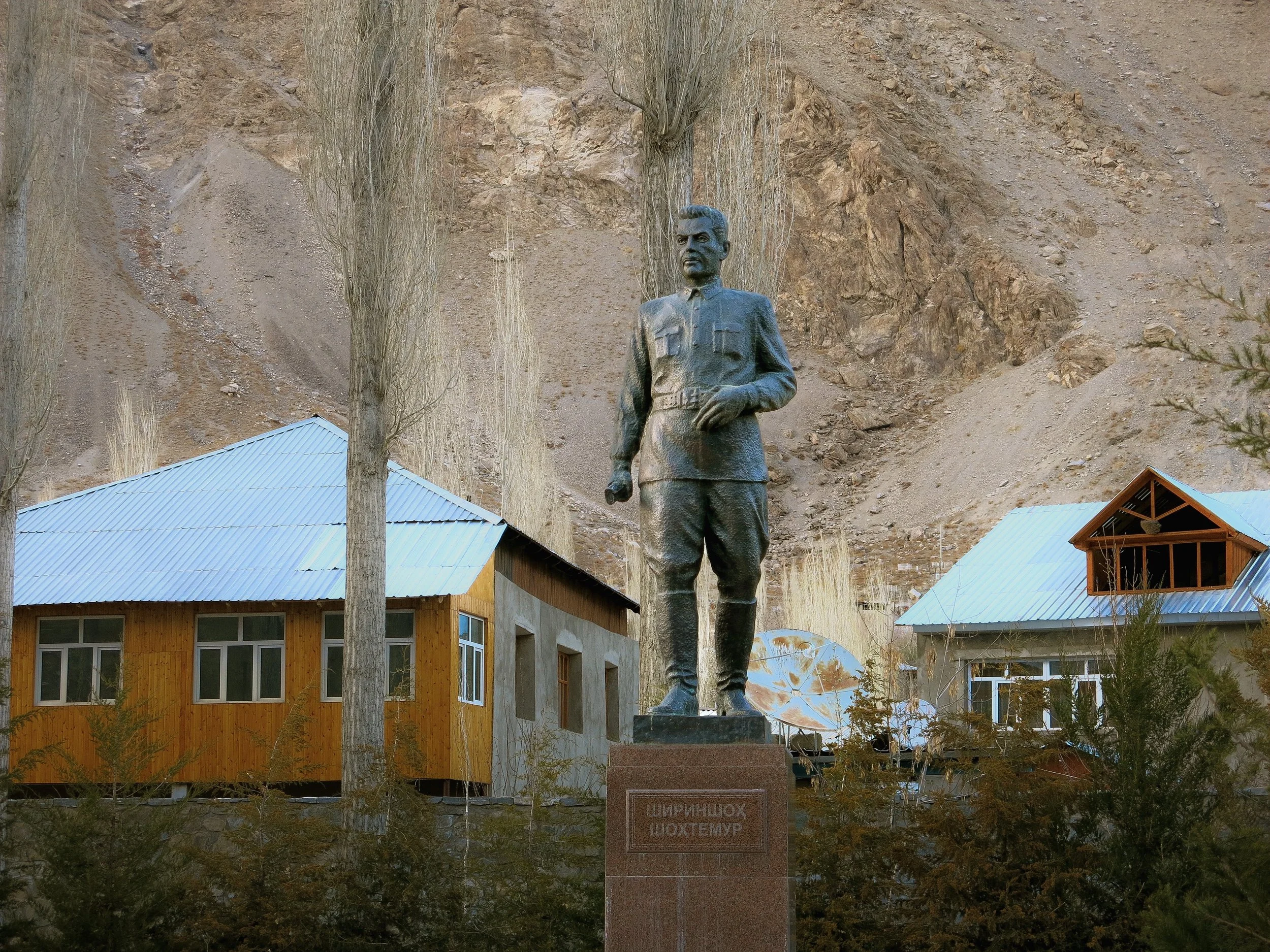
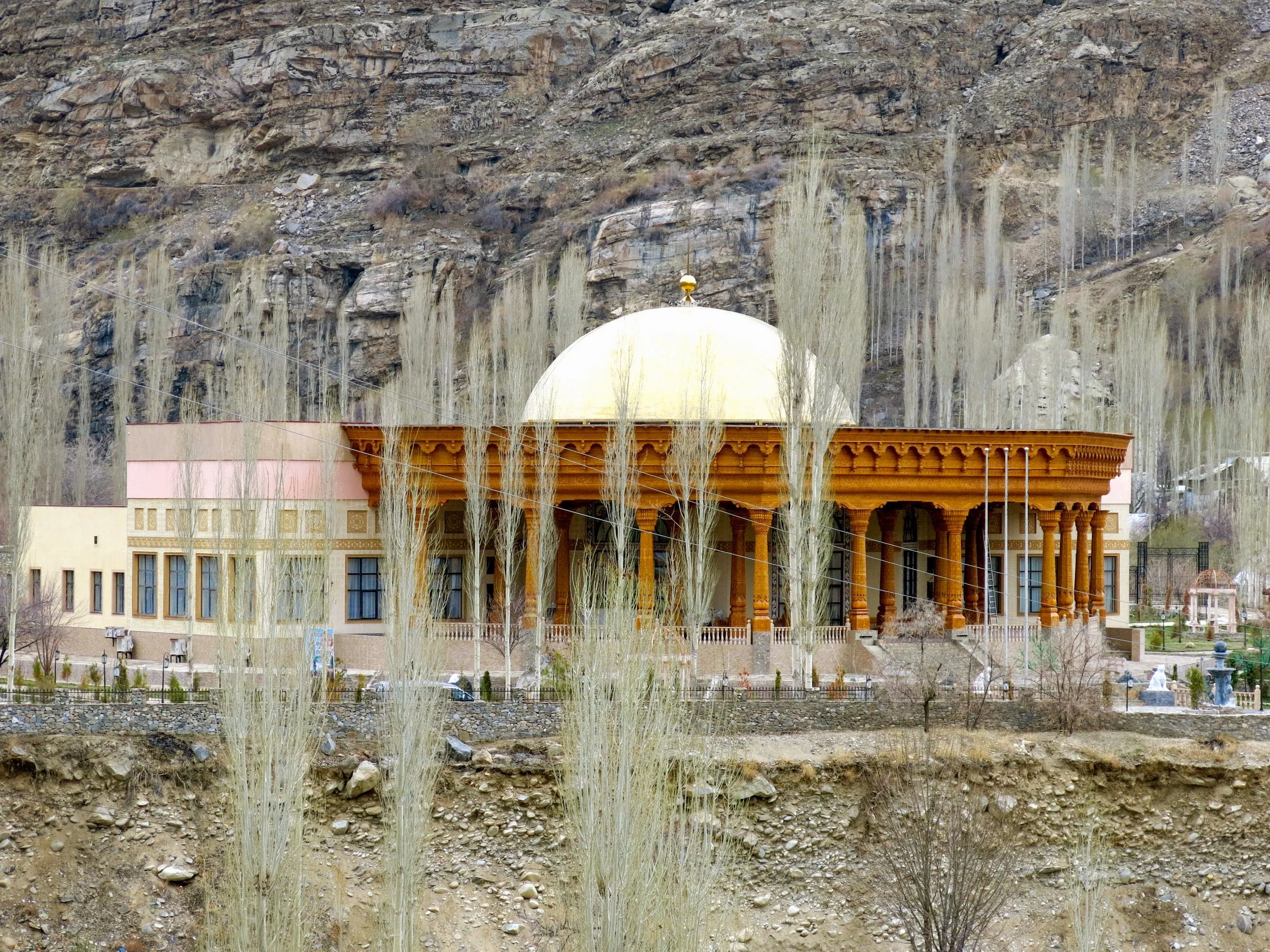
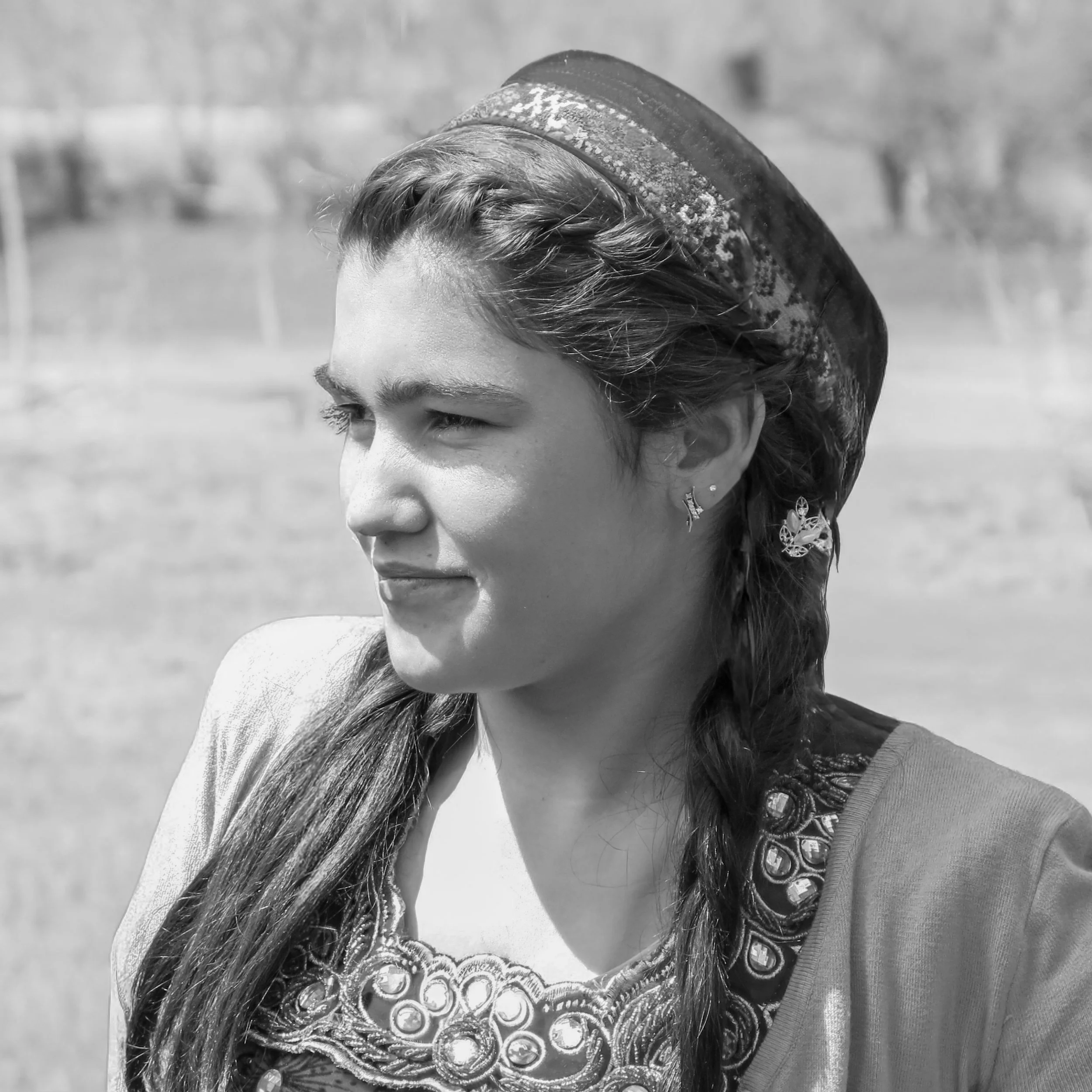
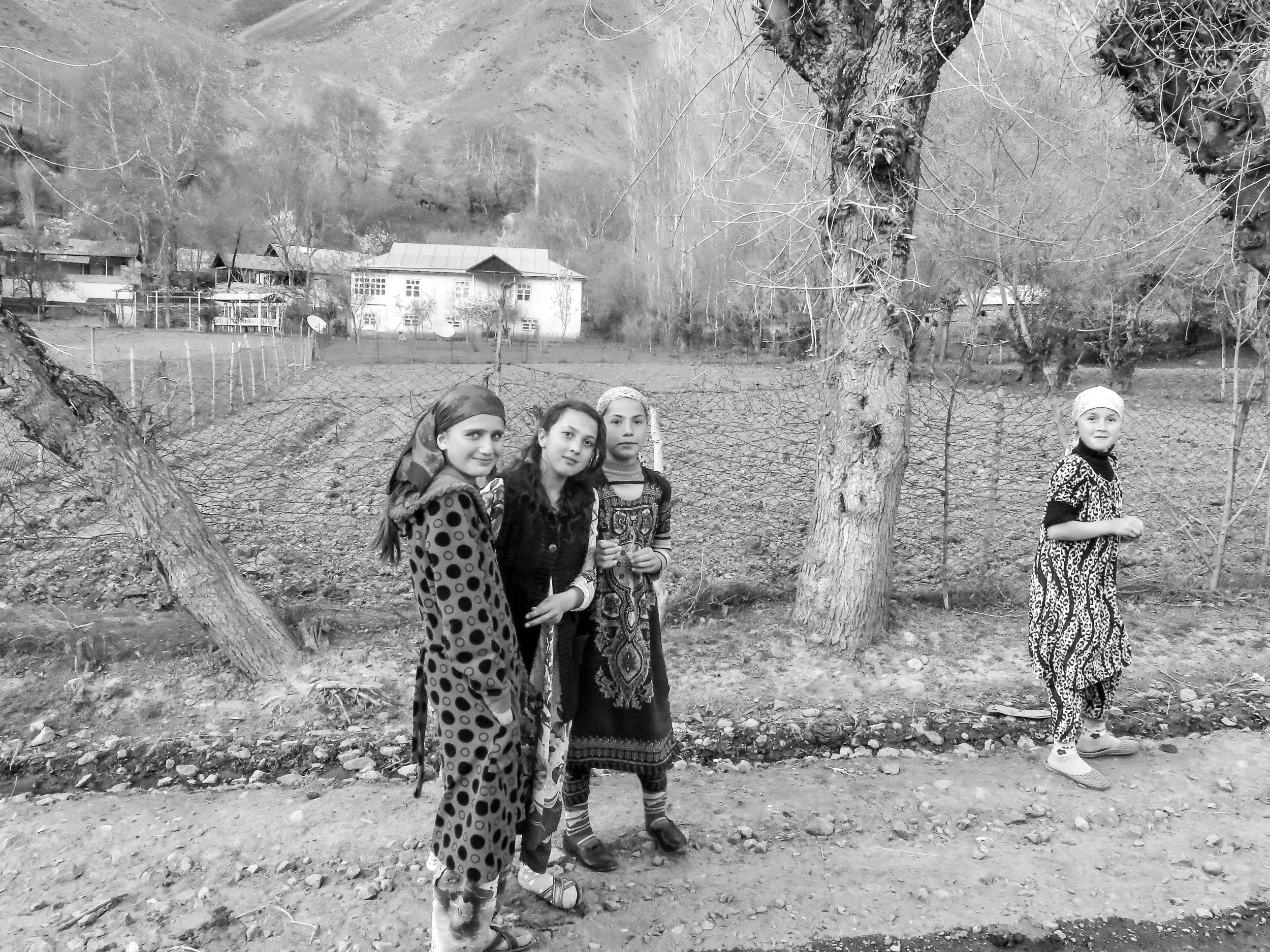
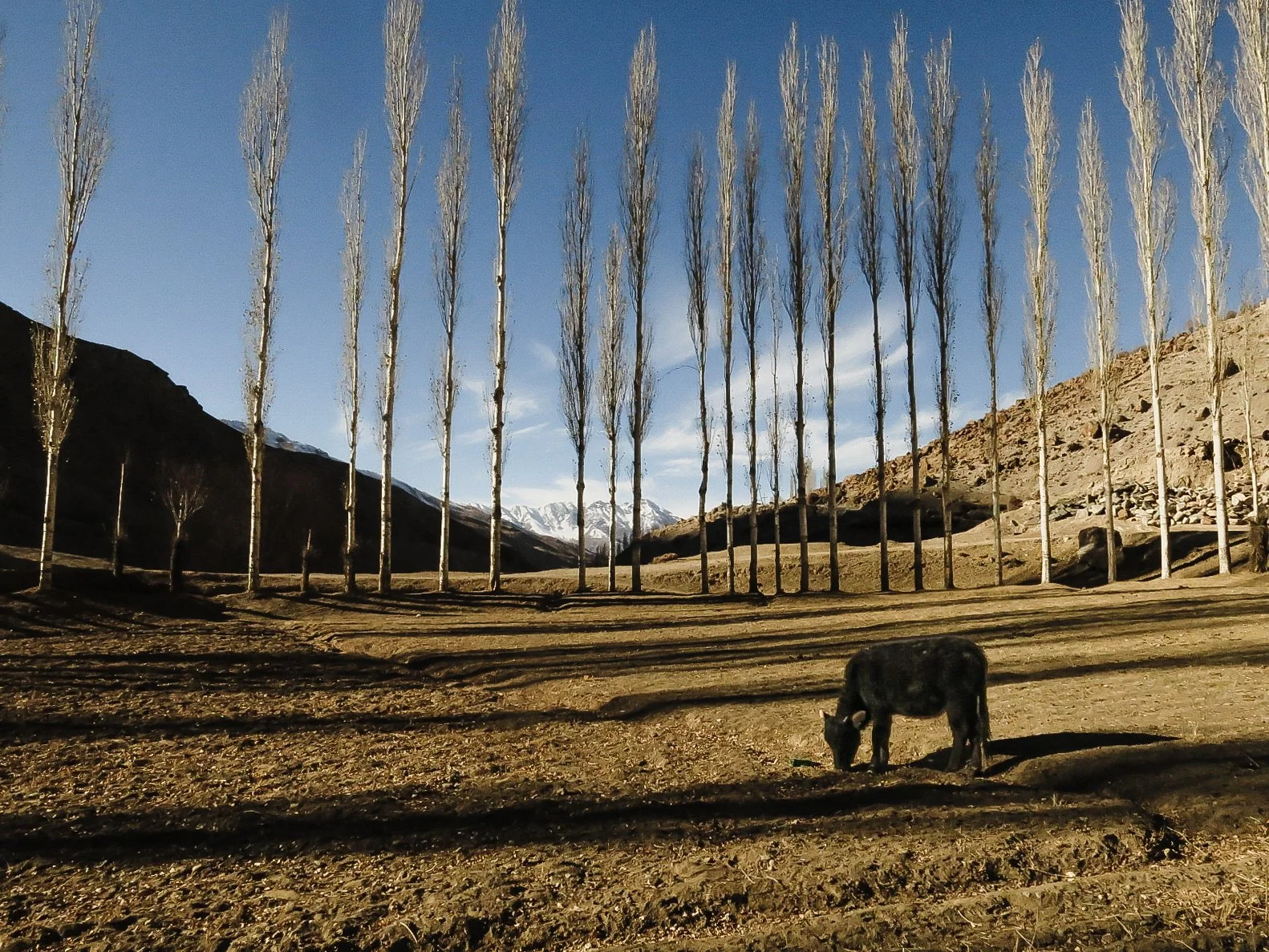
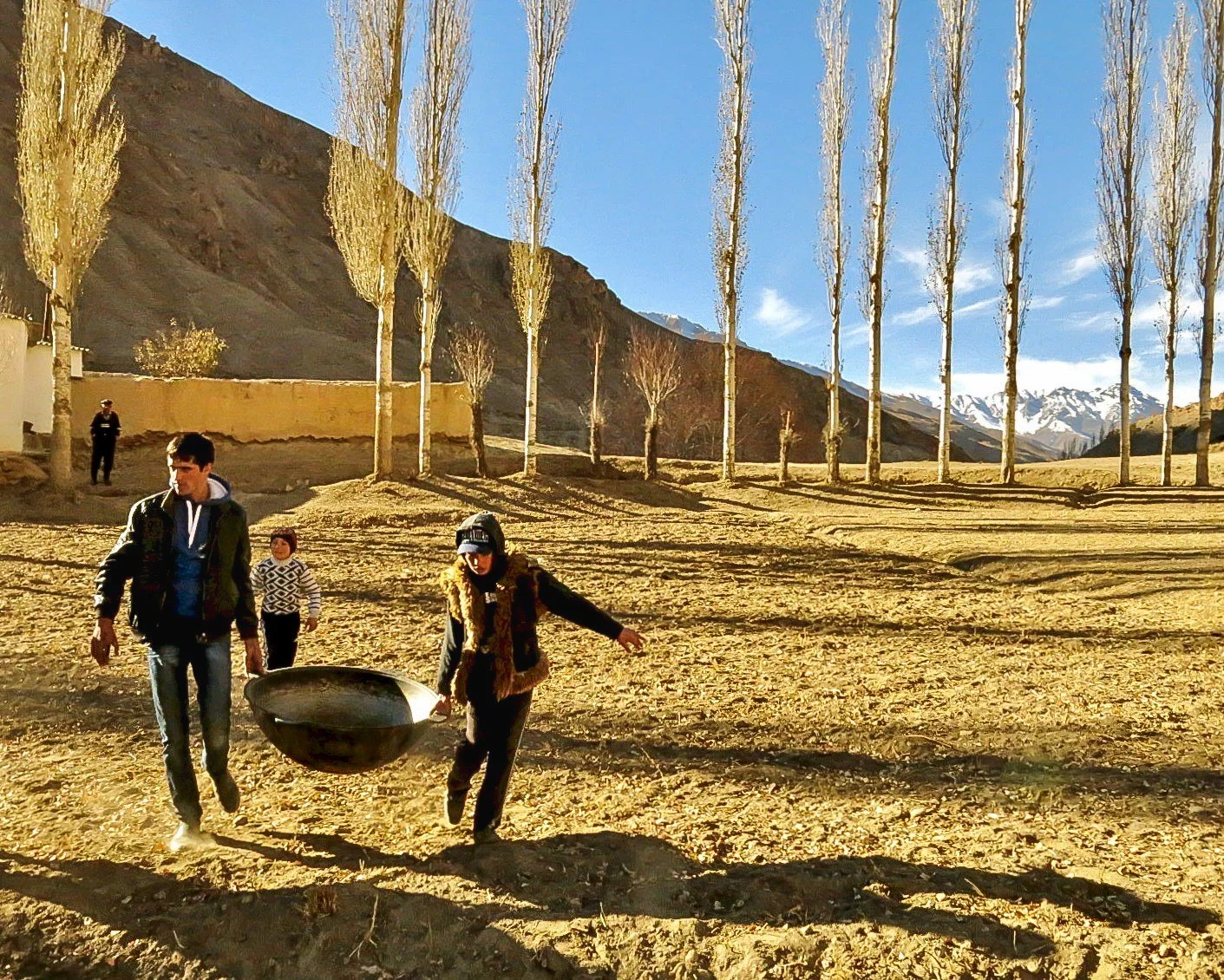
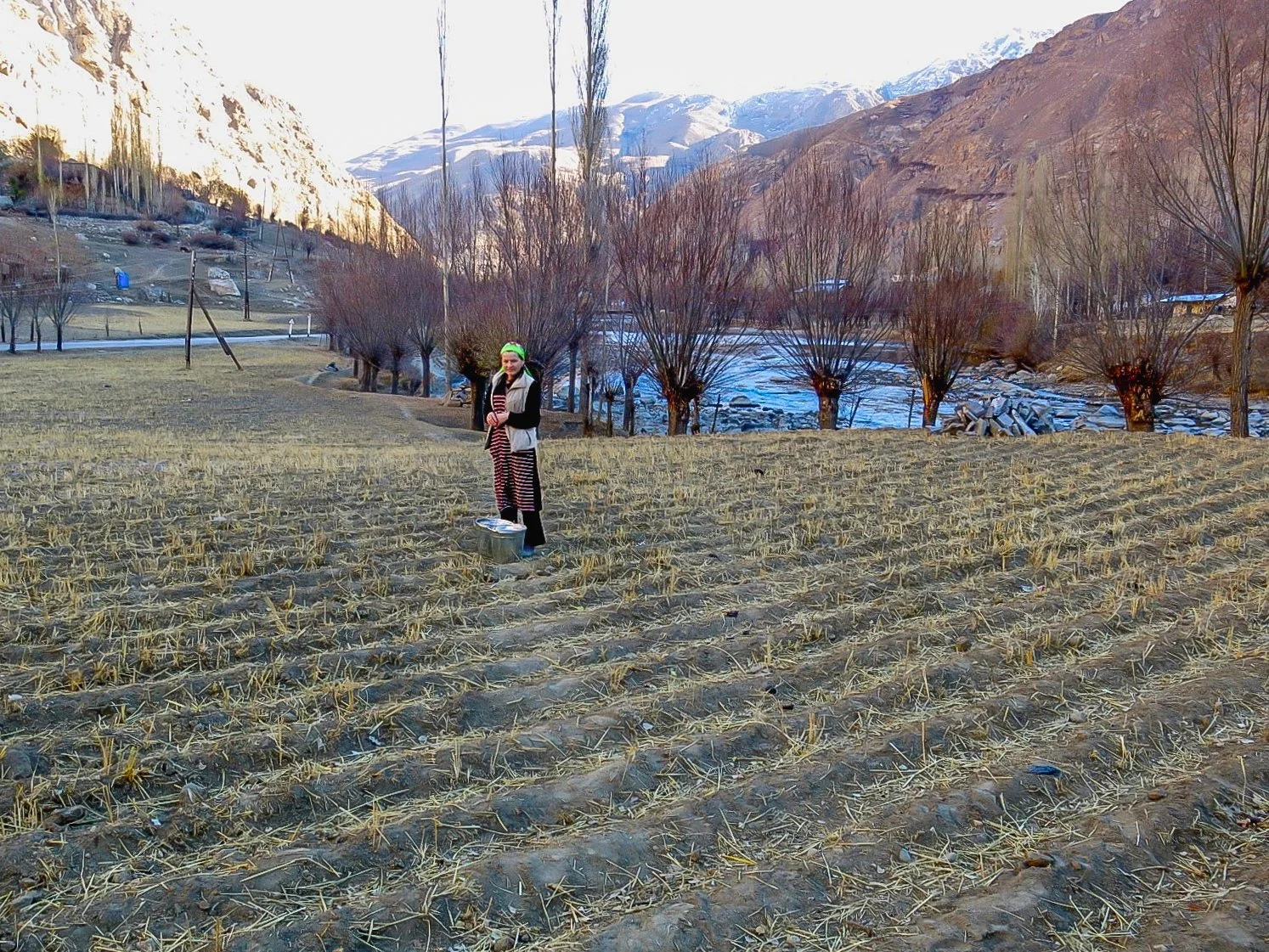
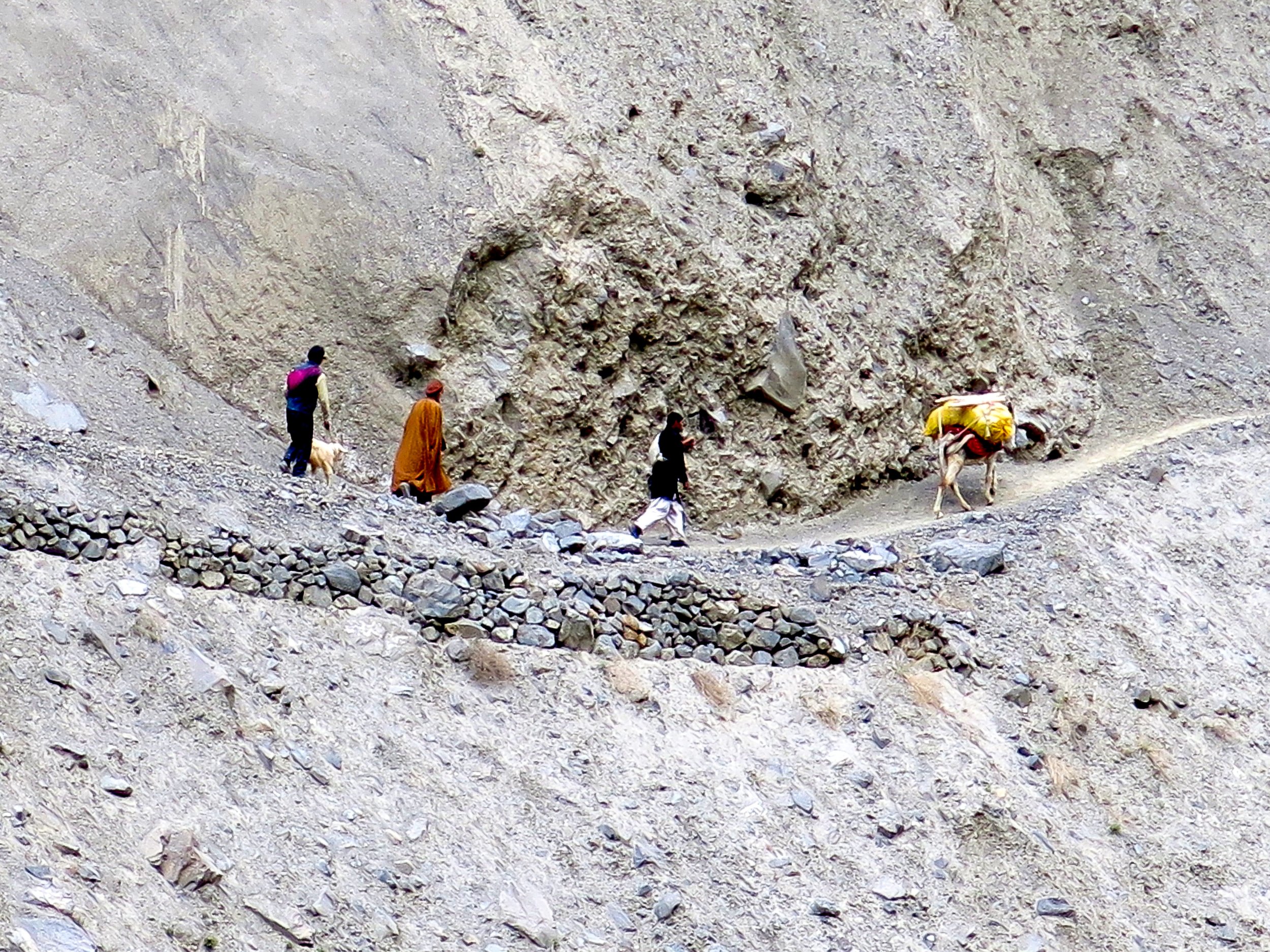
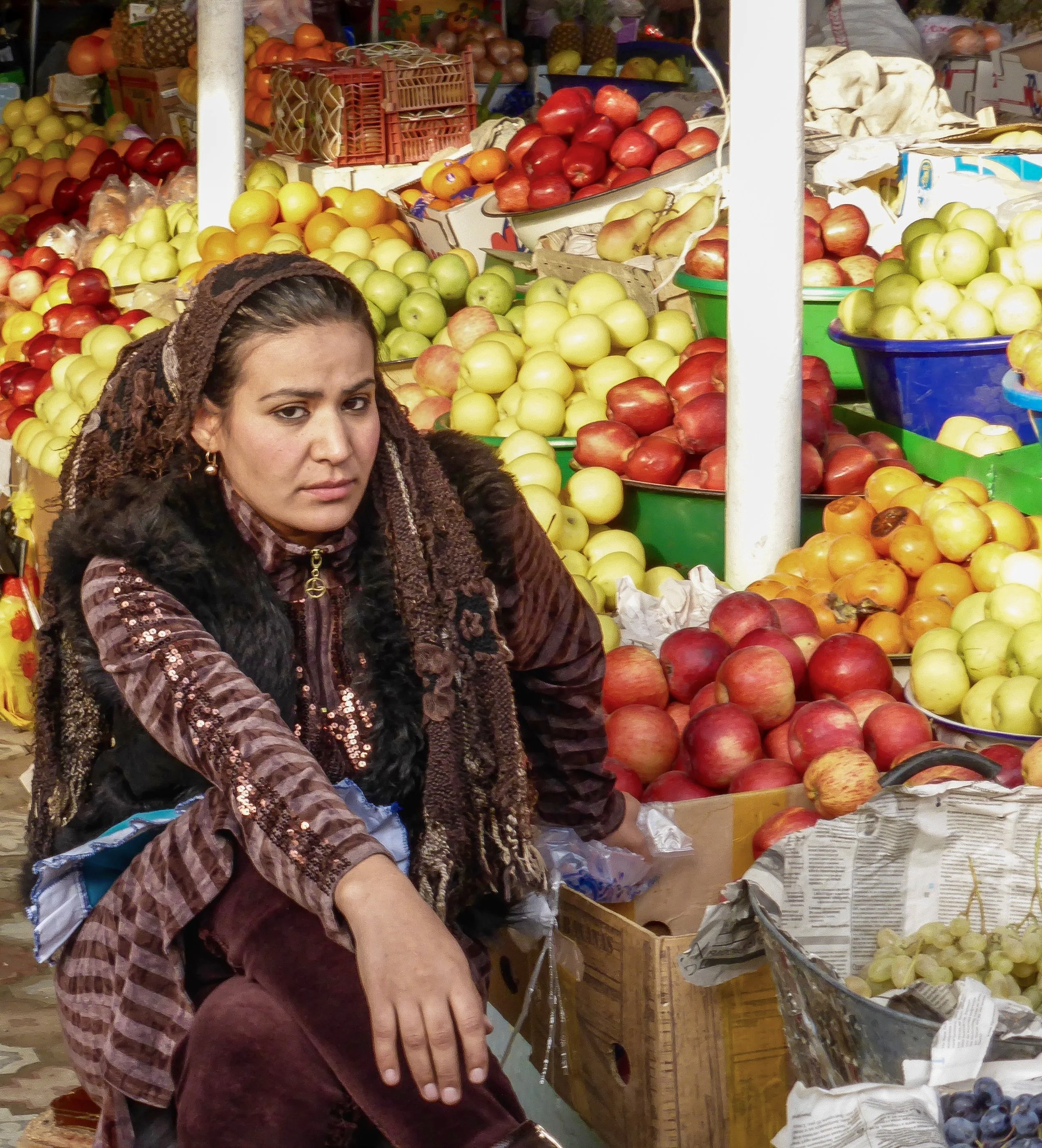
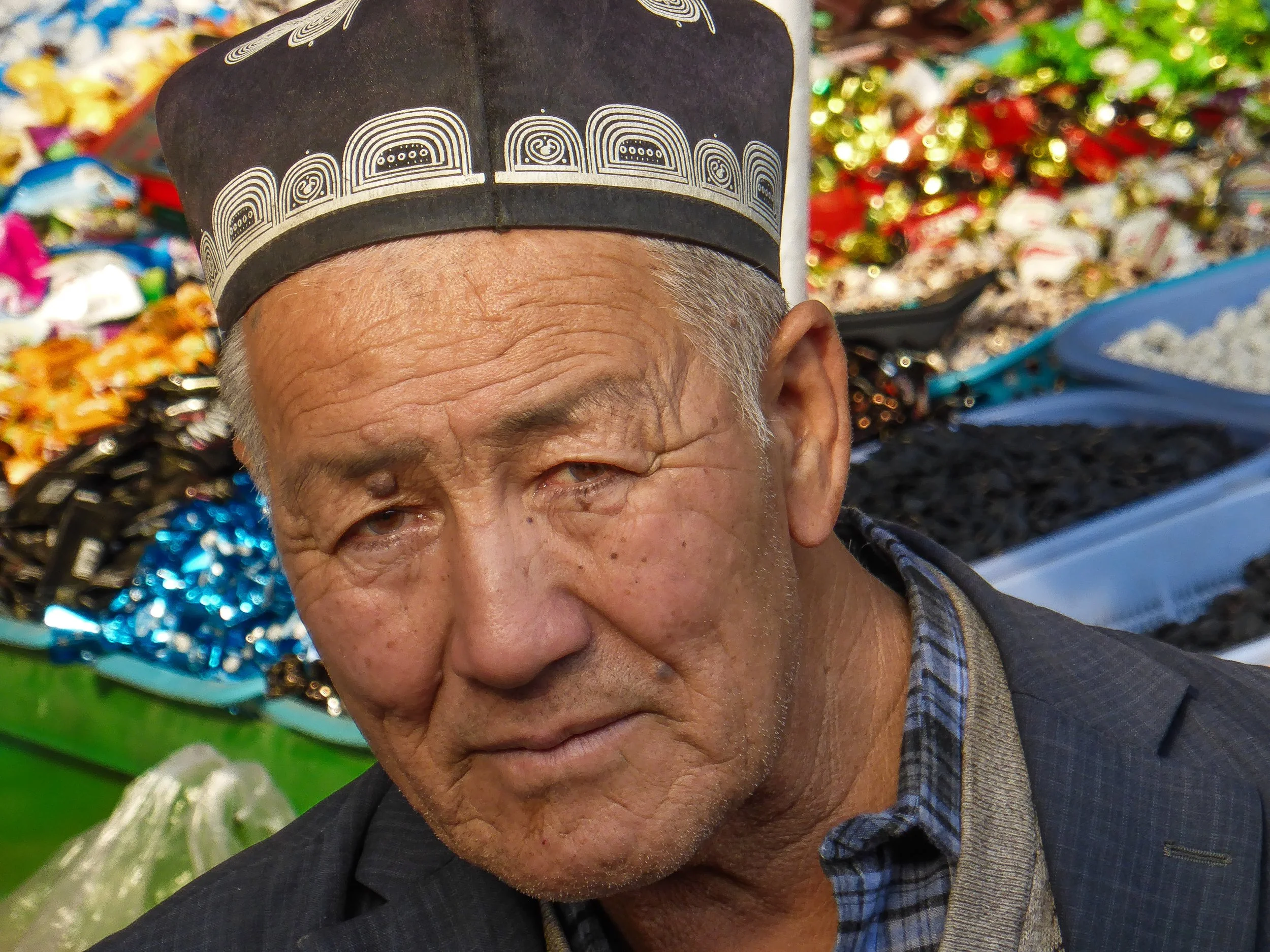
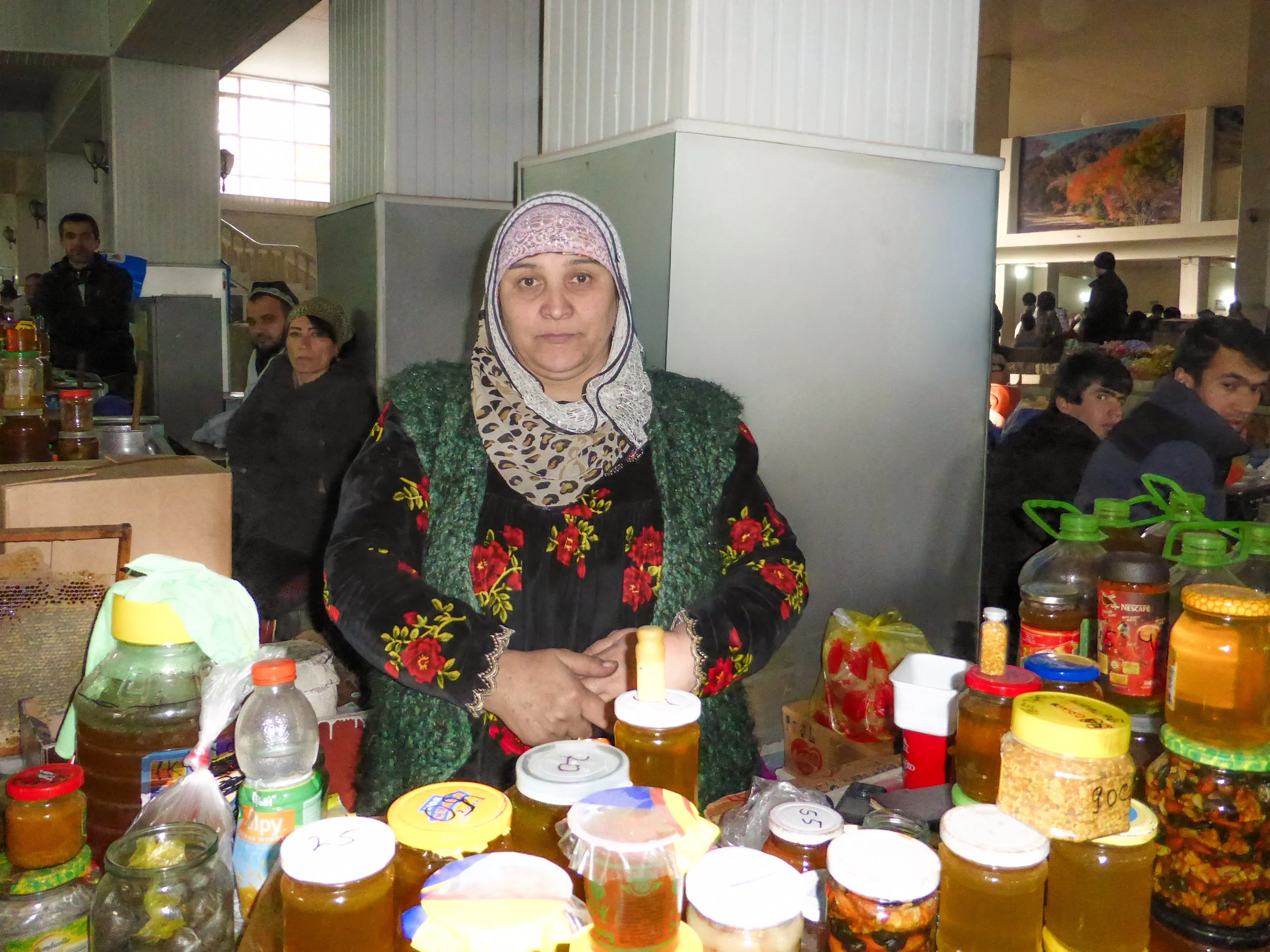
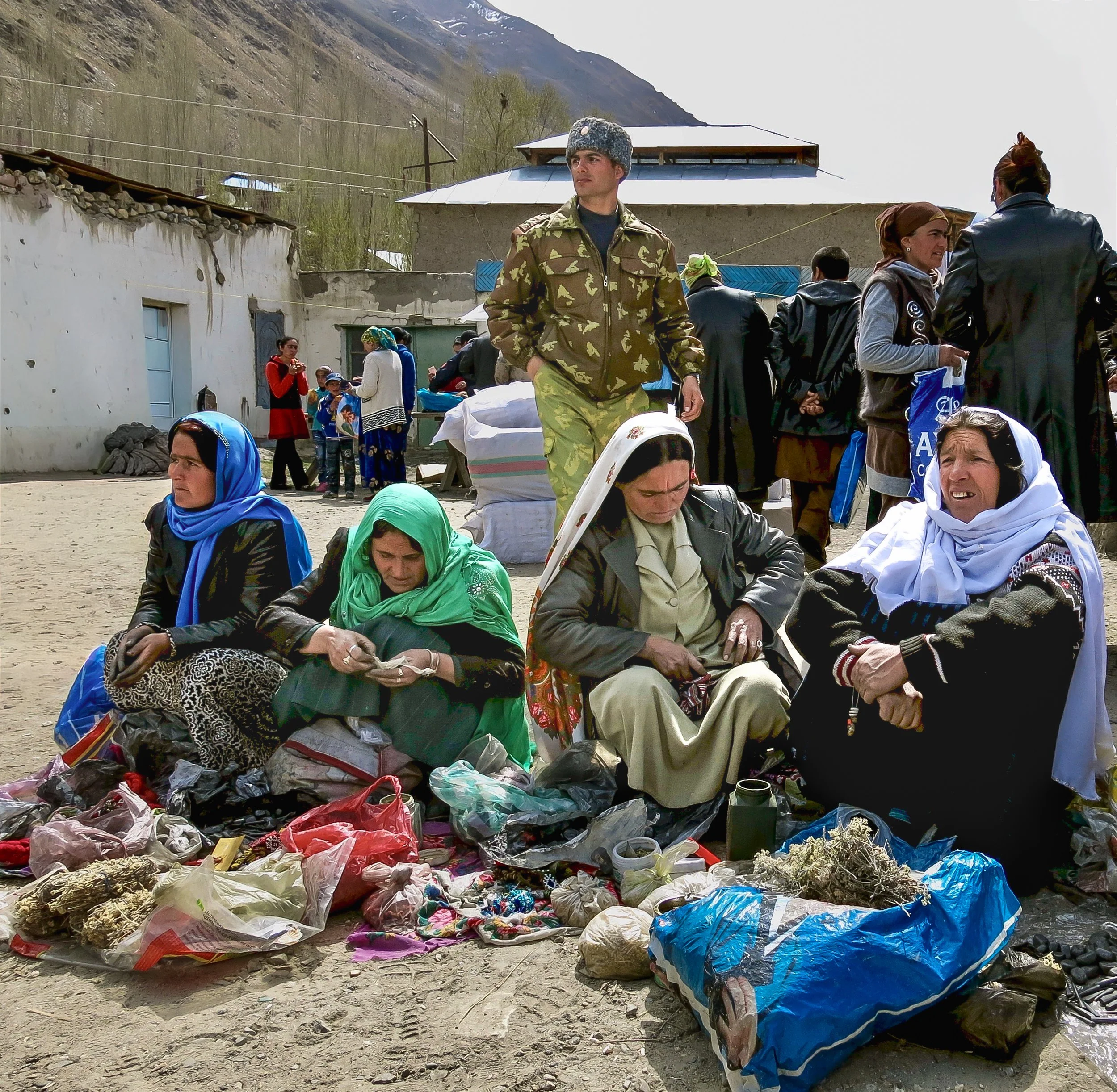
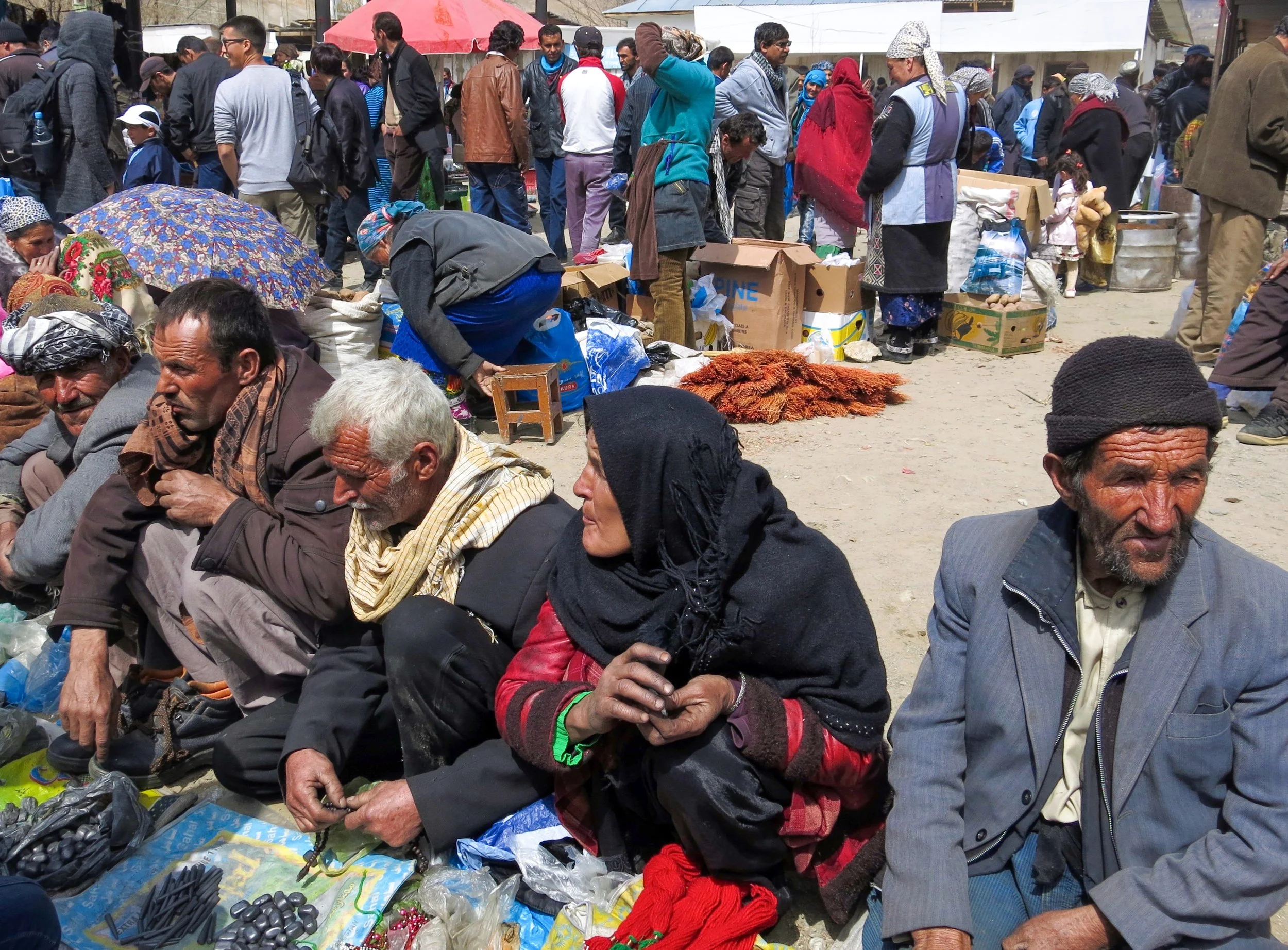
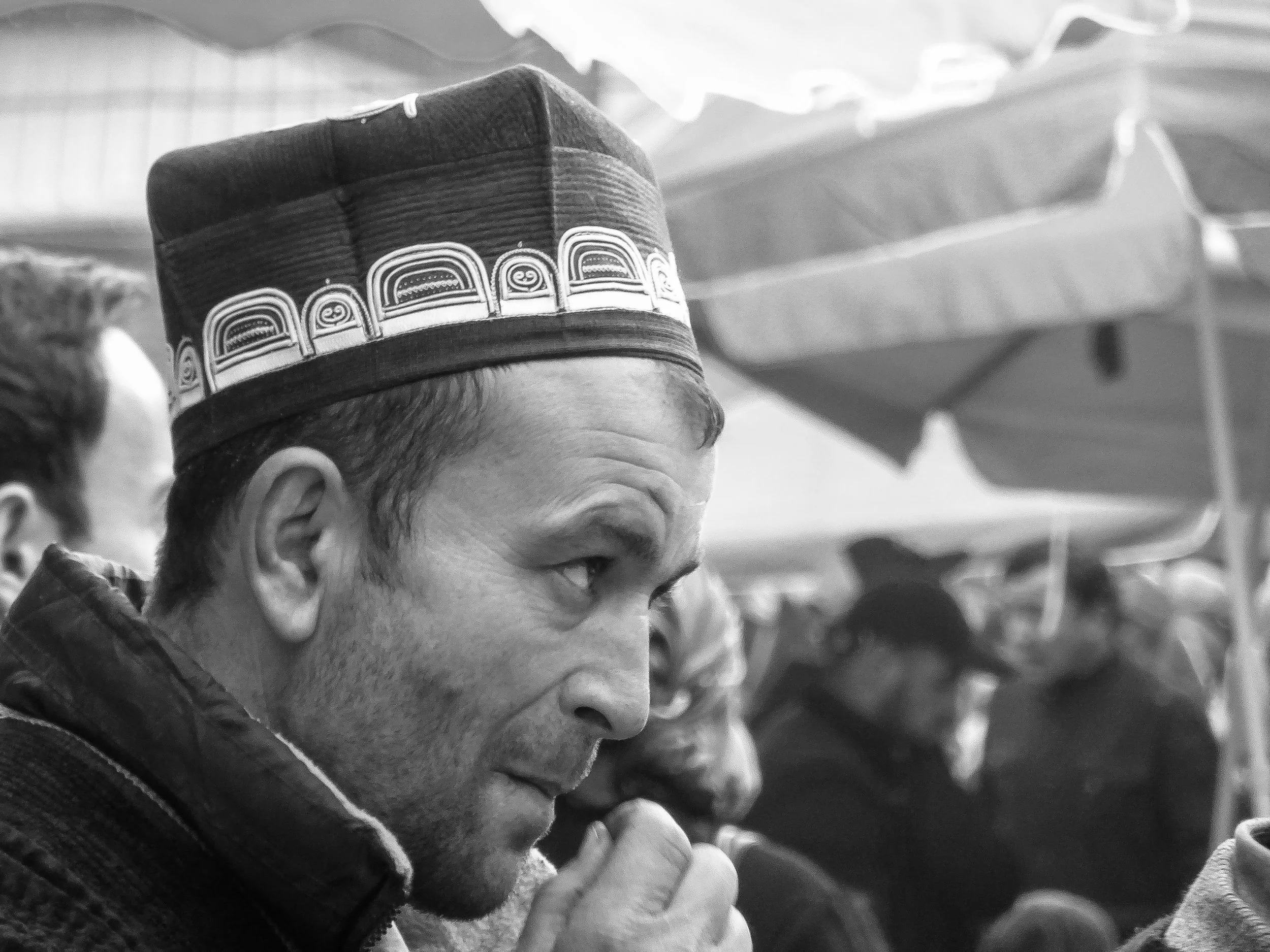
In this wild, southeastern corridor, the landscape is as unforgiving as it is beautiful. My time there allowed me to document two distinct but equally resilient spirits:
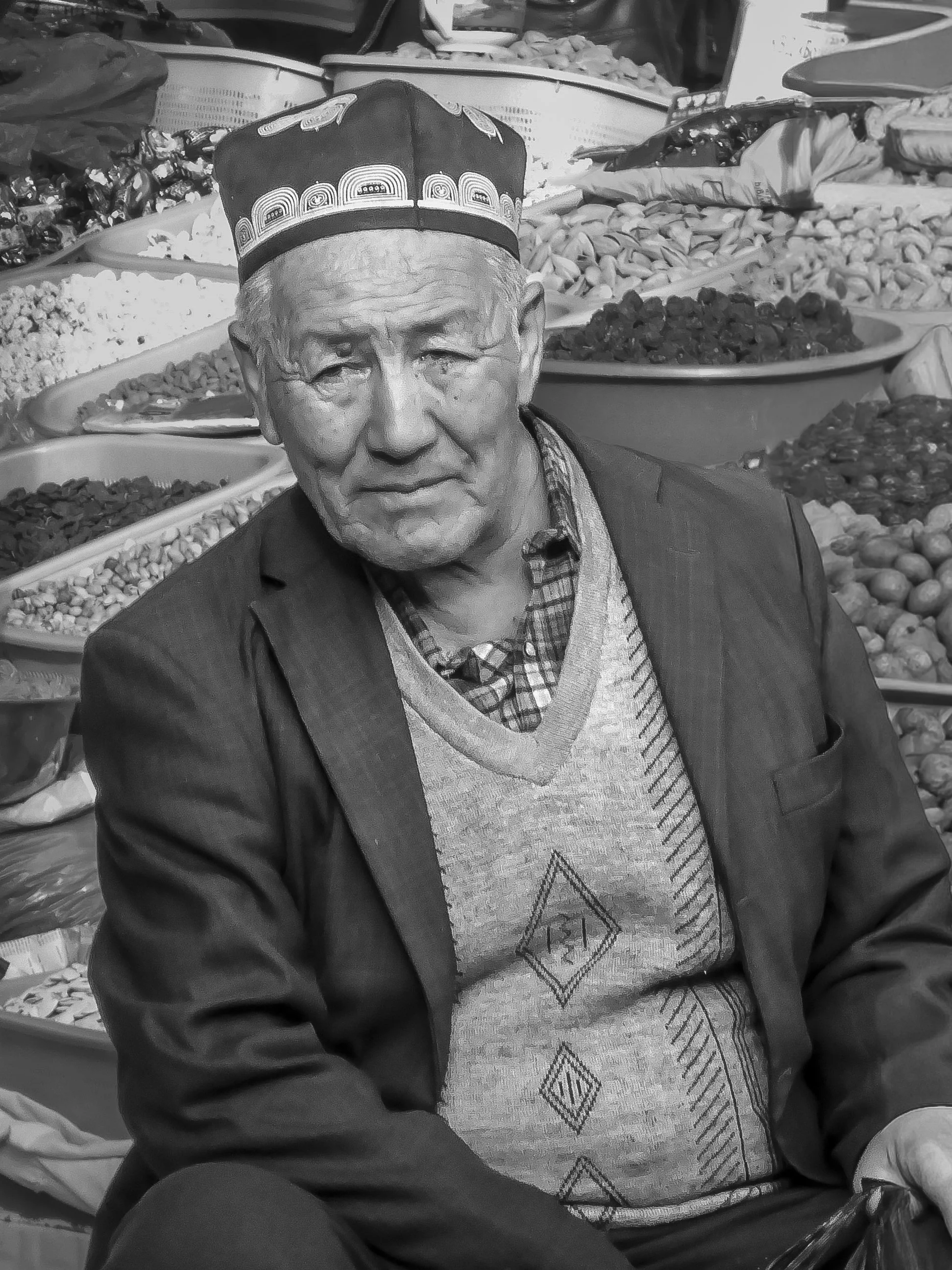
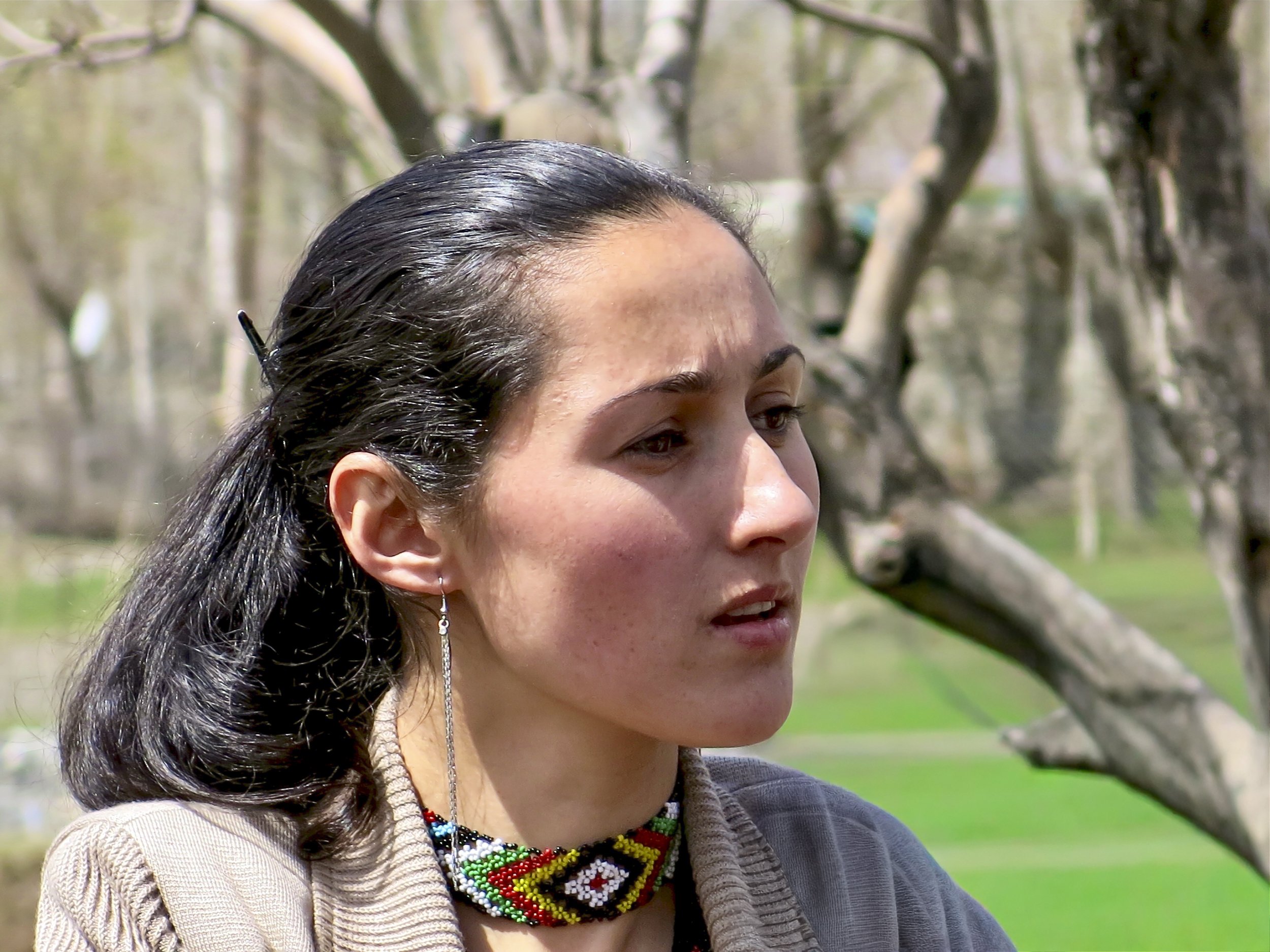
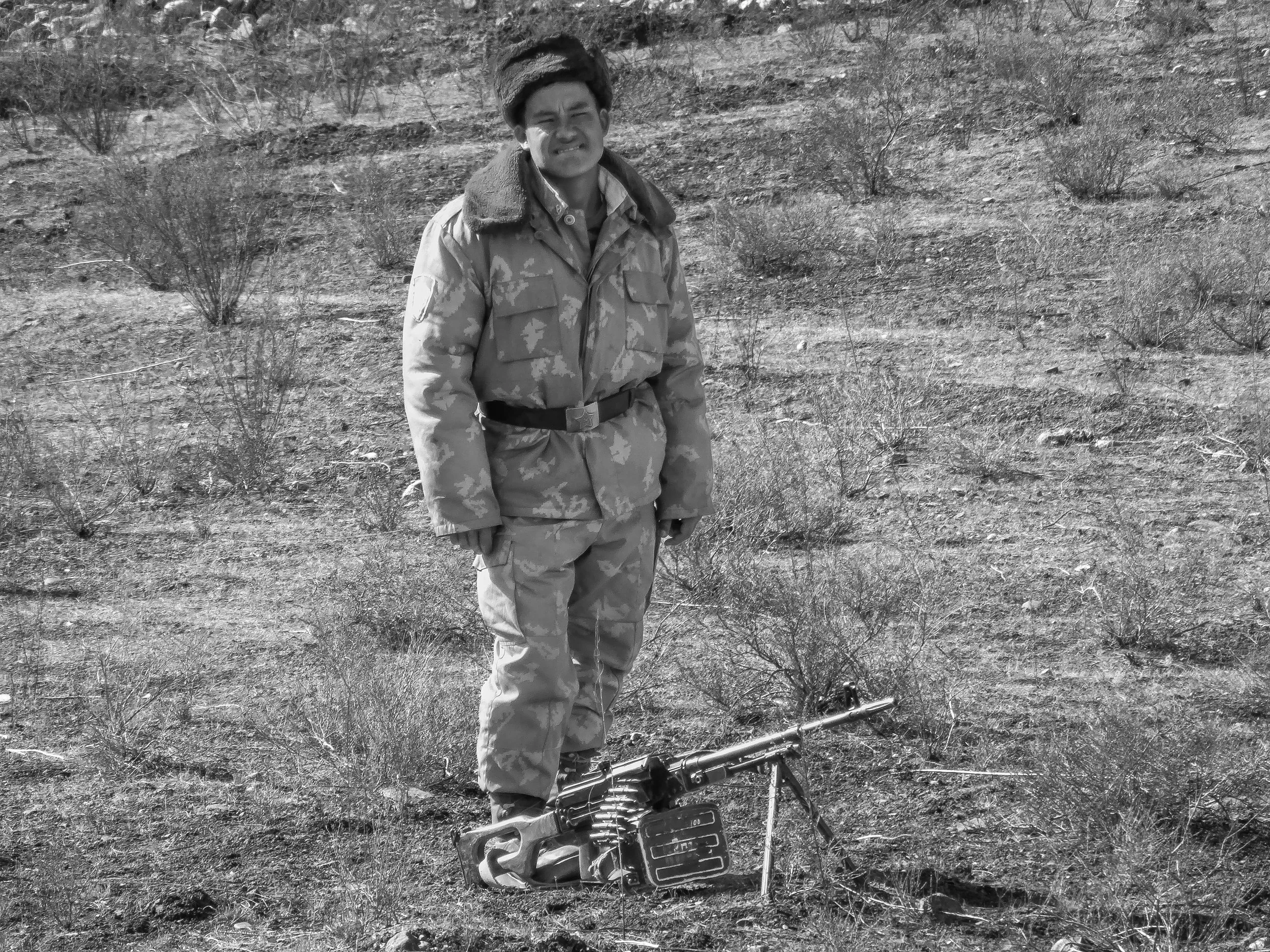
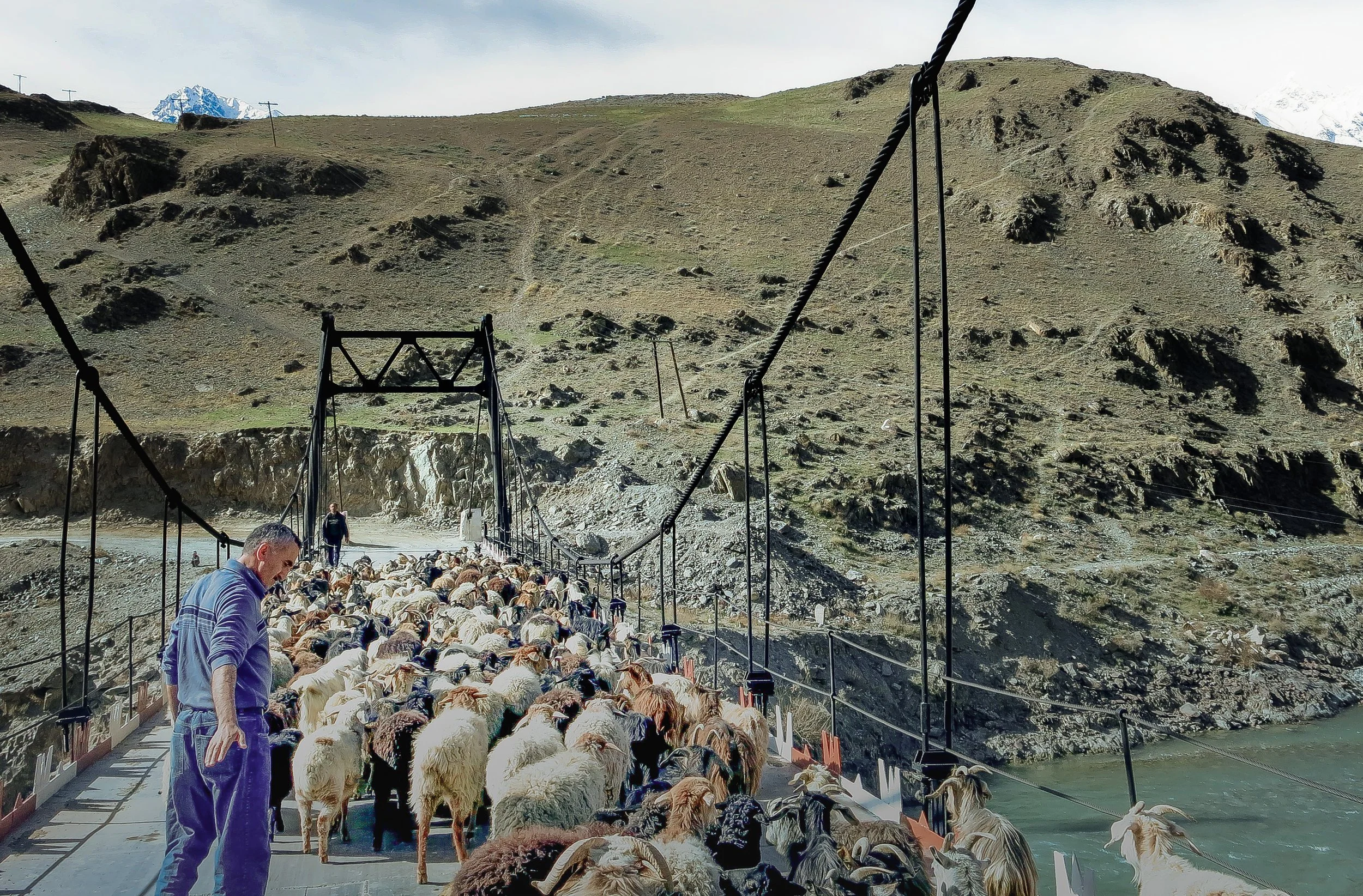
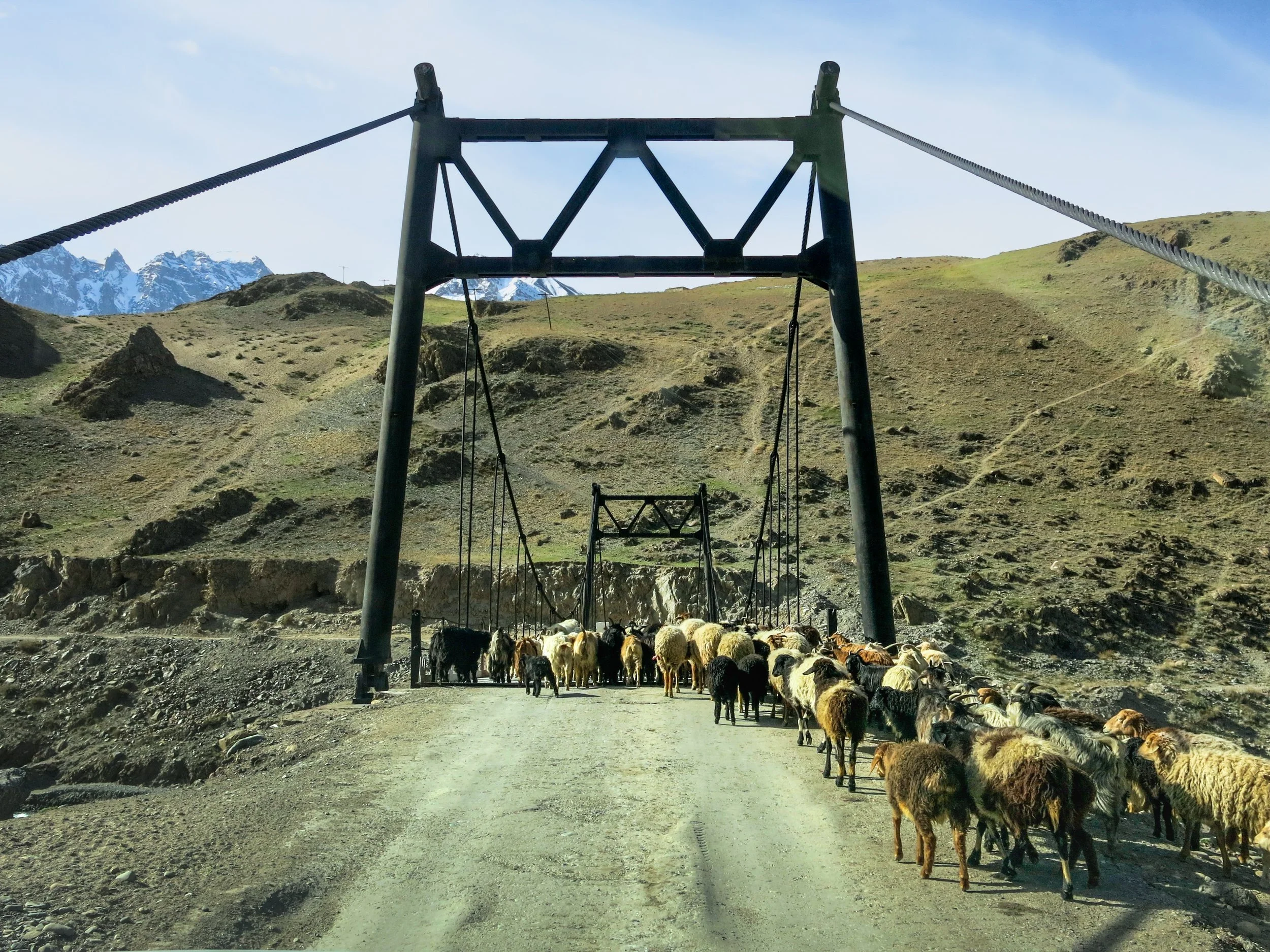
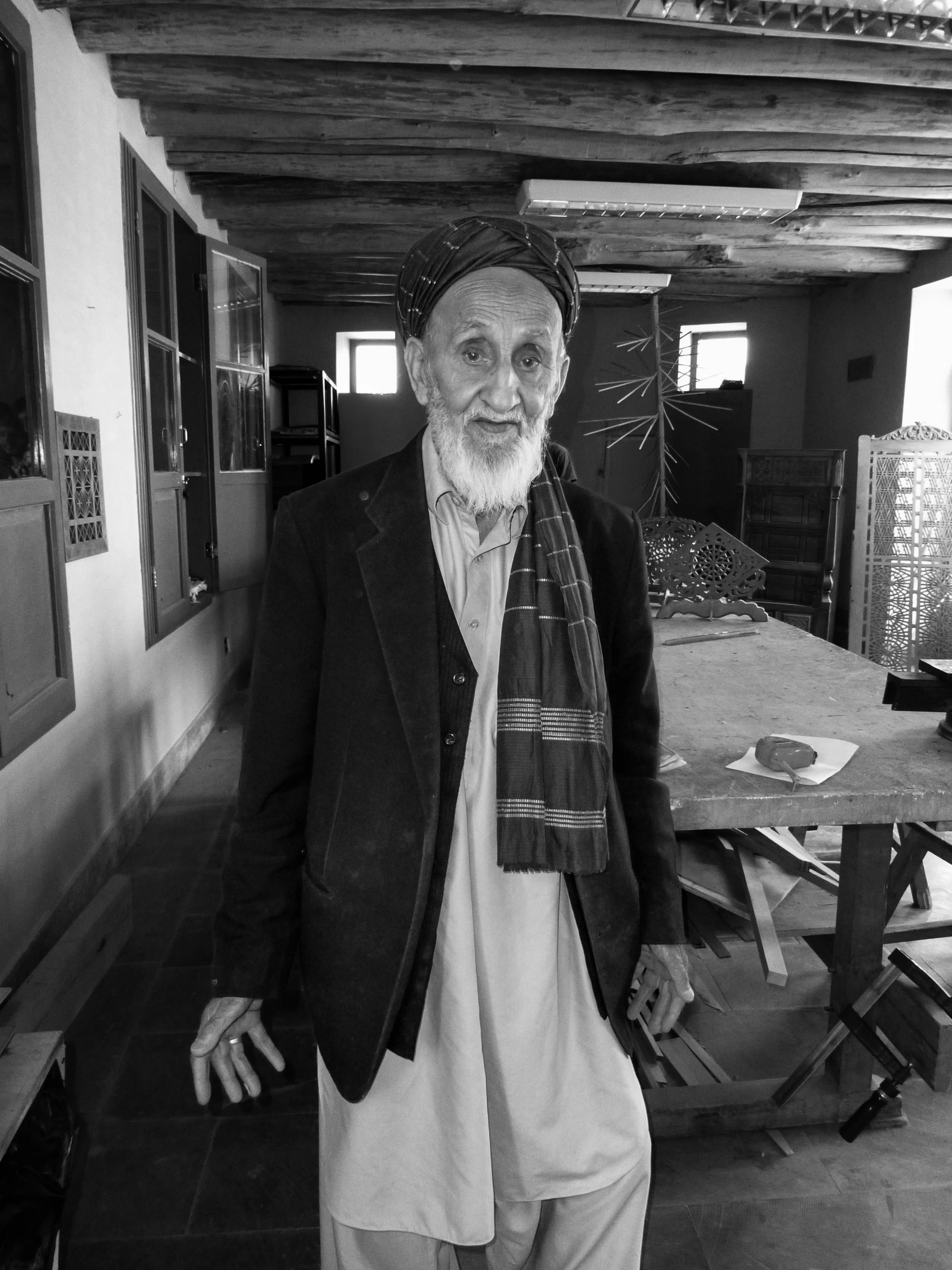
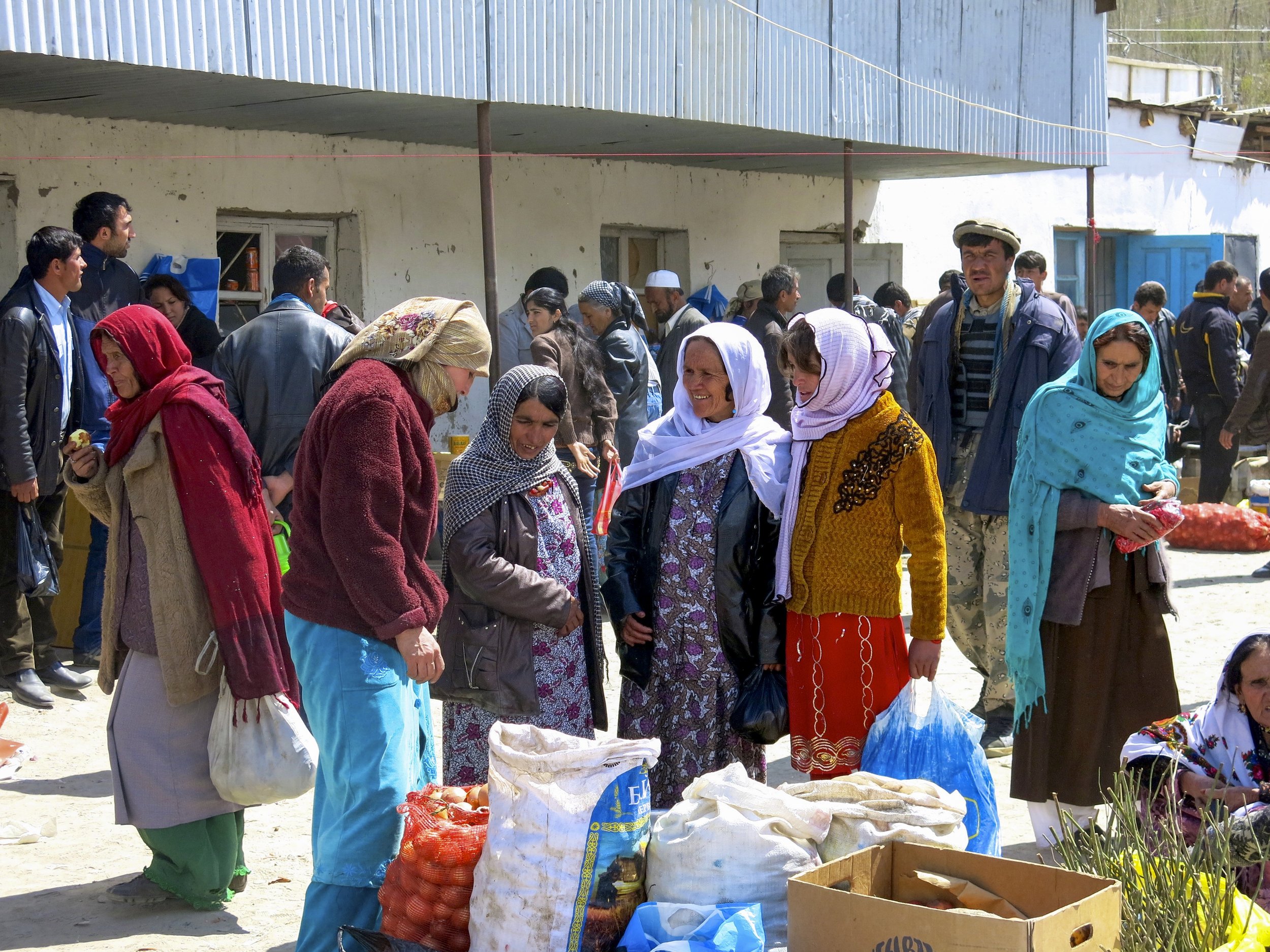
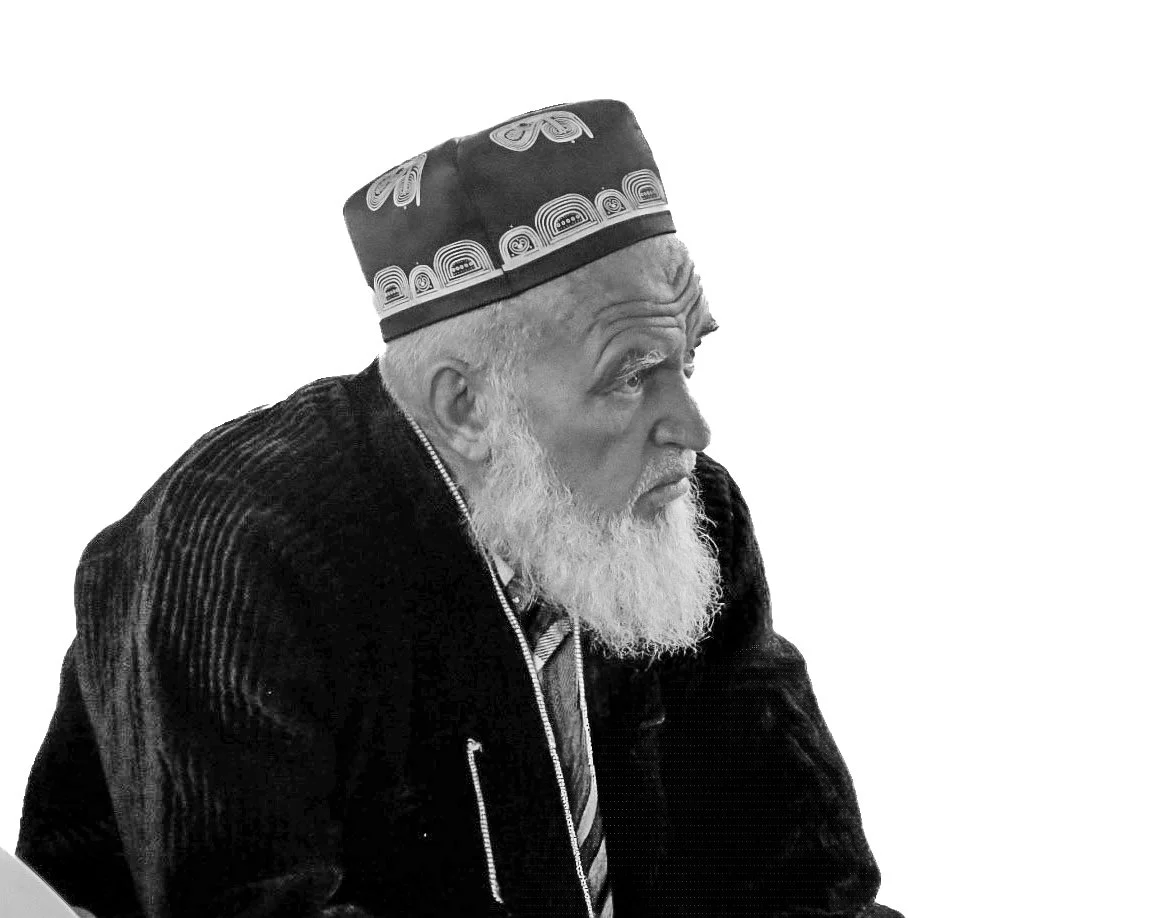
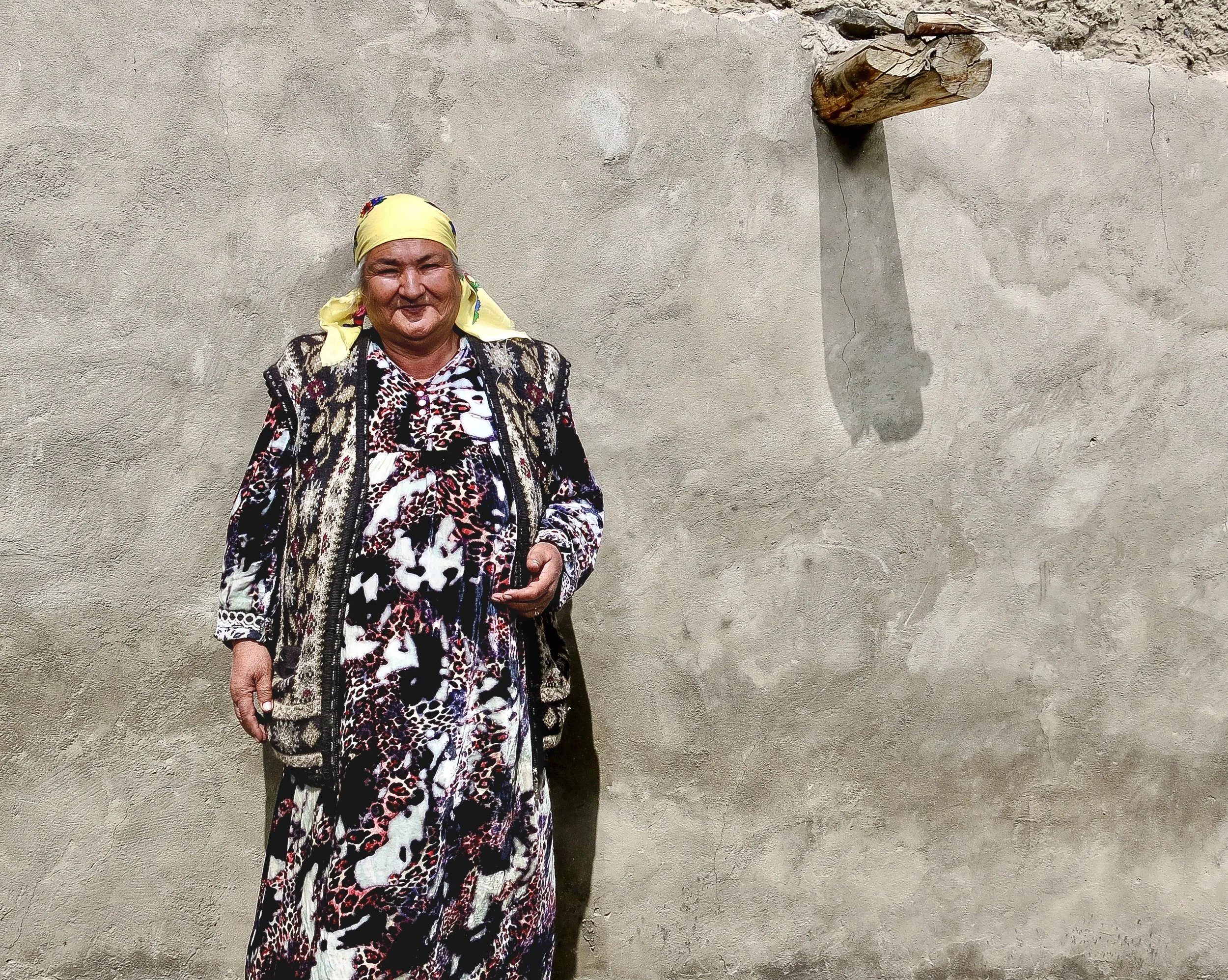
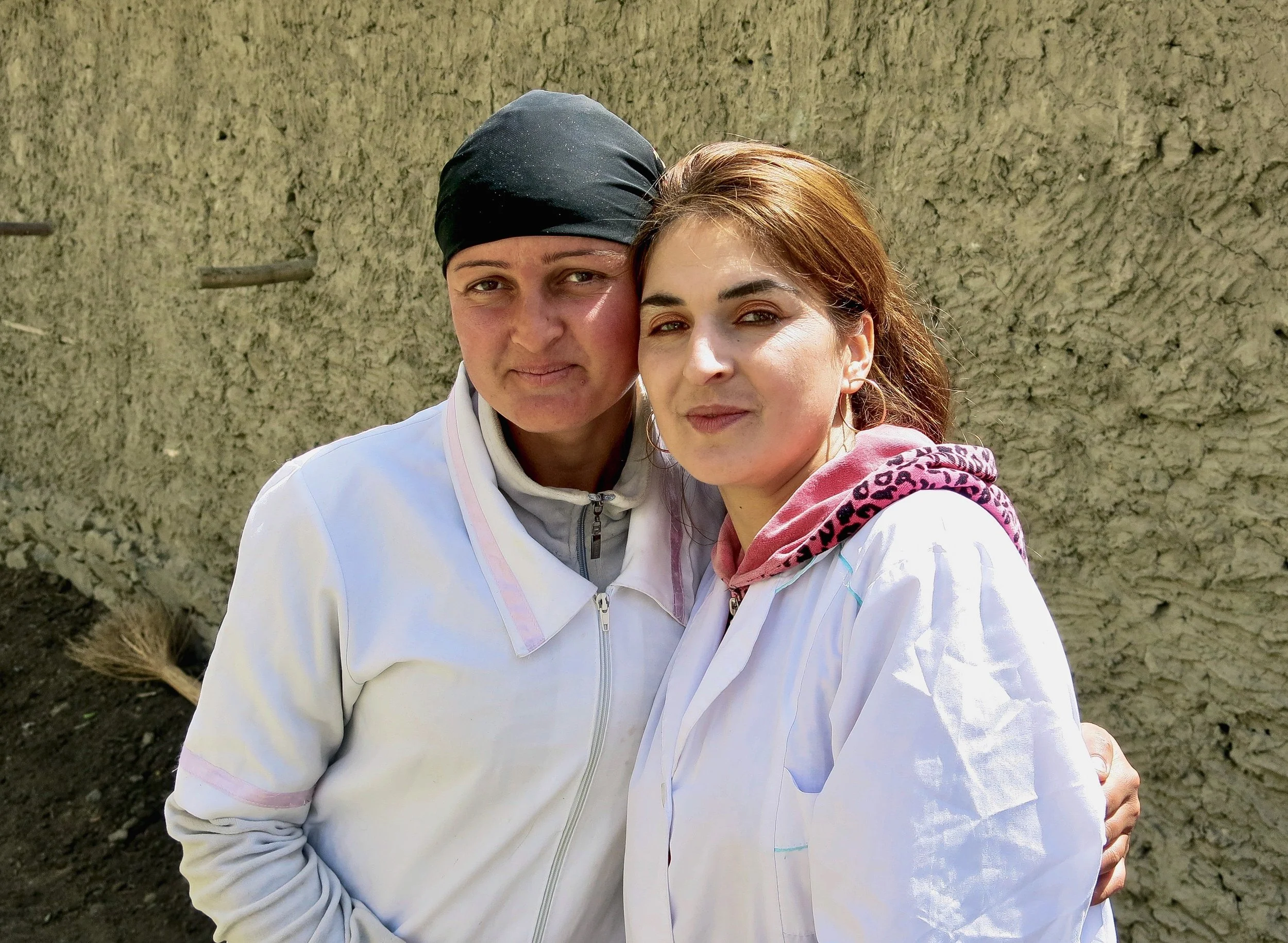
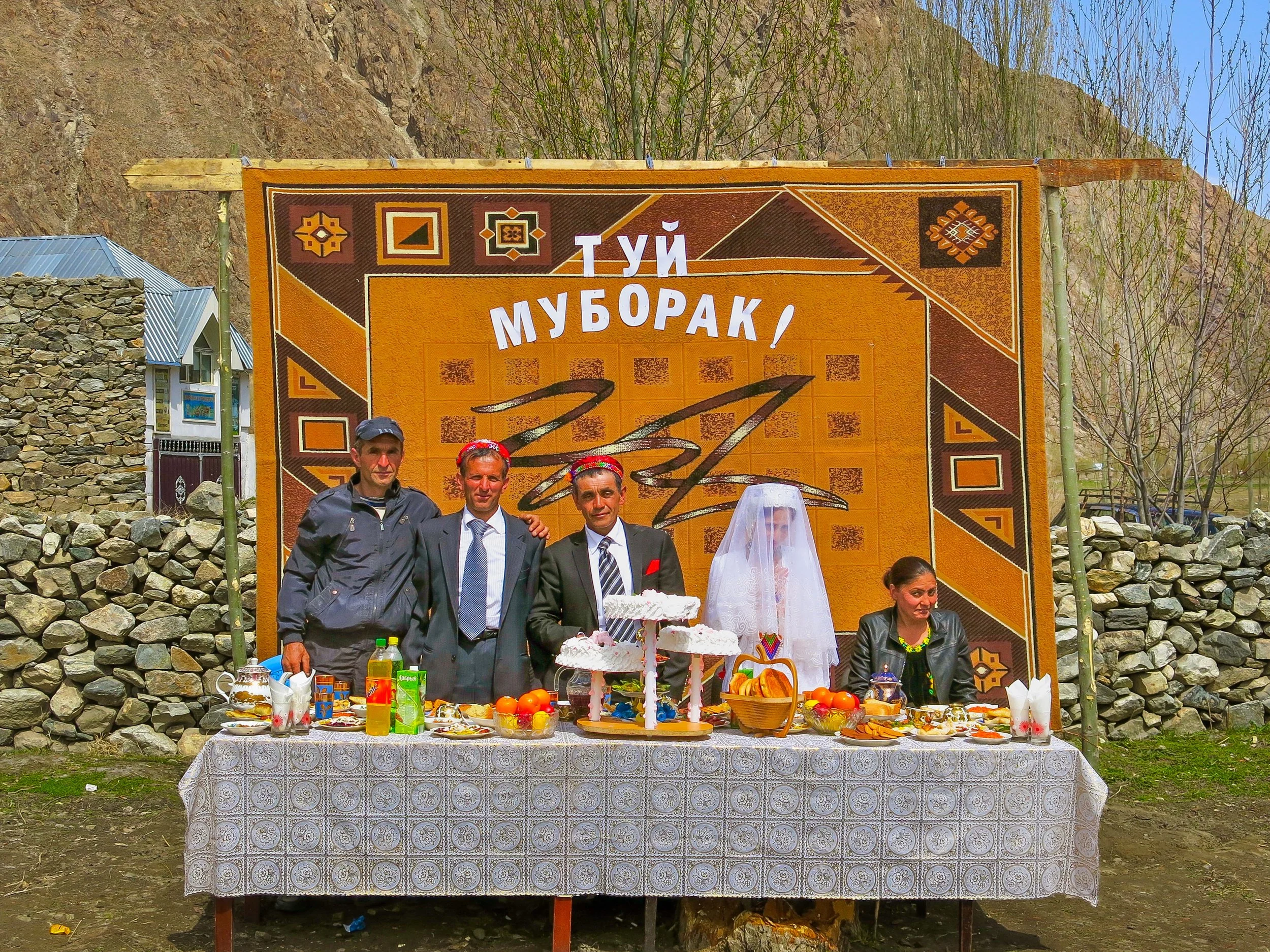
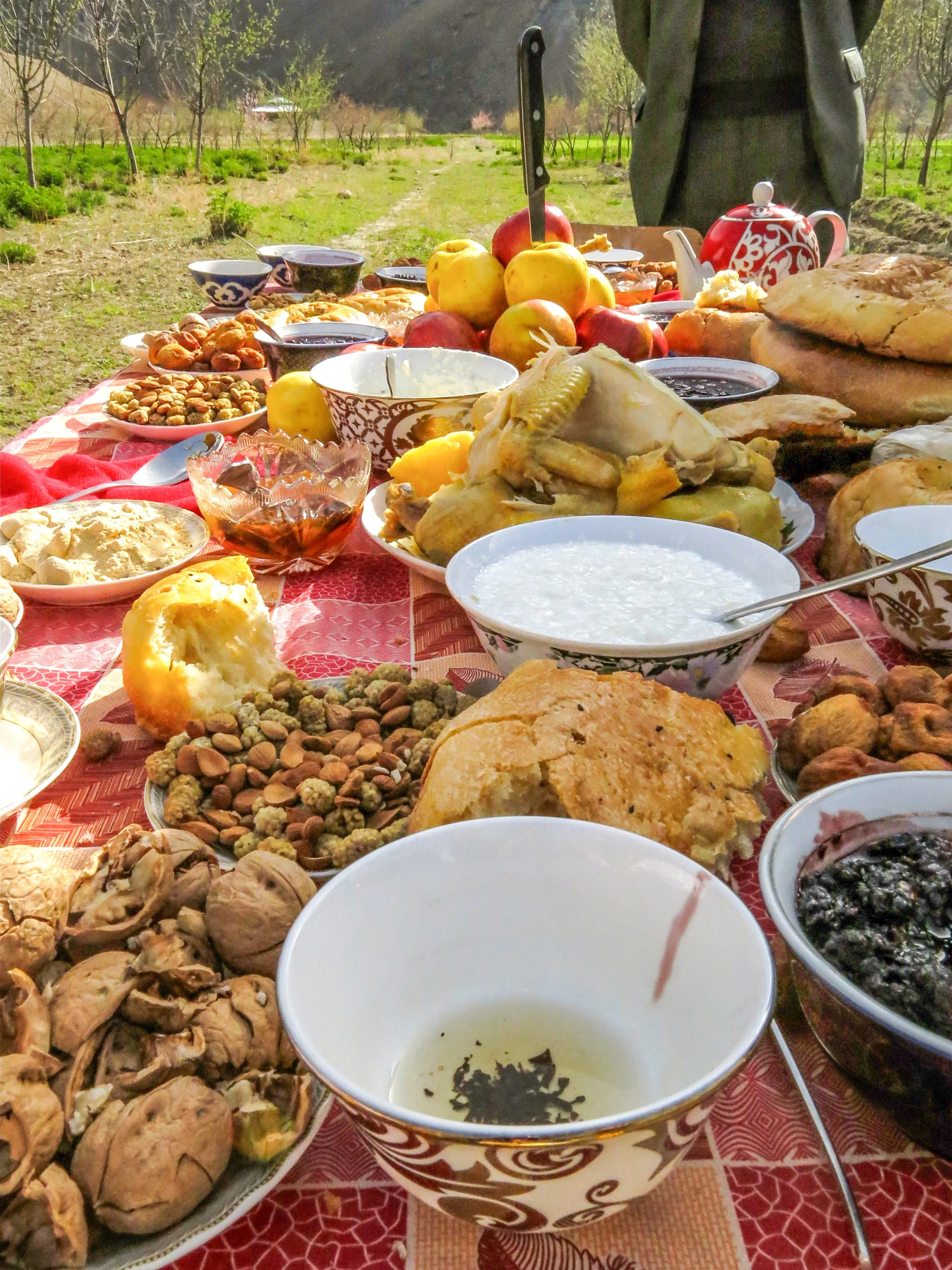
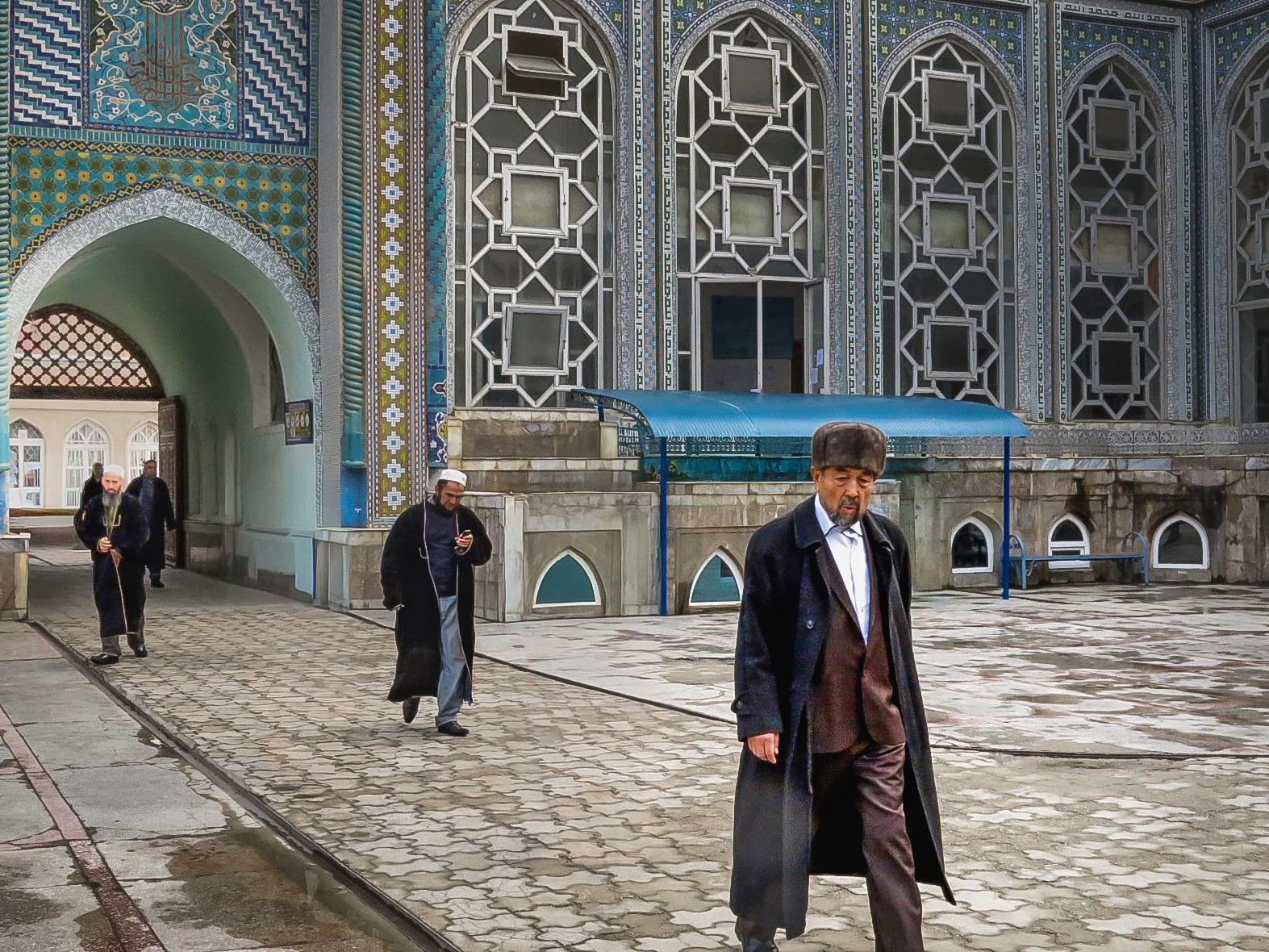
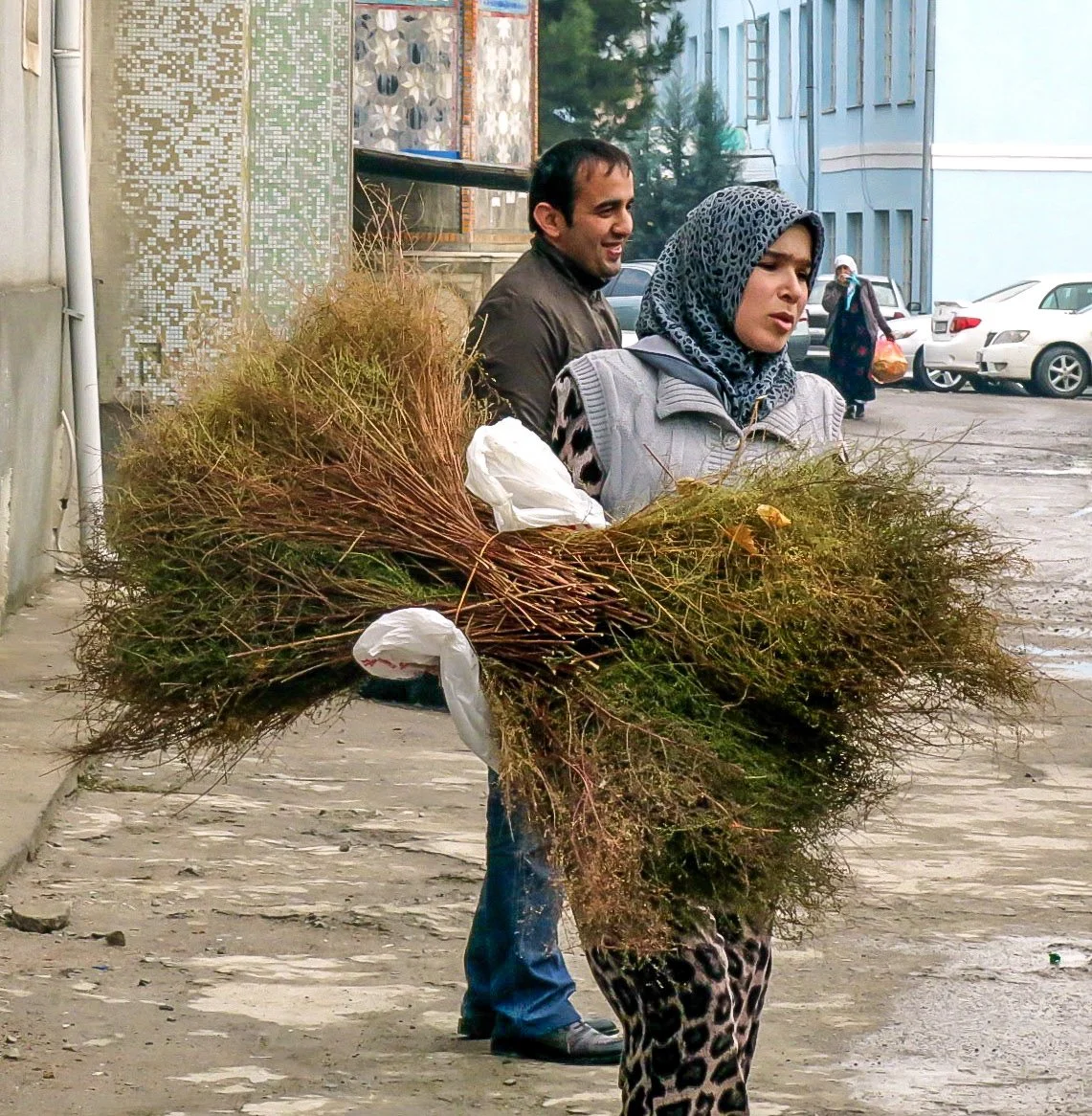
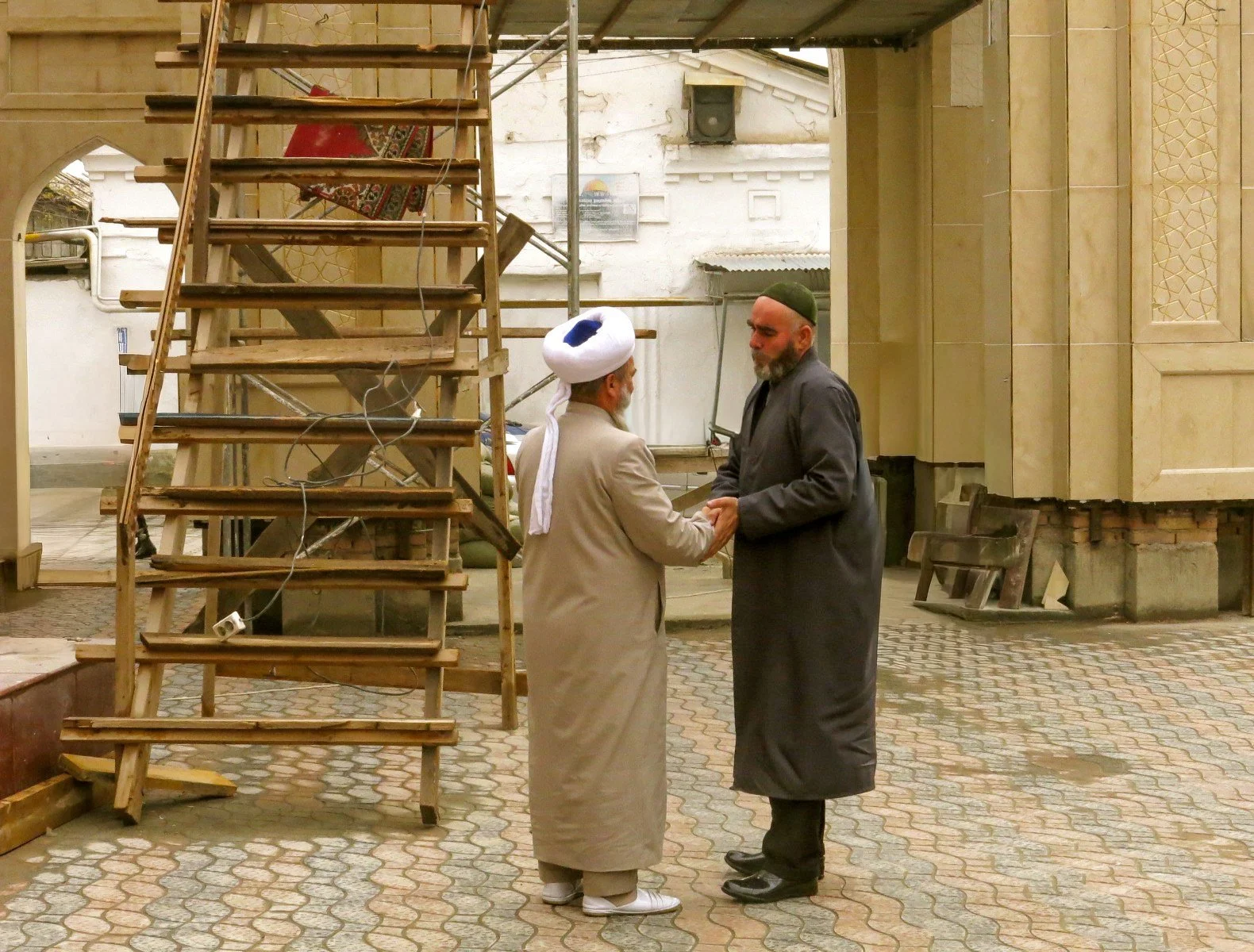
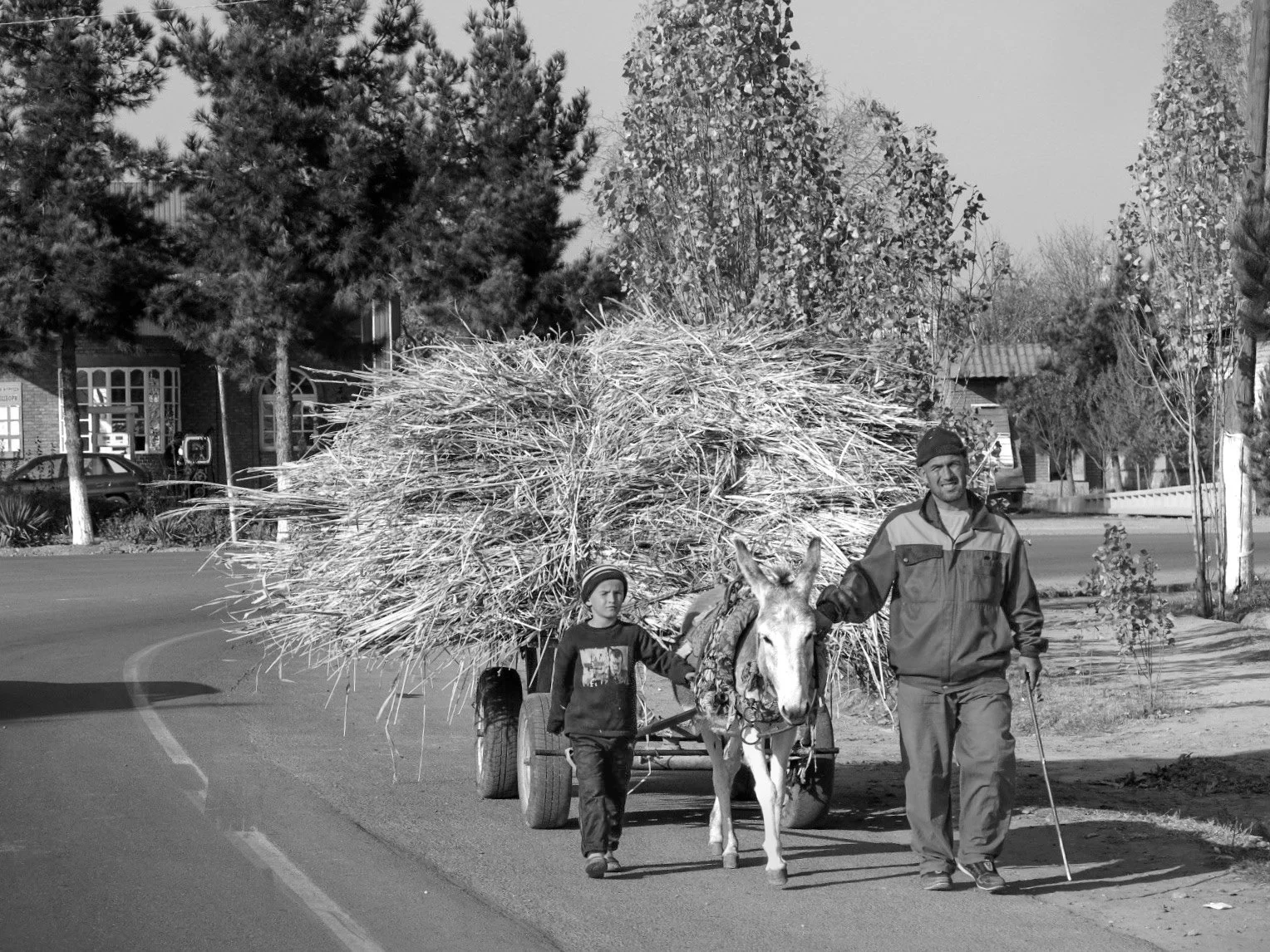
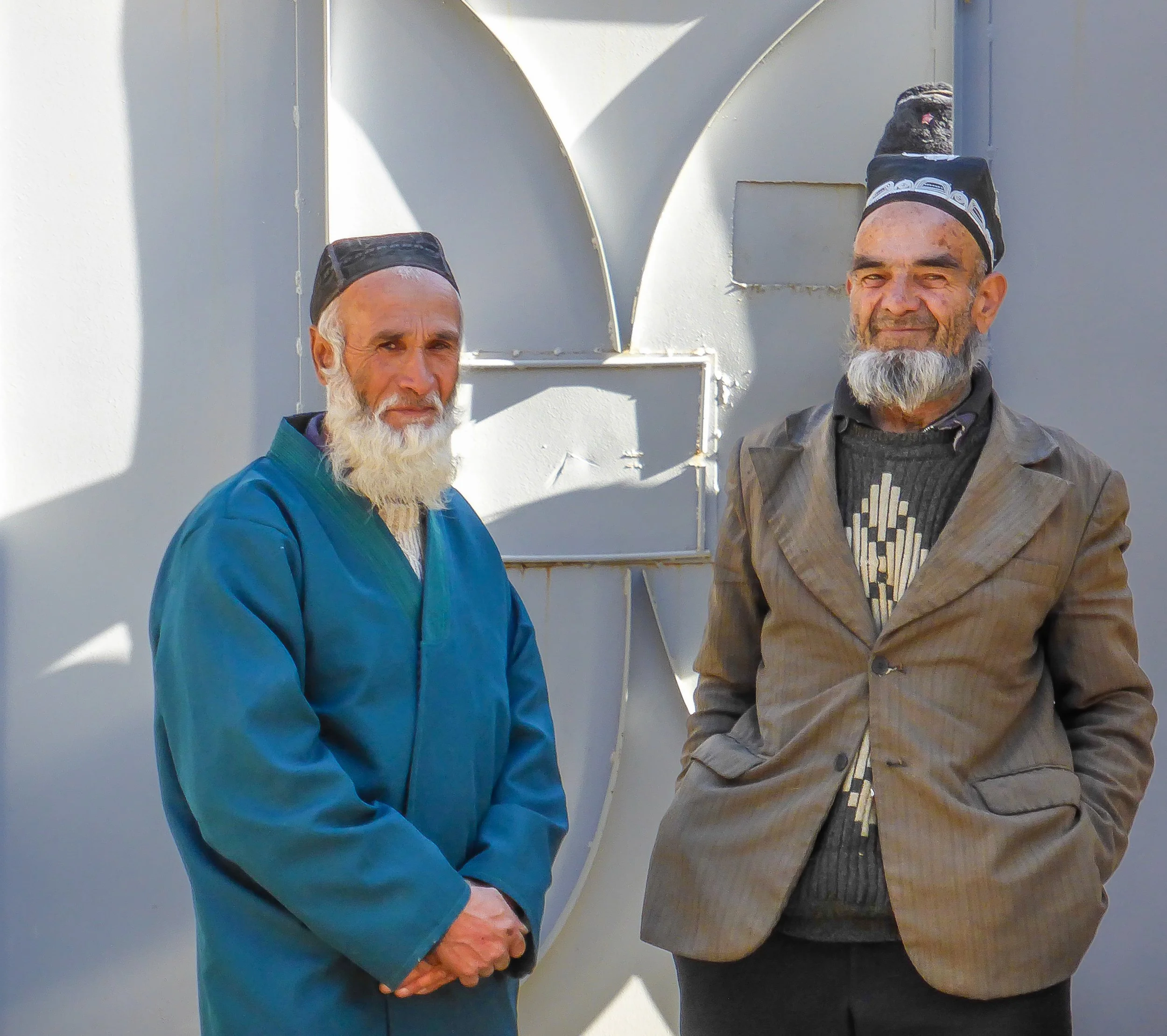
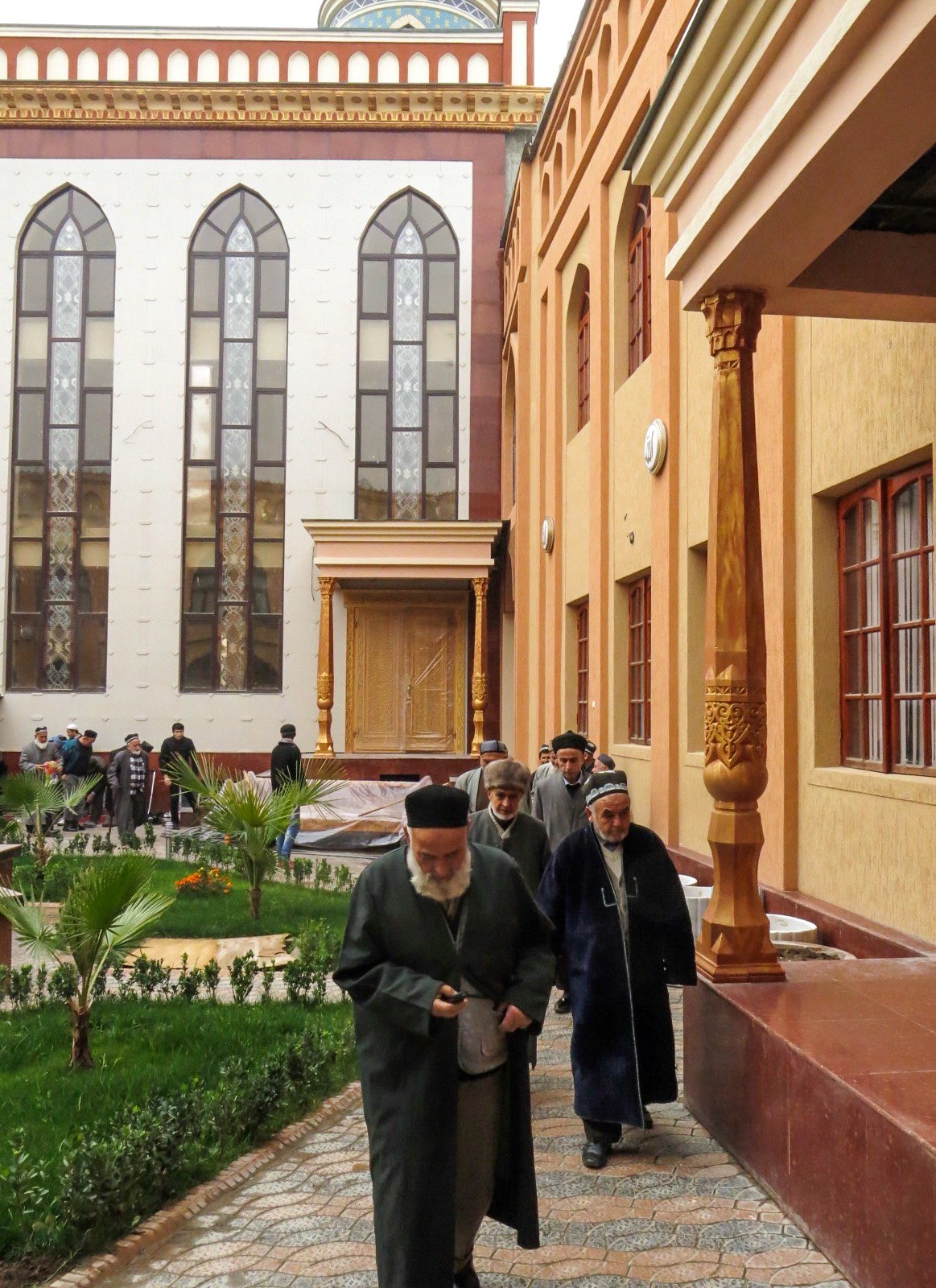
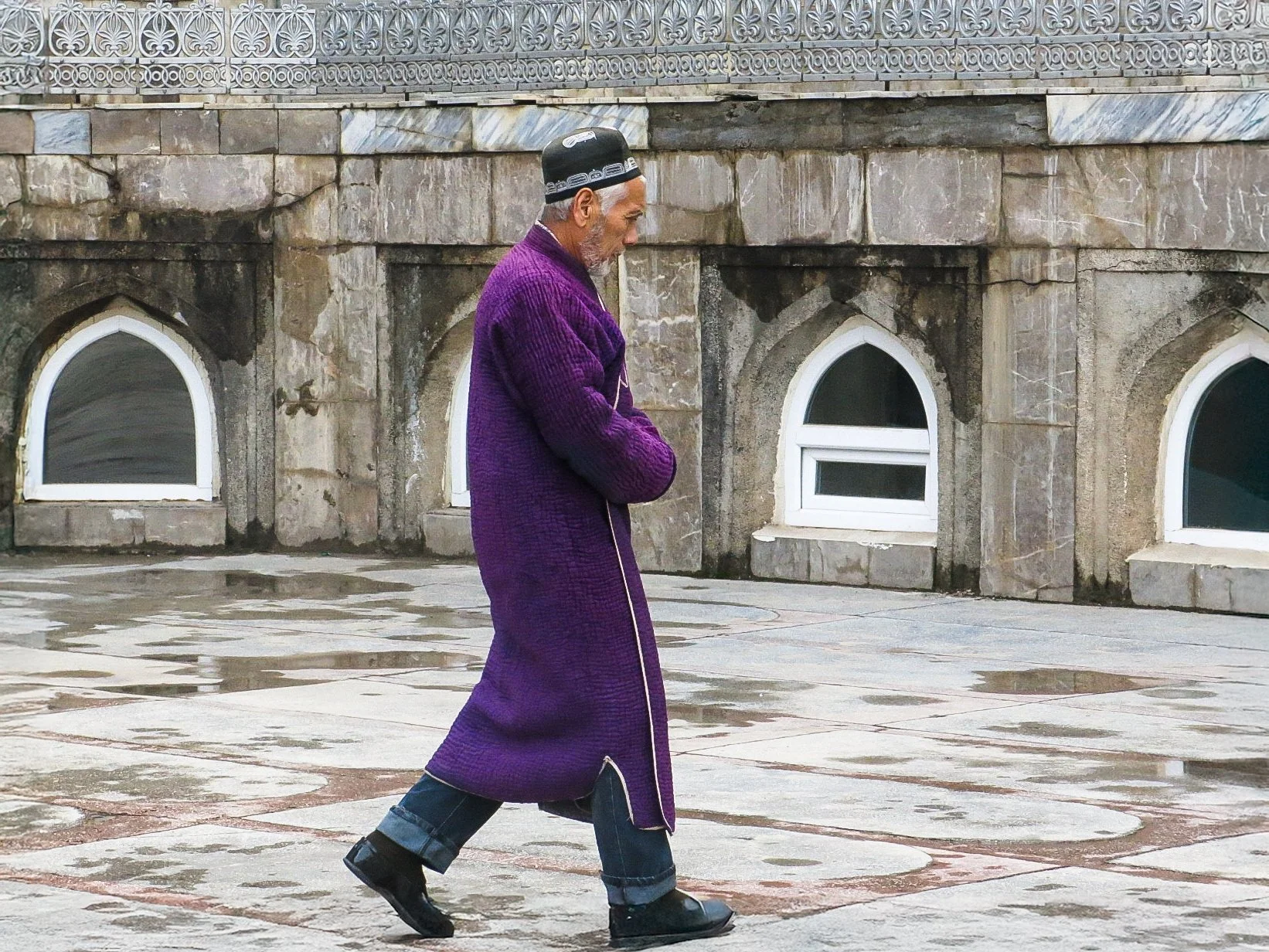
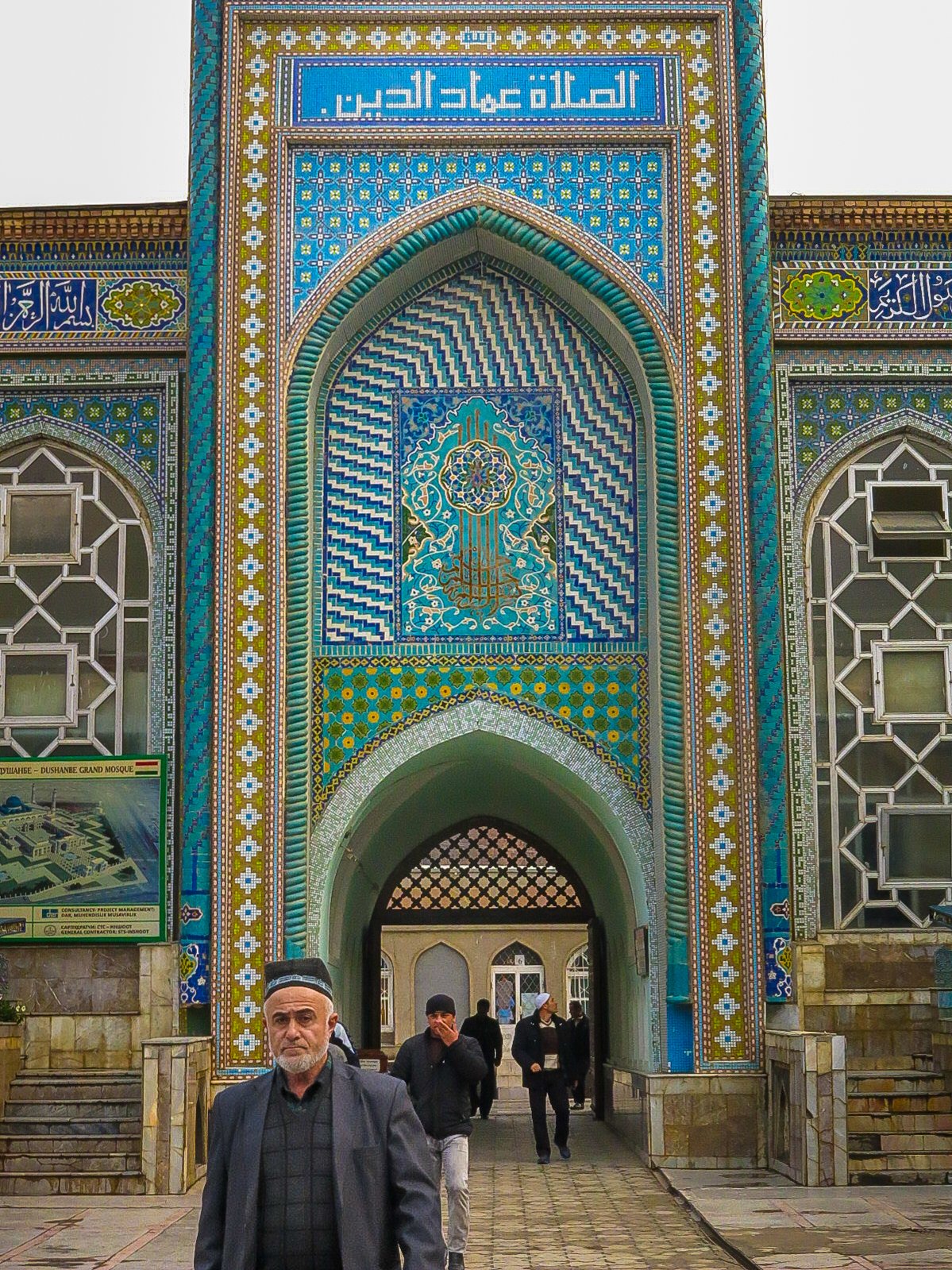
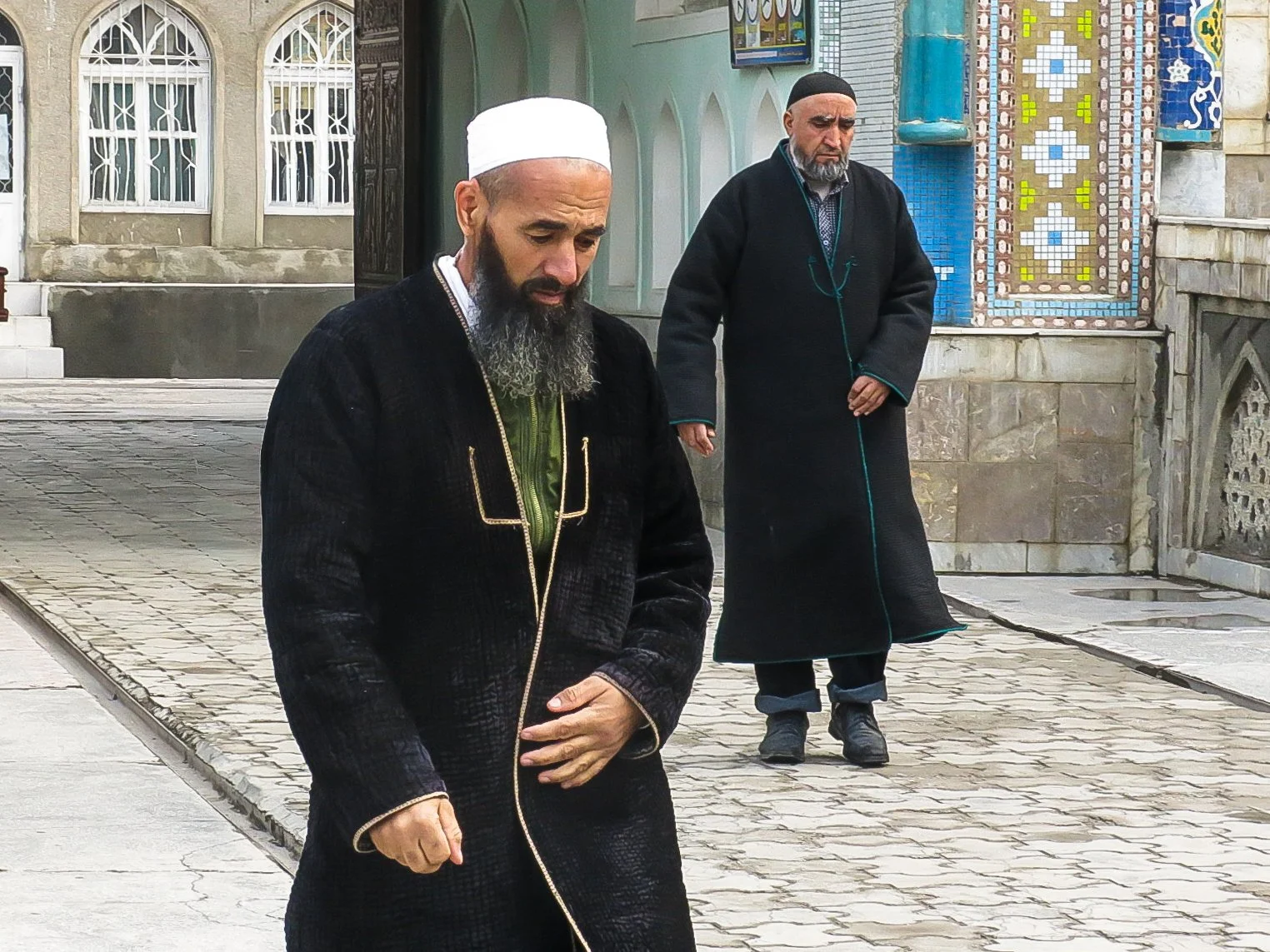
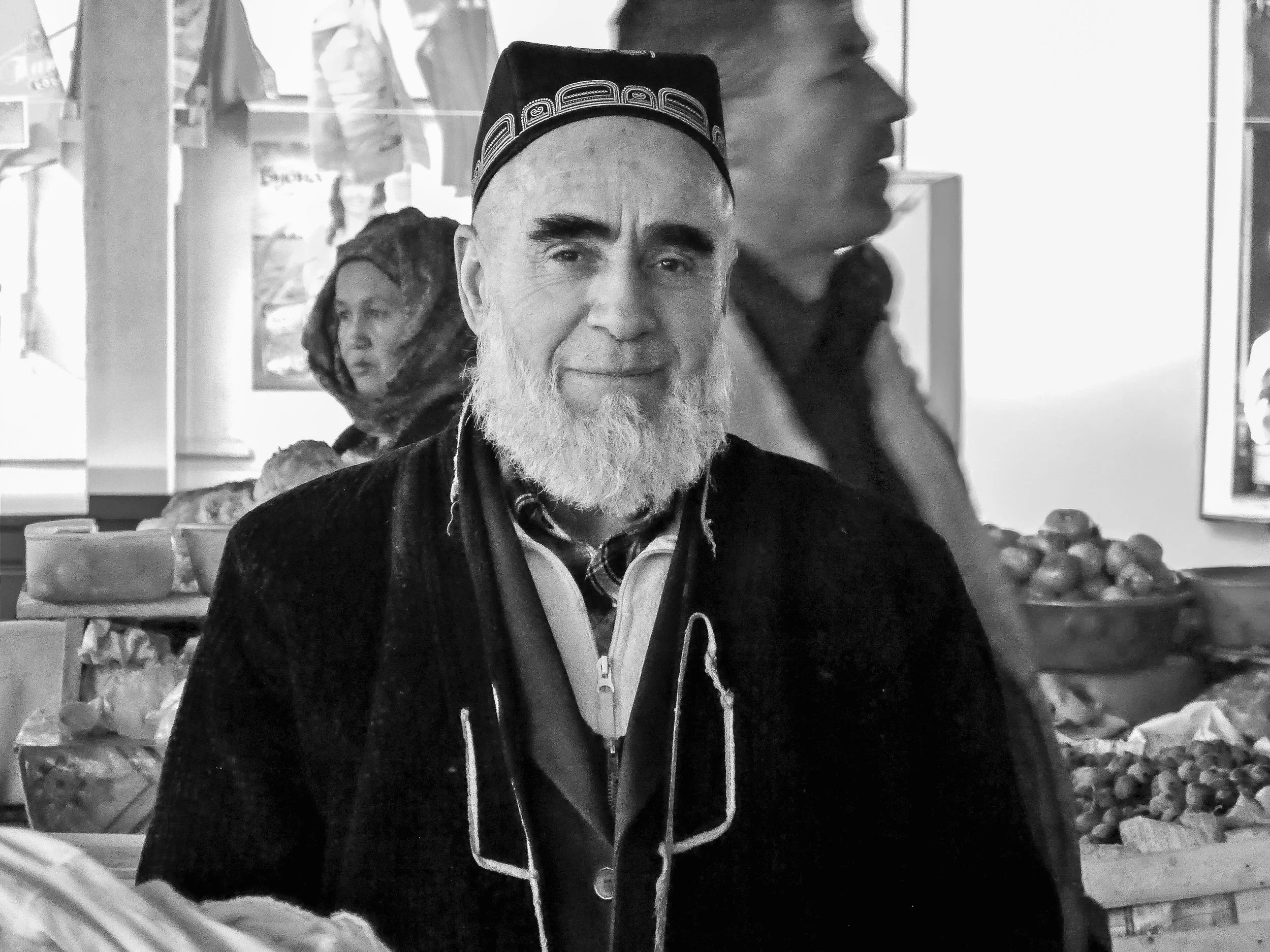
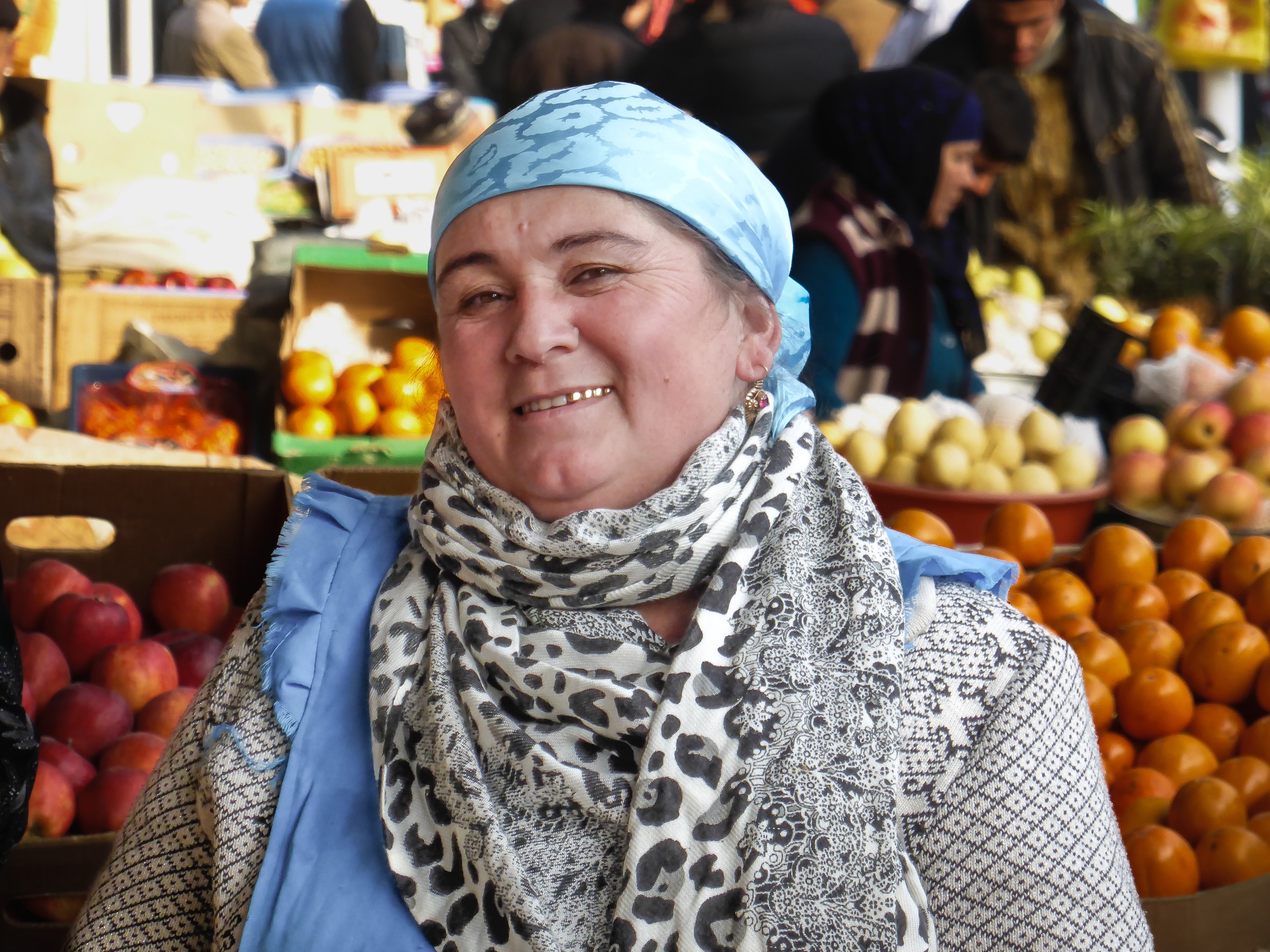
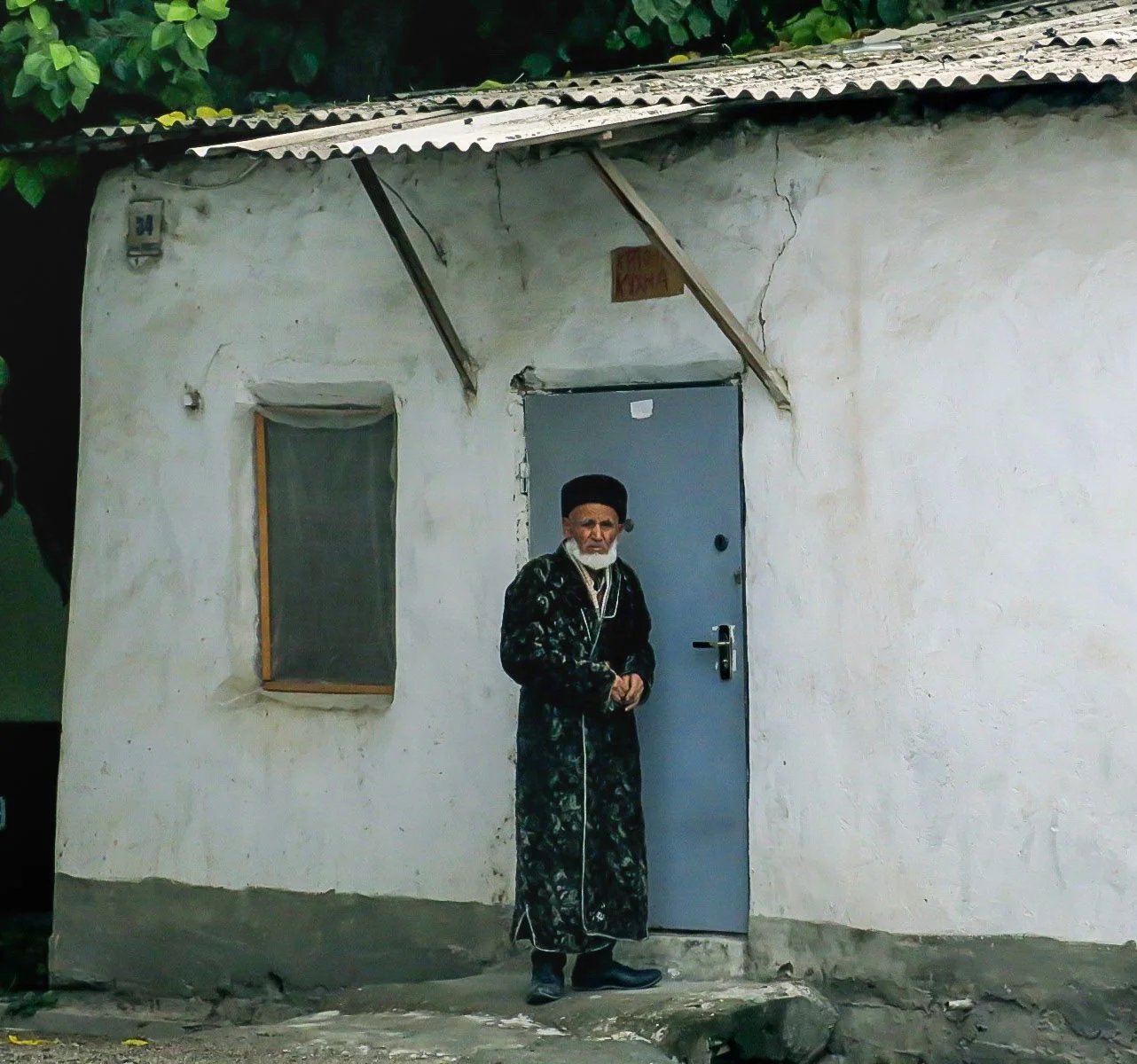
The Tajiks: Whose hospitality and serene nature offered a striking contrast to the harshness of the high-altitude climate.
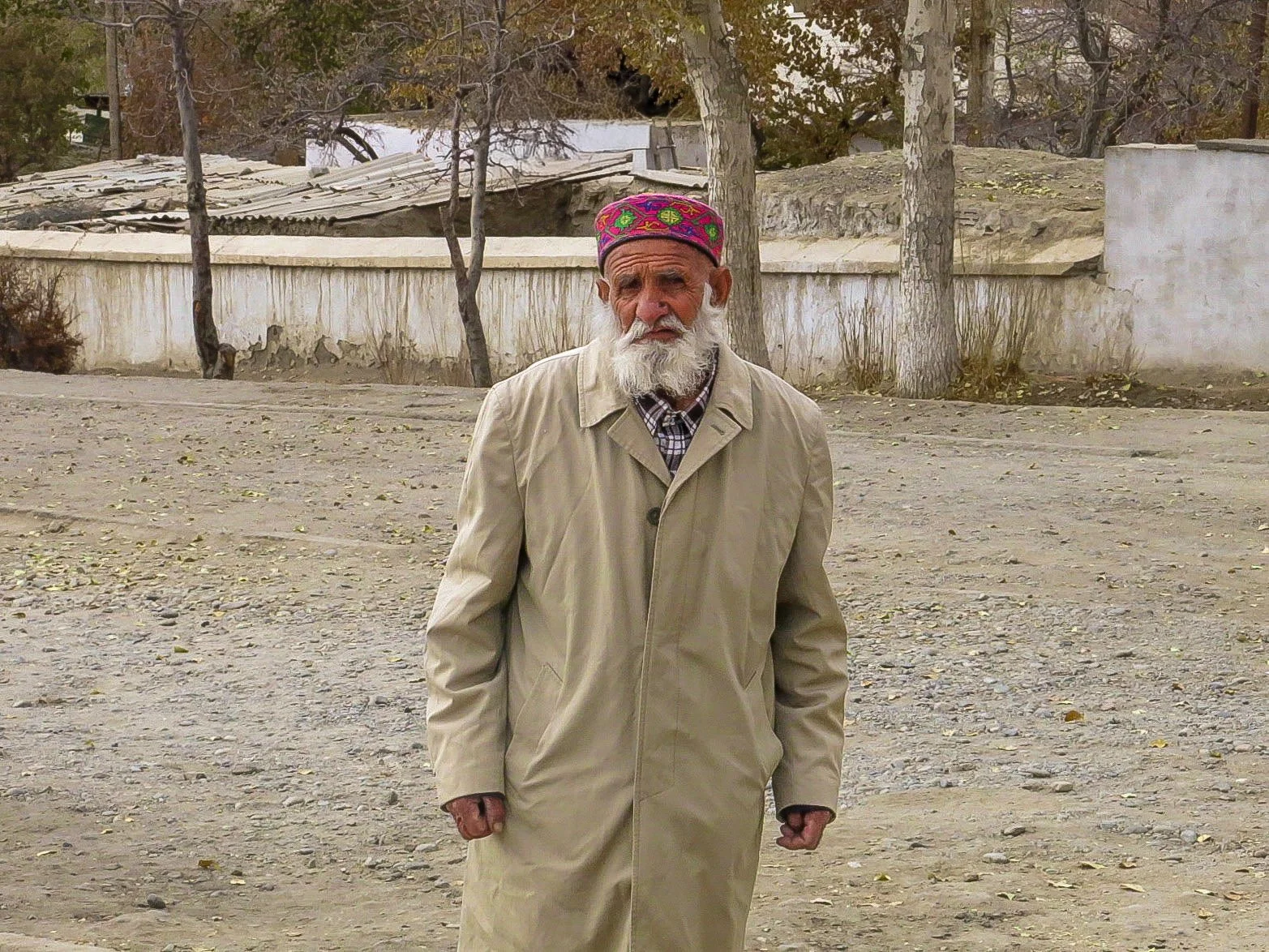
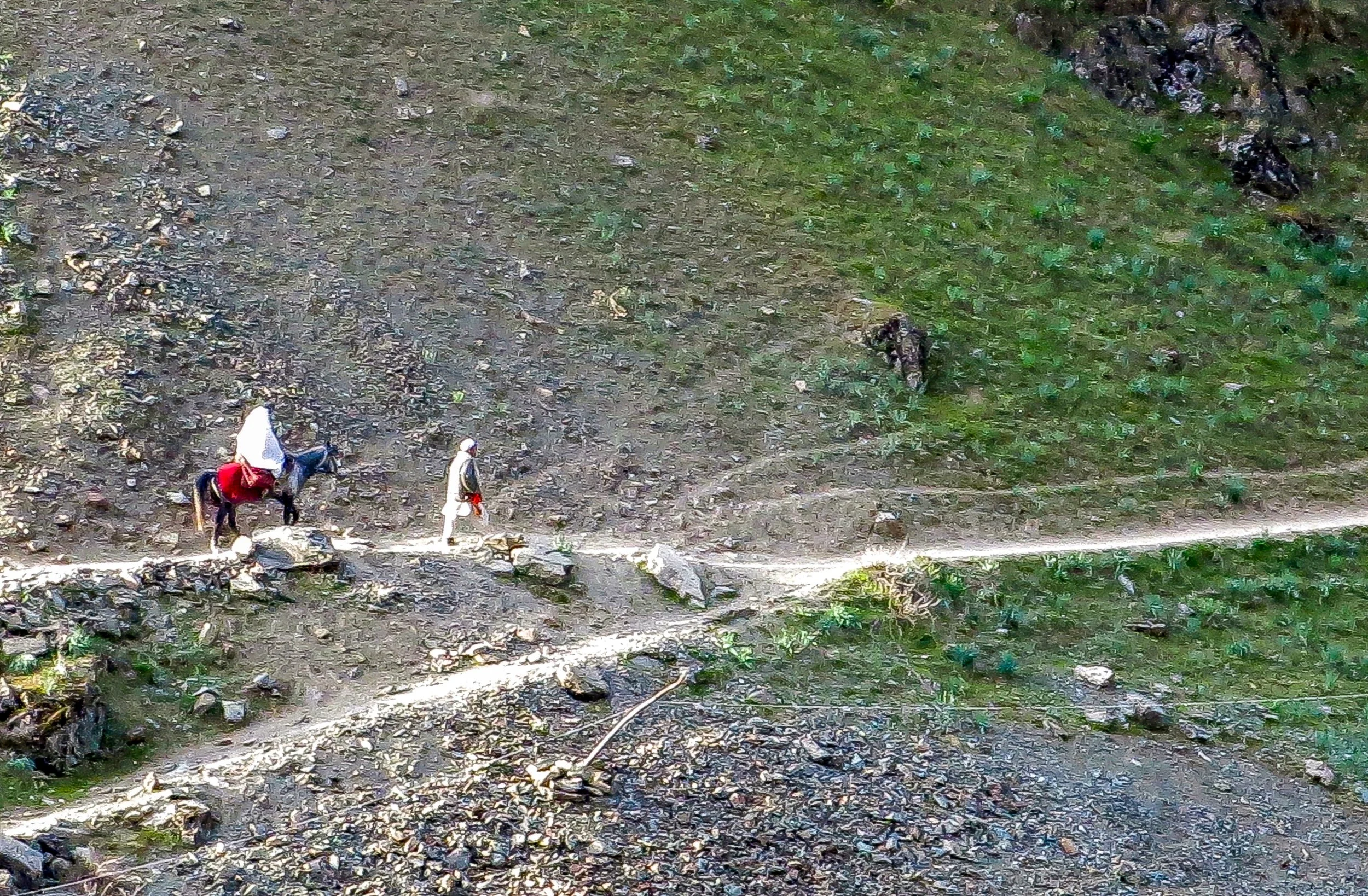
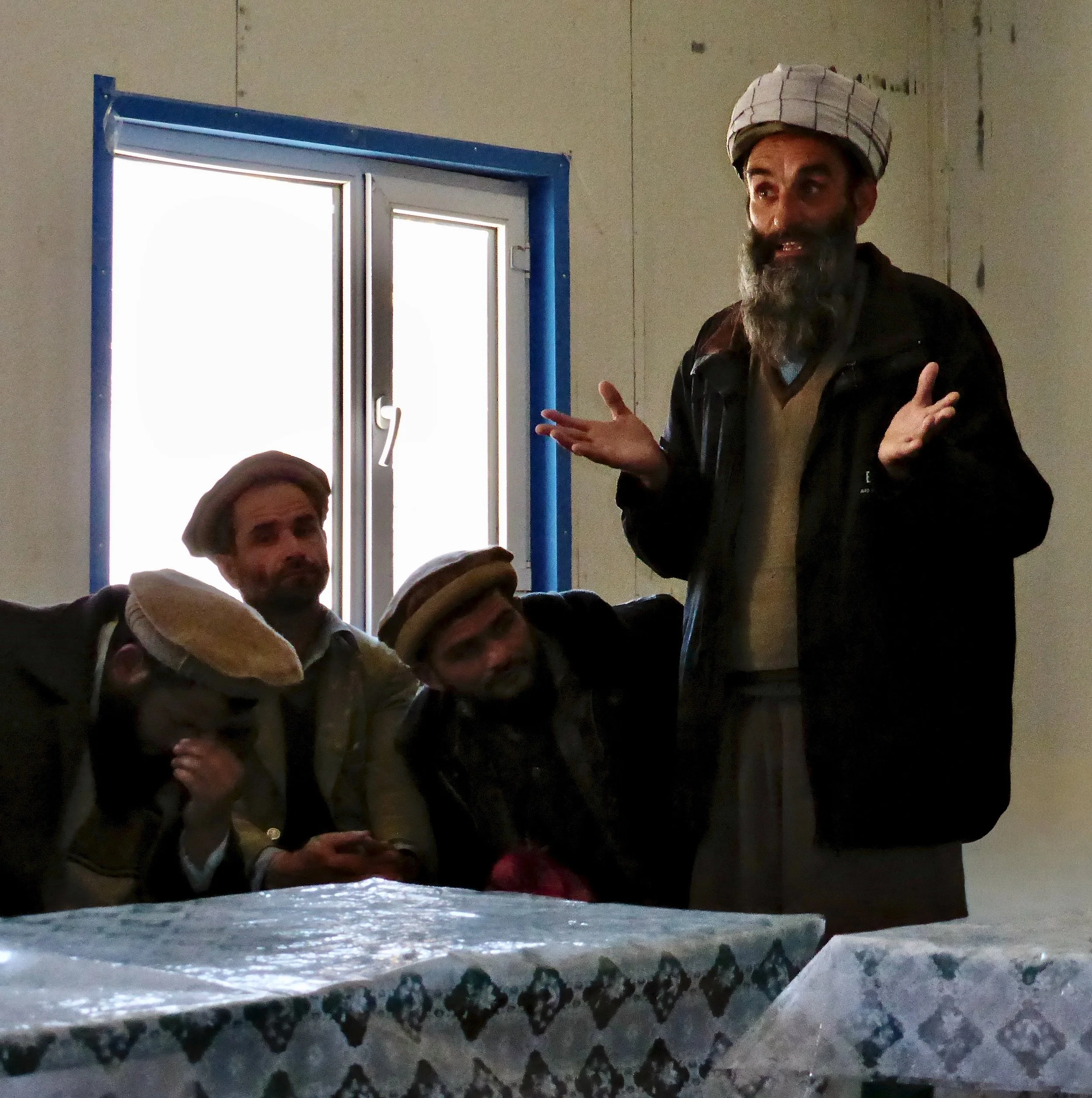
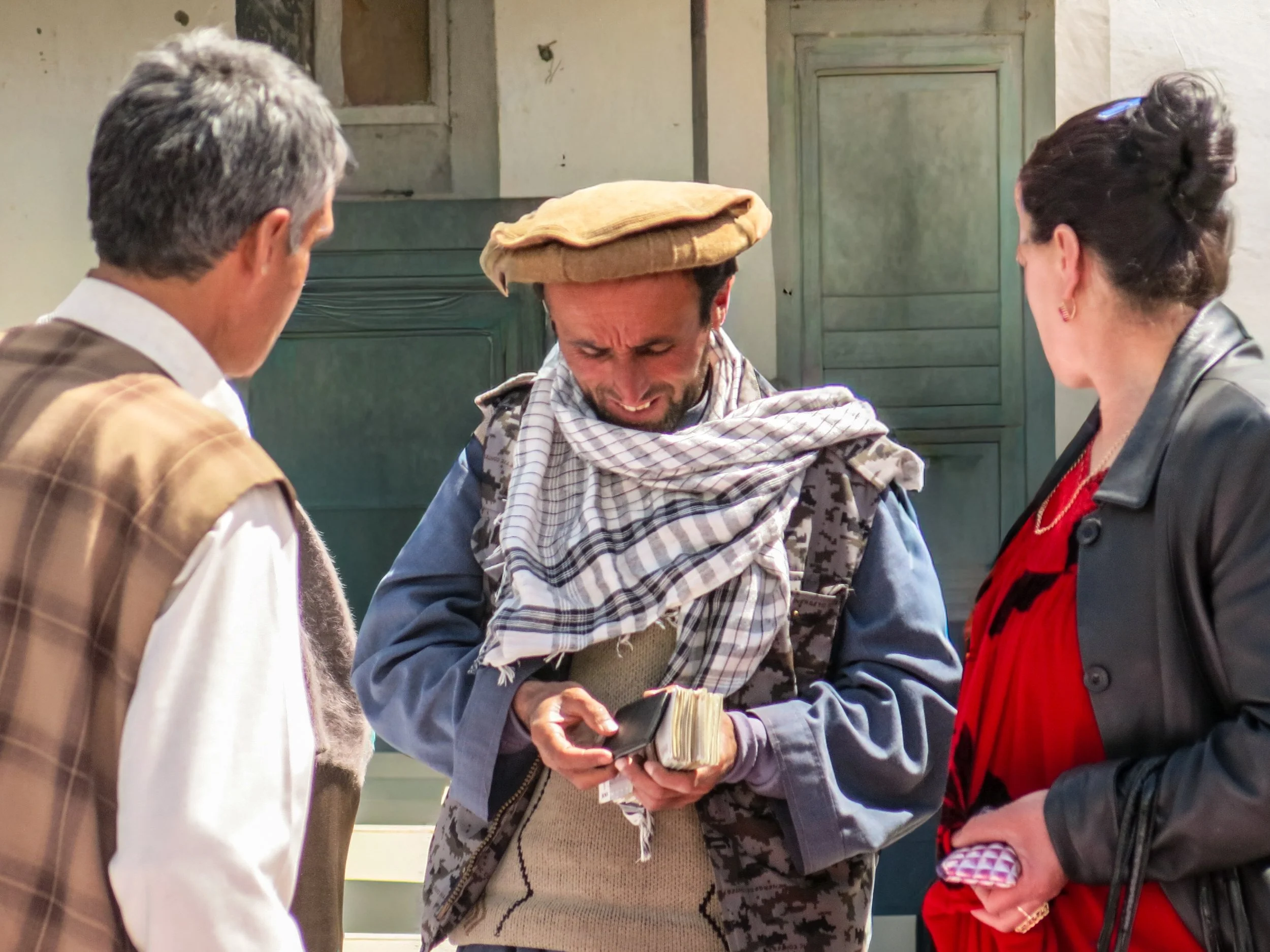
The Afghans of the Frontier: Whose mountainous enclaves I observed from across the border—a people defined by an infectious resilience and a pride that has remained unbowed by decades of conflict.
While the "Great Game" of politics and security often obscured the view in the capital, the clarity of the mountain air in the Panj River valley finally allowed my lens to capture the unadulterated essence of Central Asia.