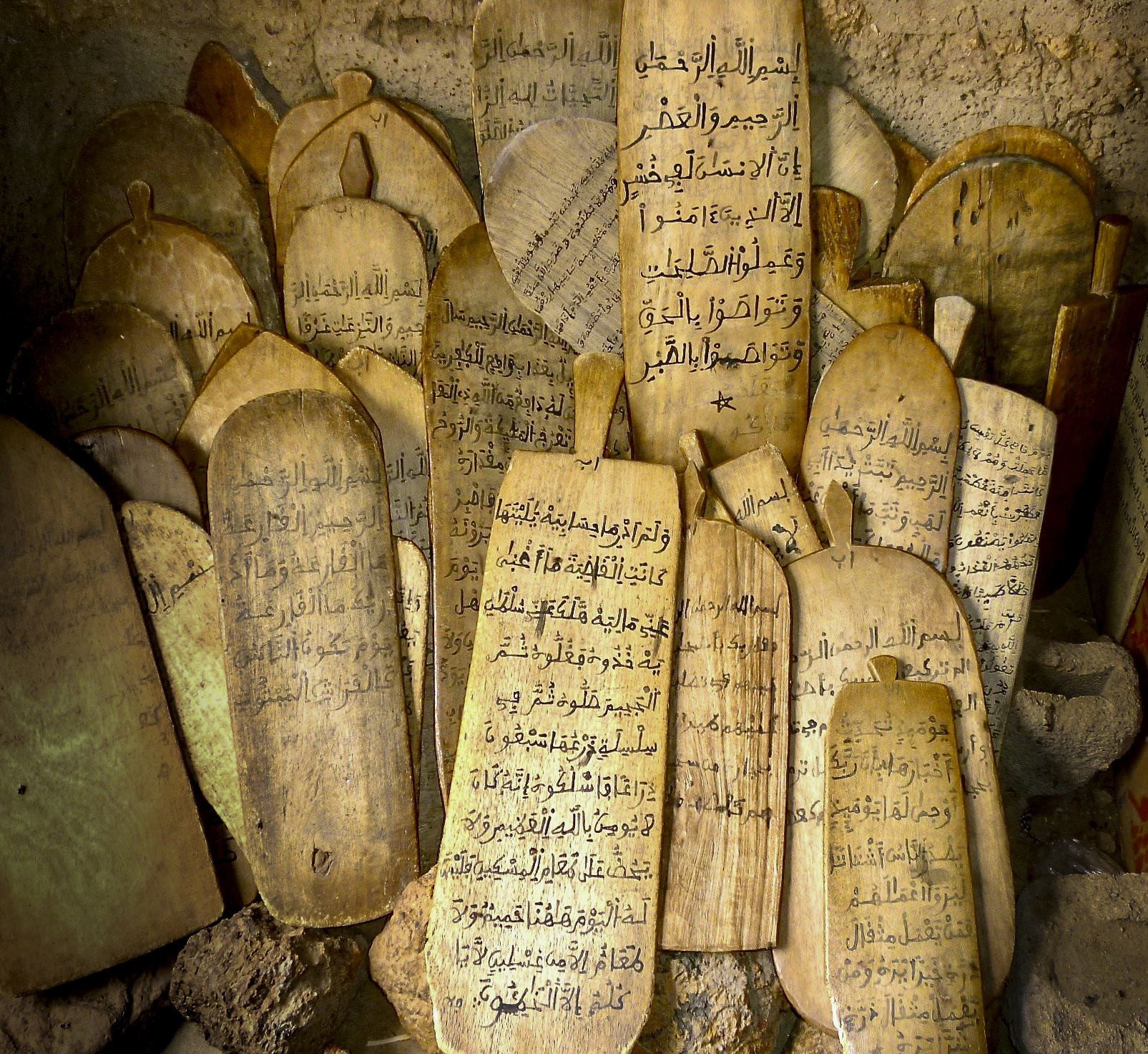
Mali
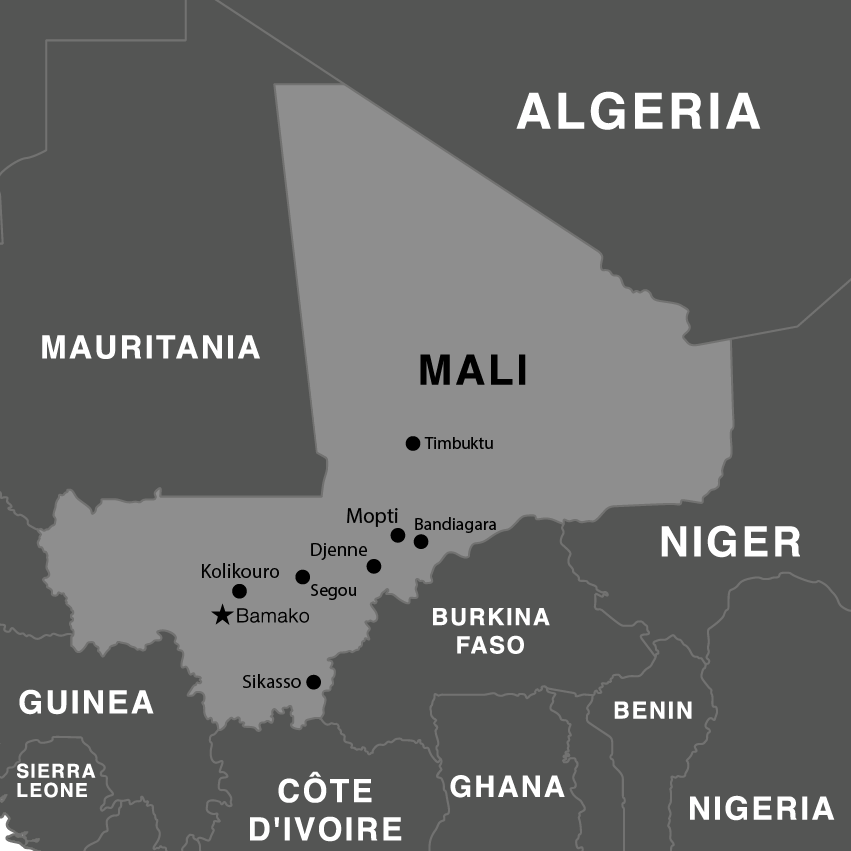
As a Foreign Service Officer, I briefly served in Mali: a large, landlocked country in West Africa, whose northern borders reach deep into the middle of the Sahara Desert. Historically, Mali was part of three successive and powerful West African empires that controlled trade in West Africa. In connection with being a mining and trade hub, Mali was renowned as a center of Islam, education and culture – with the famed library of Timbuktu. During the 19th Century, France gained a foothold in Mali and its influence predominated until independence was achieve in 1960.
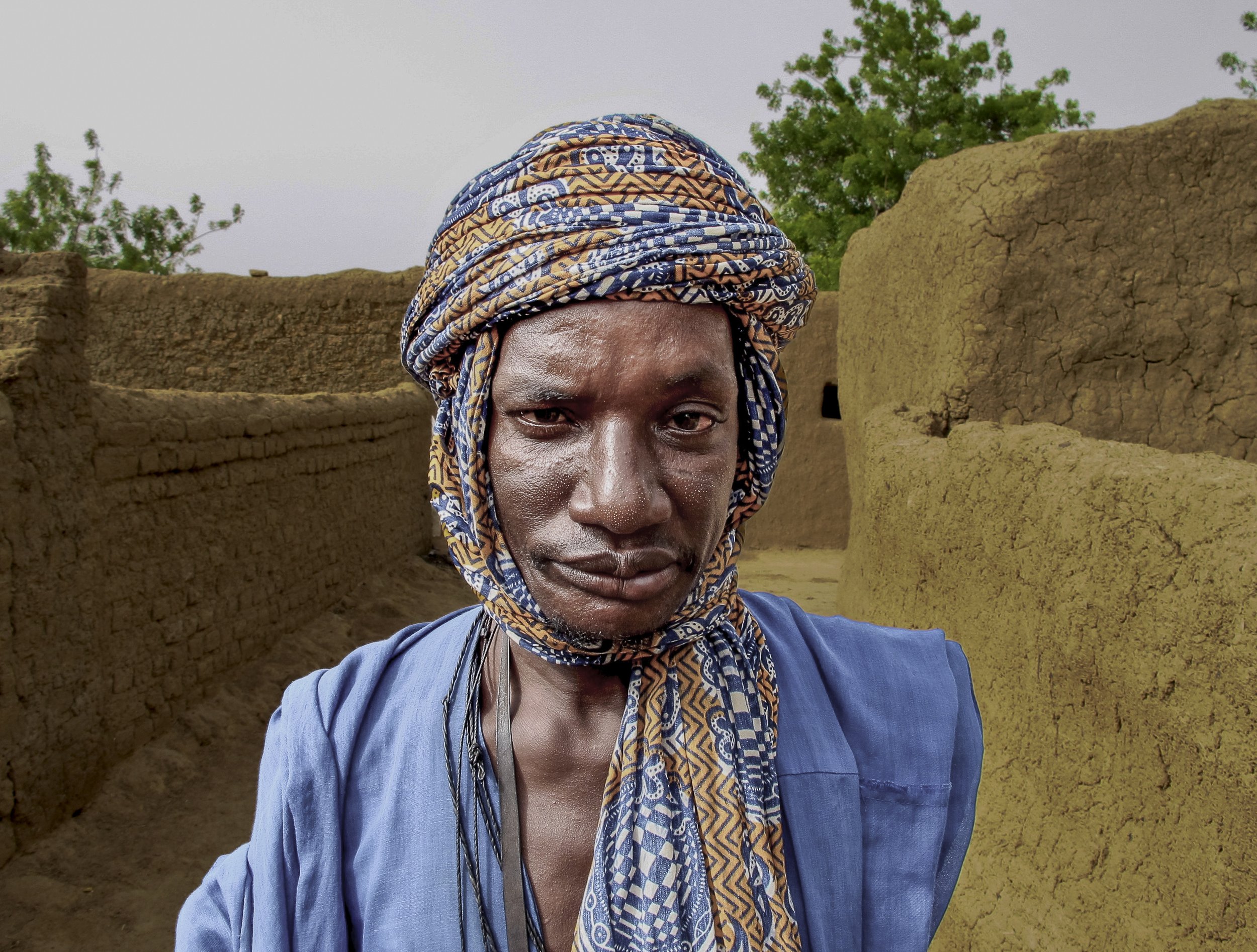
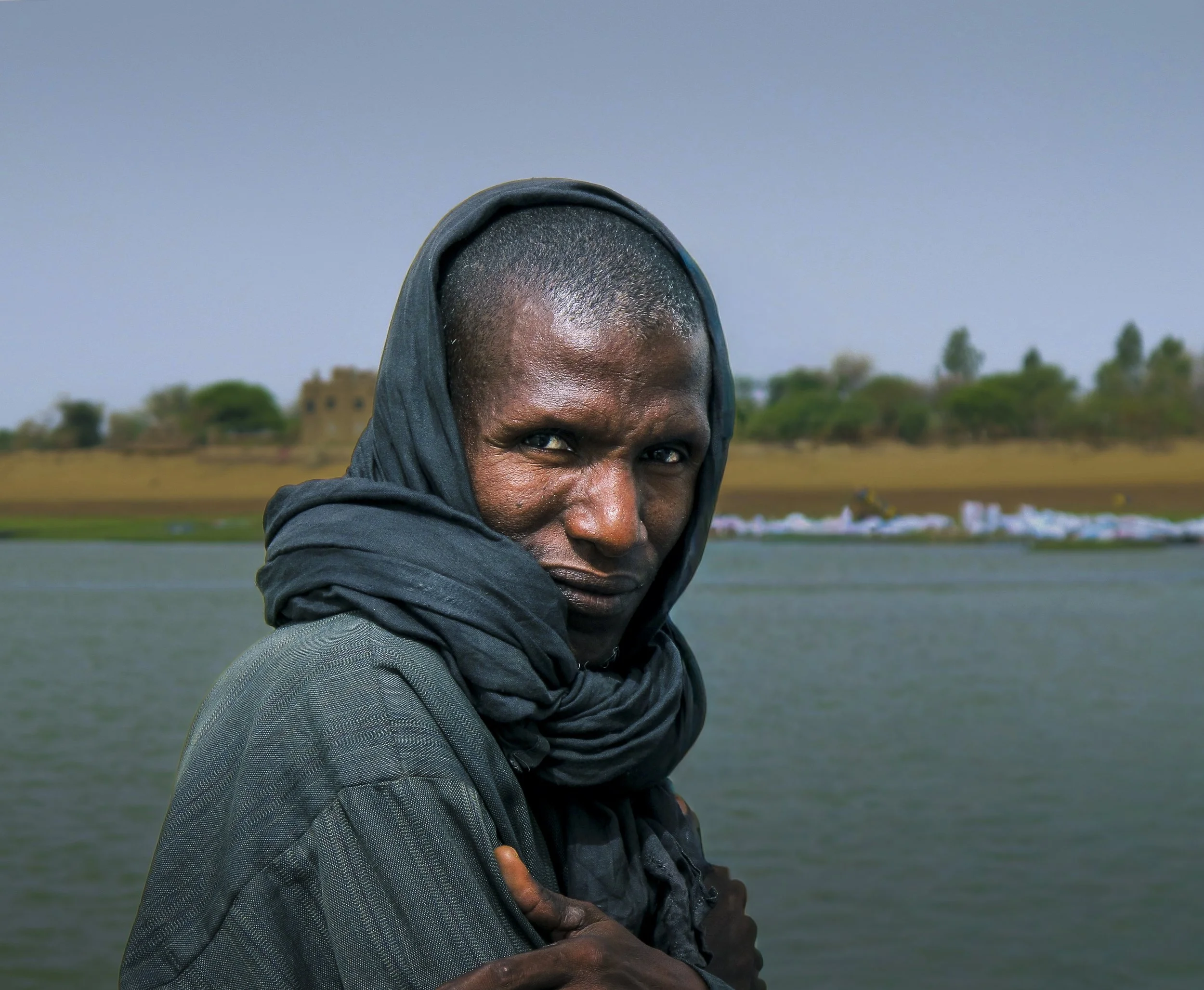
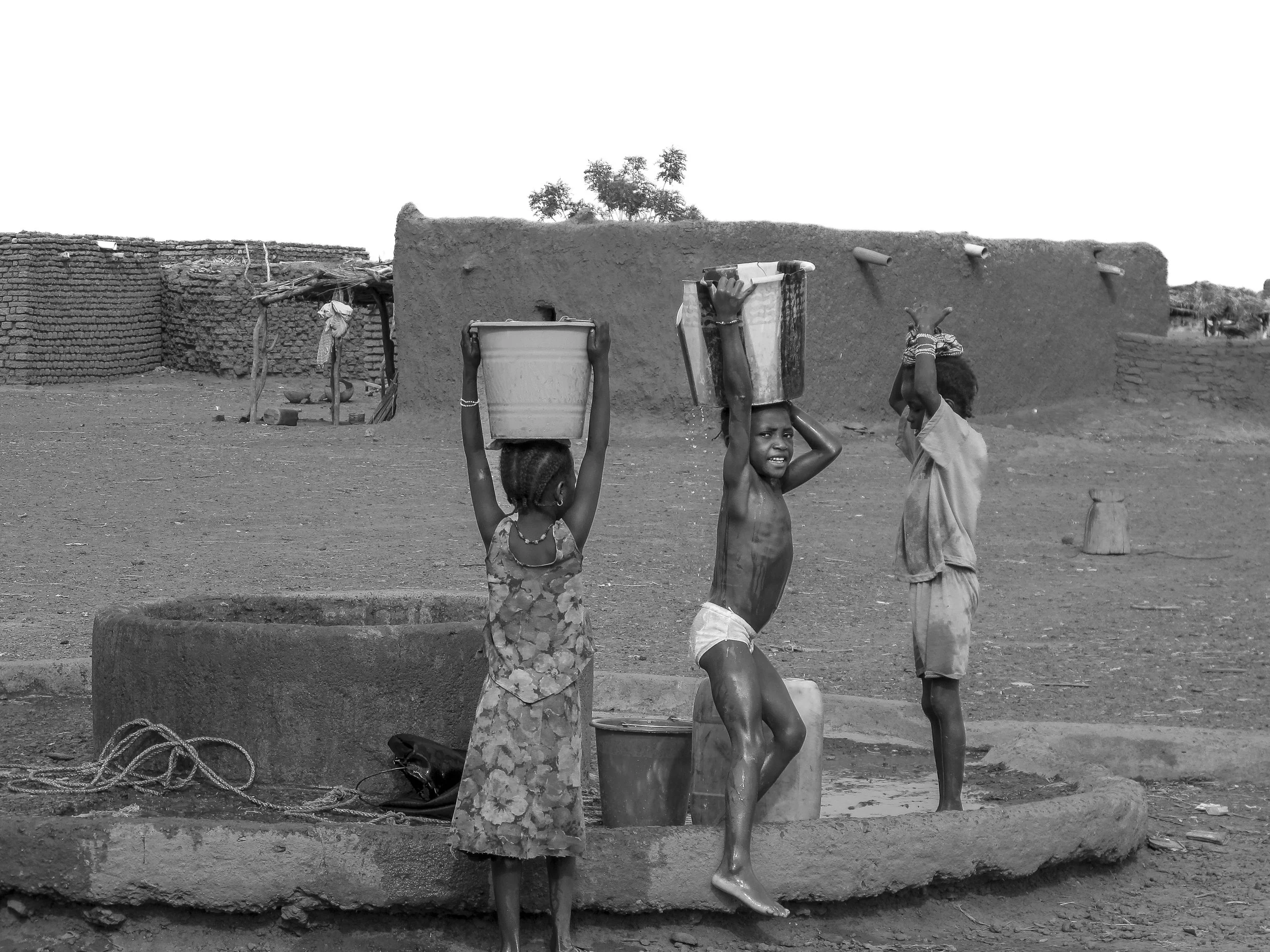
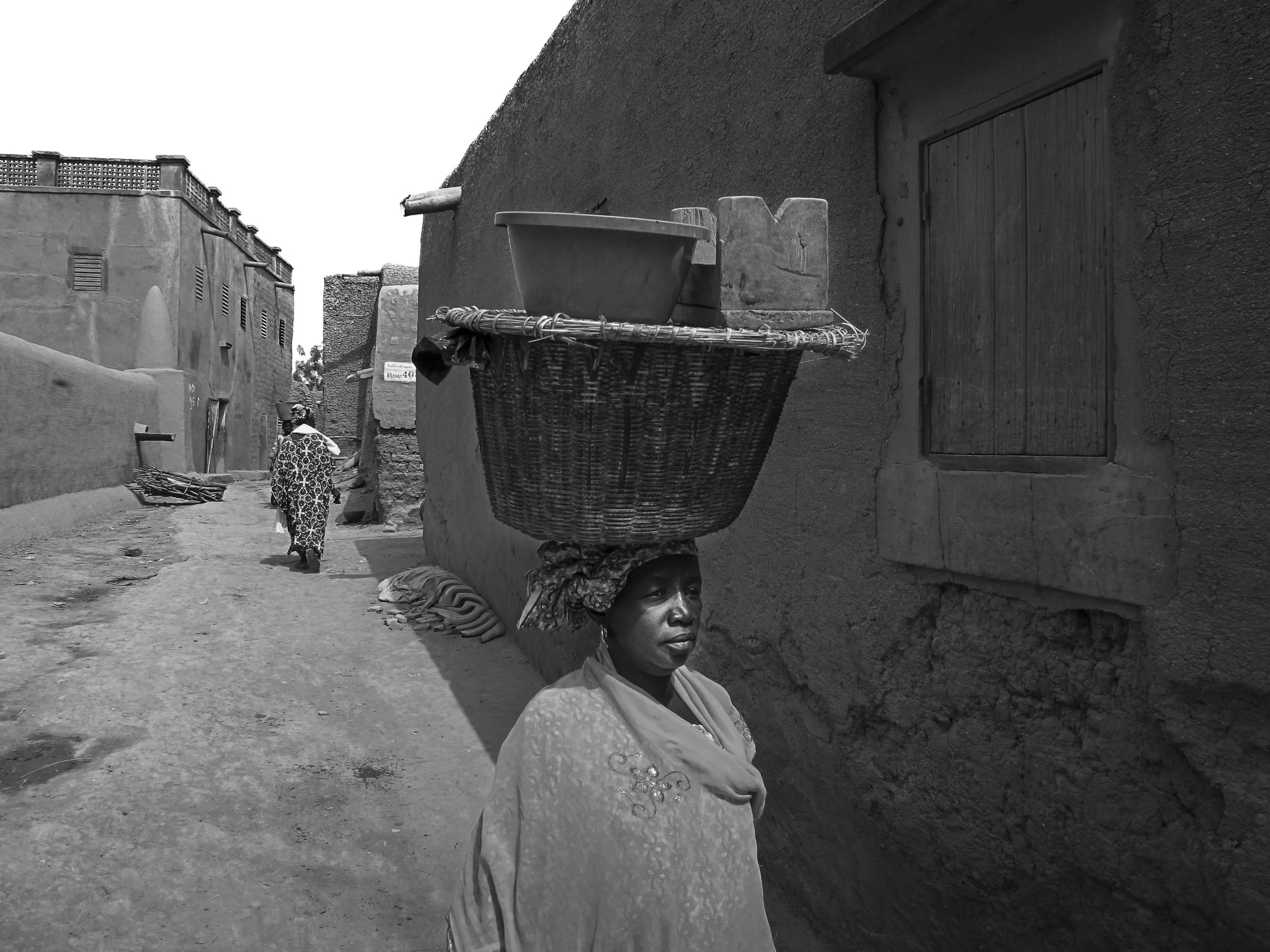
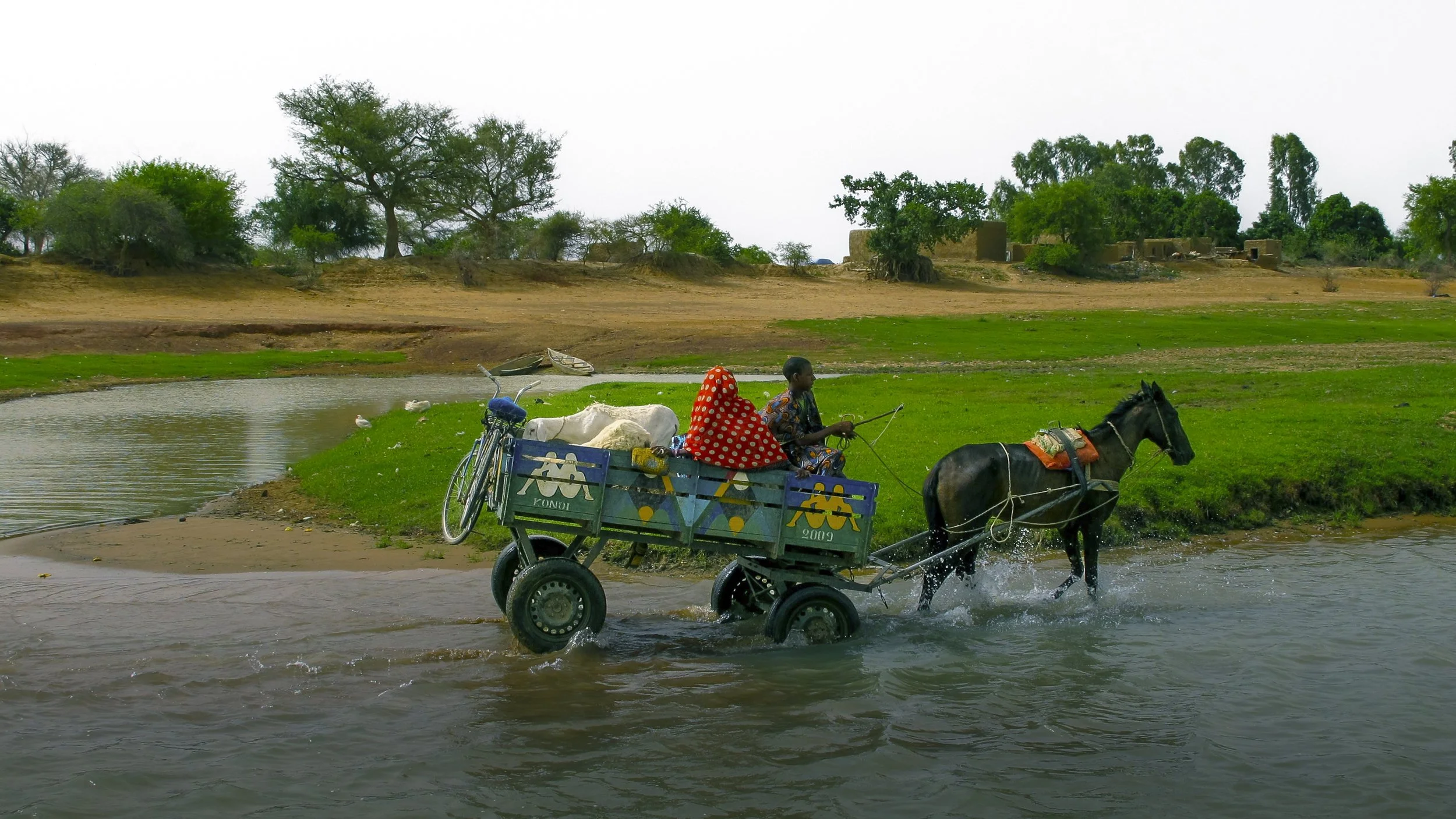
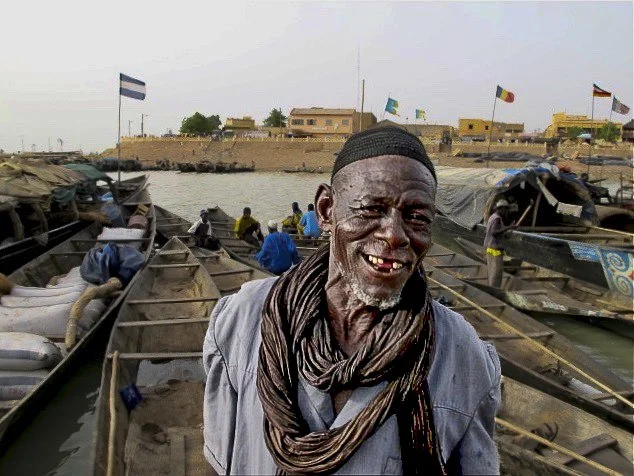
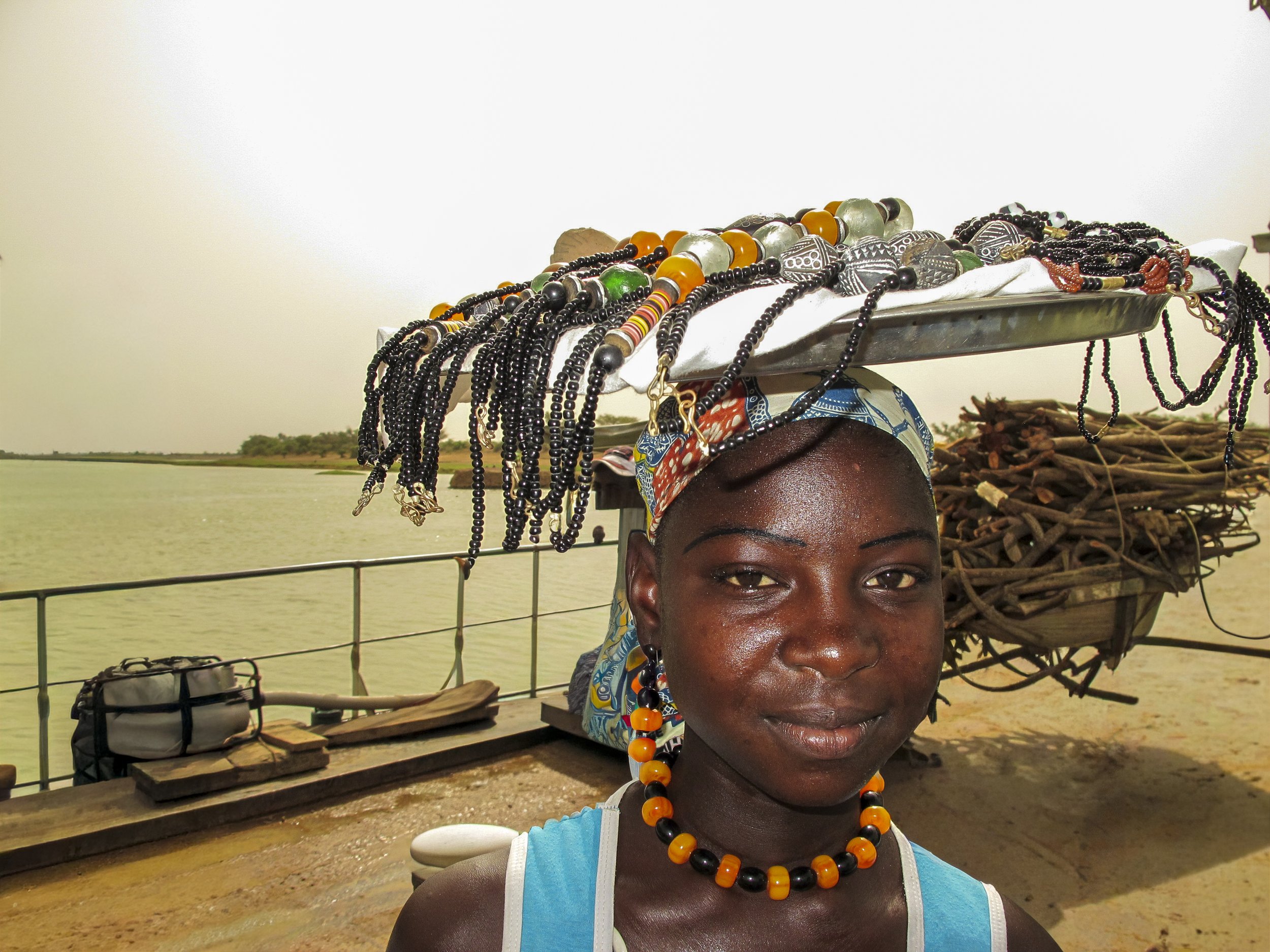
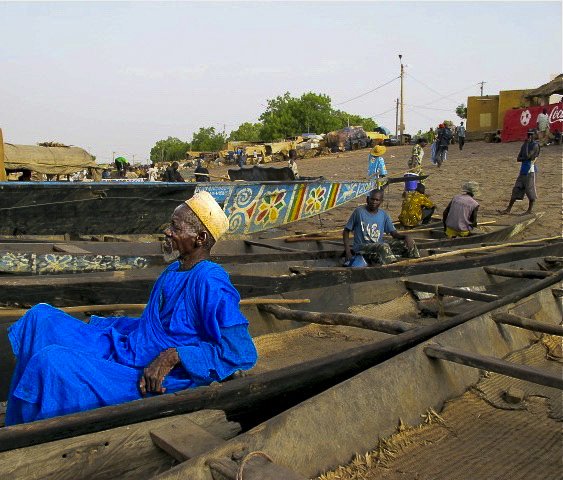
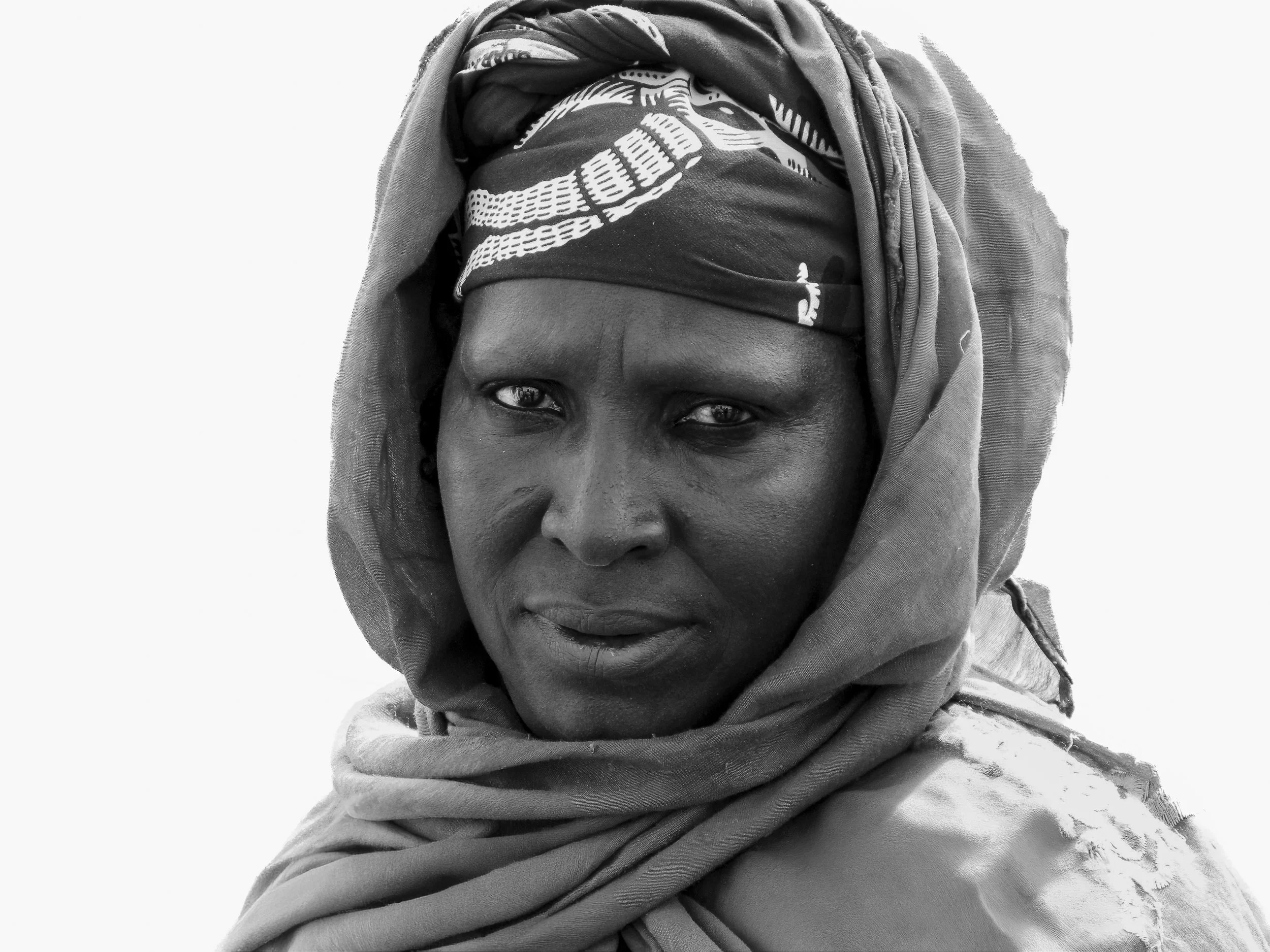
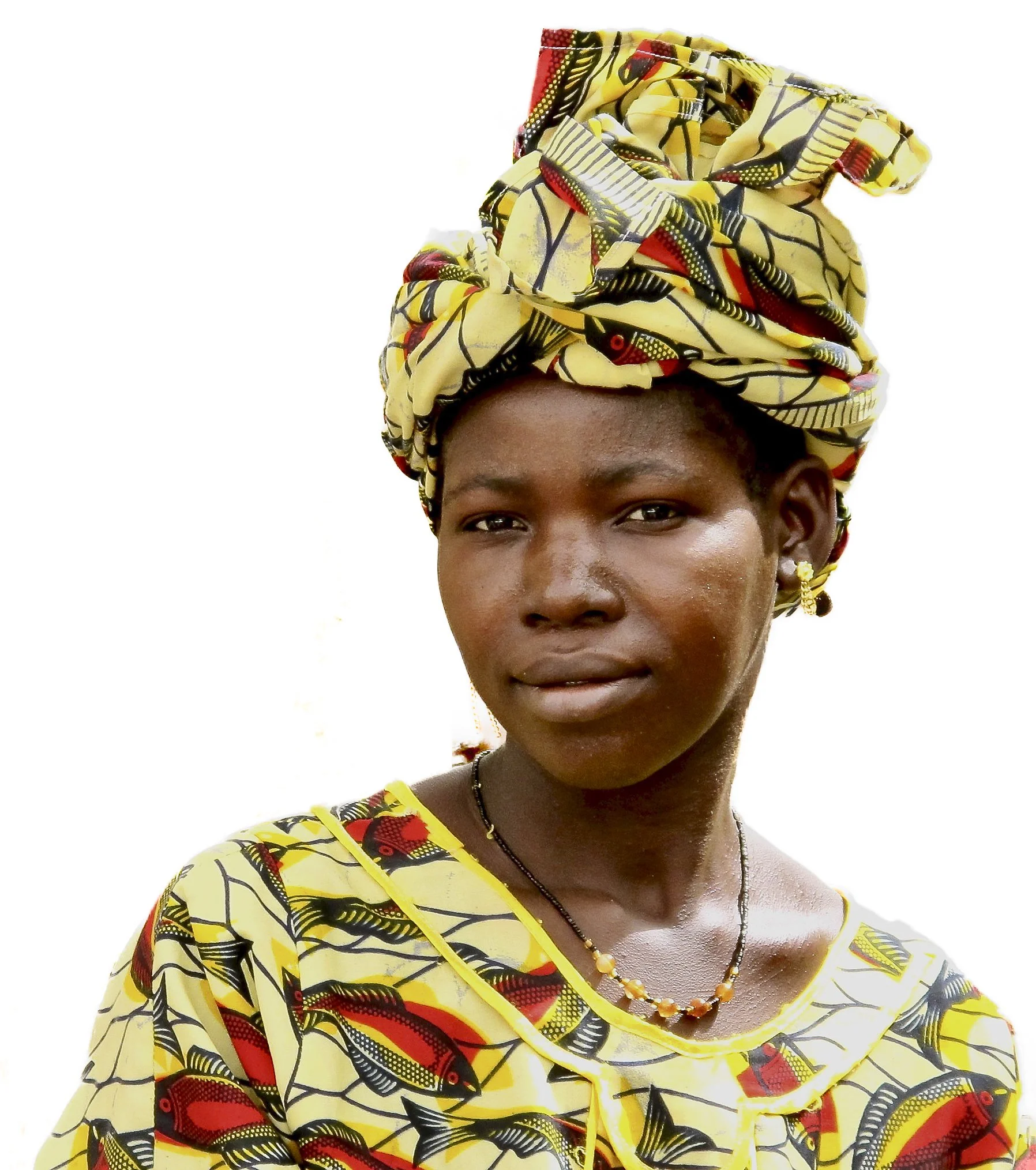
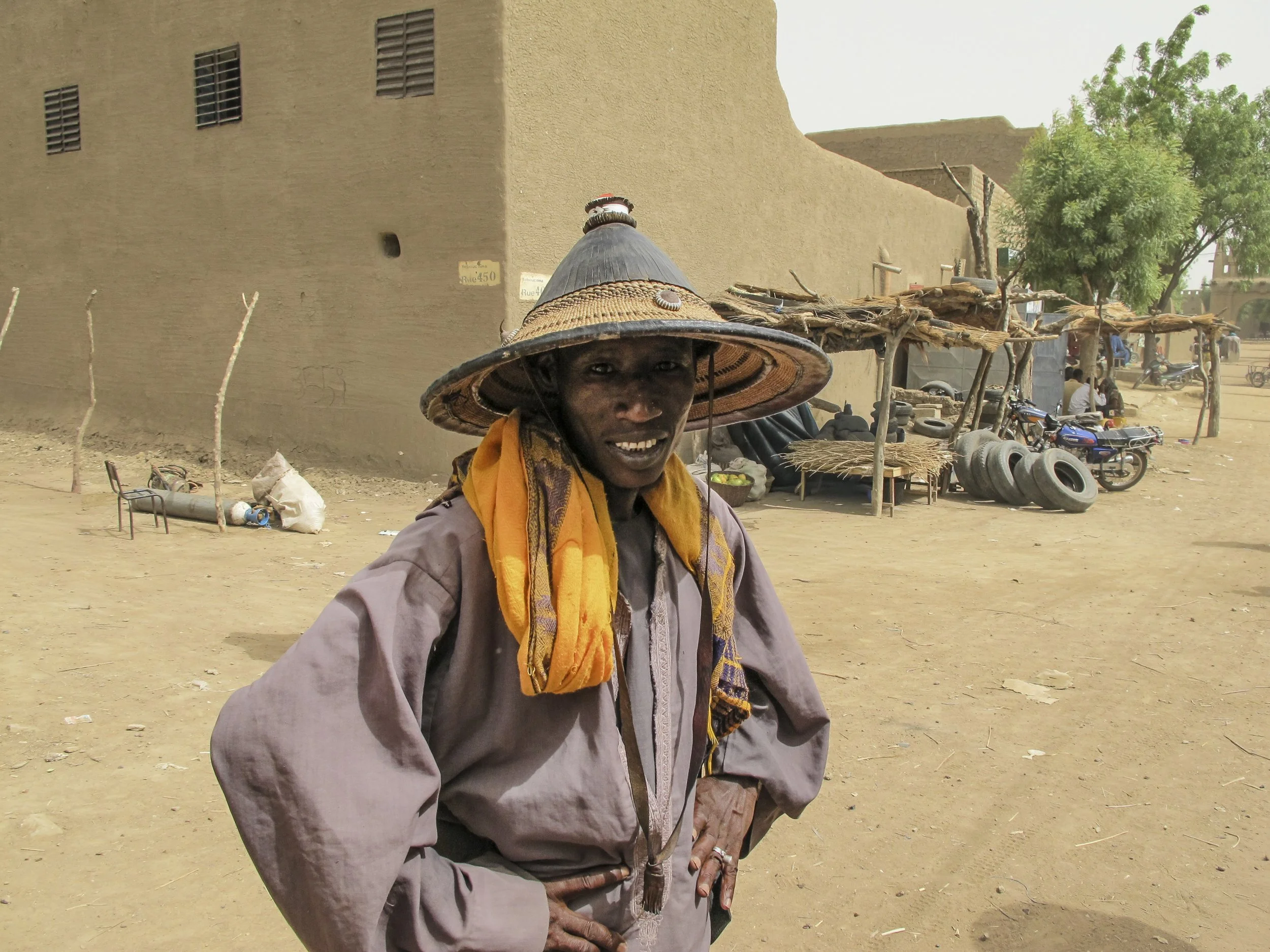
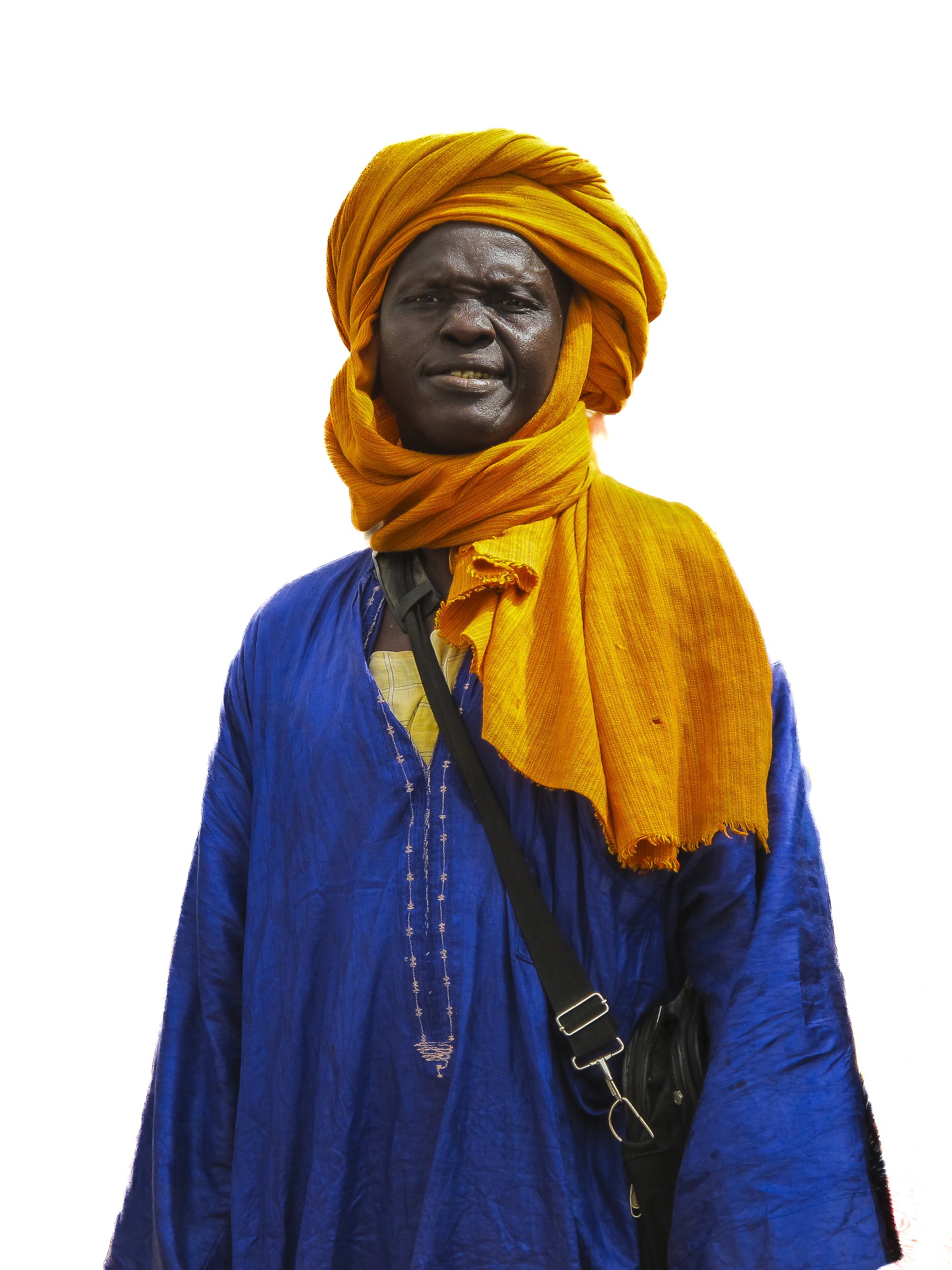
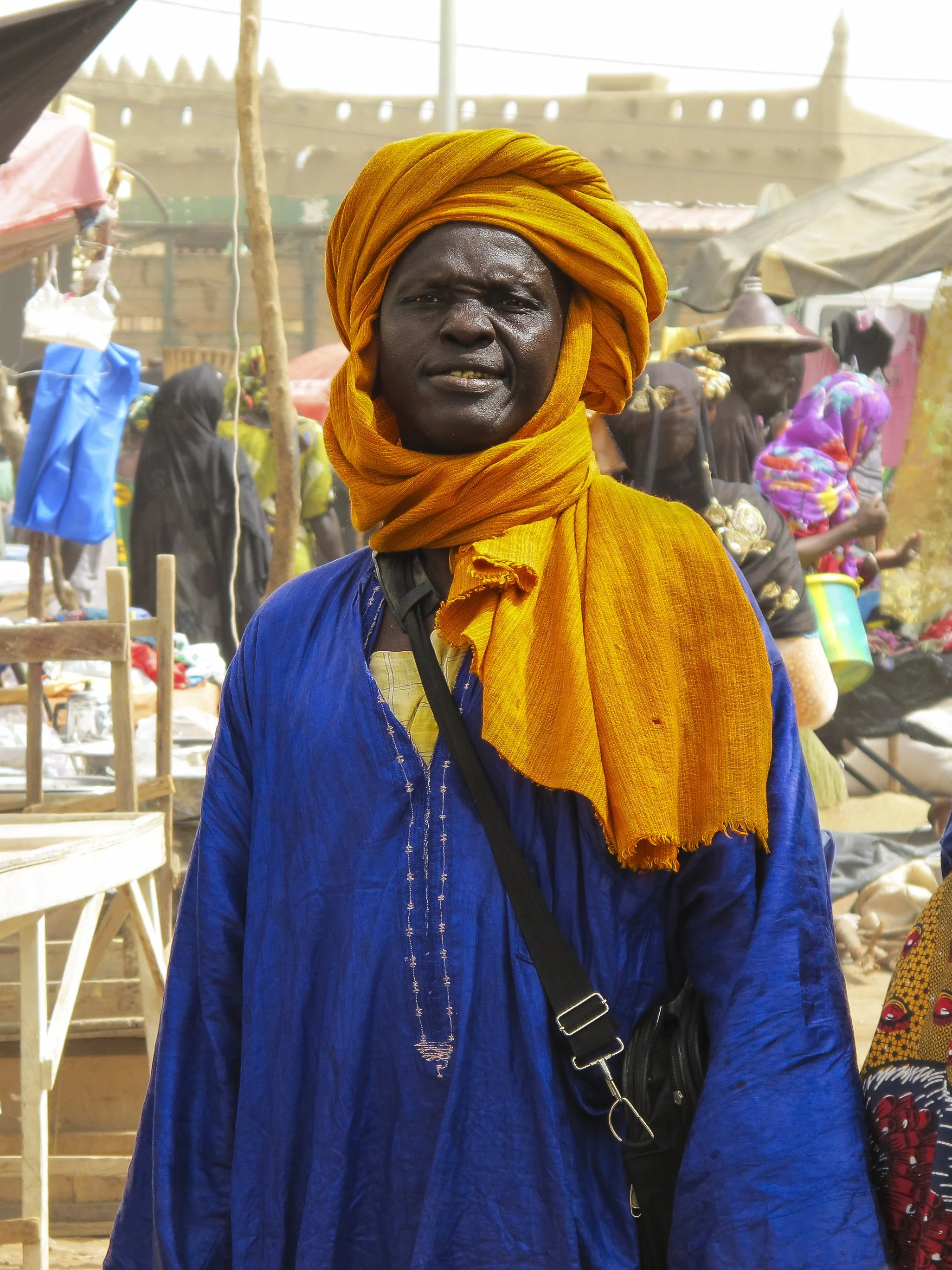
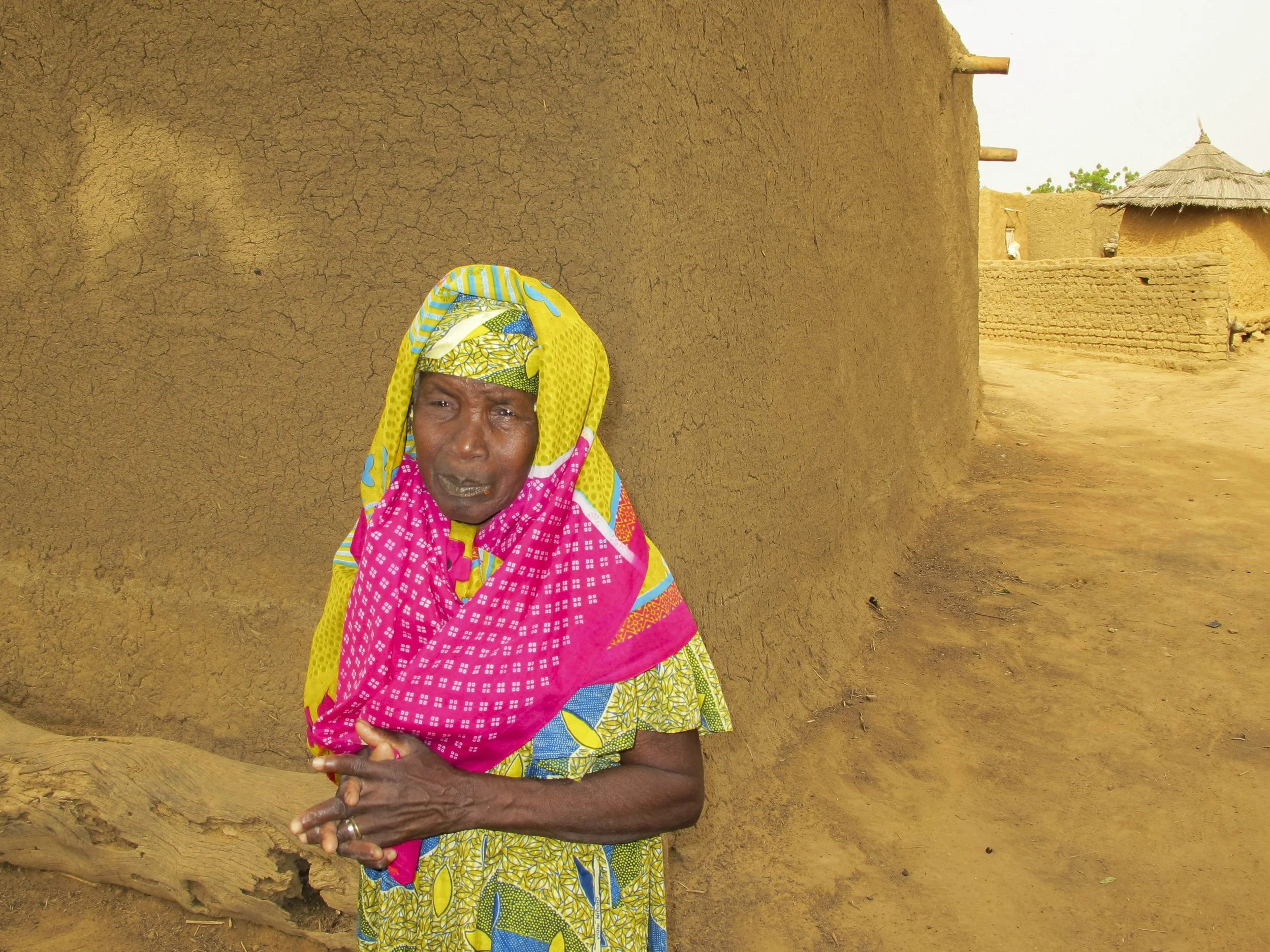
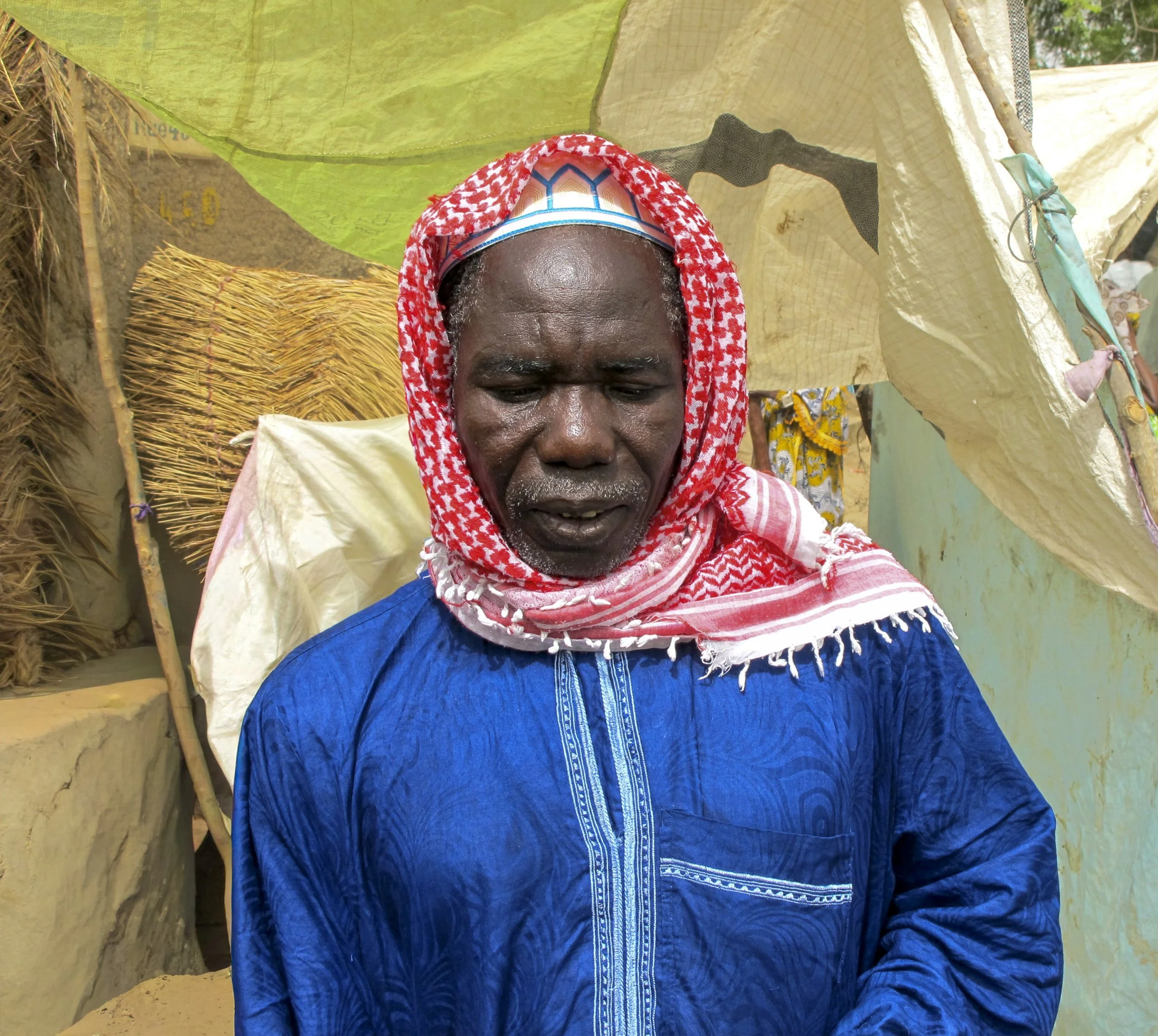
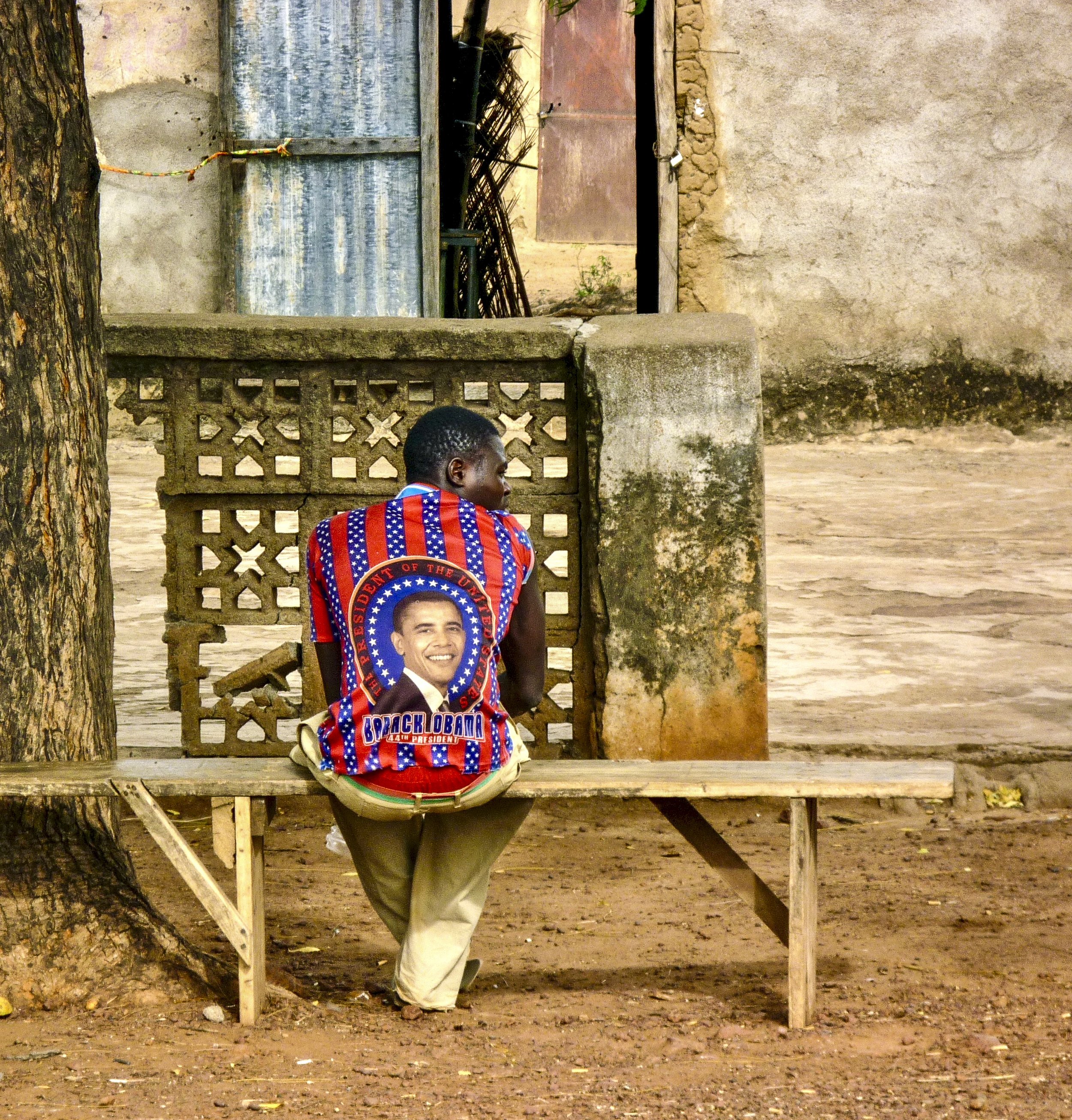
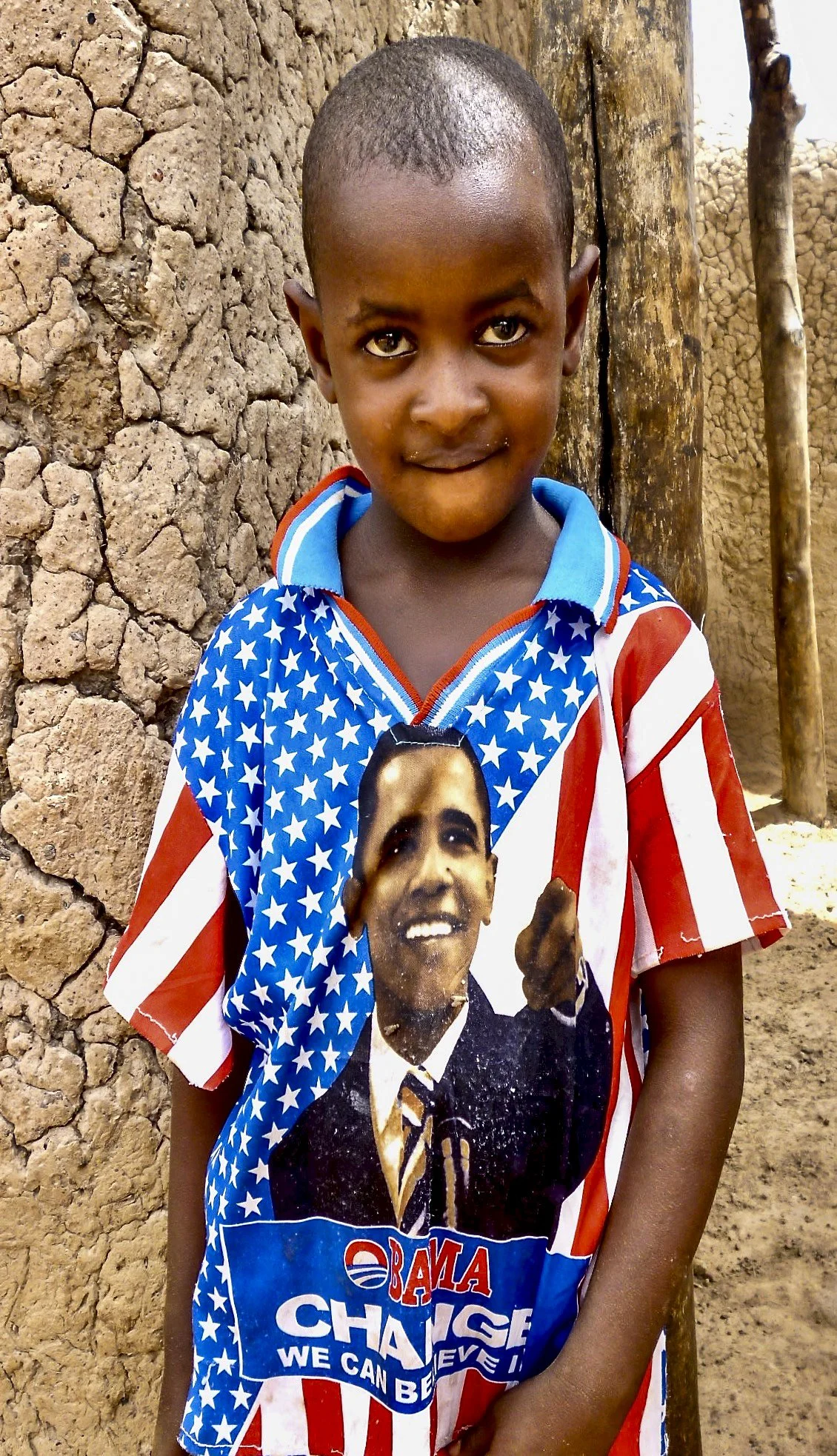
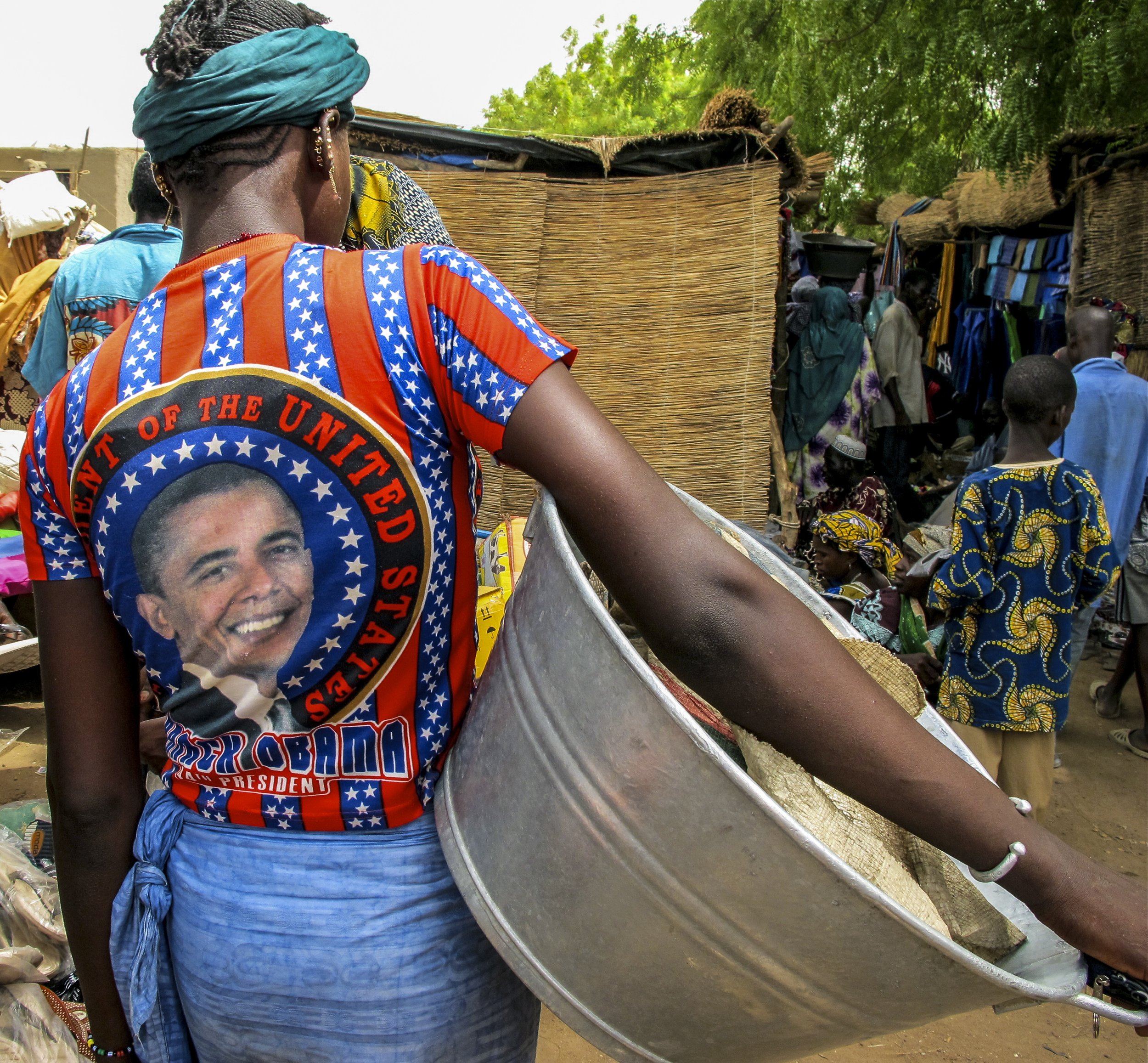
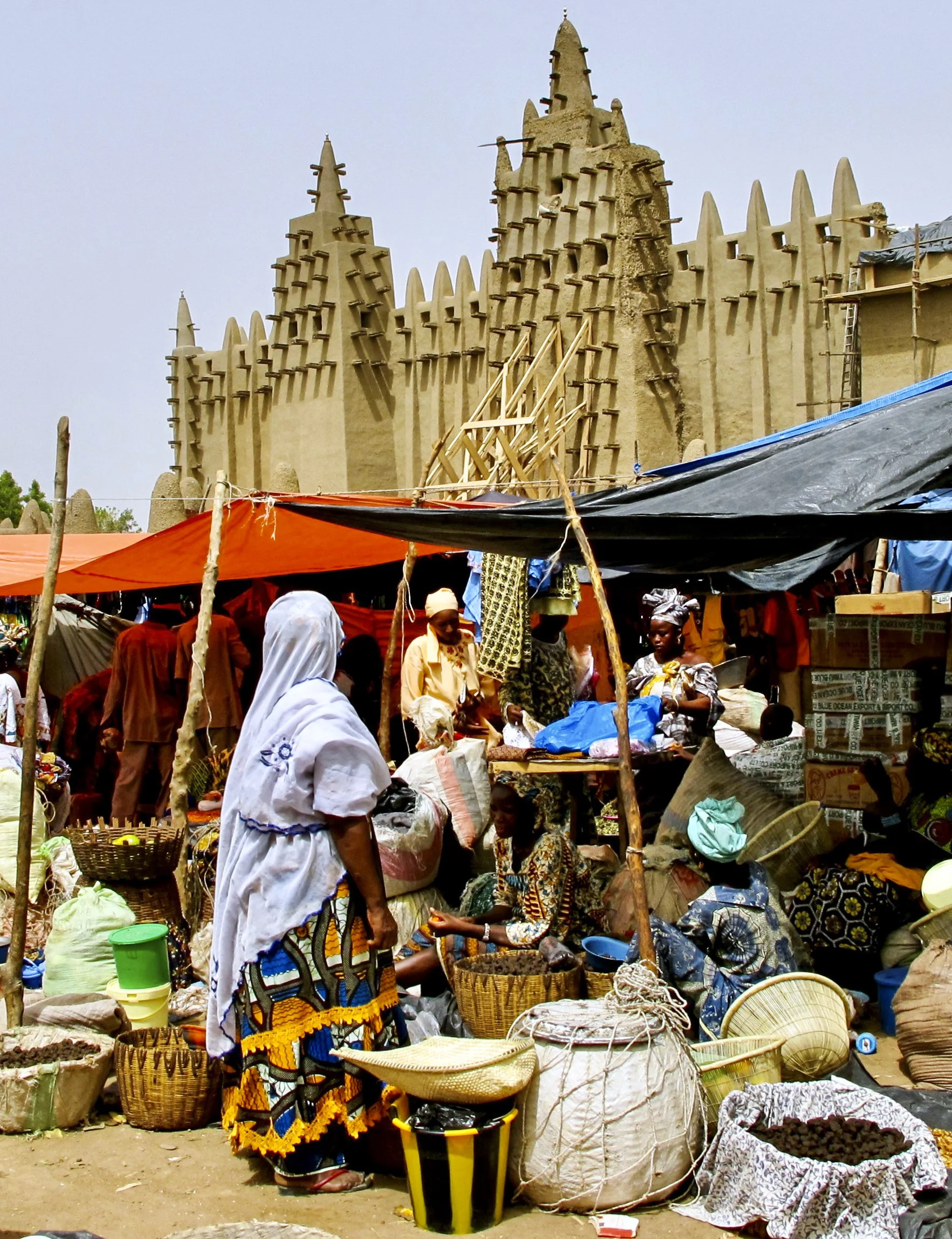
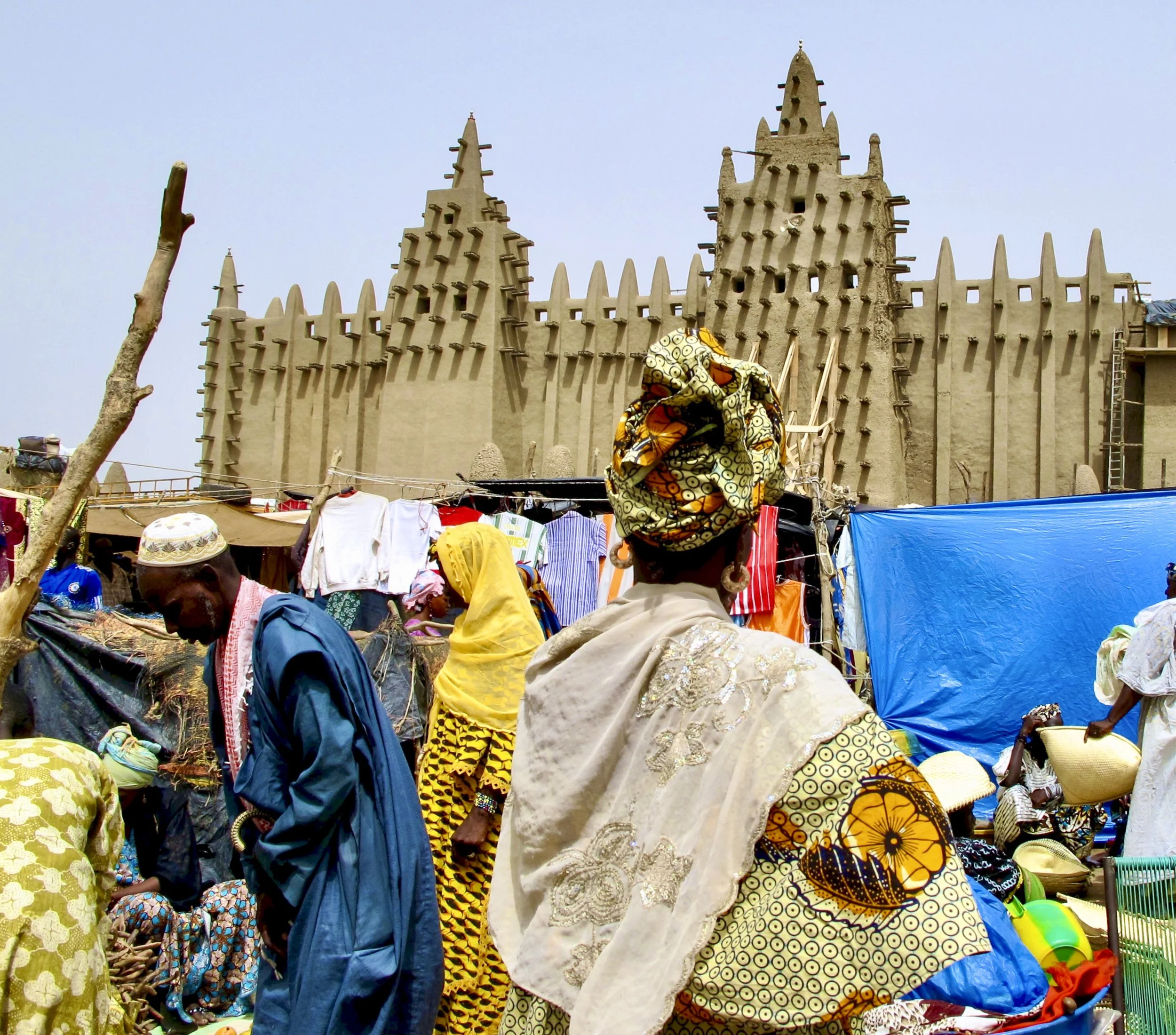
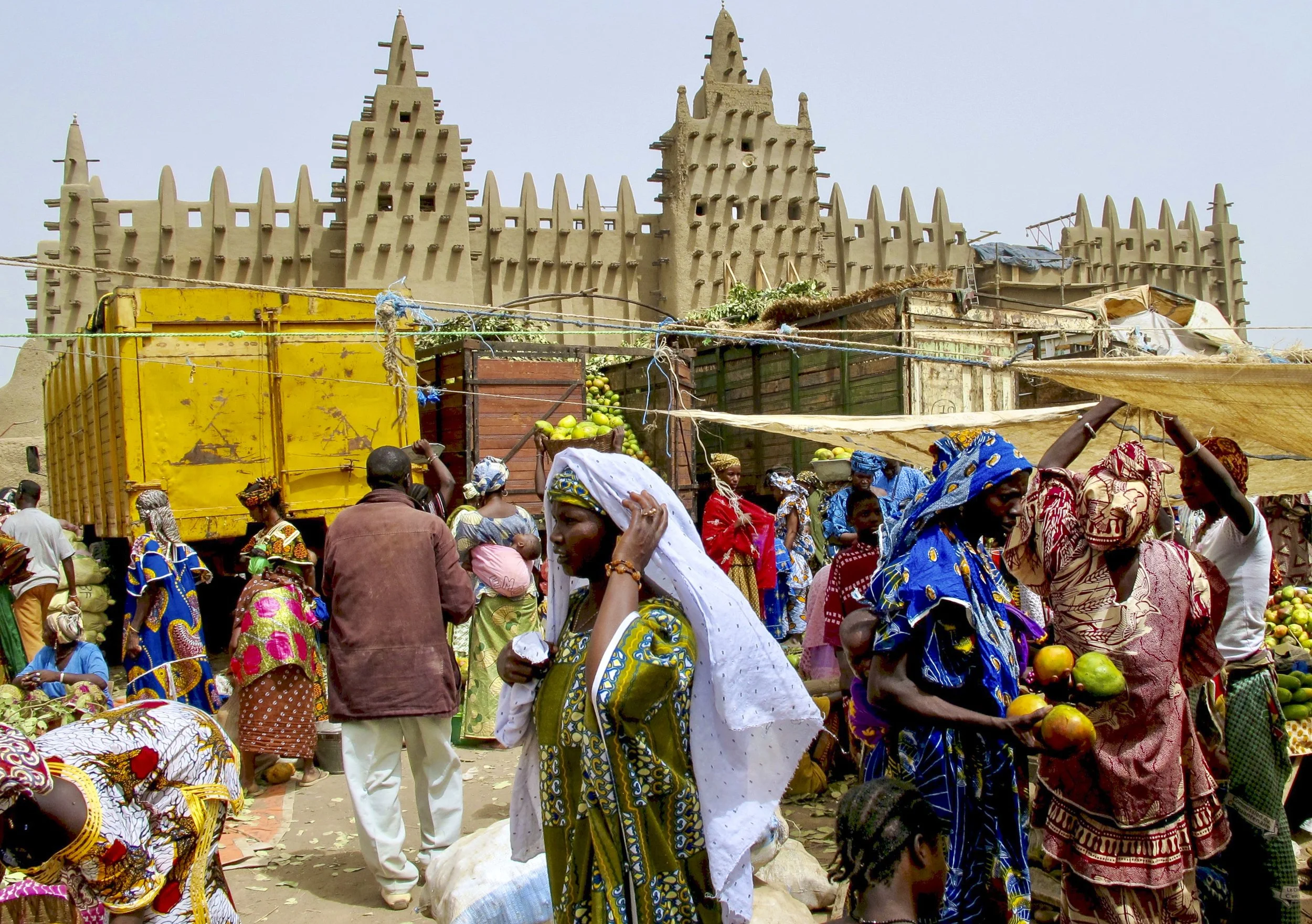
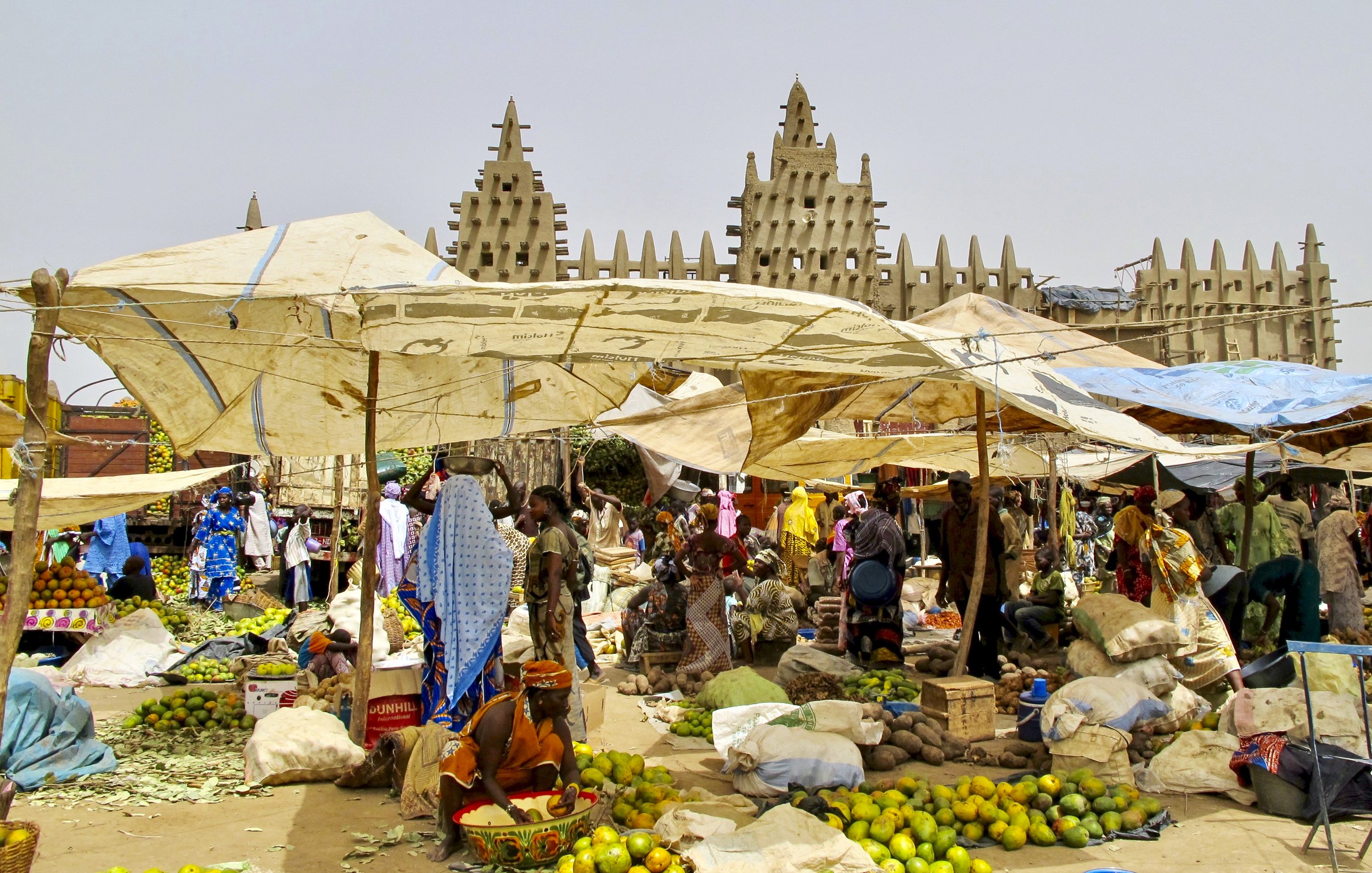
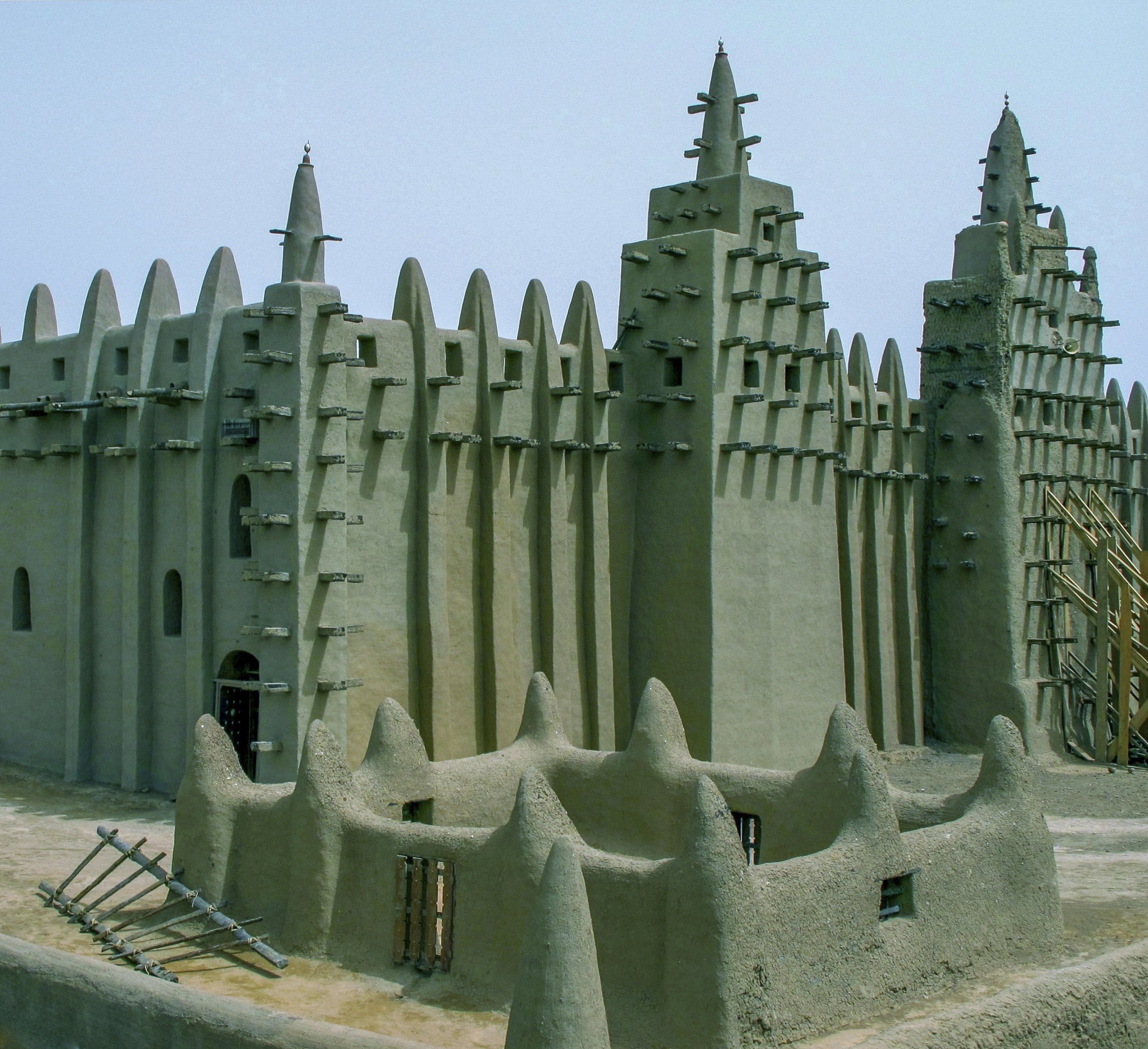
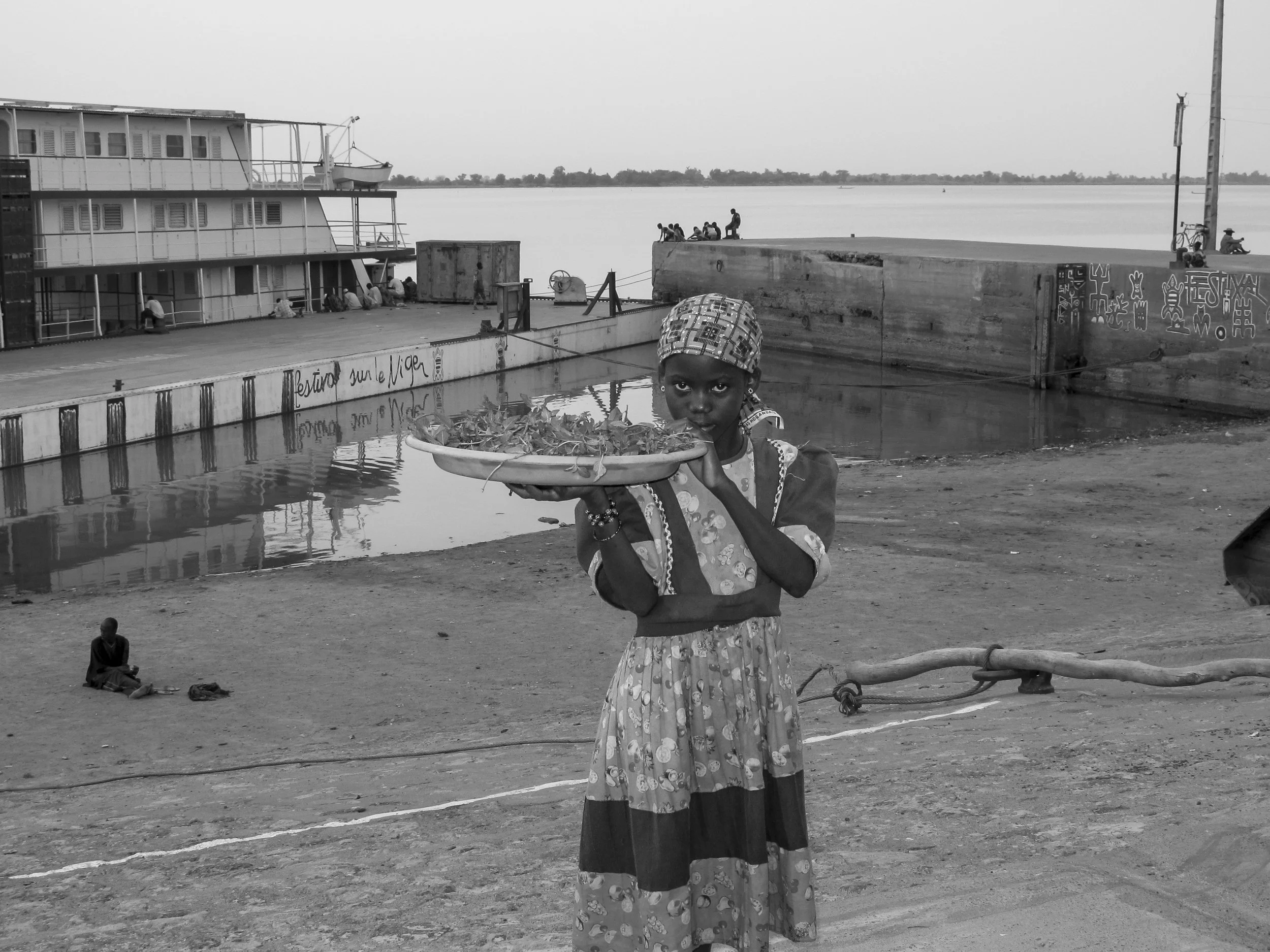
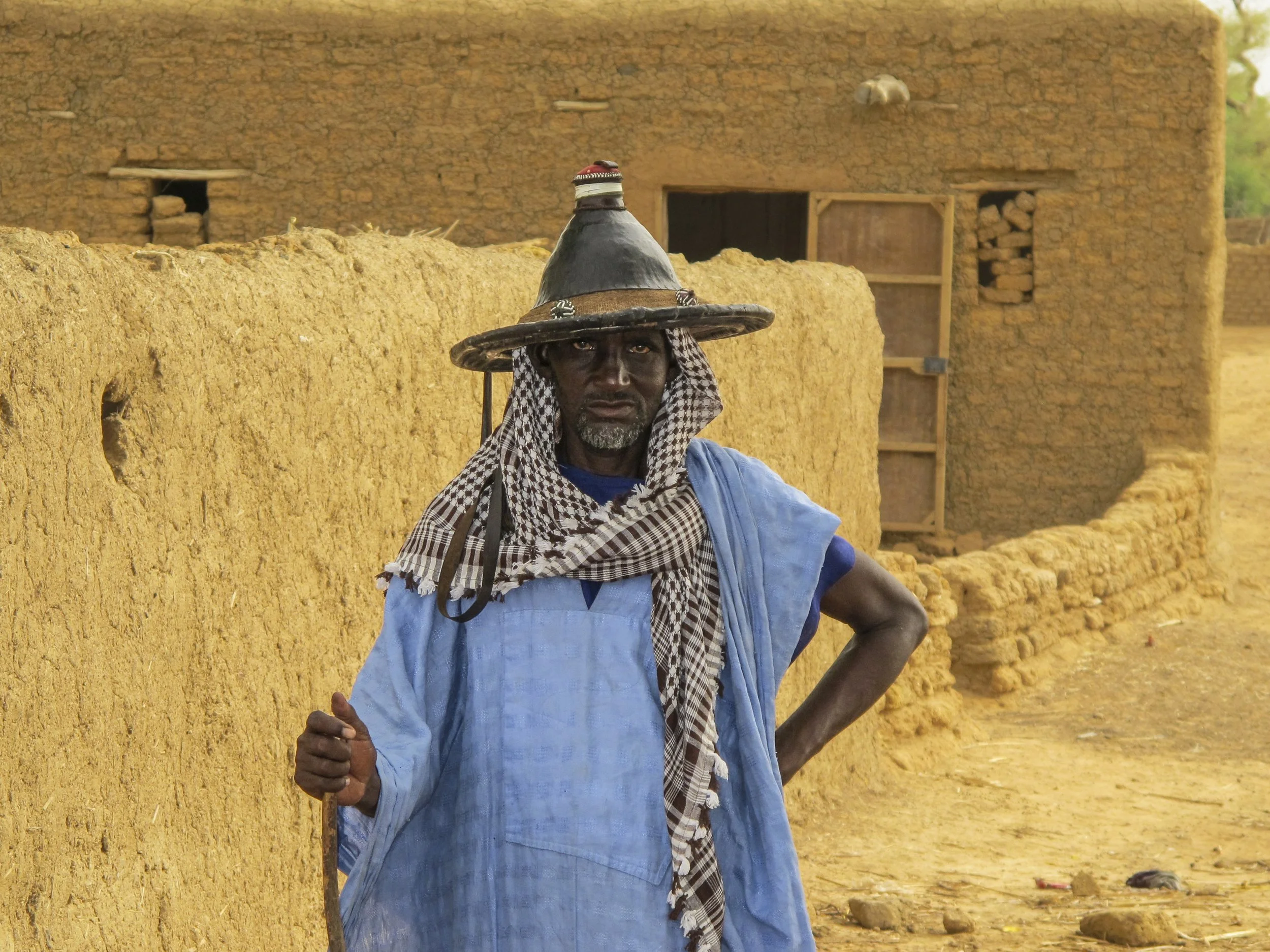
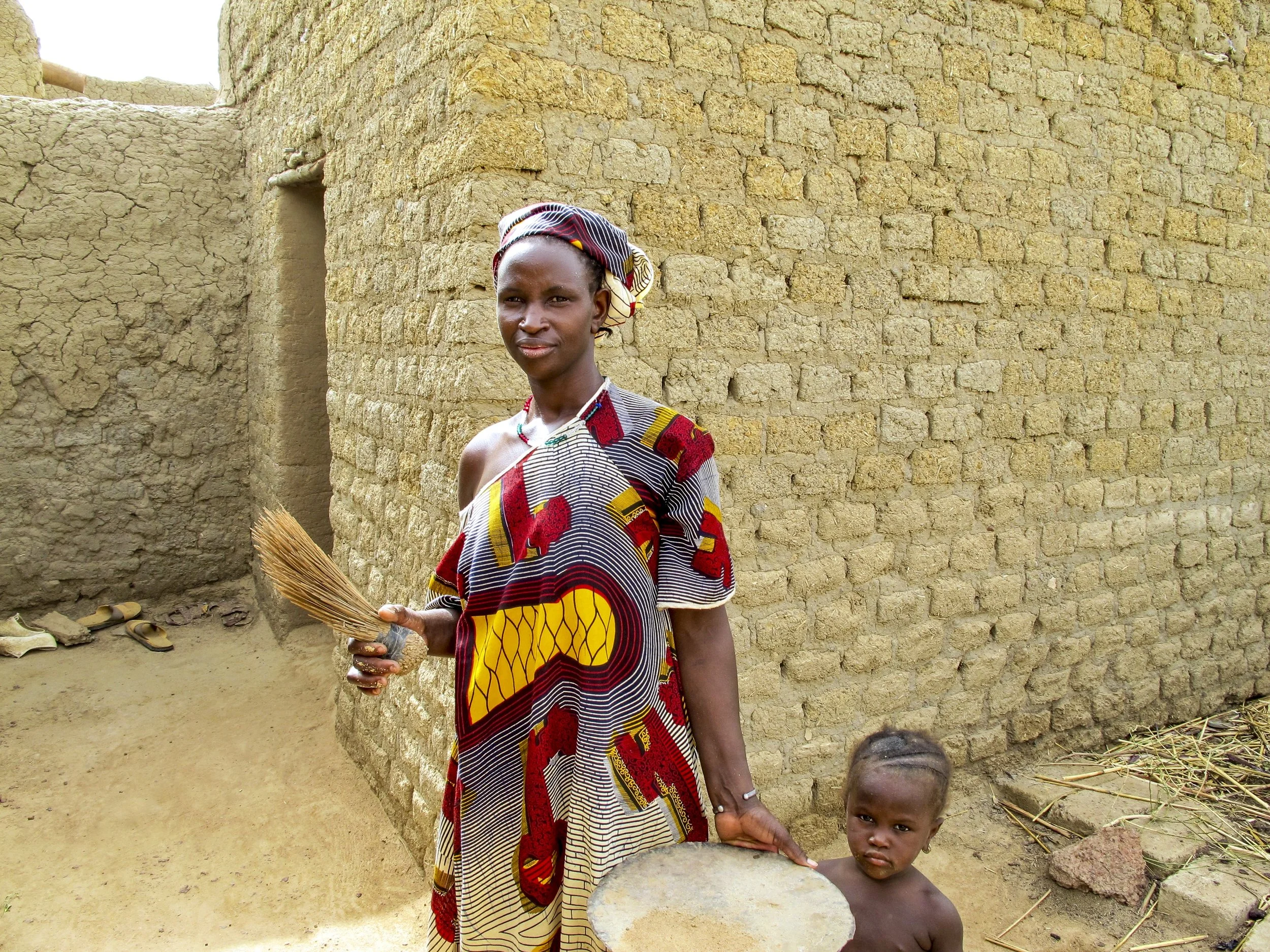
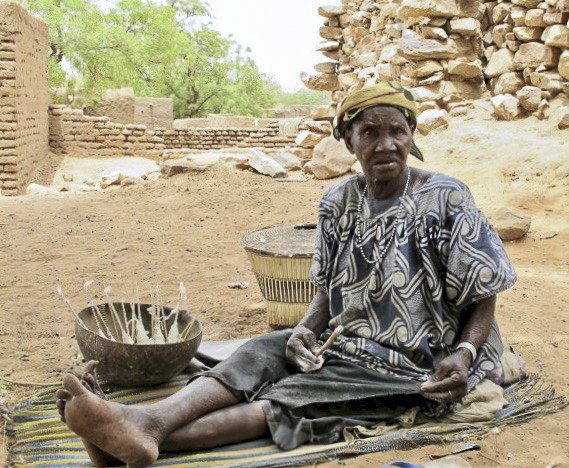
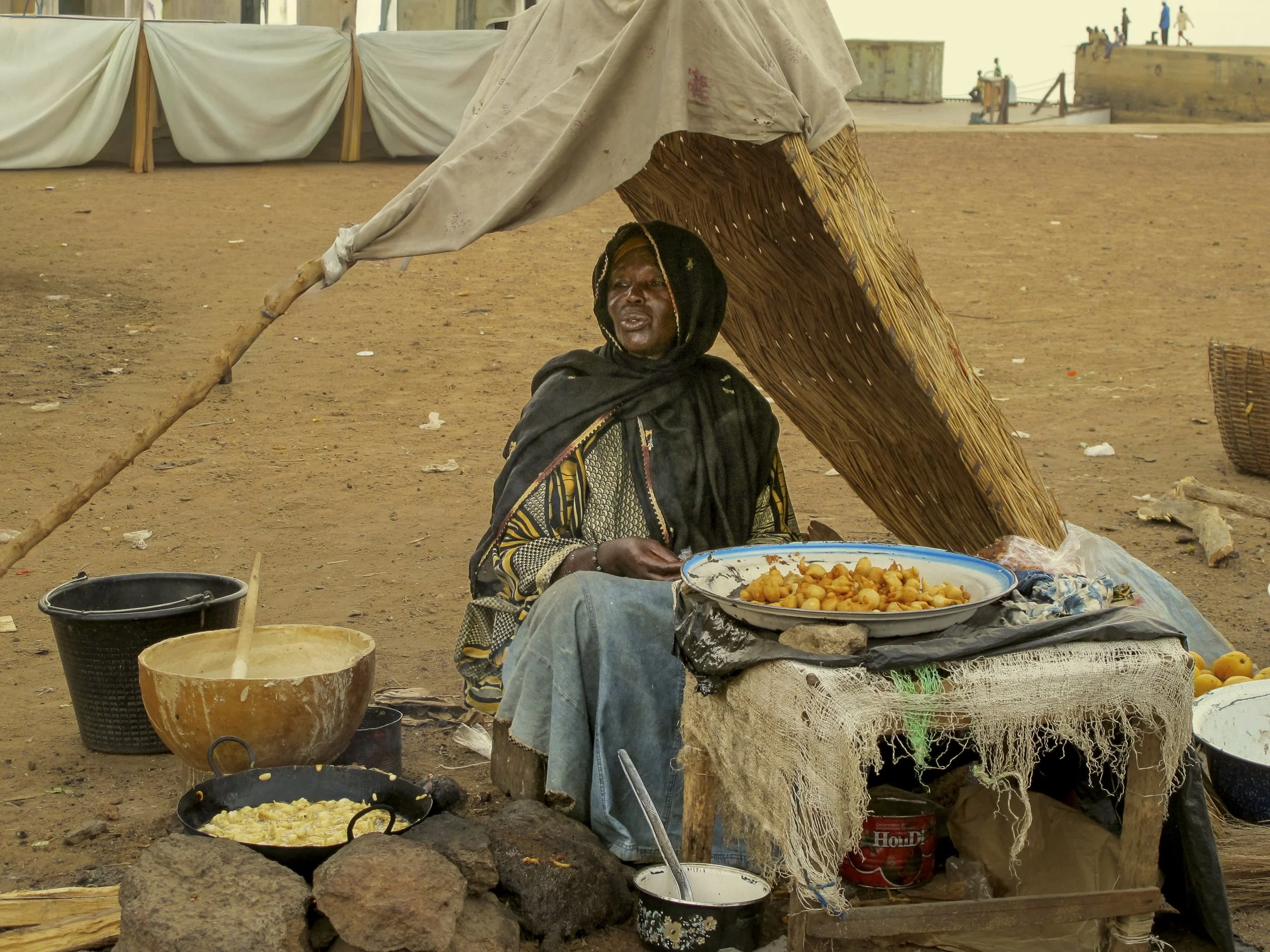
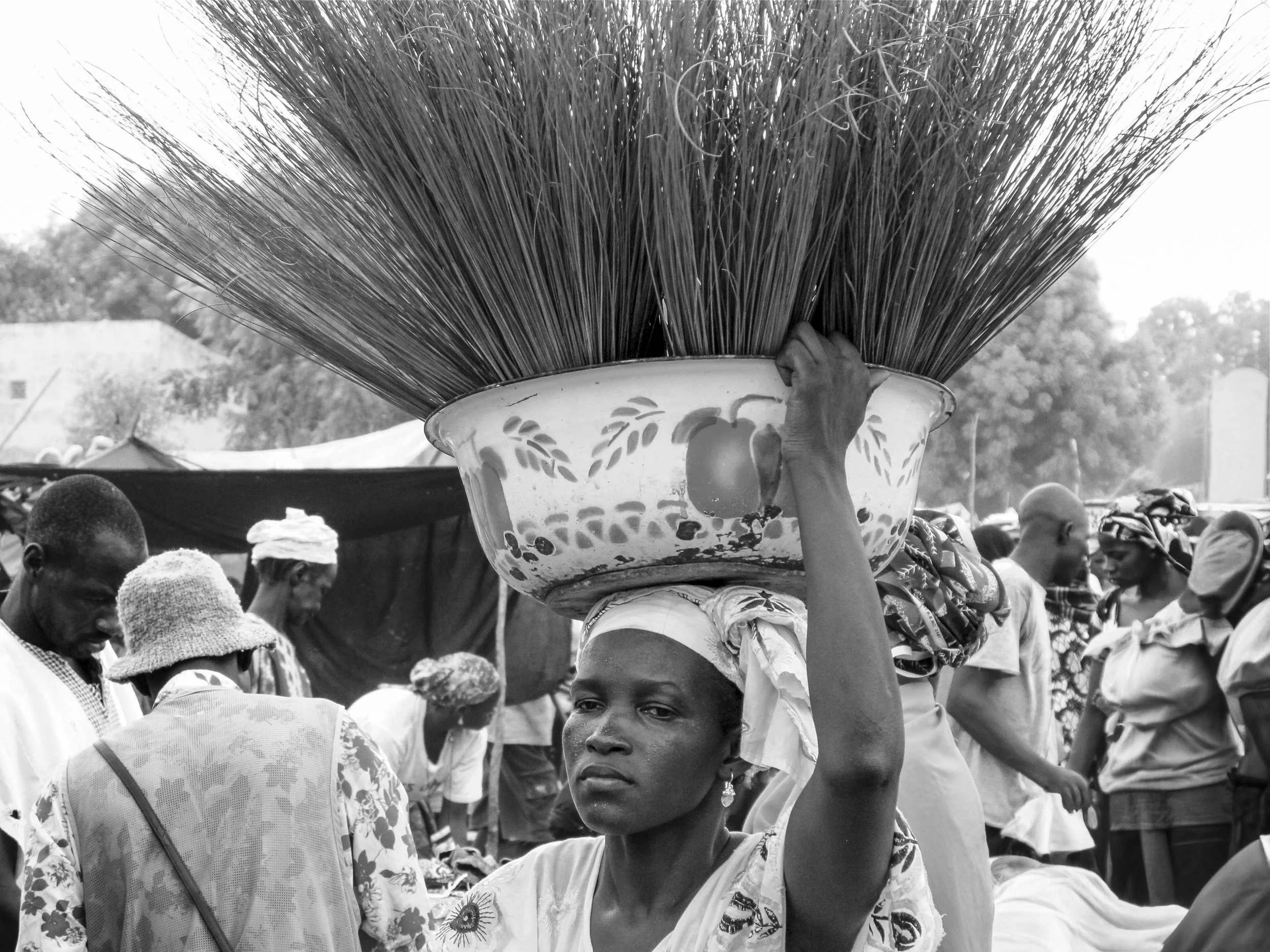
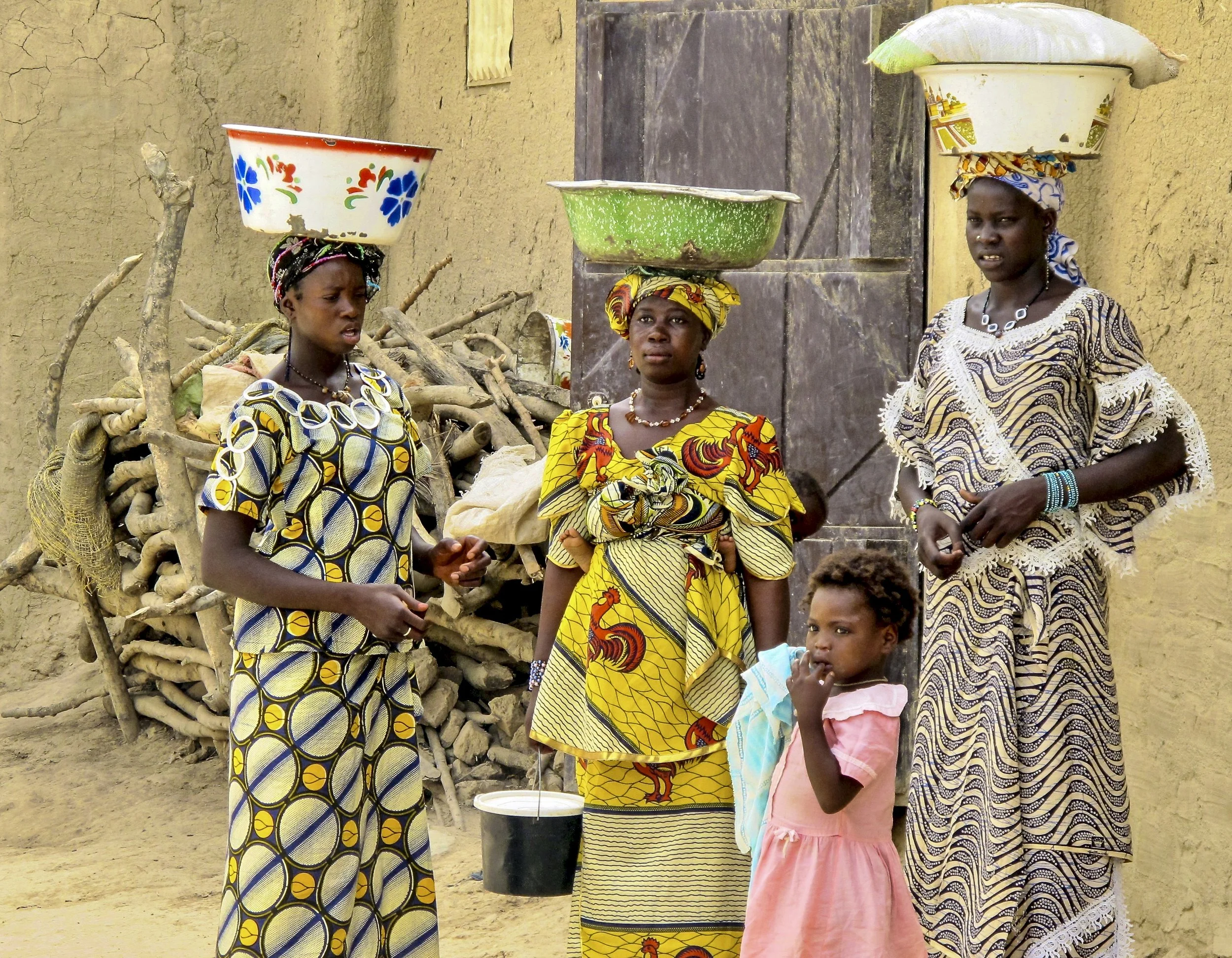
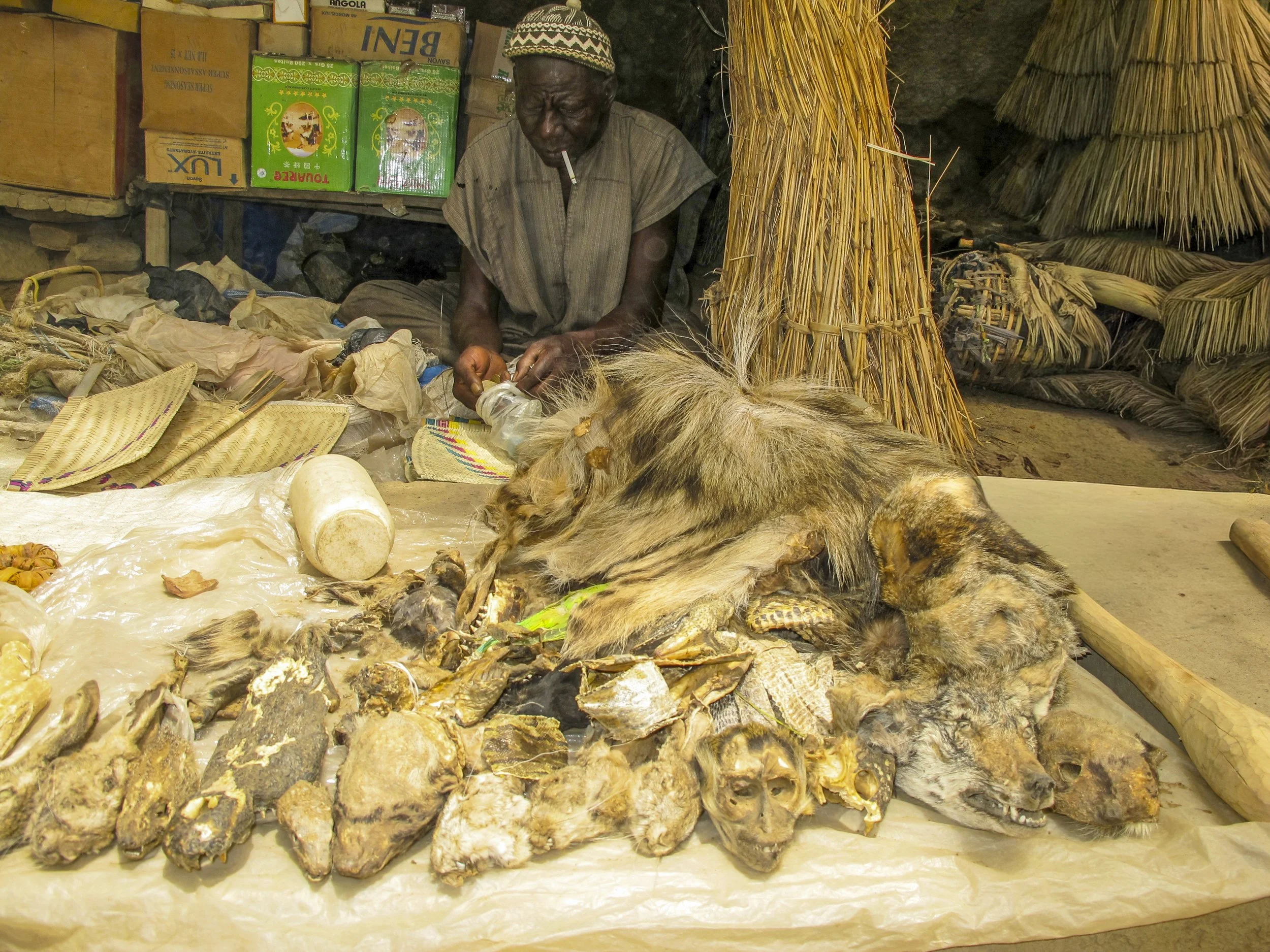
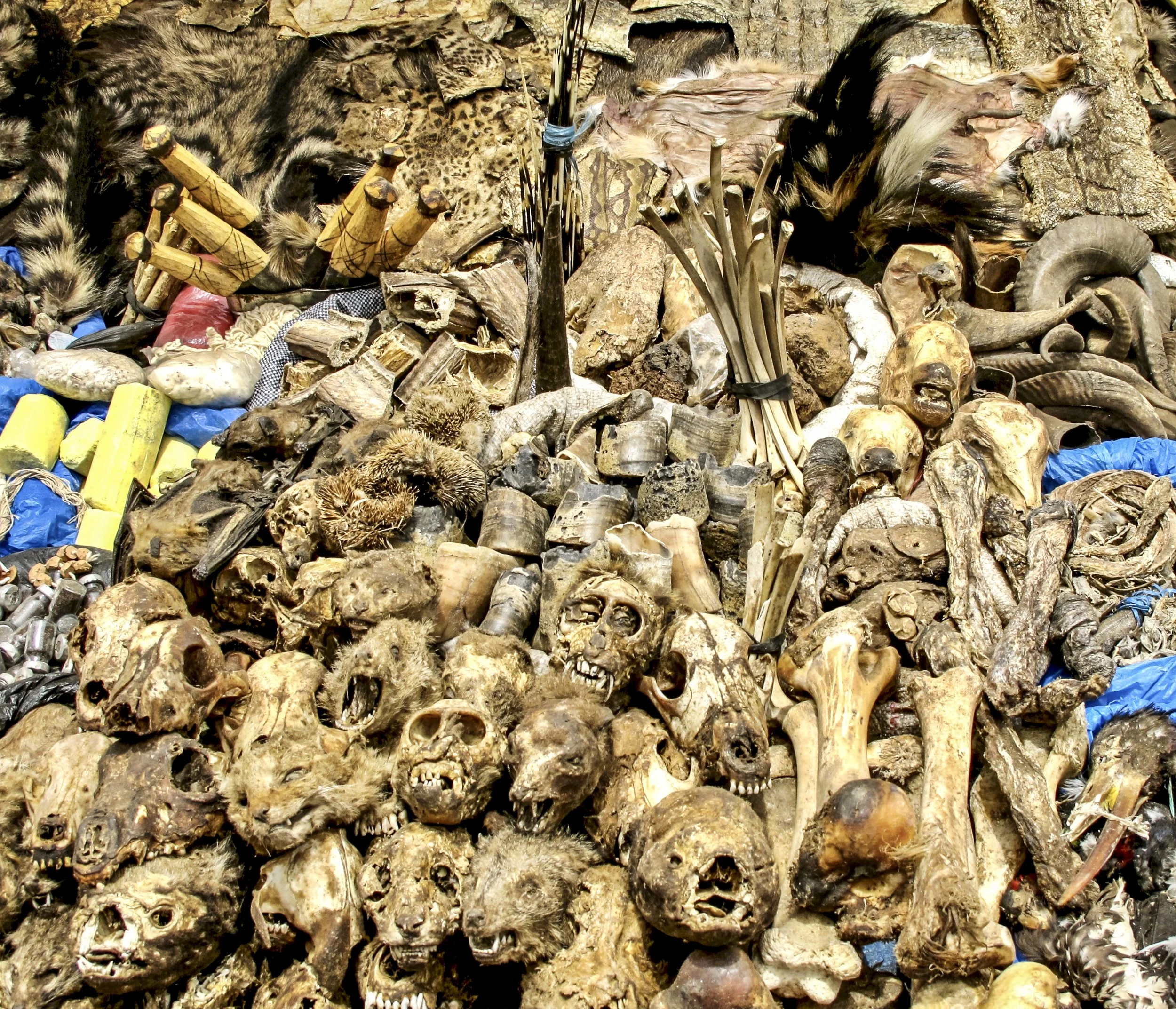
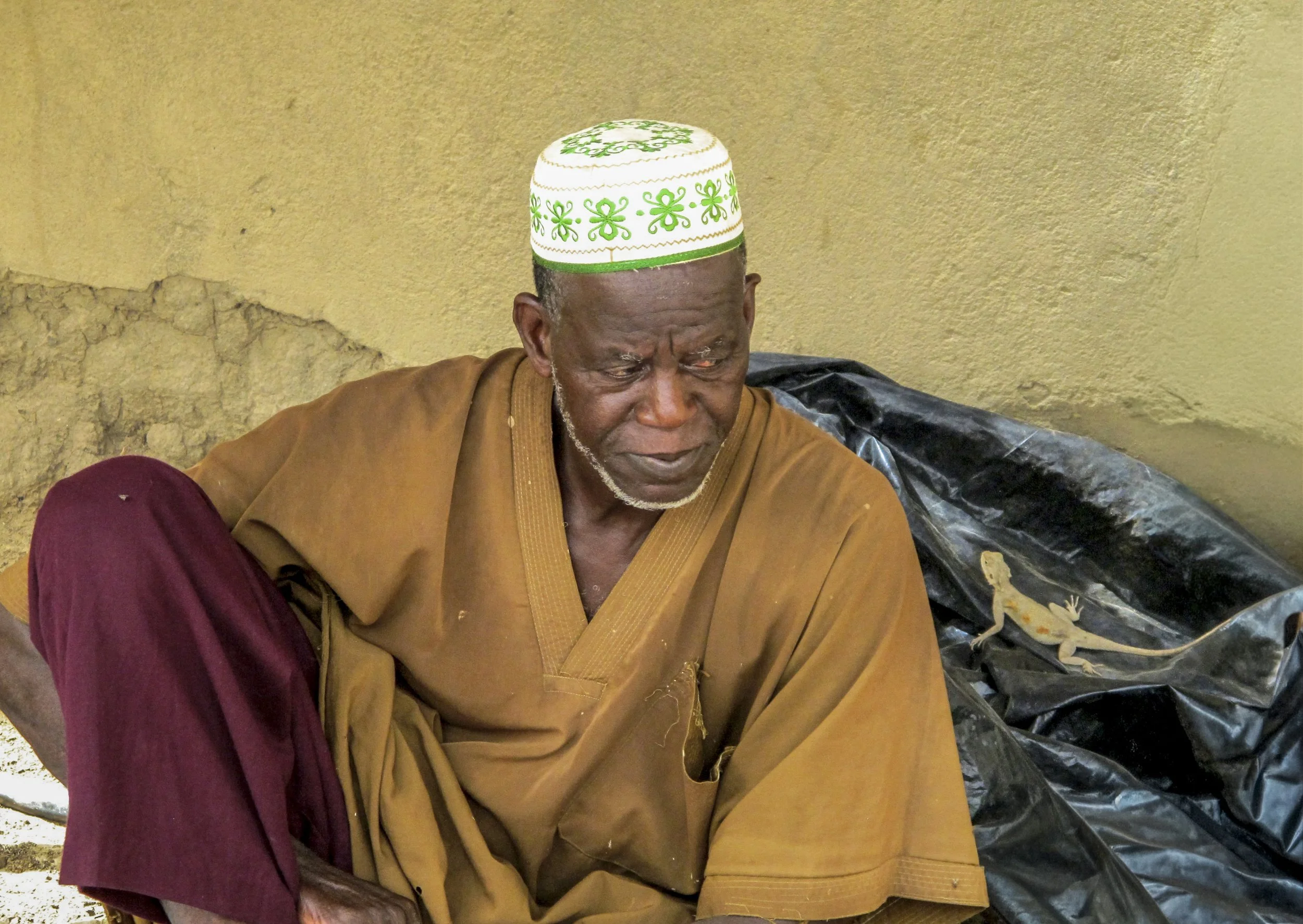
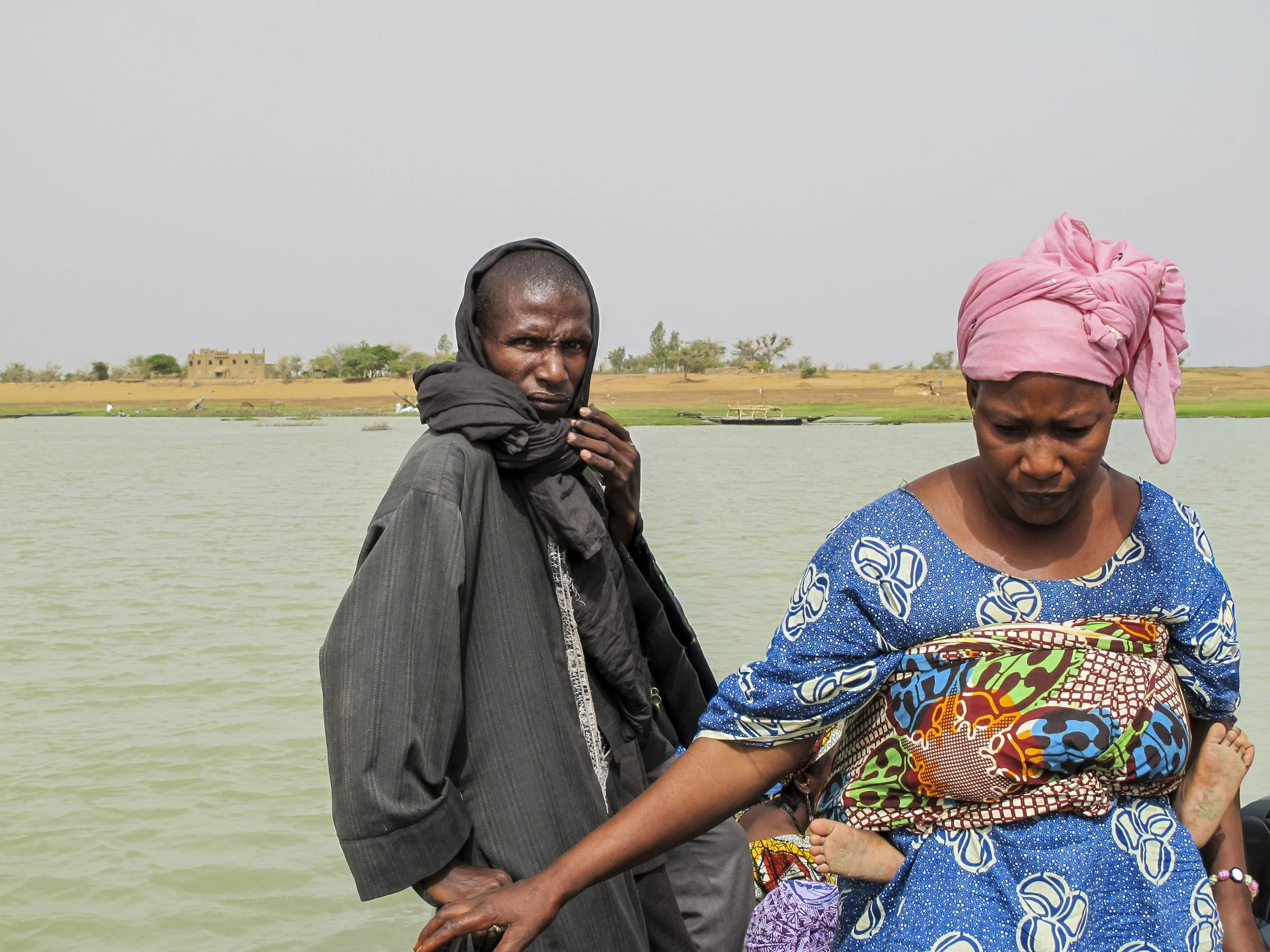
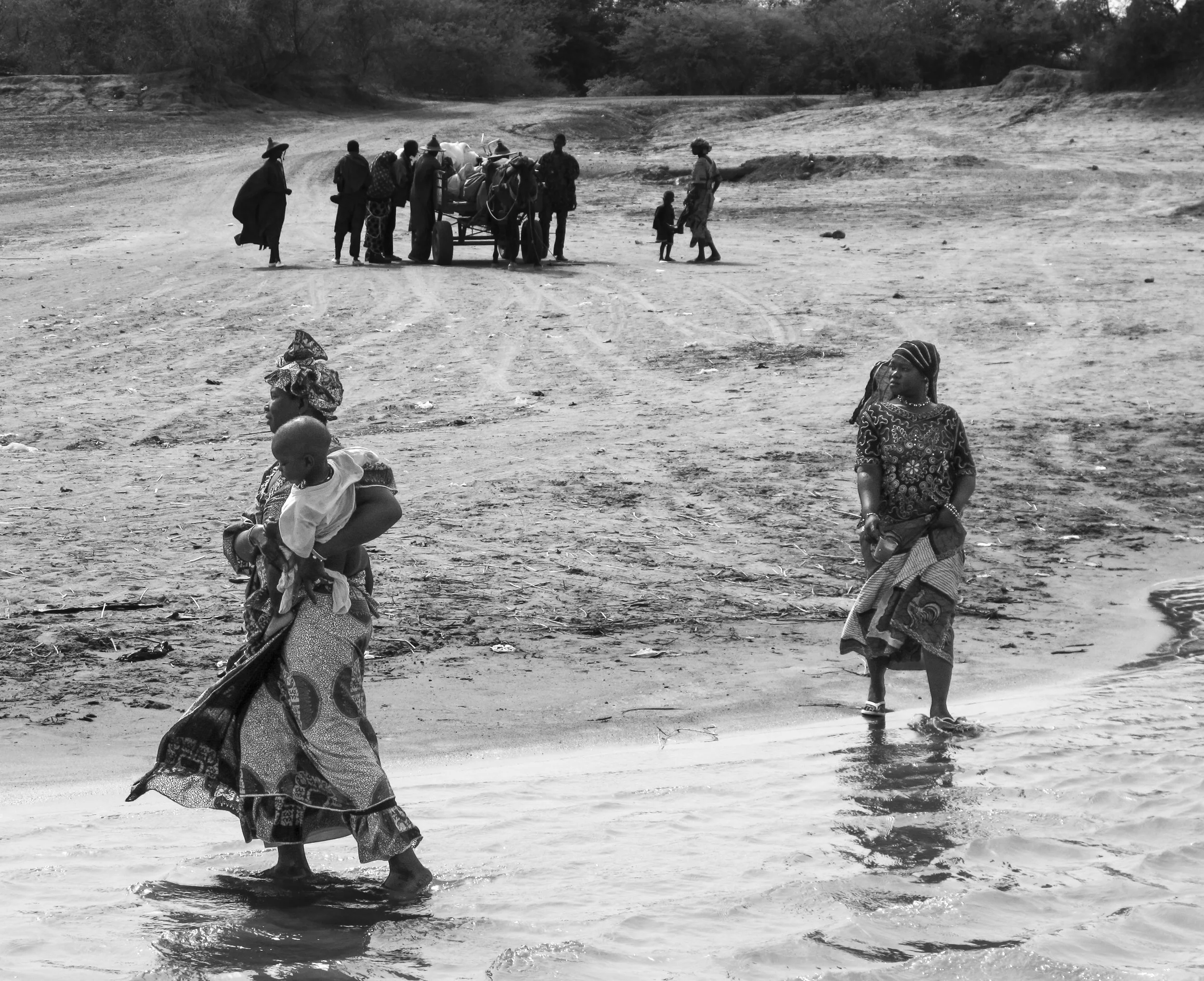
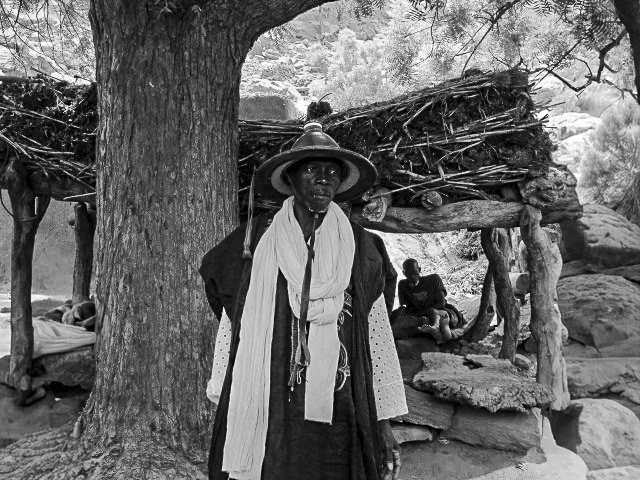
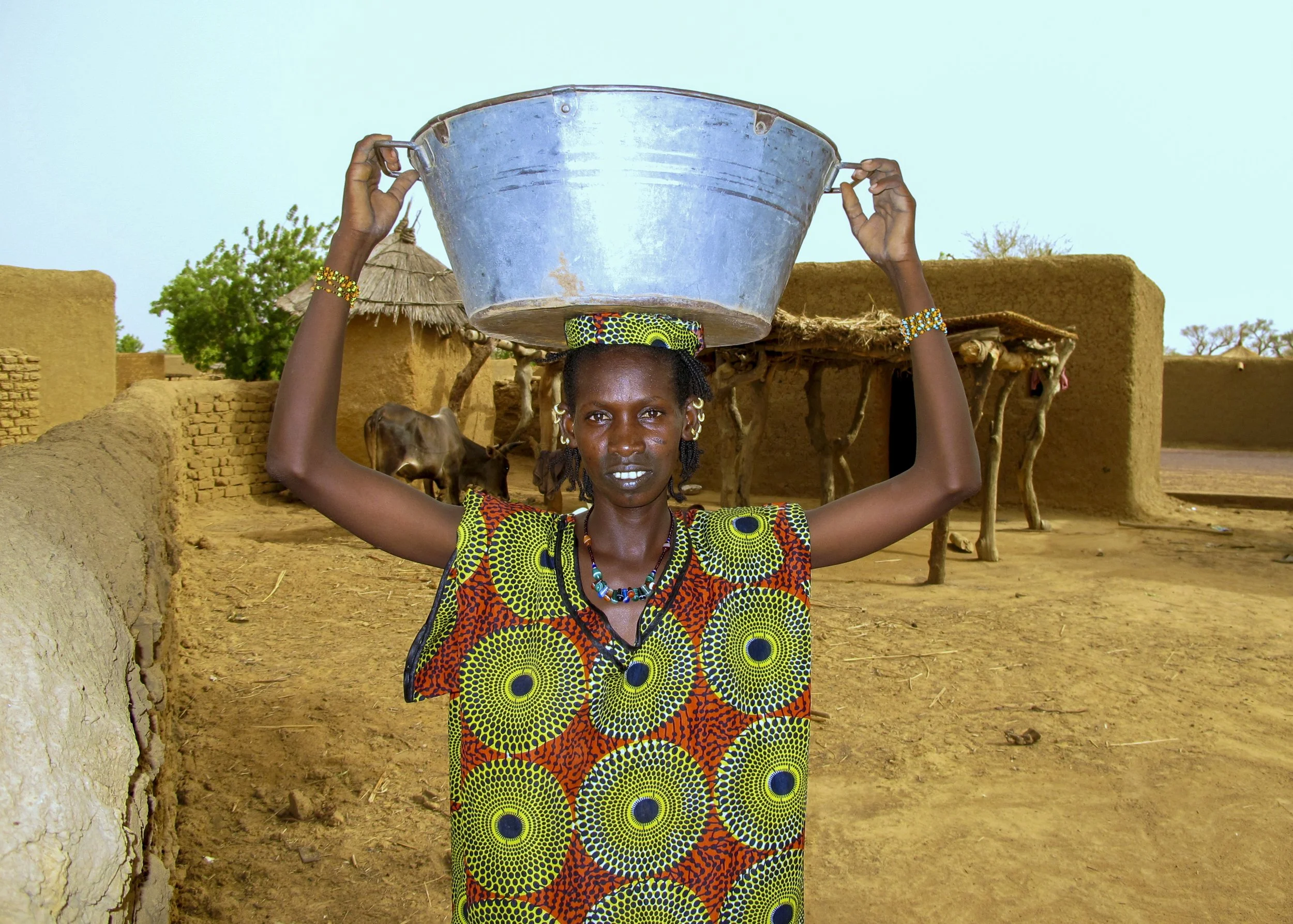
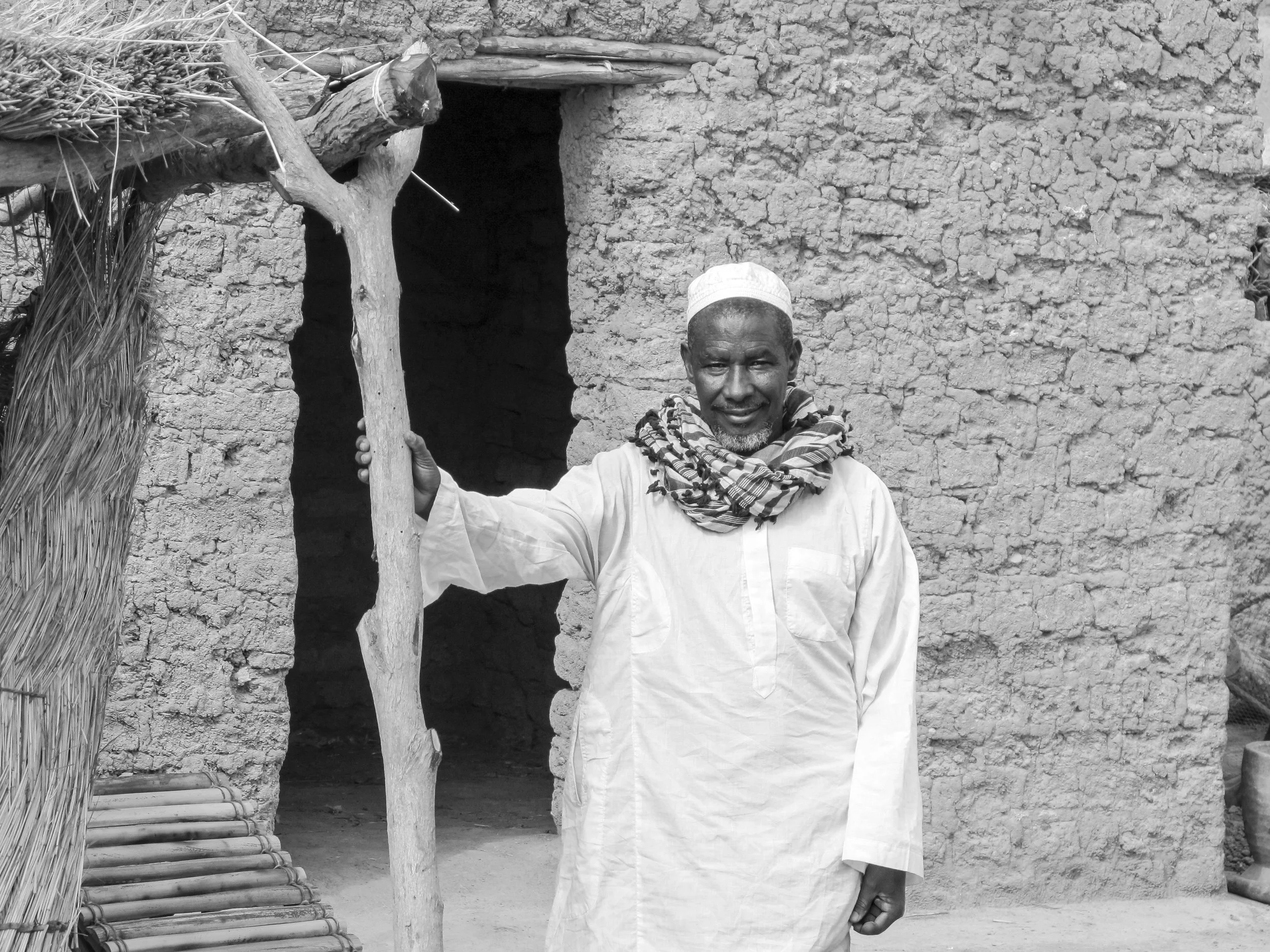
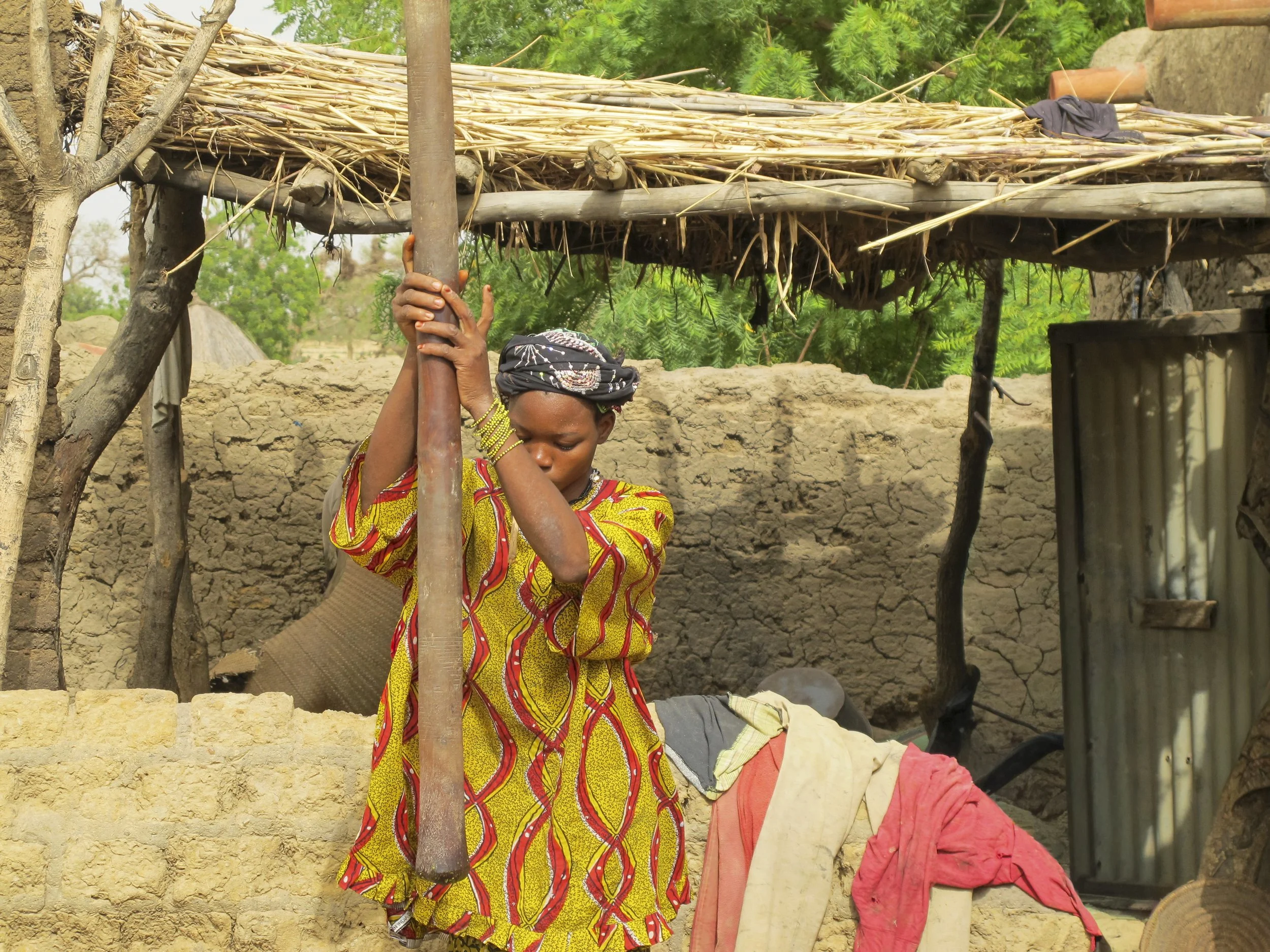
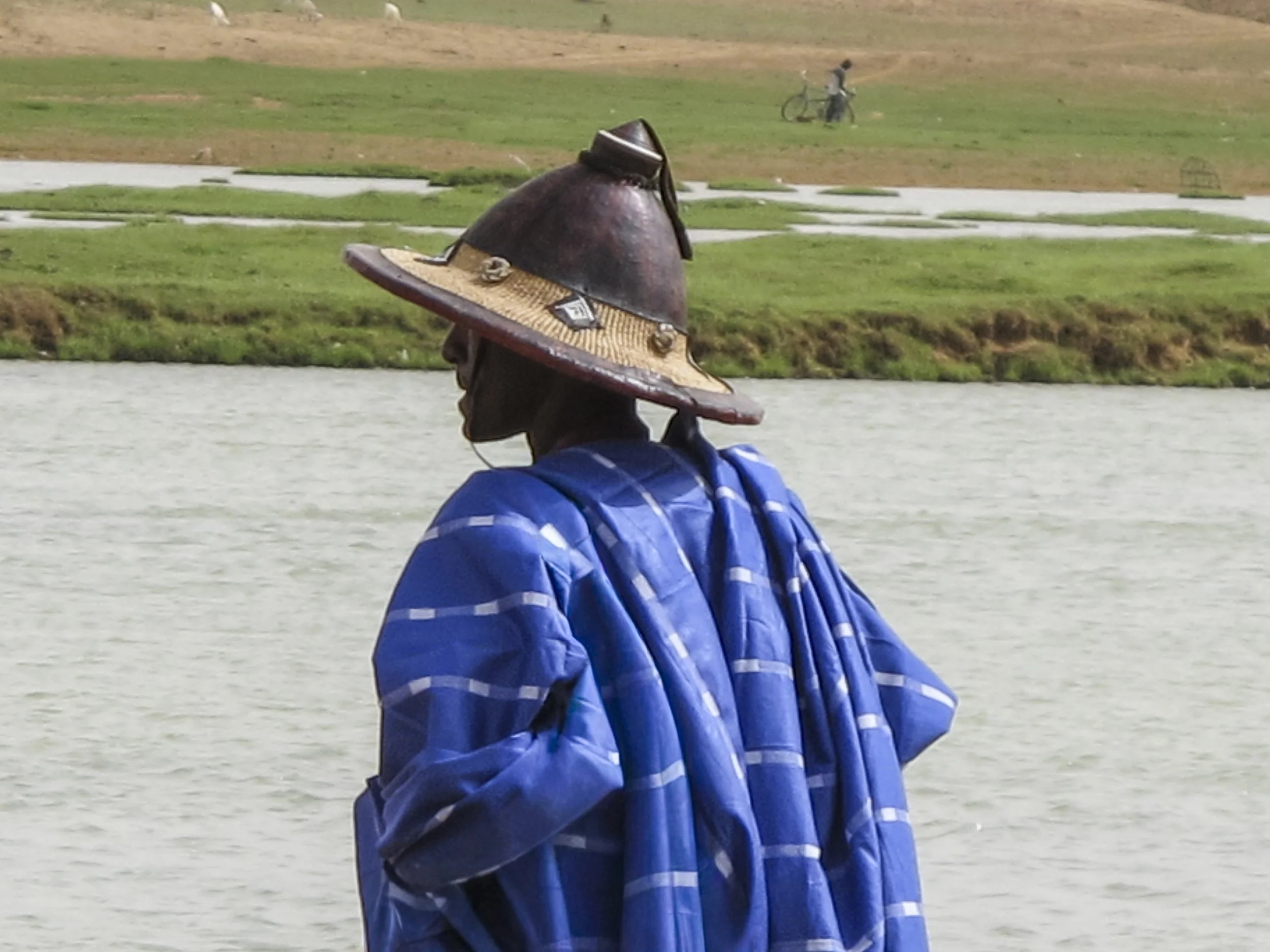
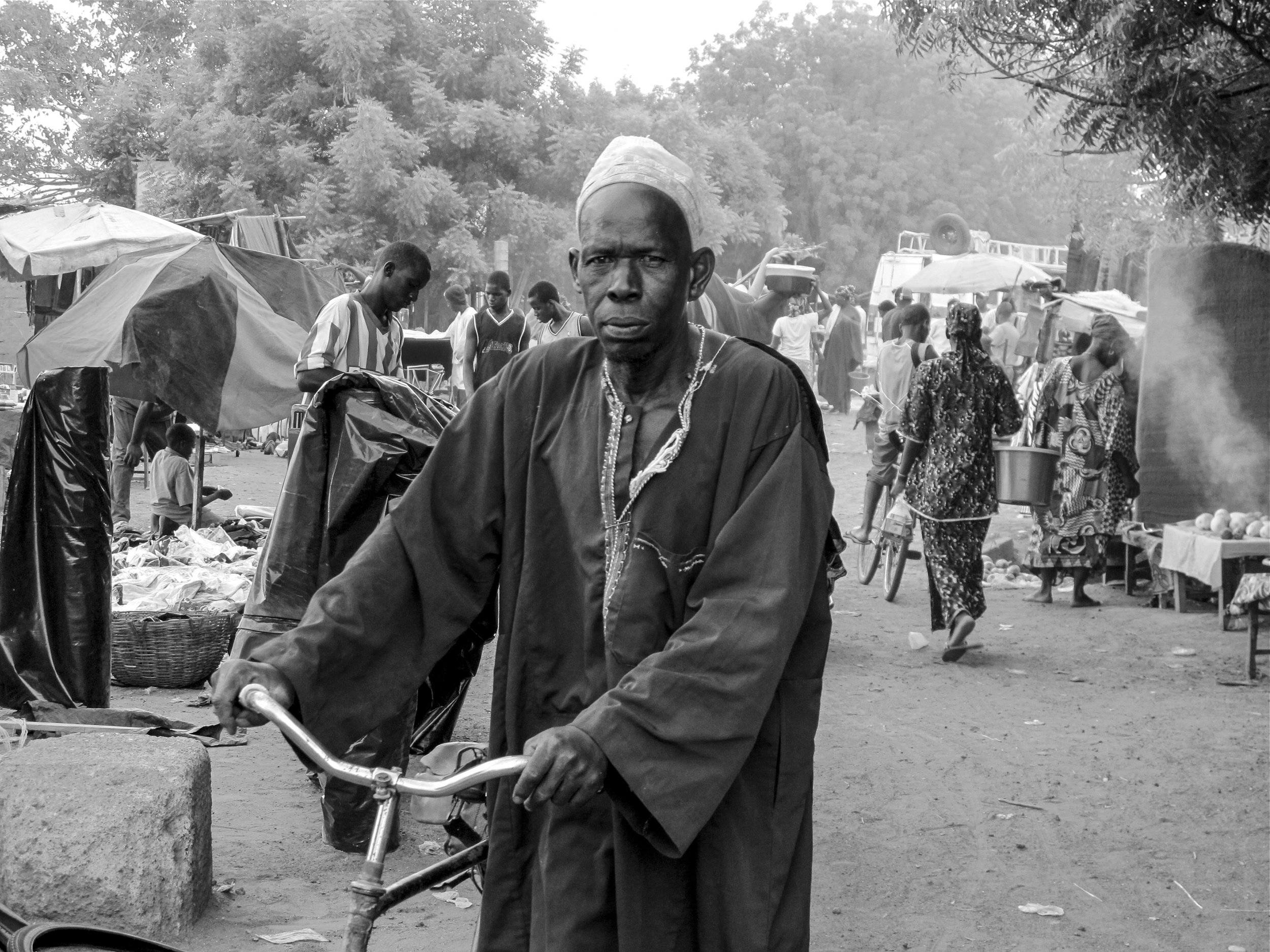
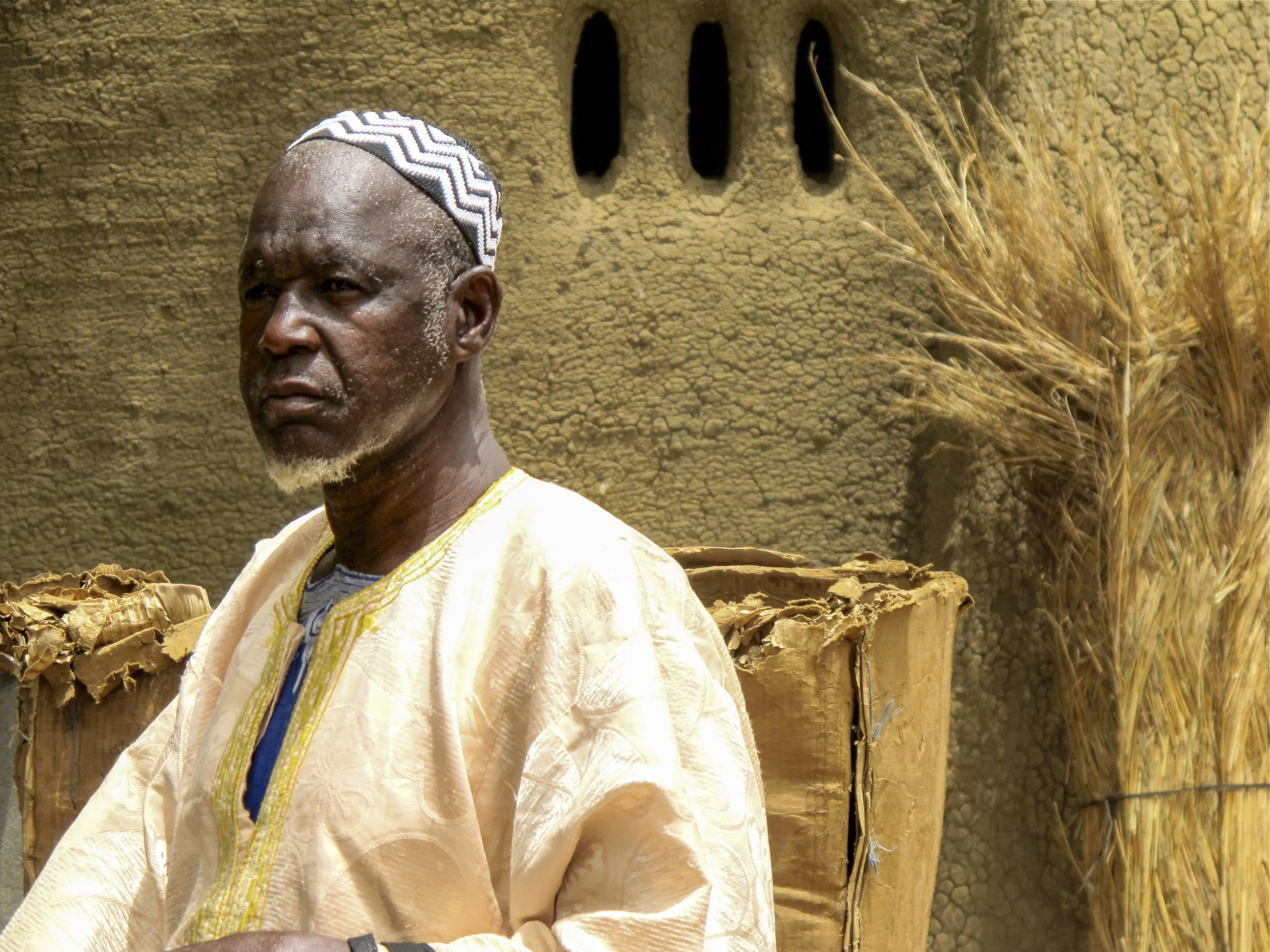
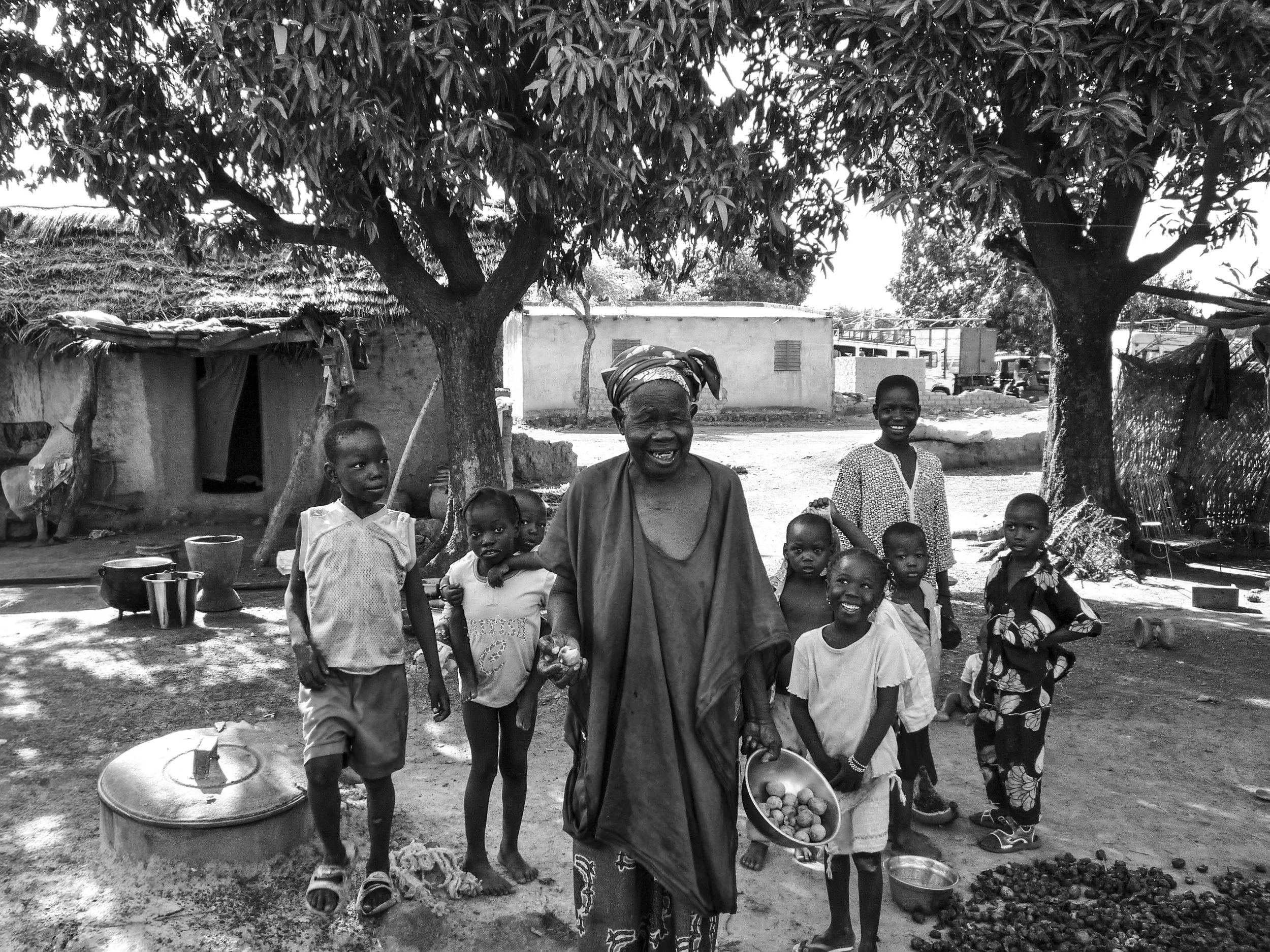
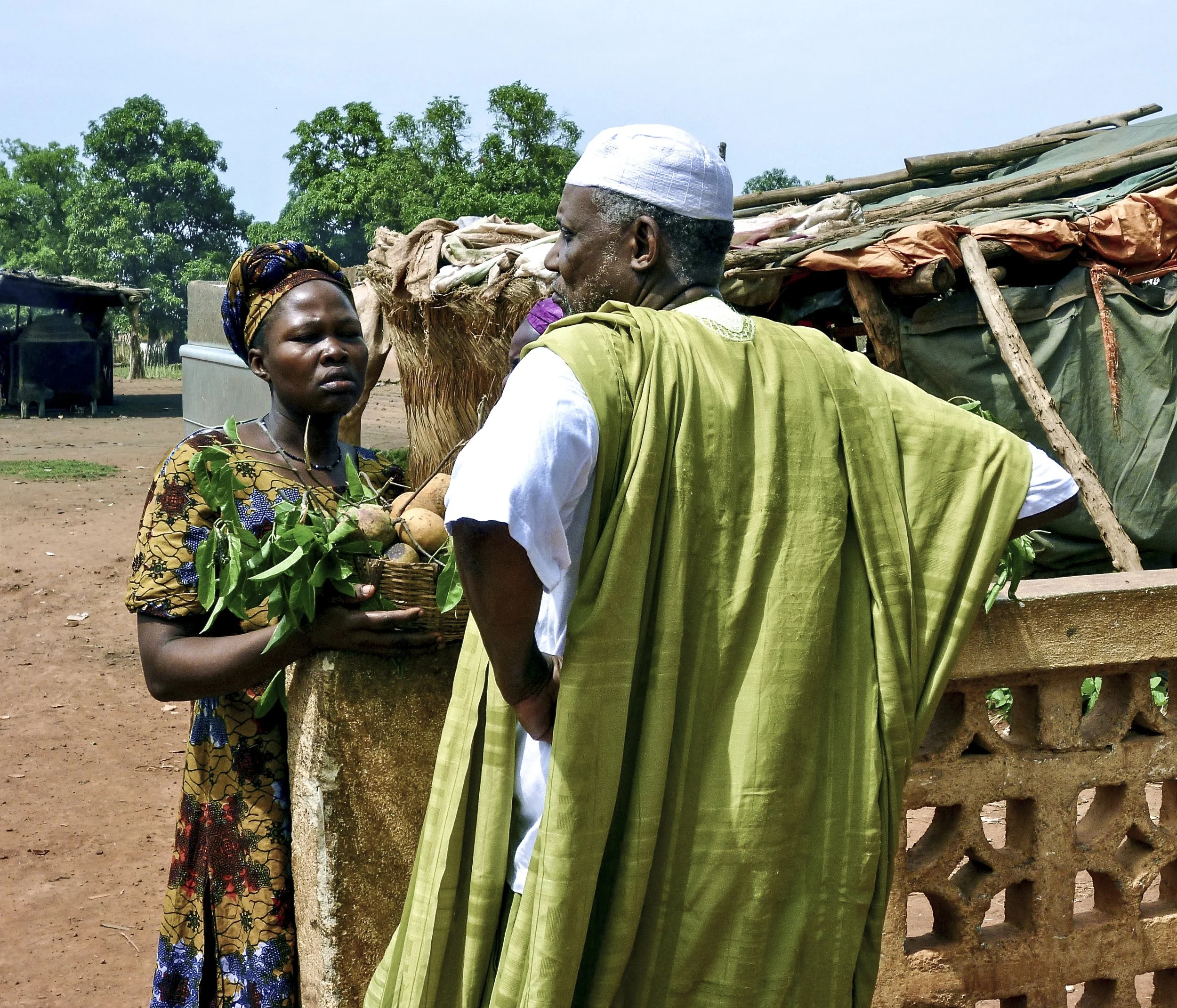
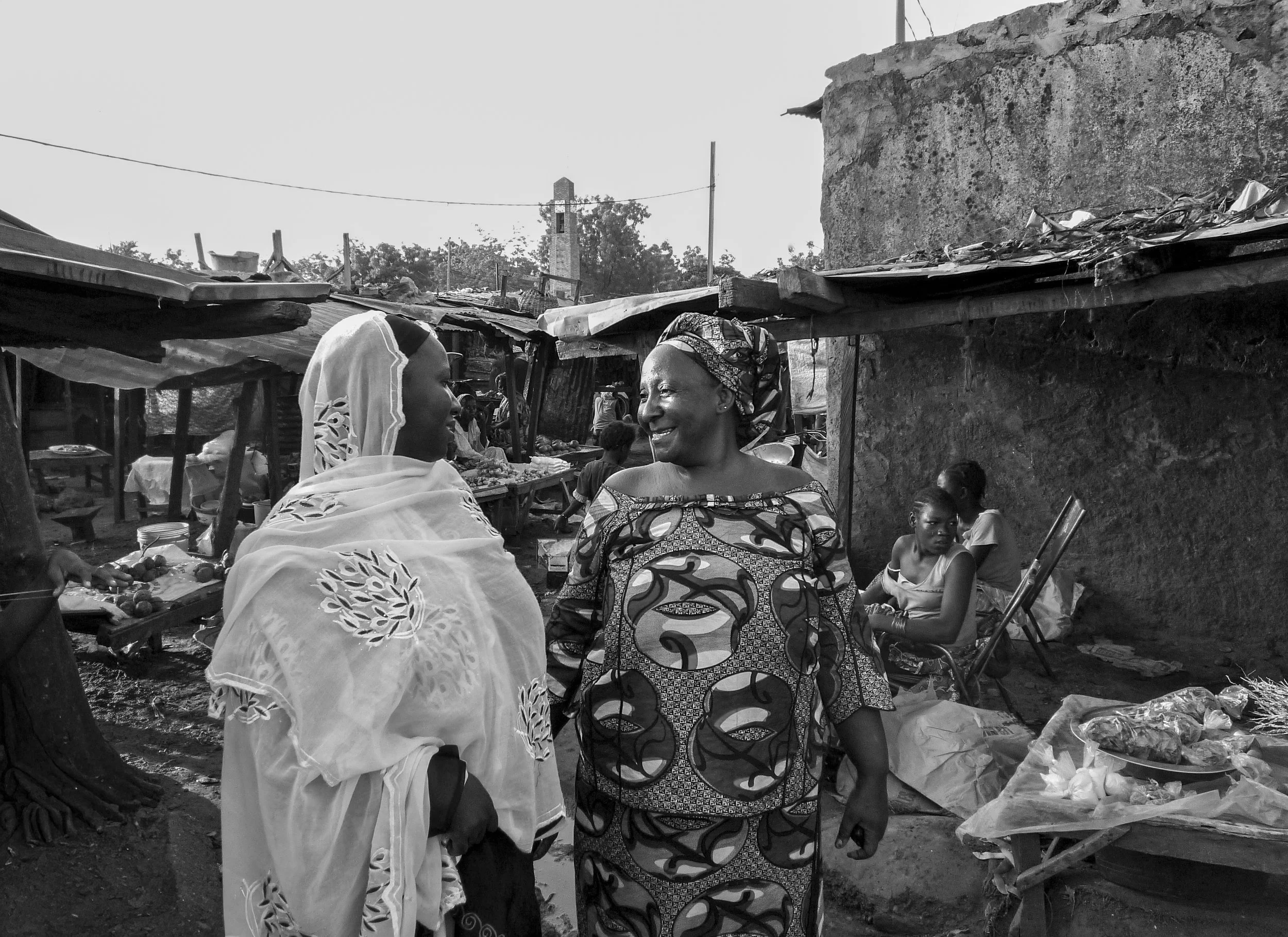
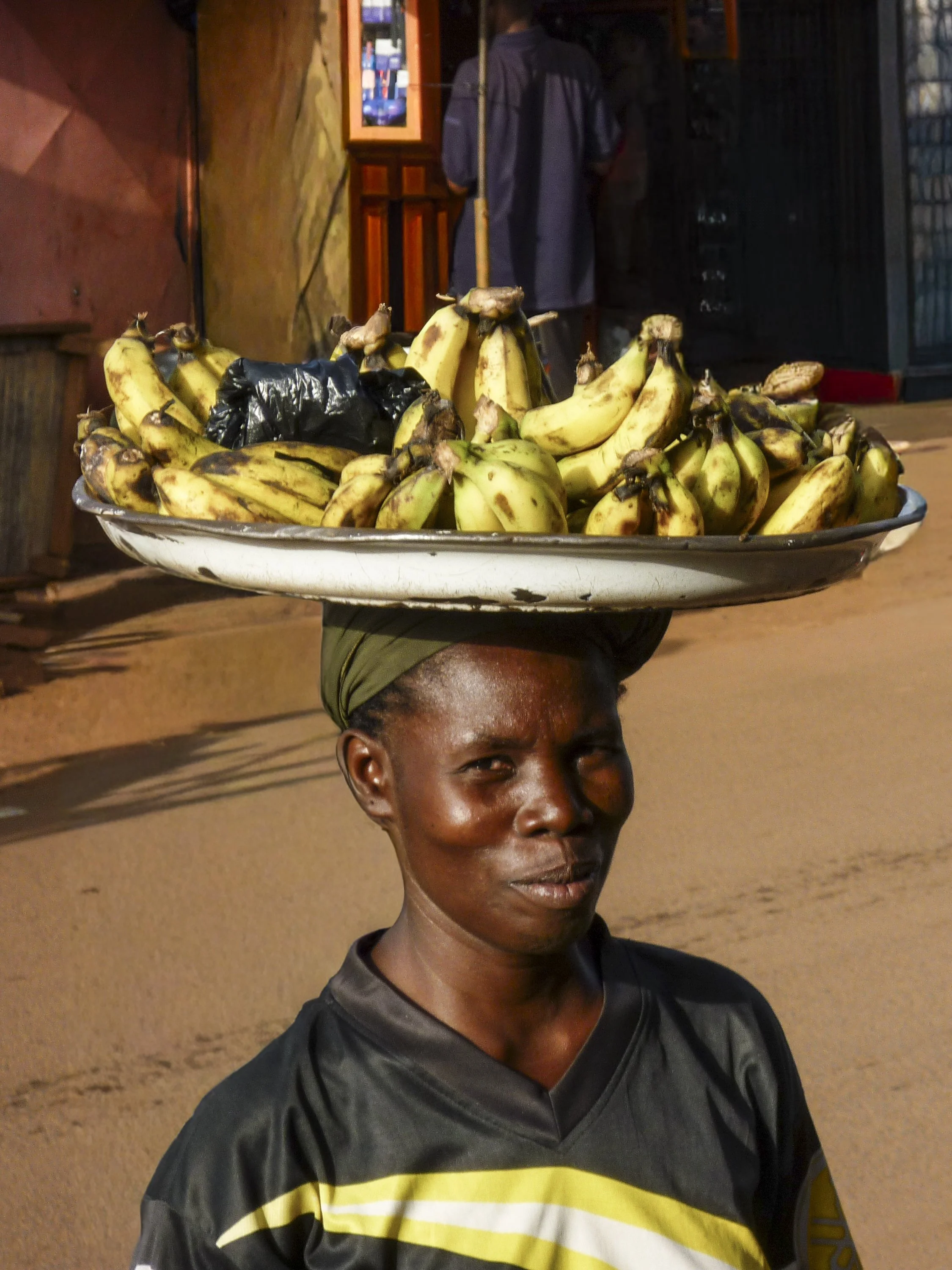
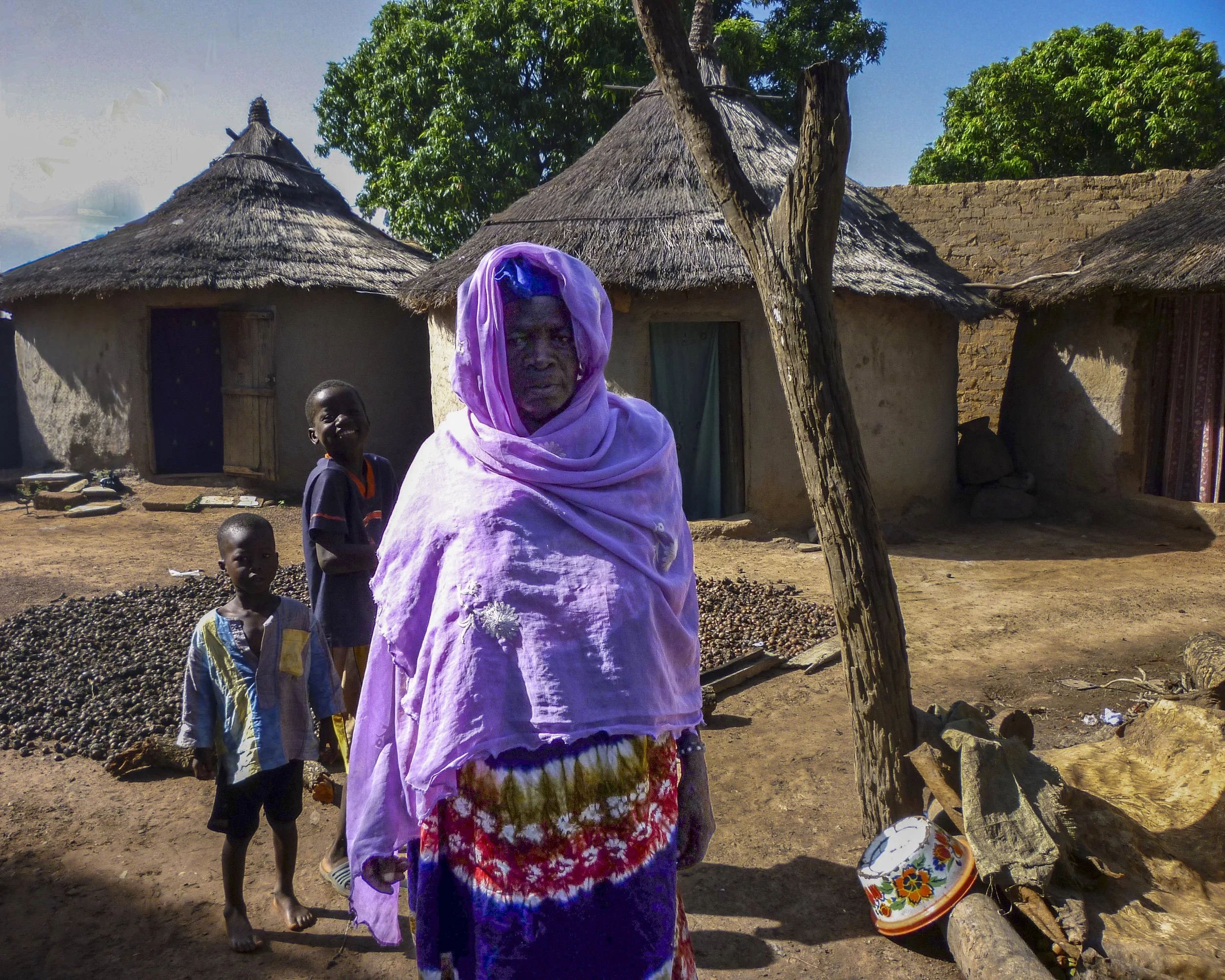
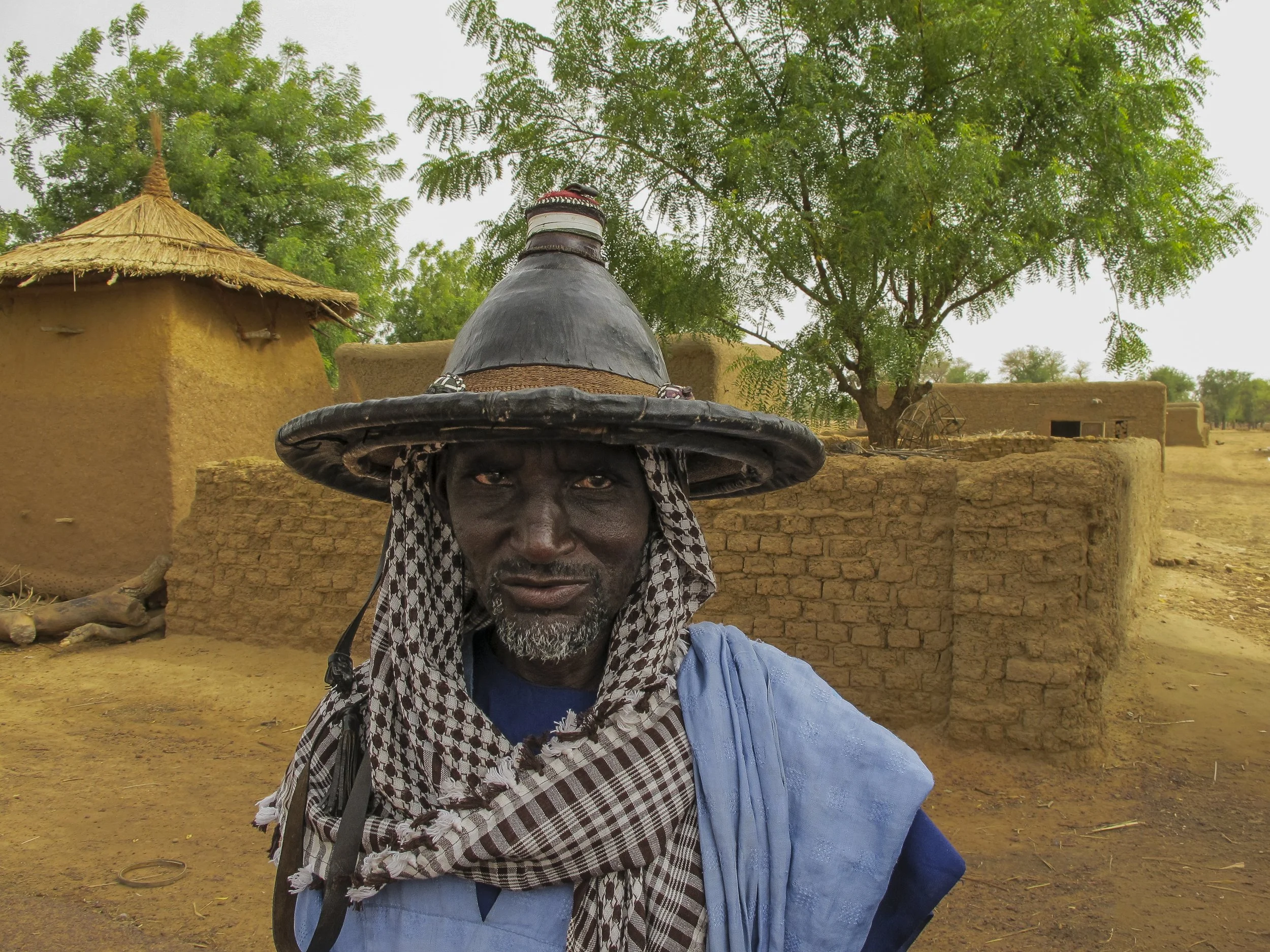
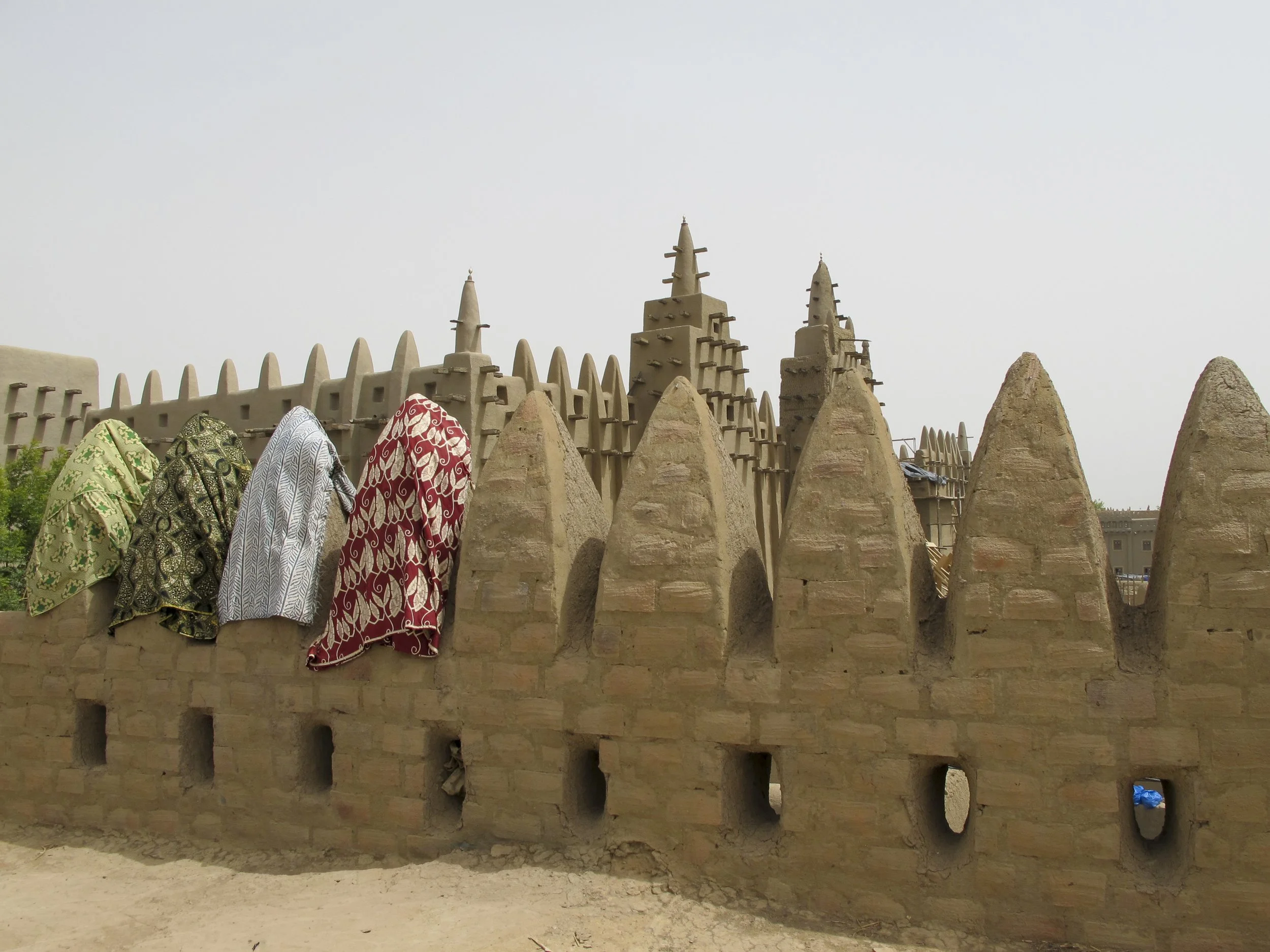
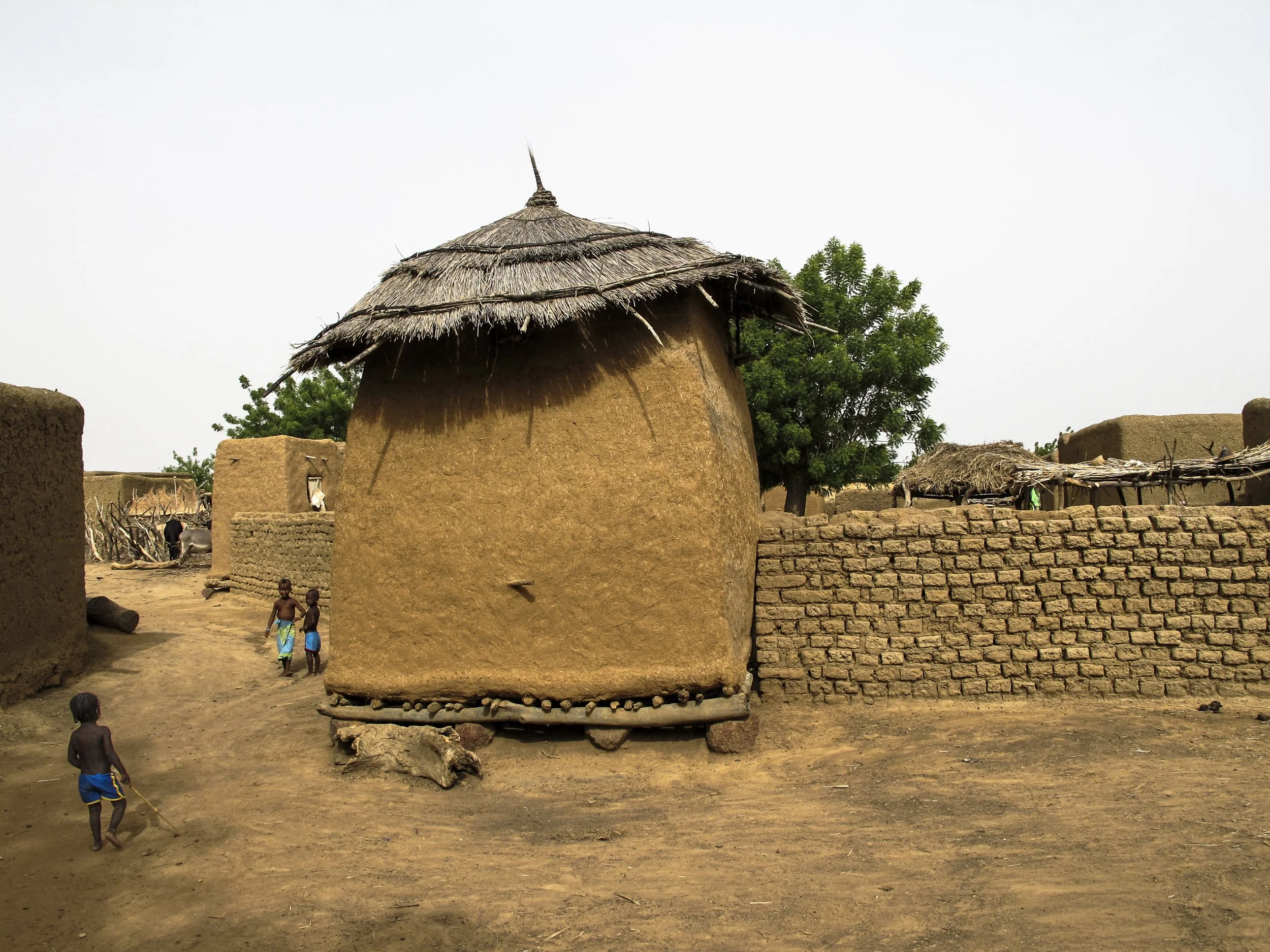
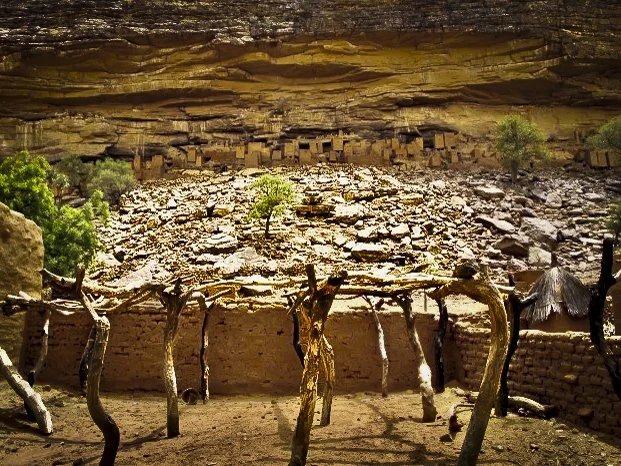
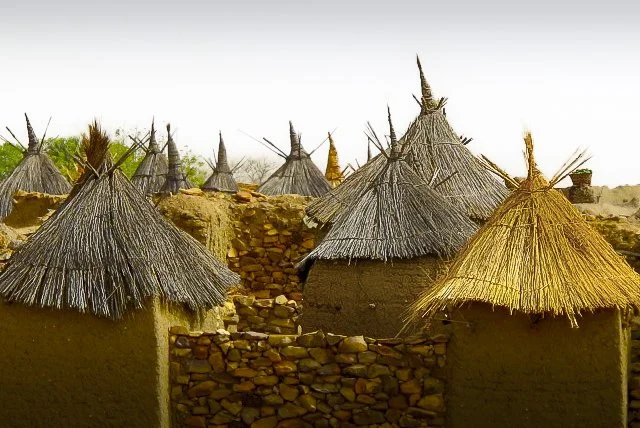
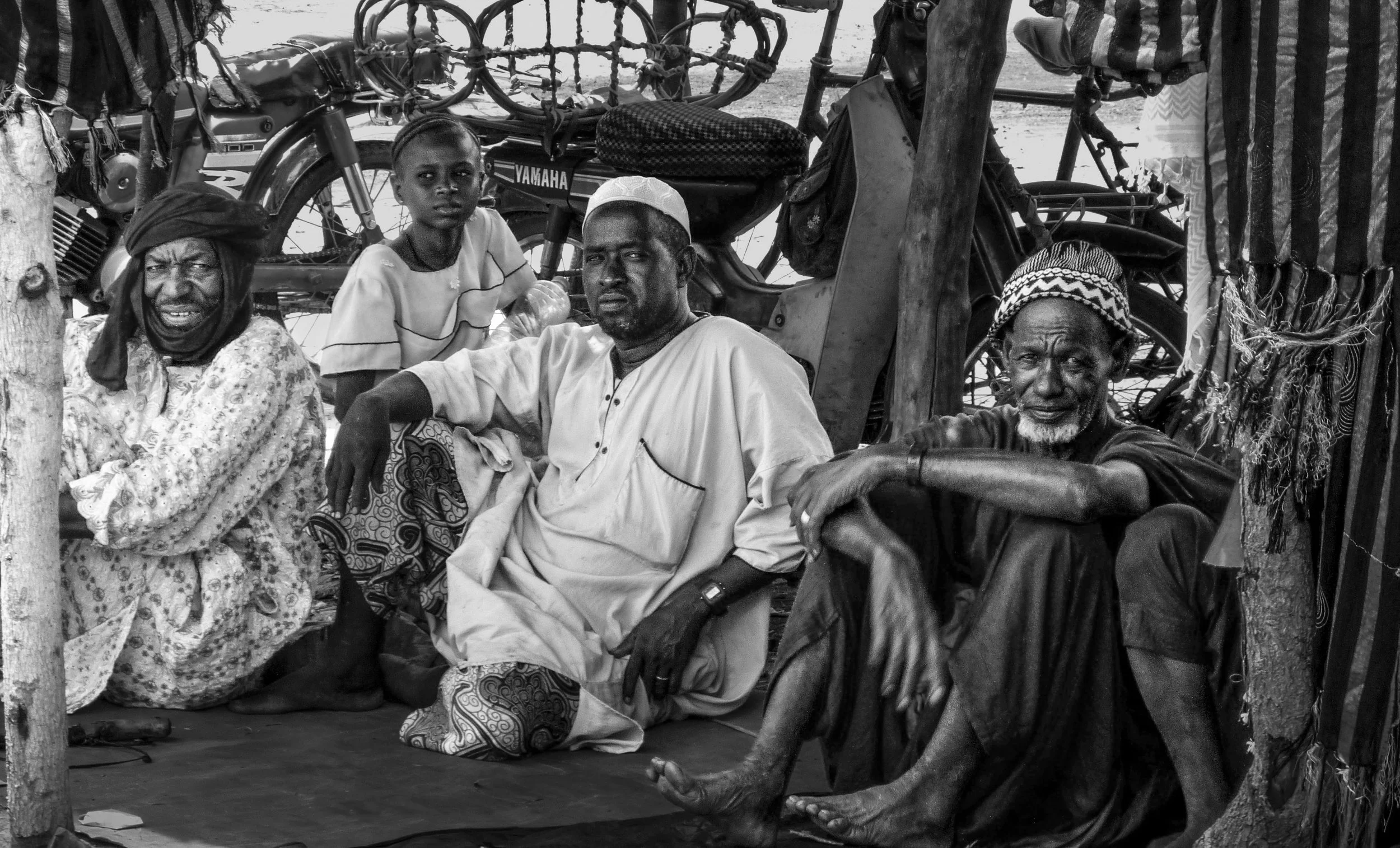
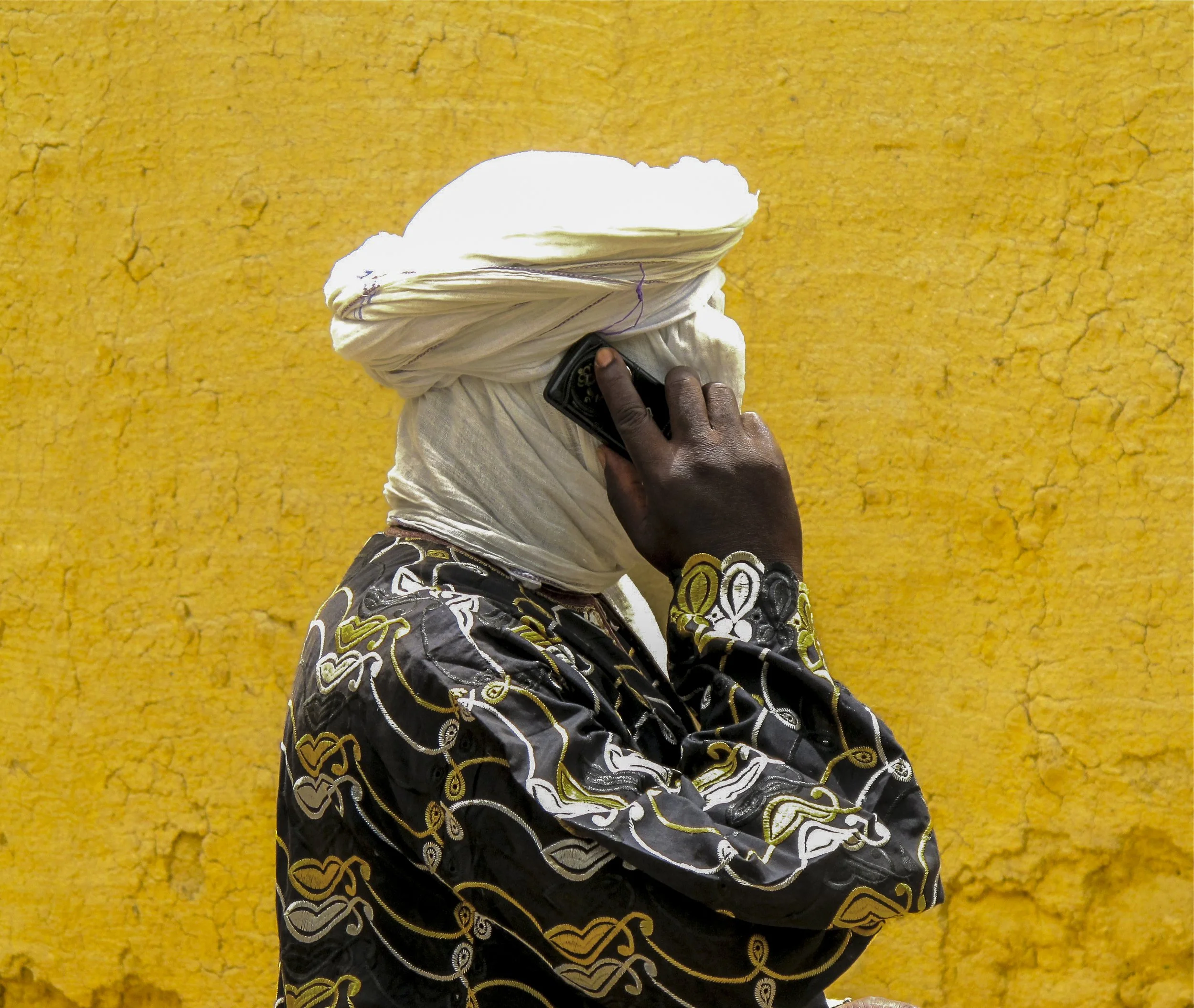
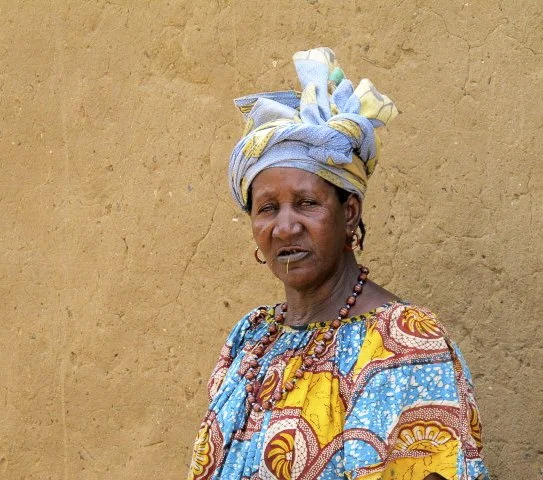
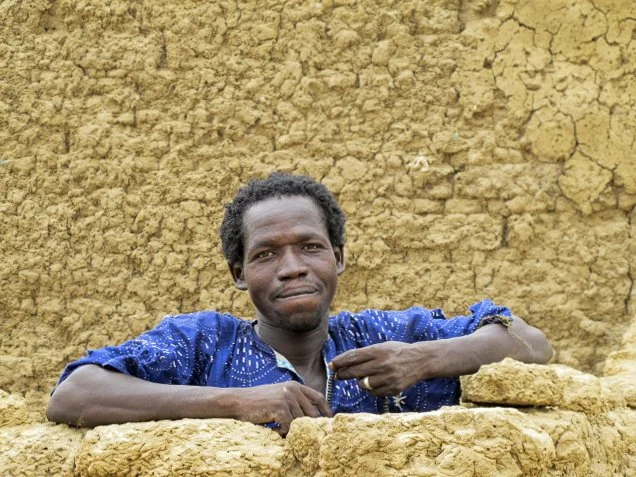
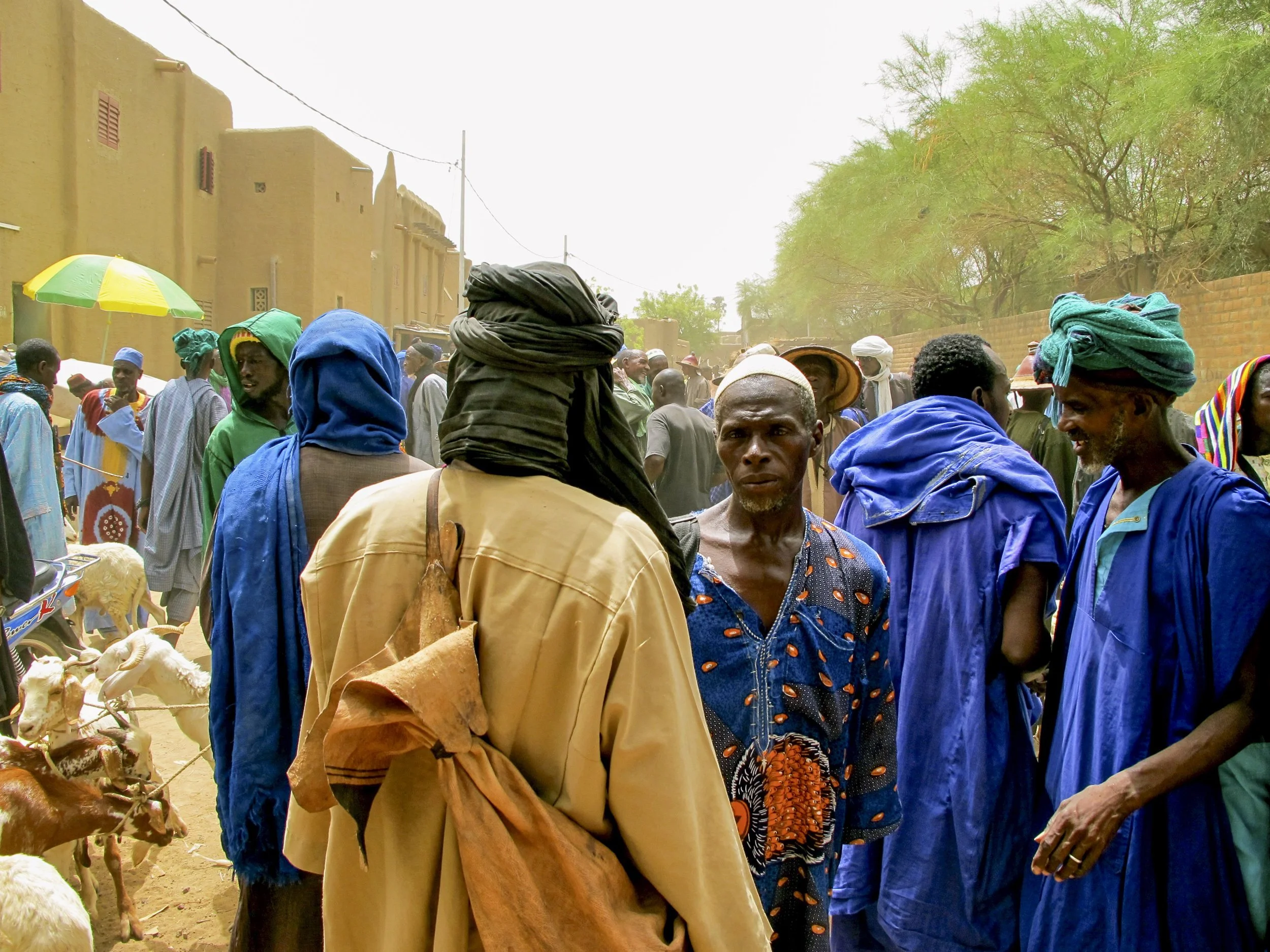
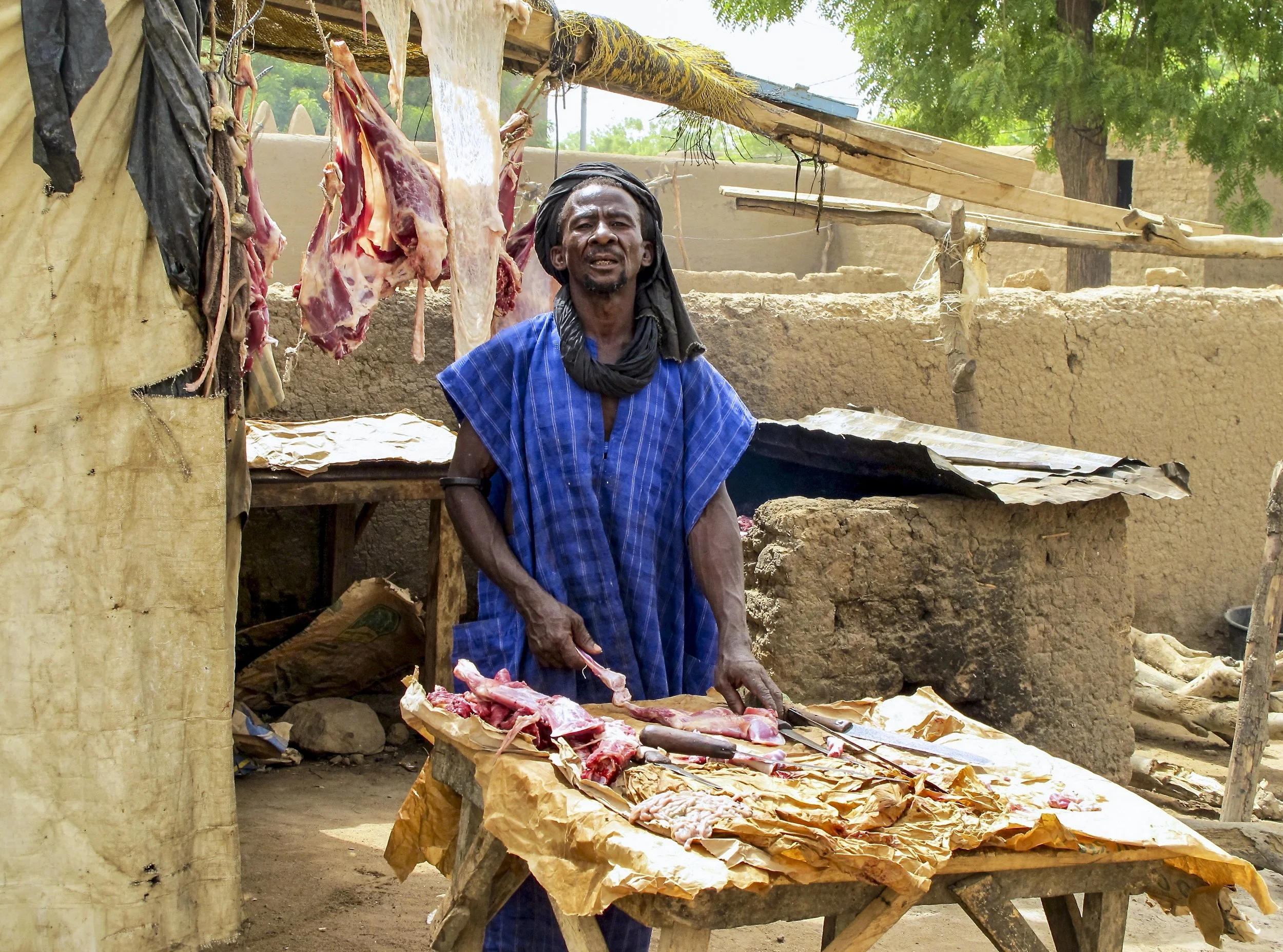
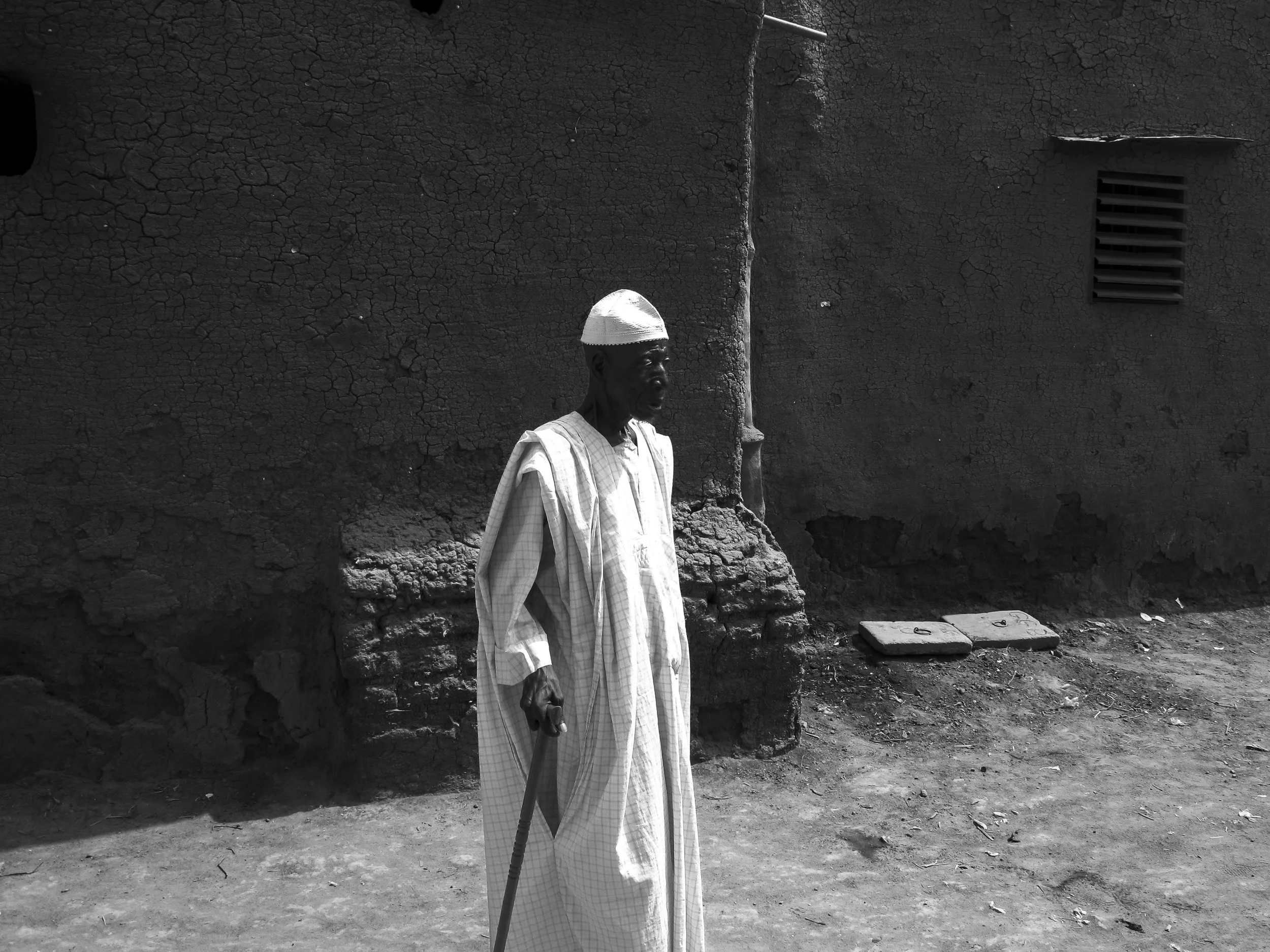
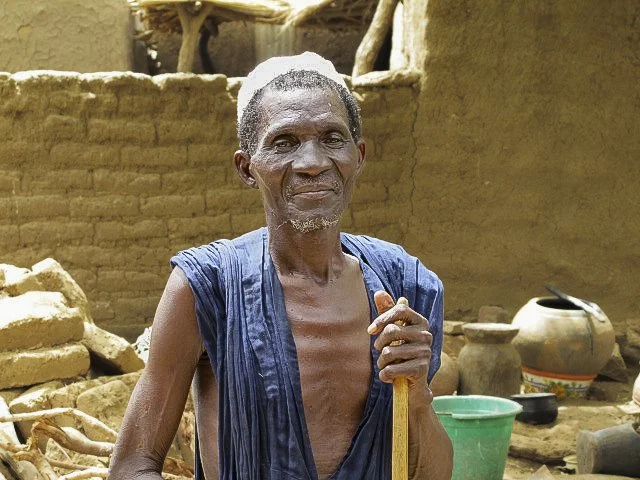
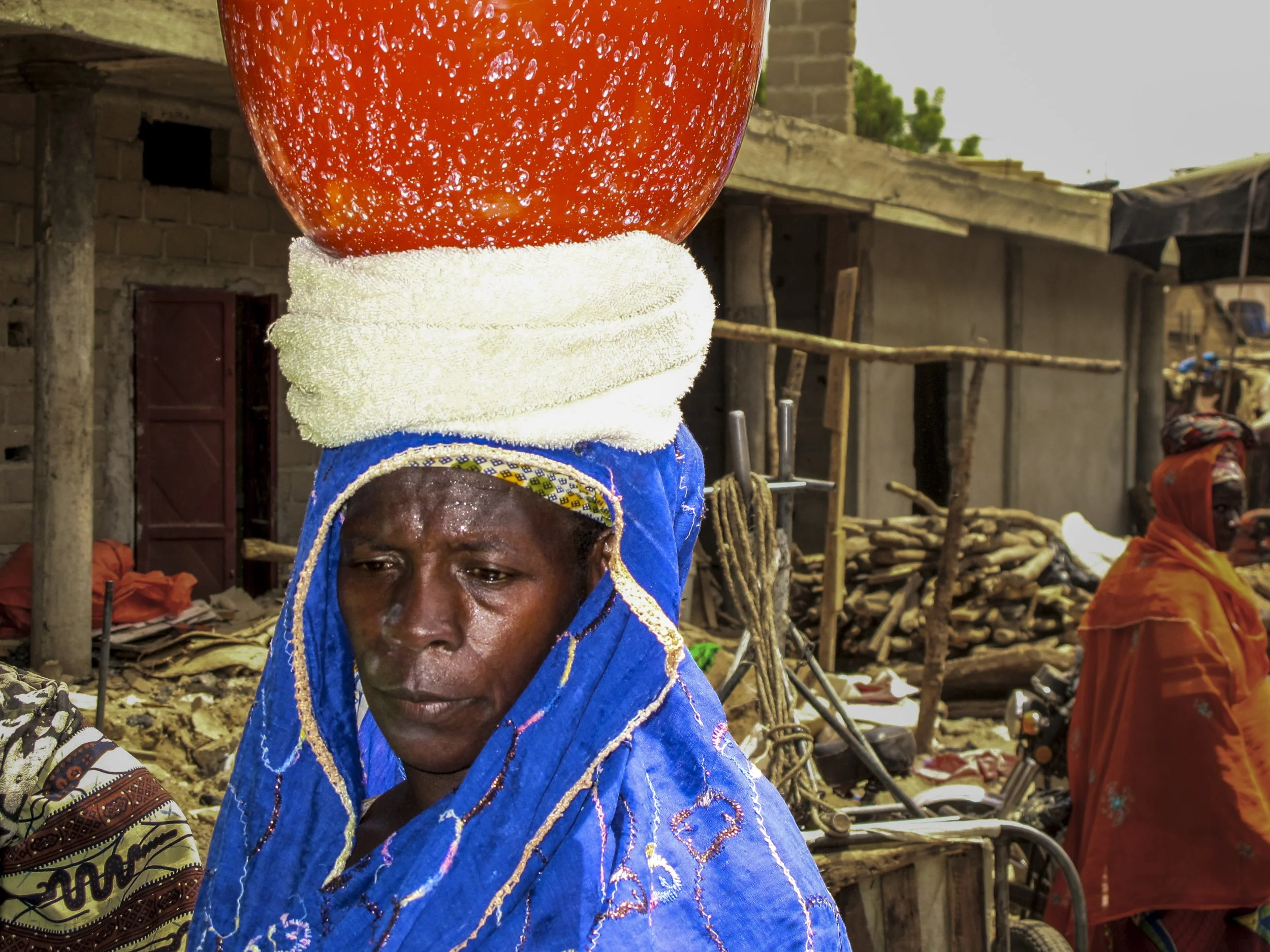
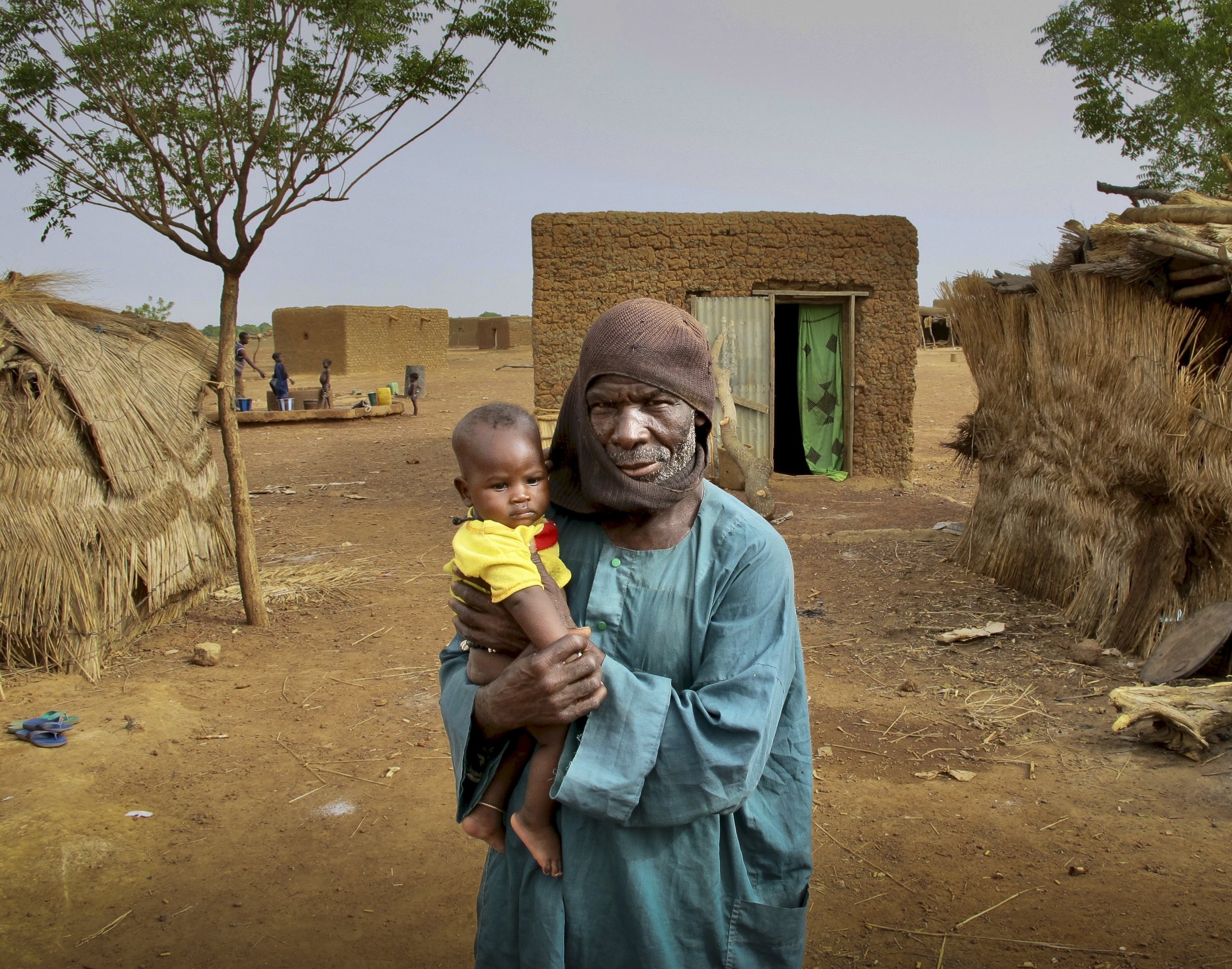
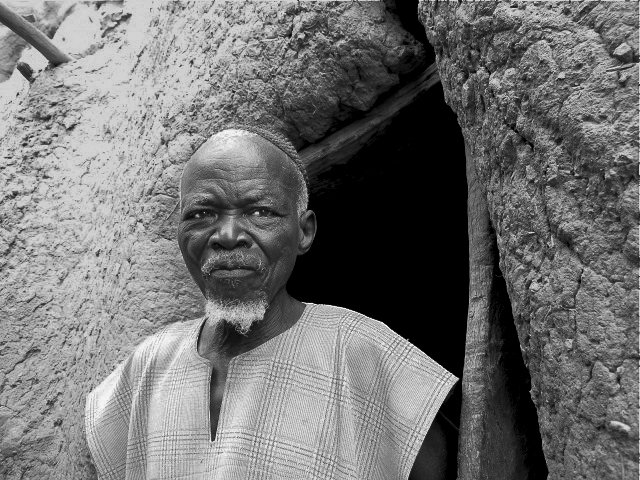
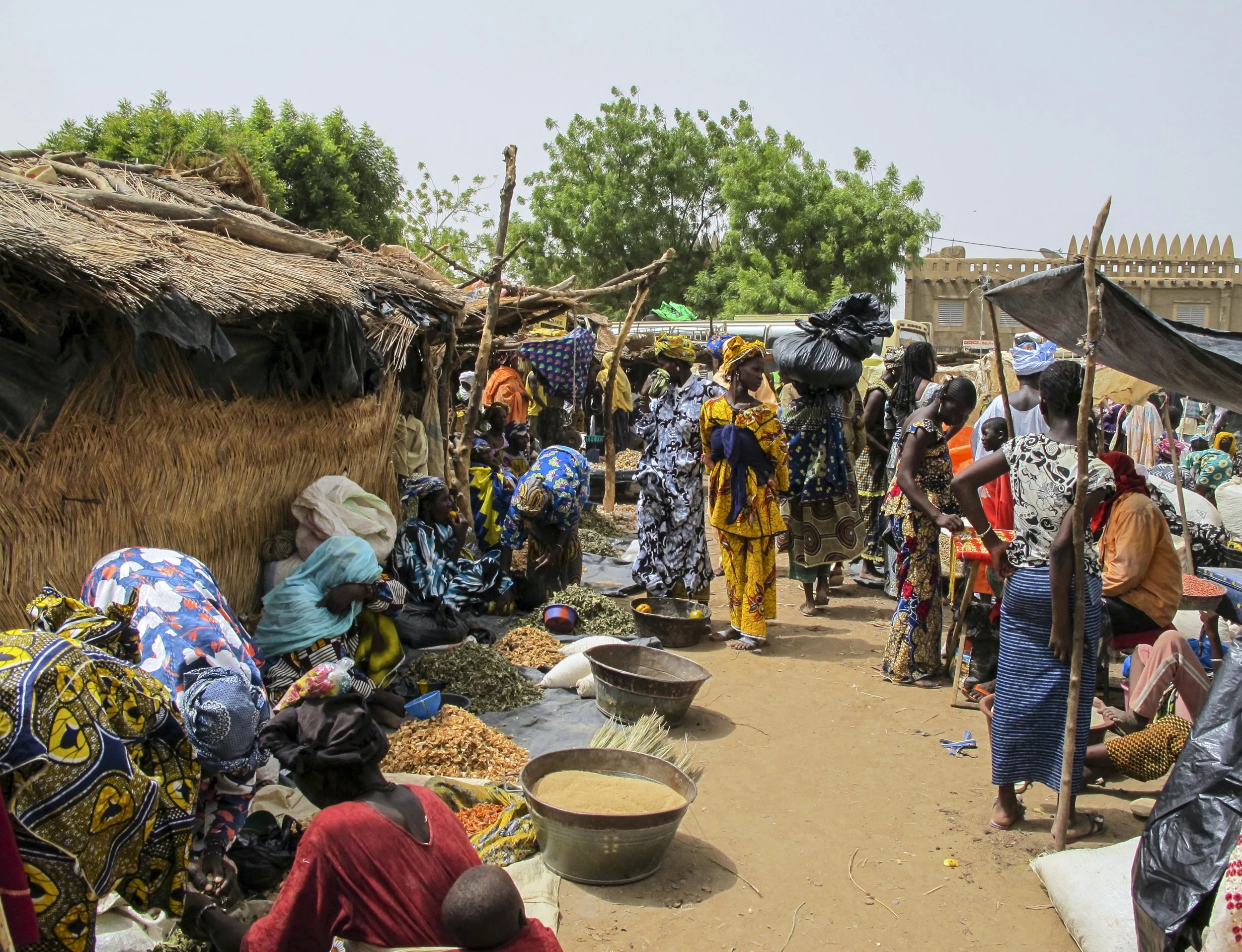
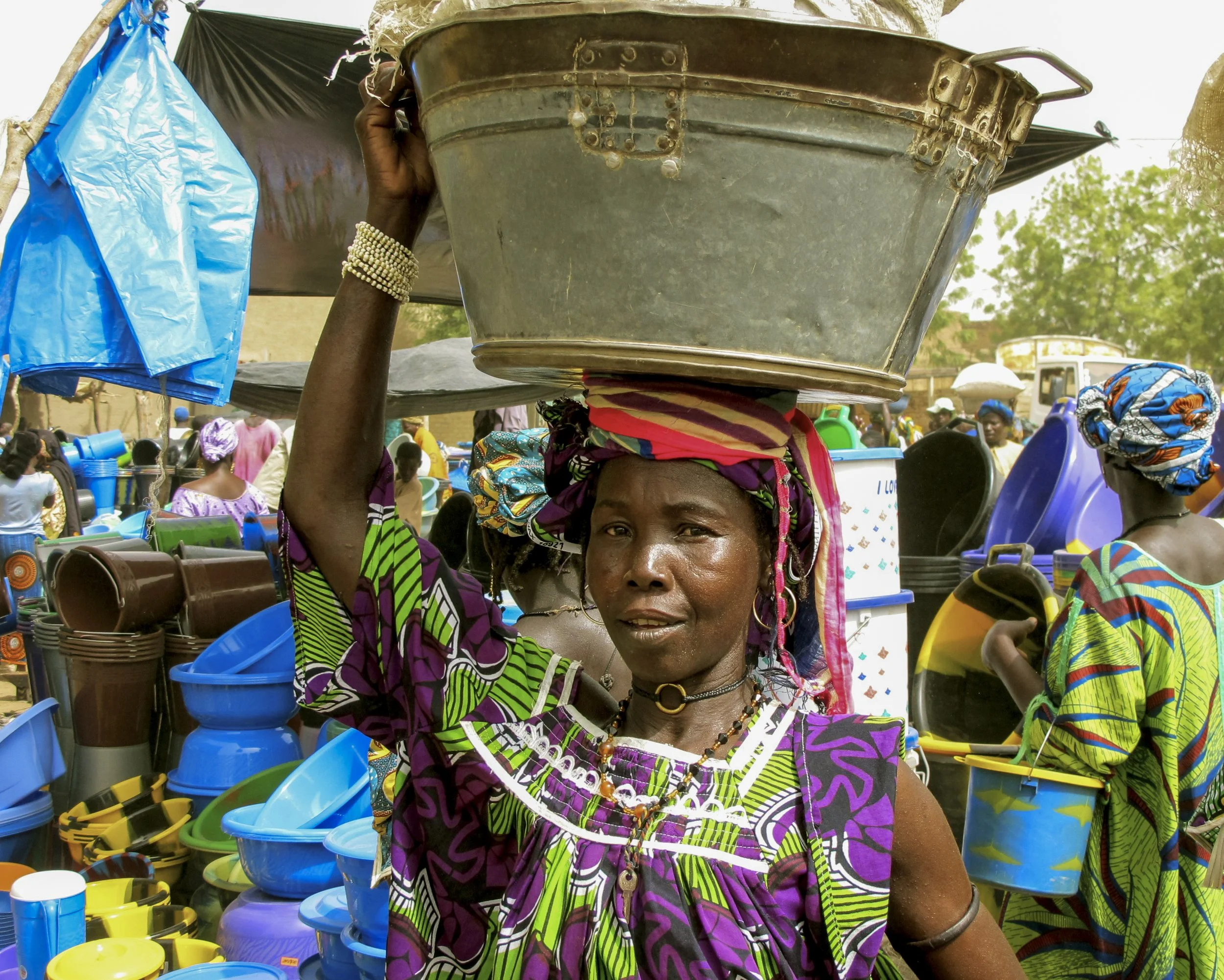
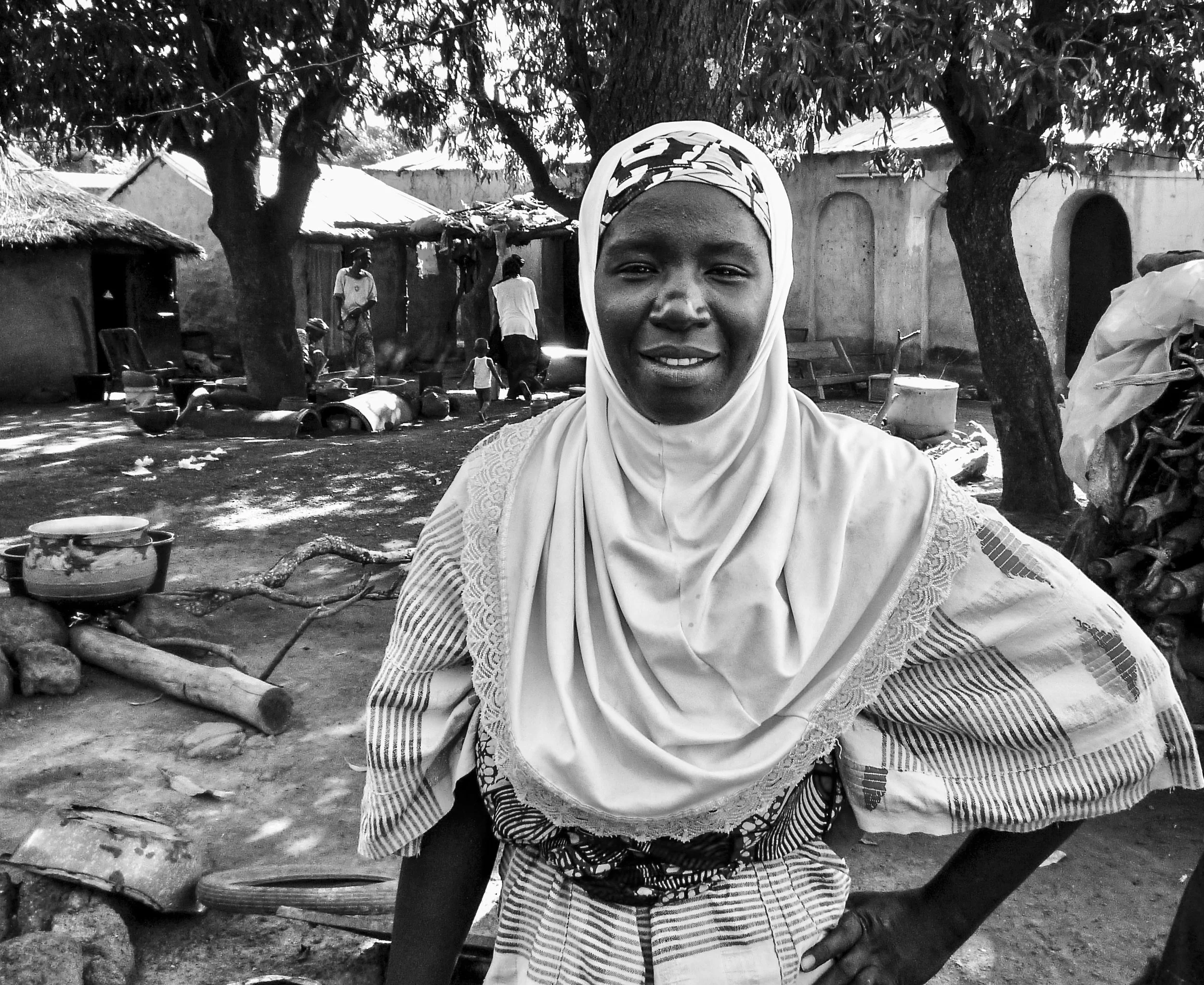
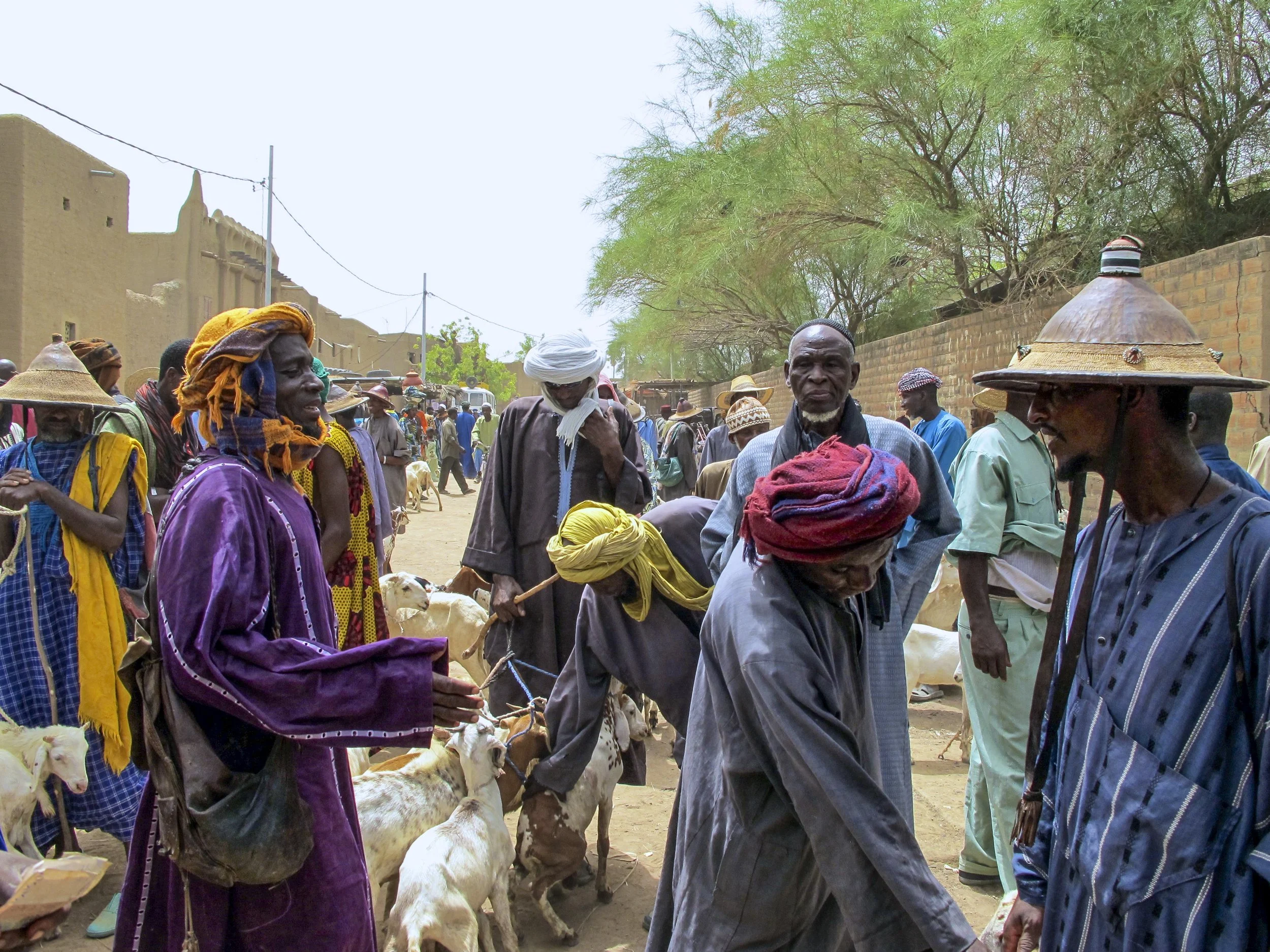
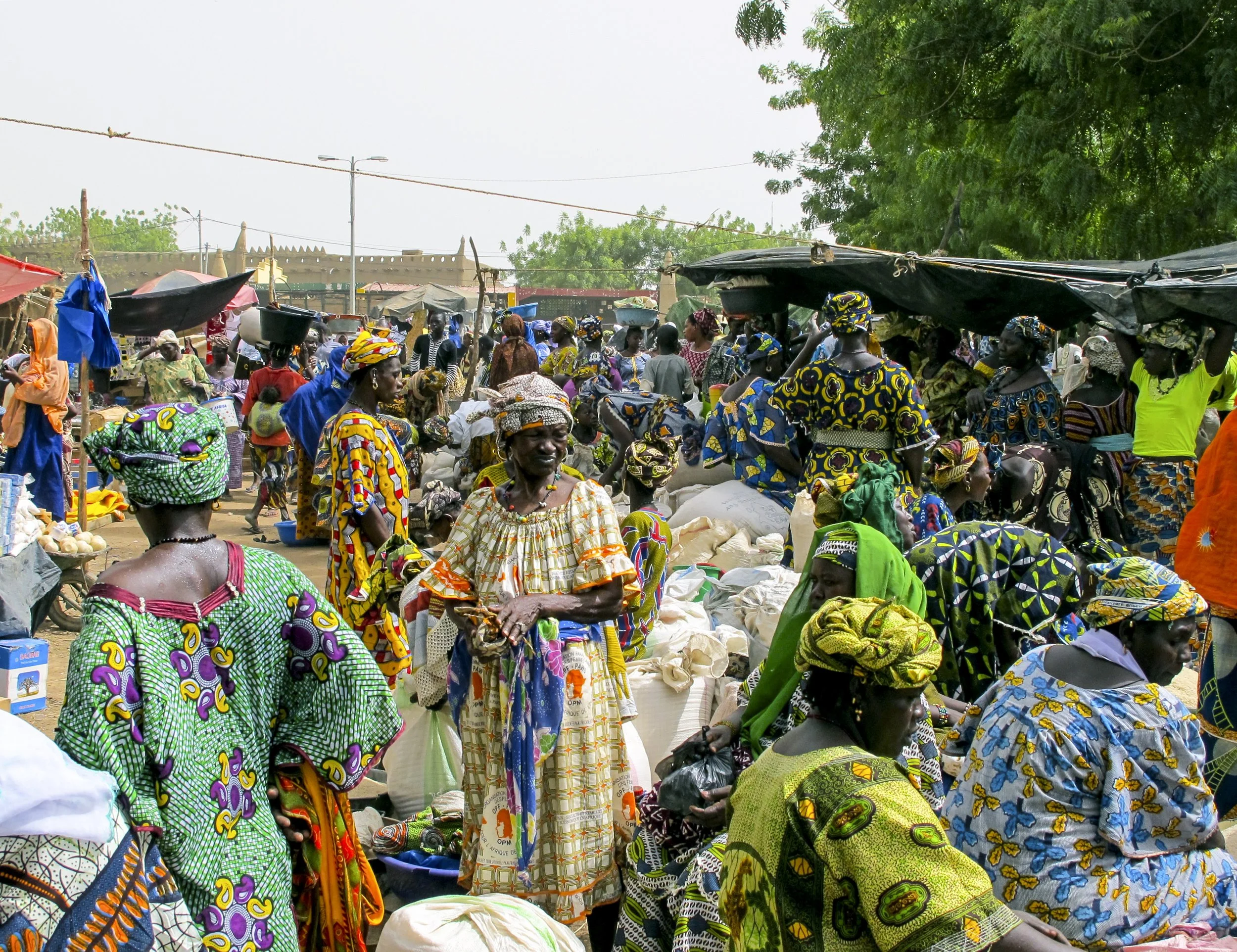
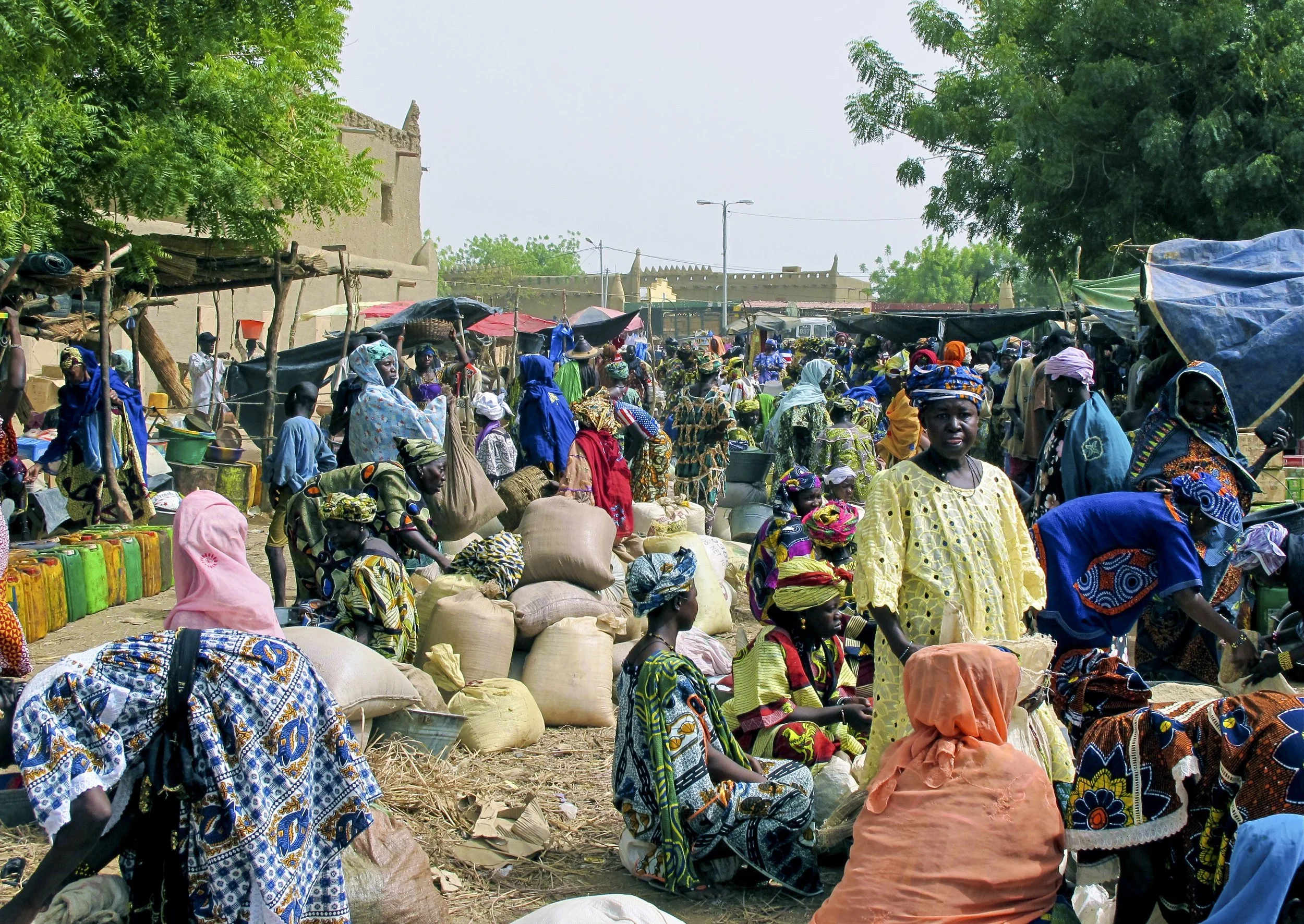
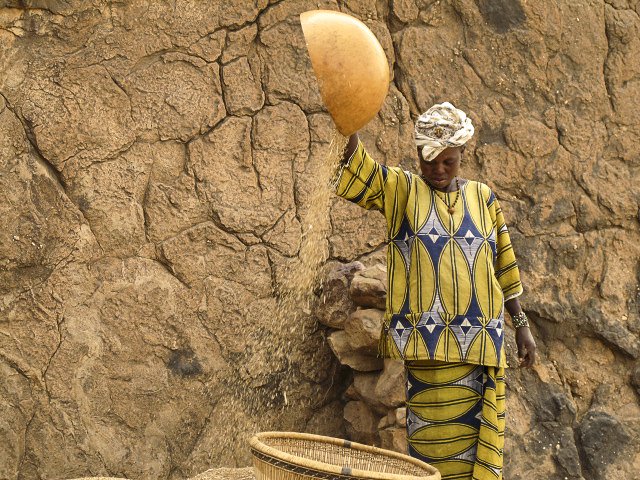
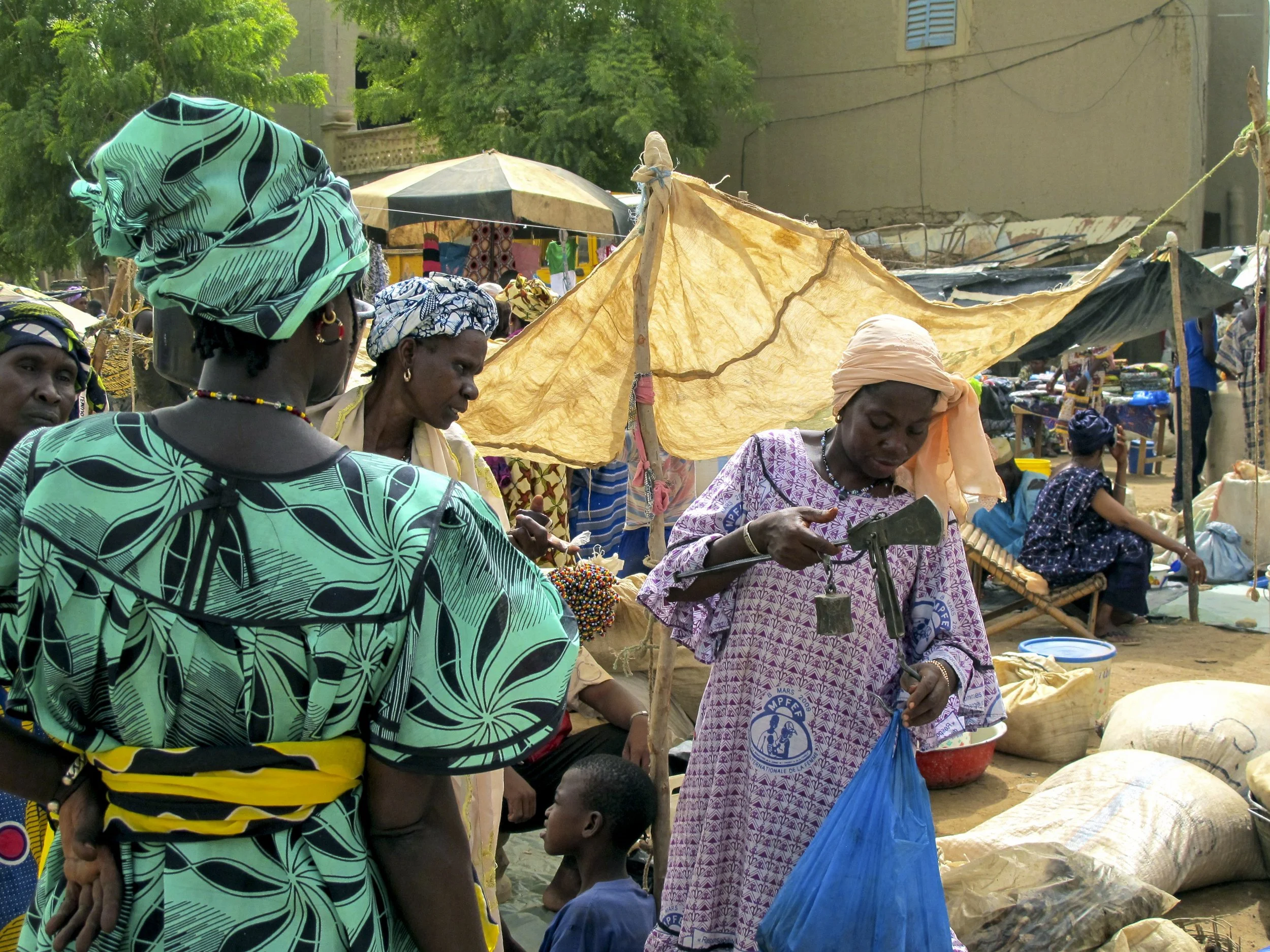
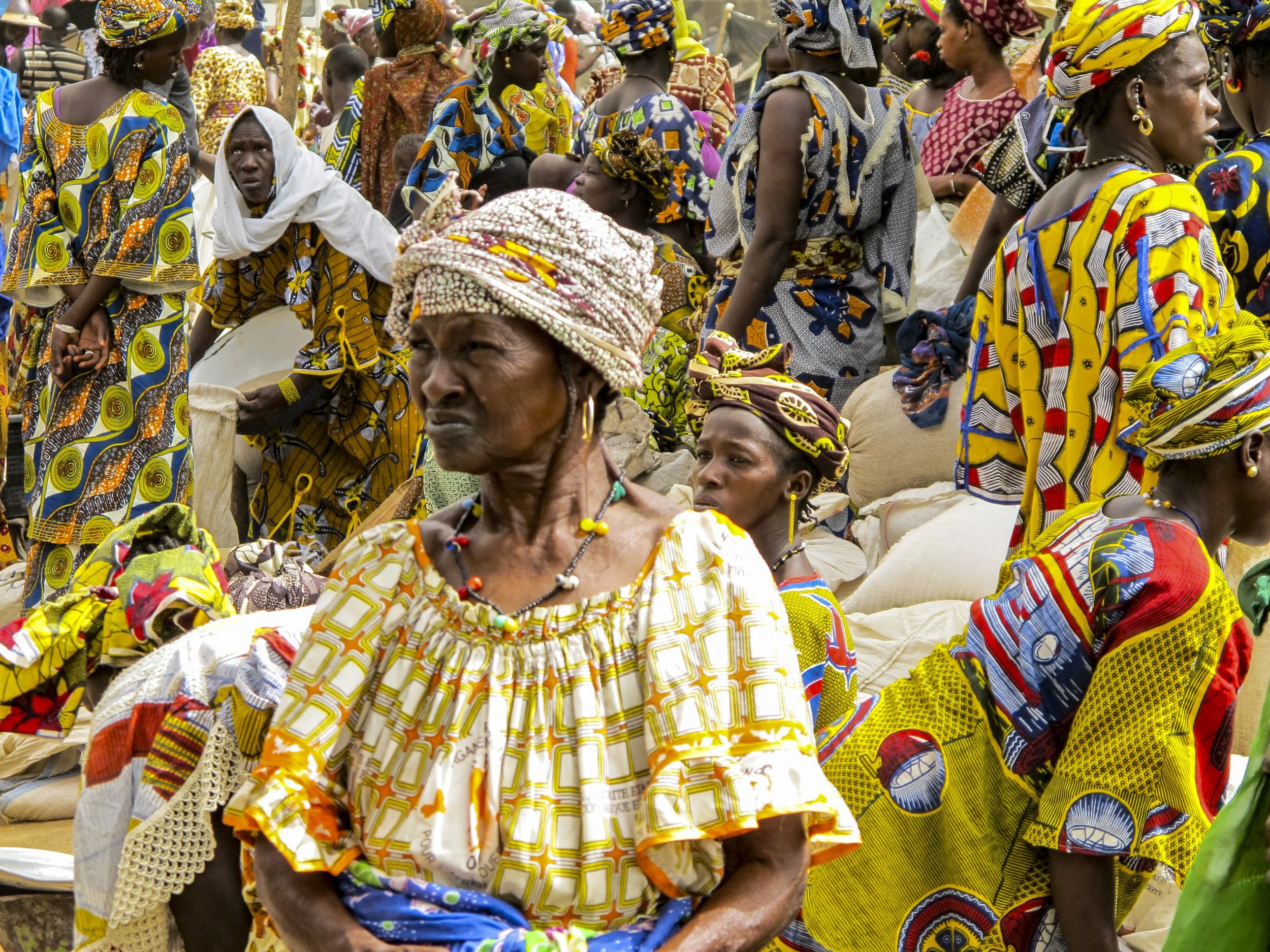
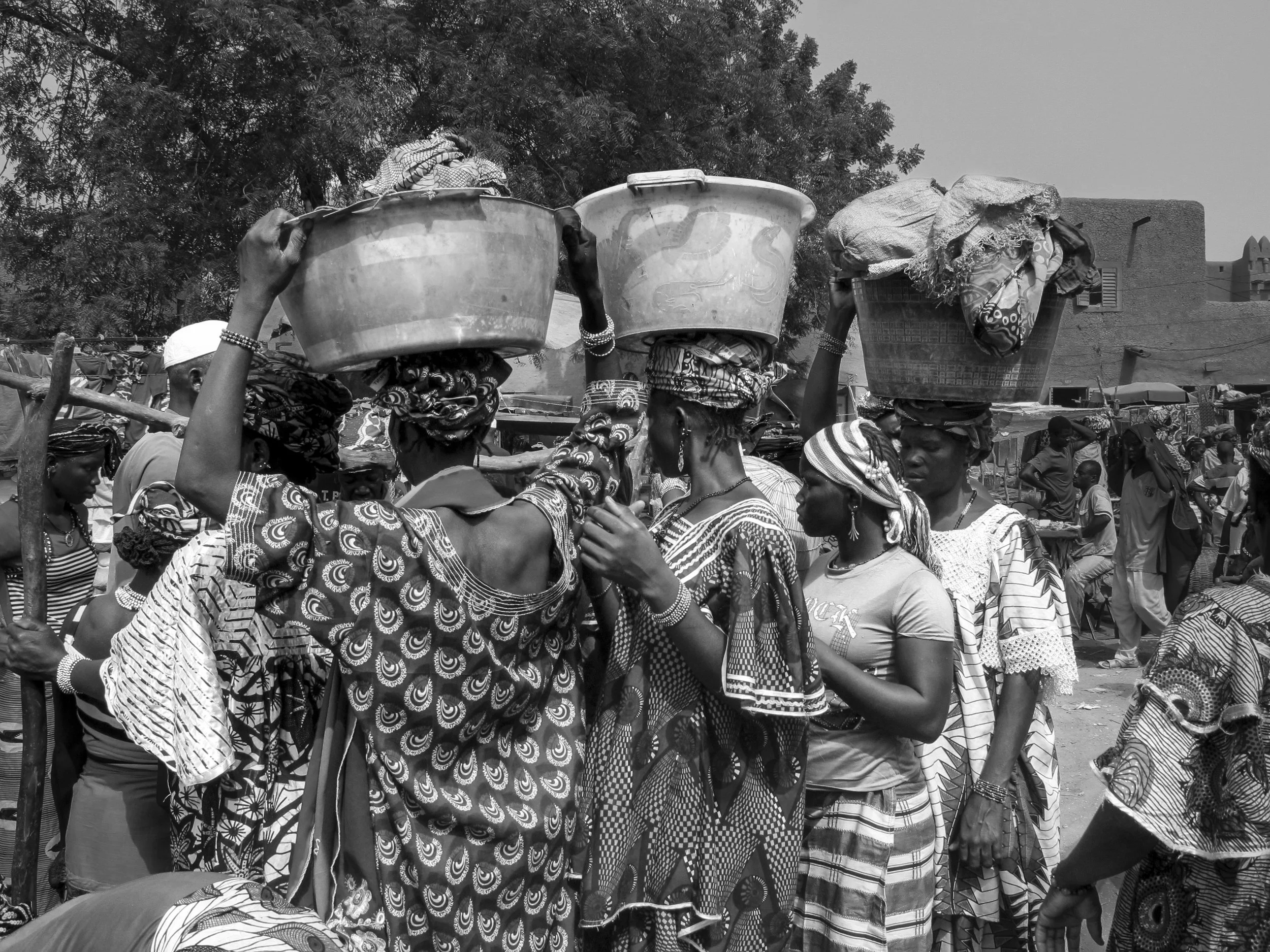
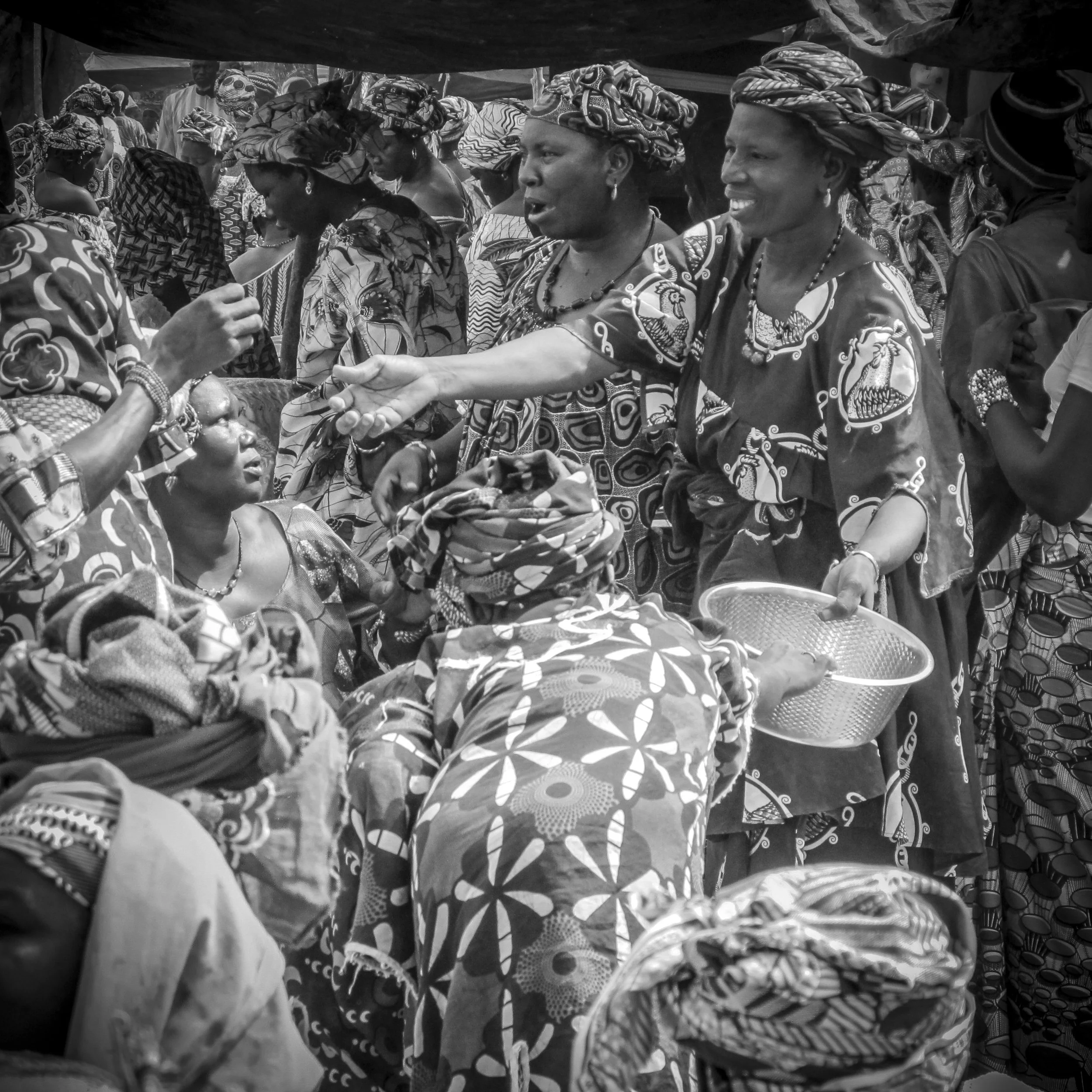
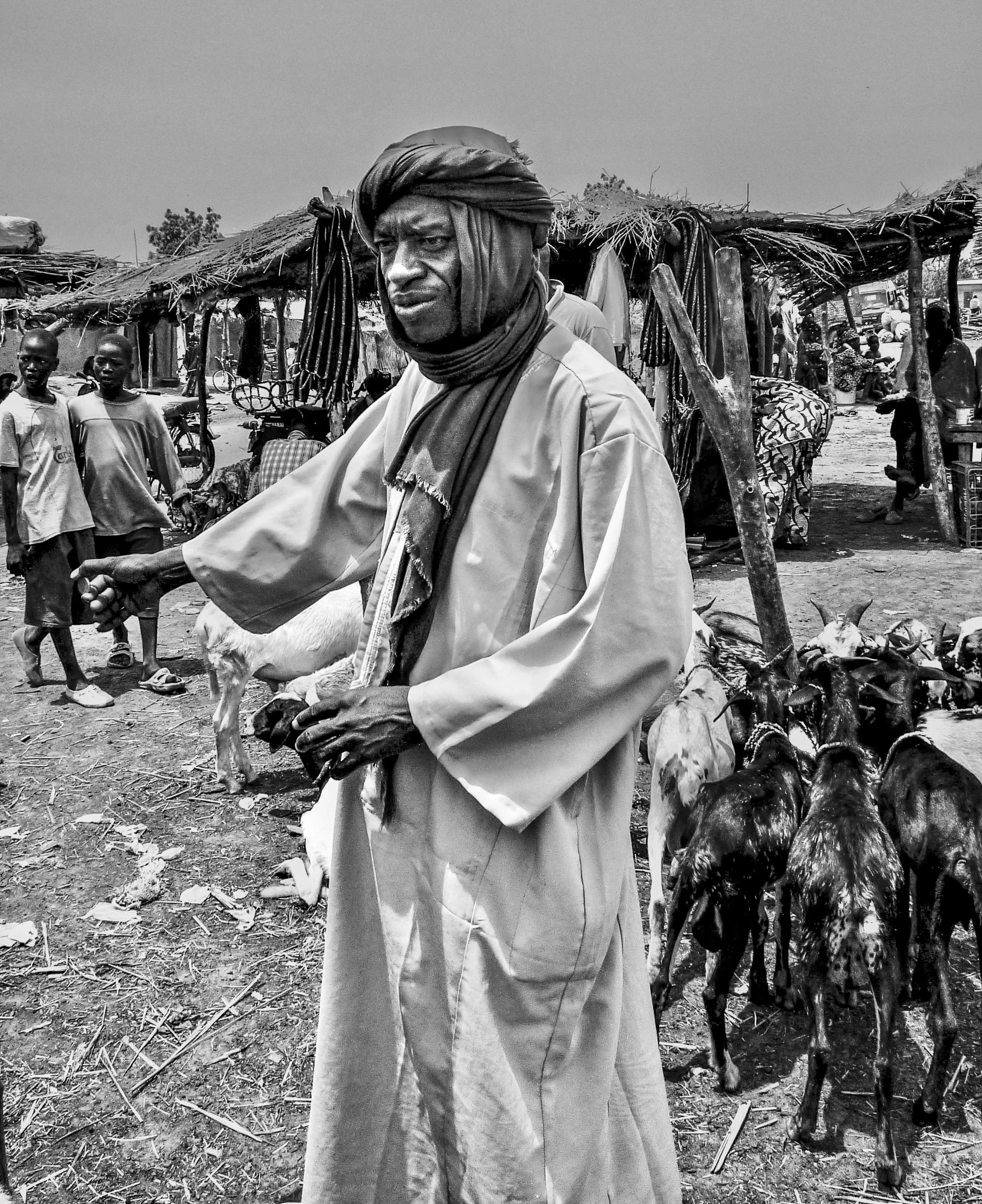
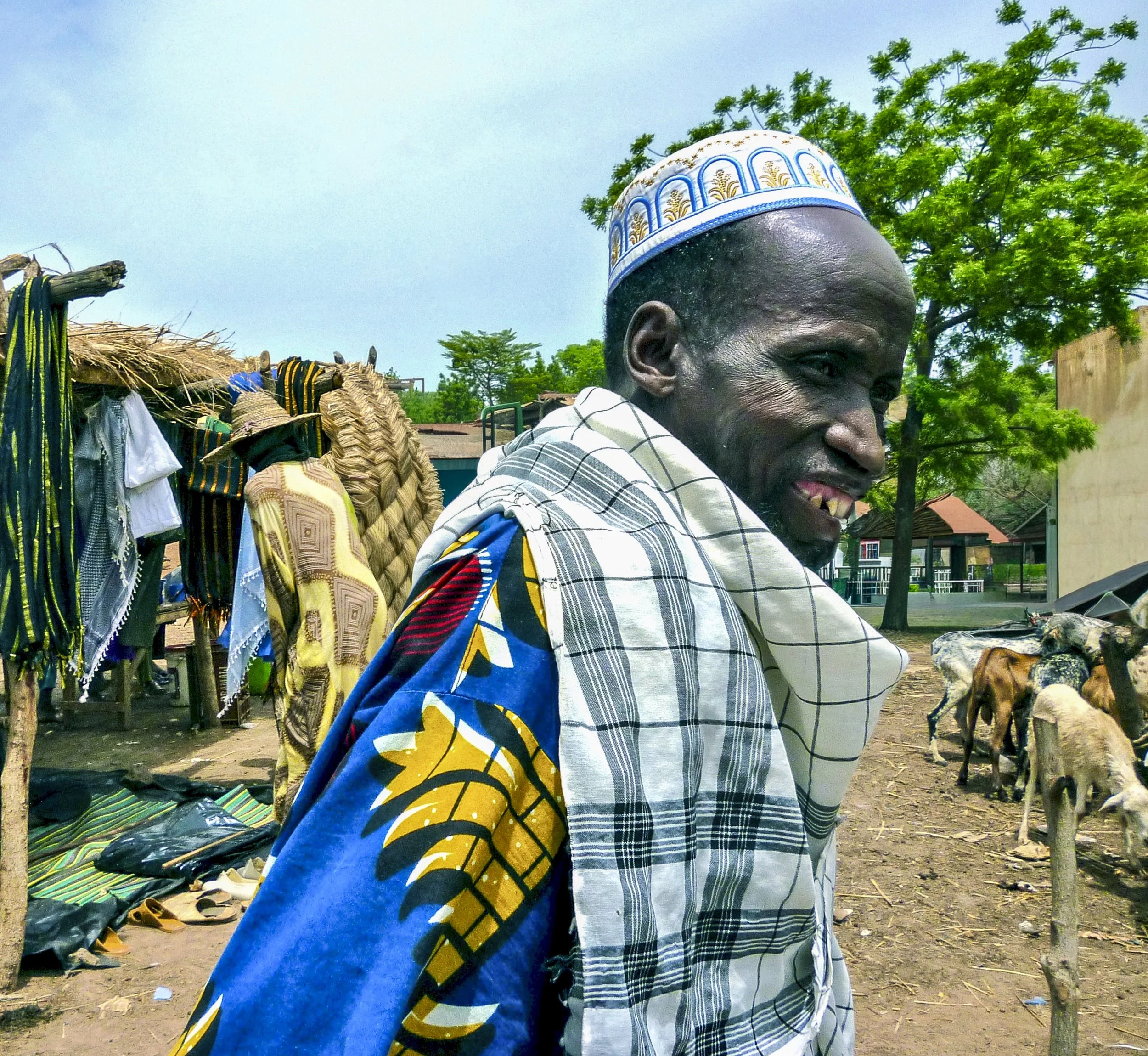
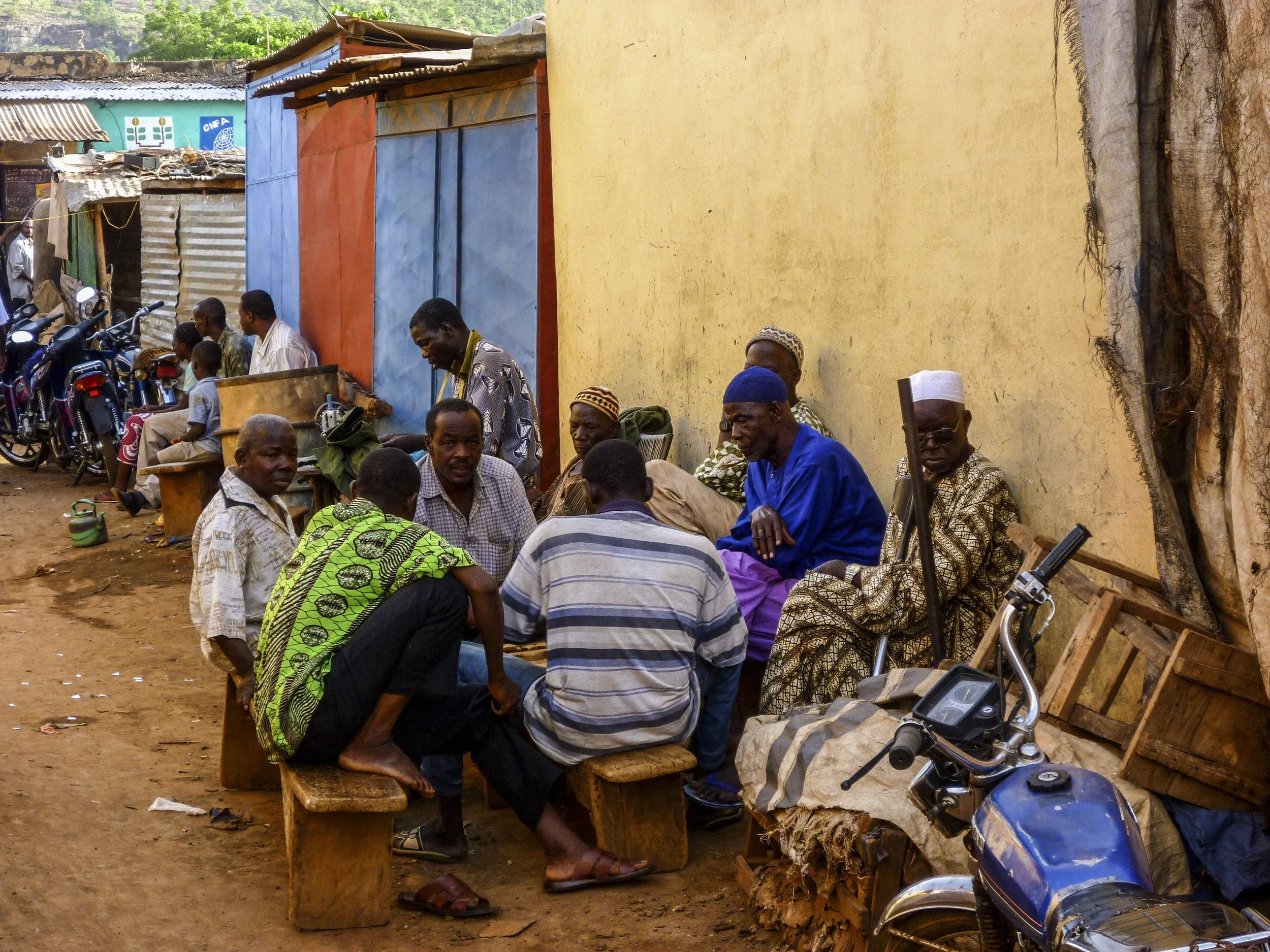
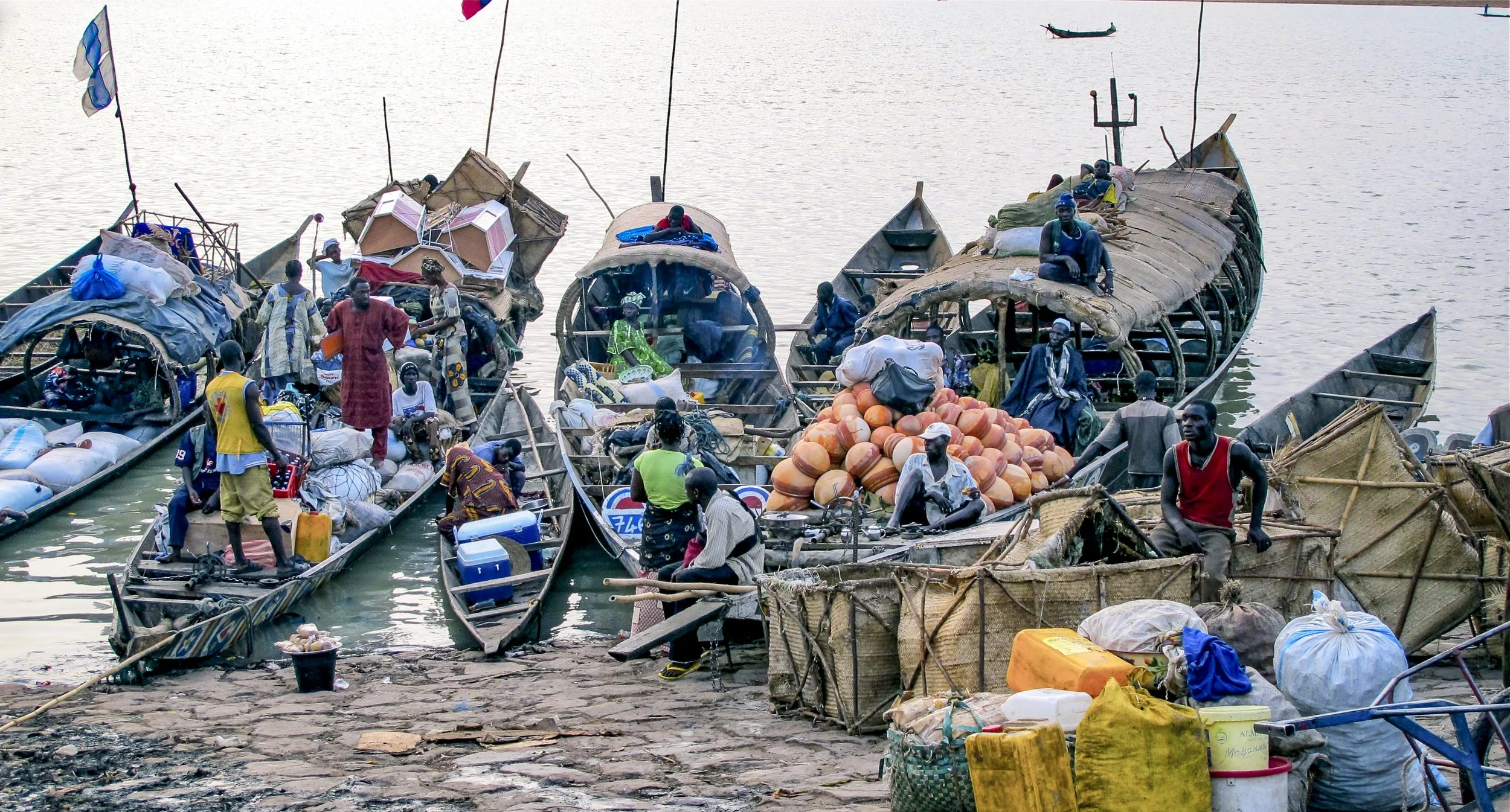
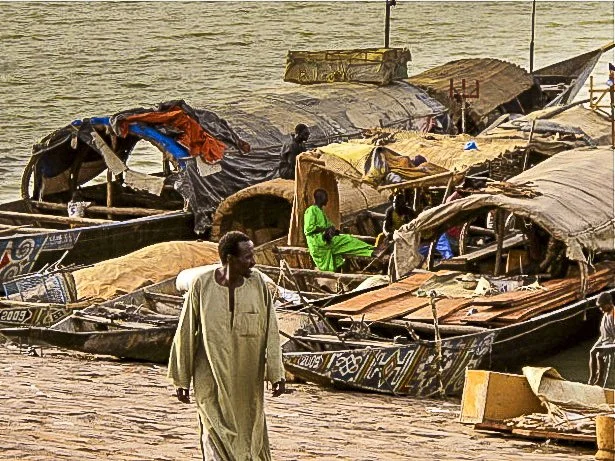
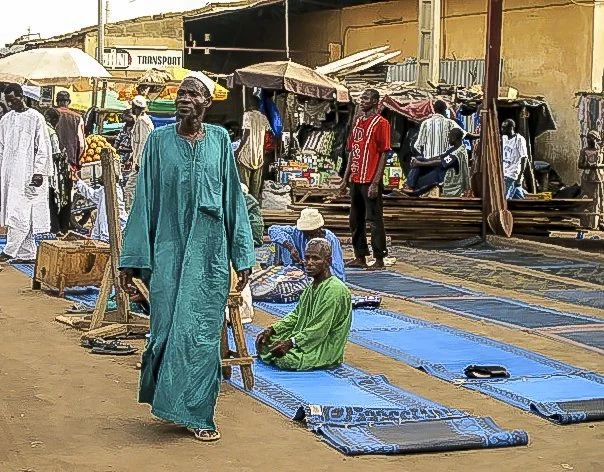
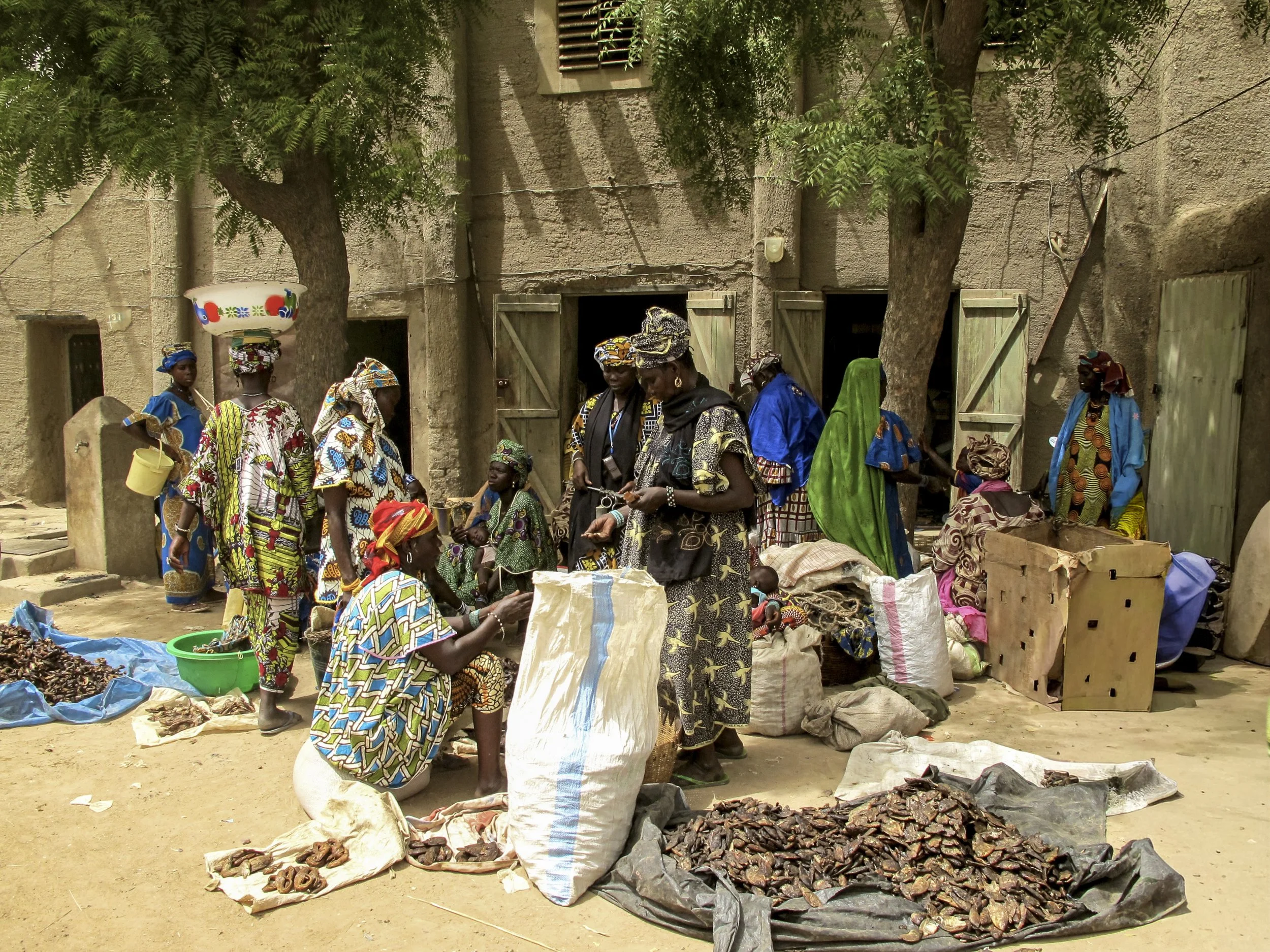
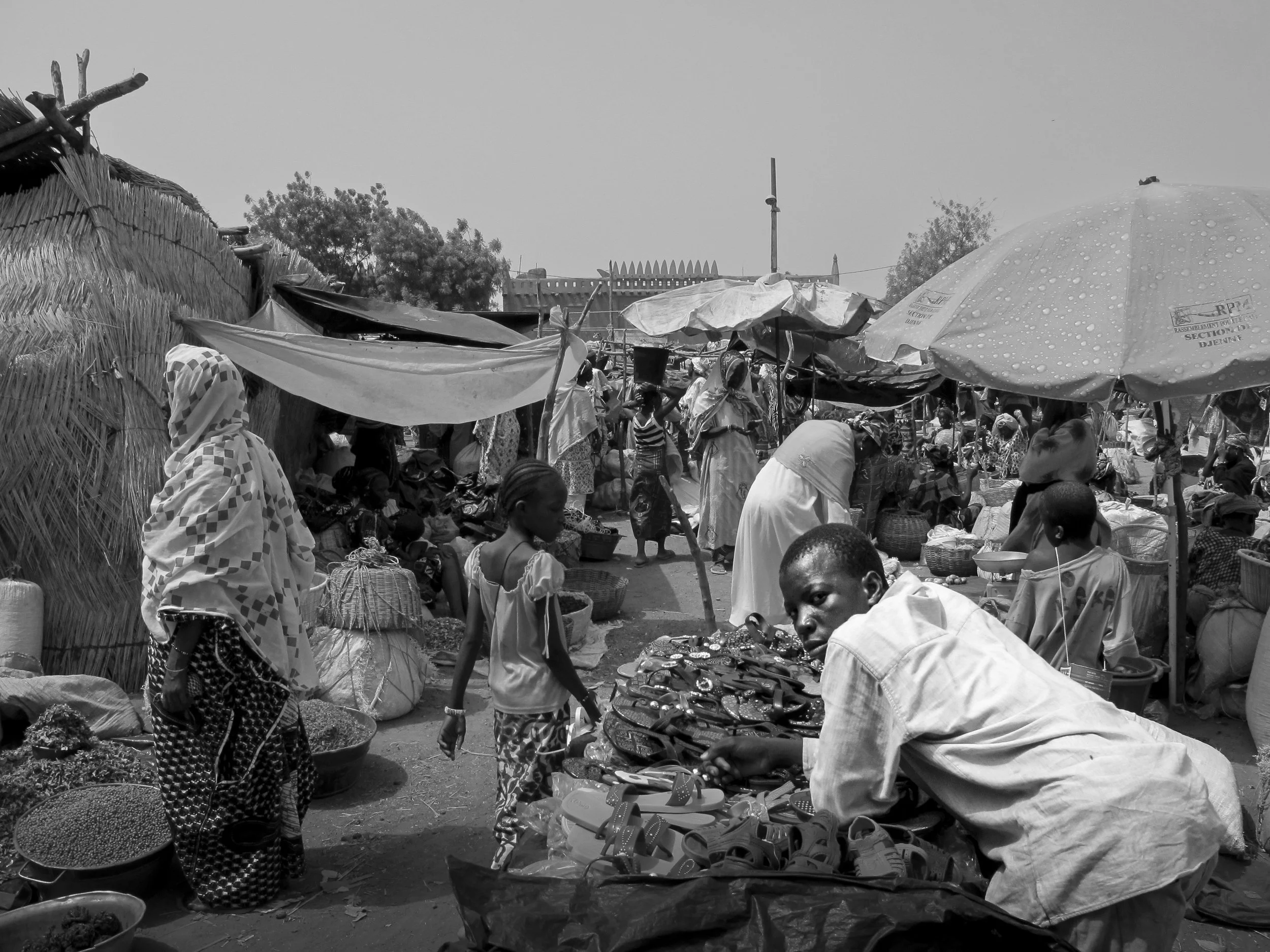
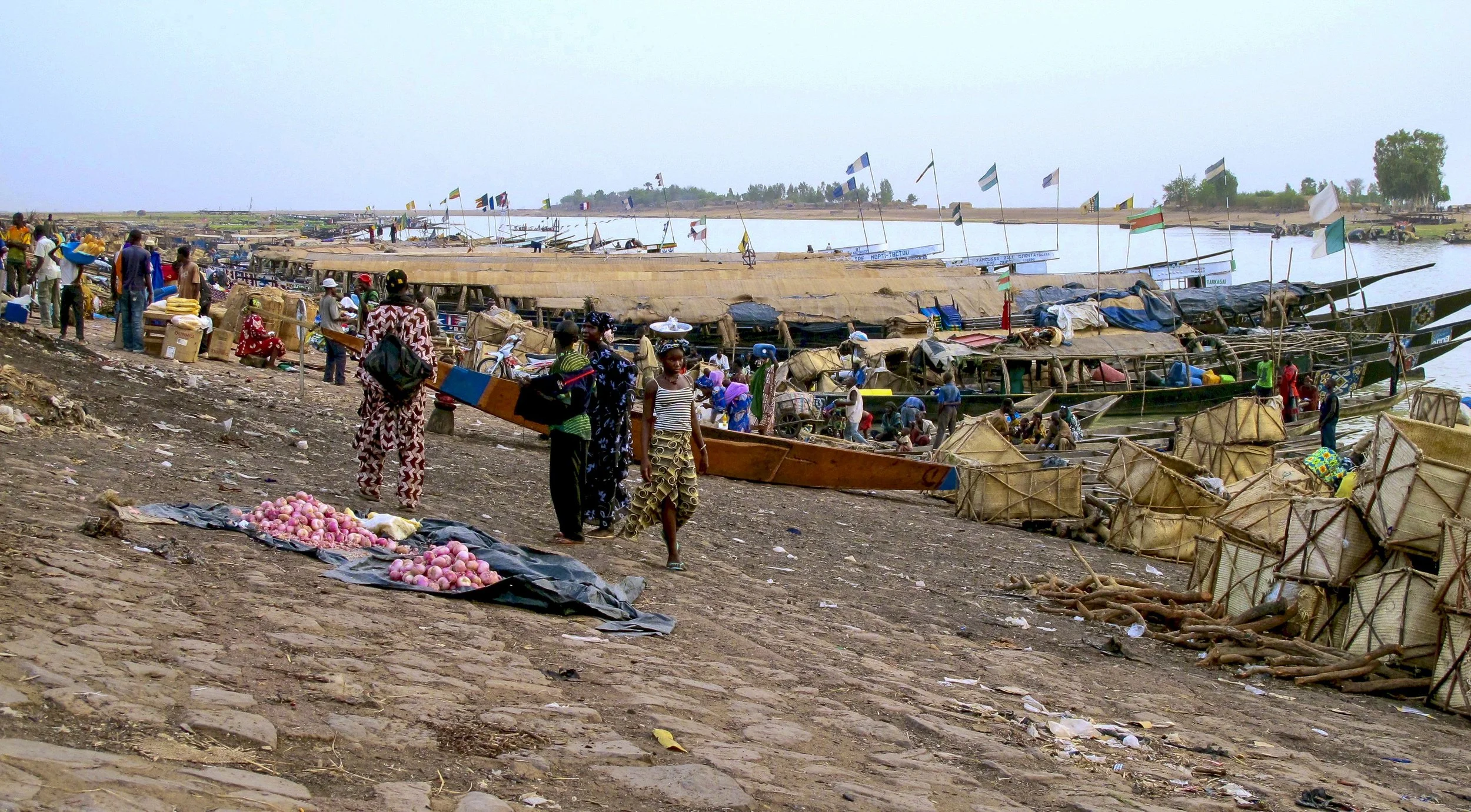
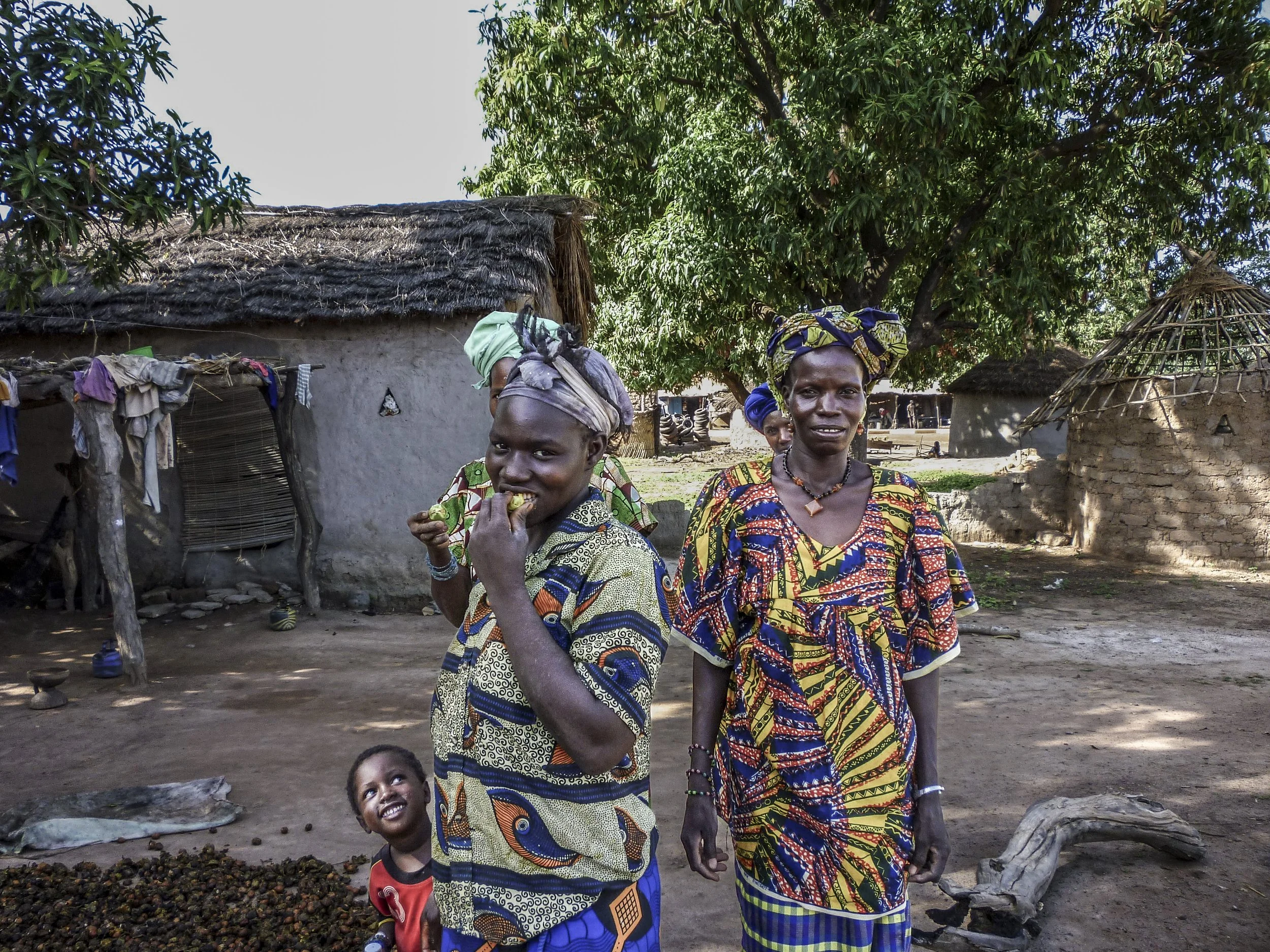
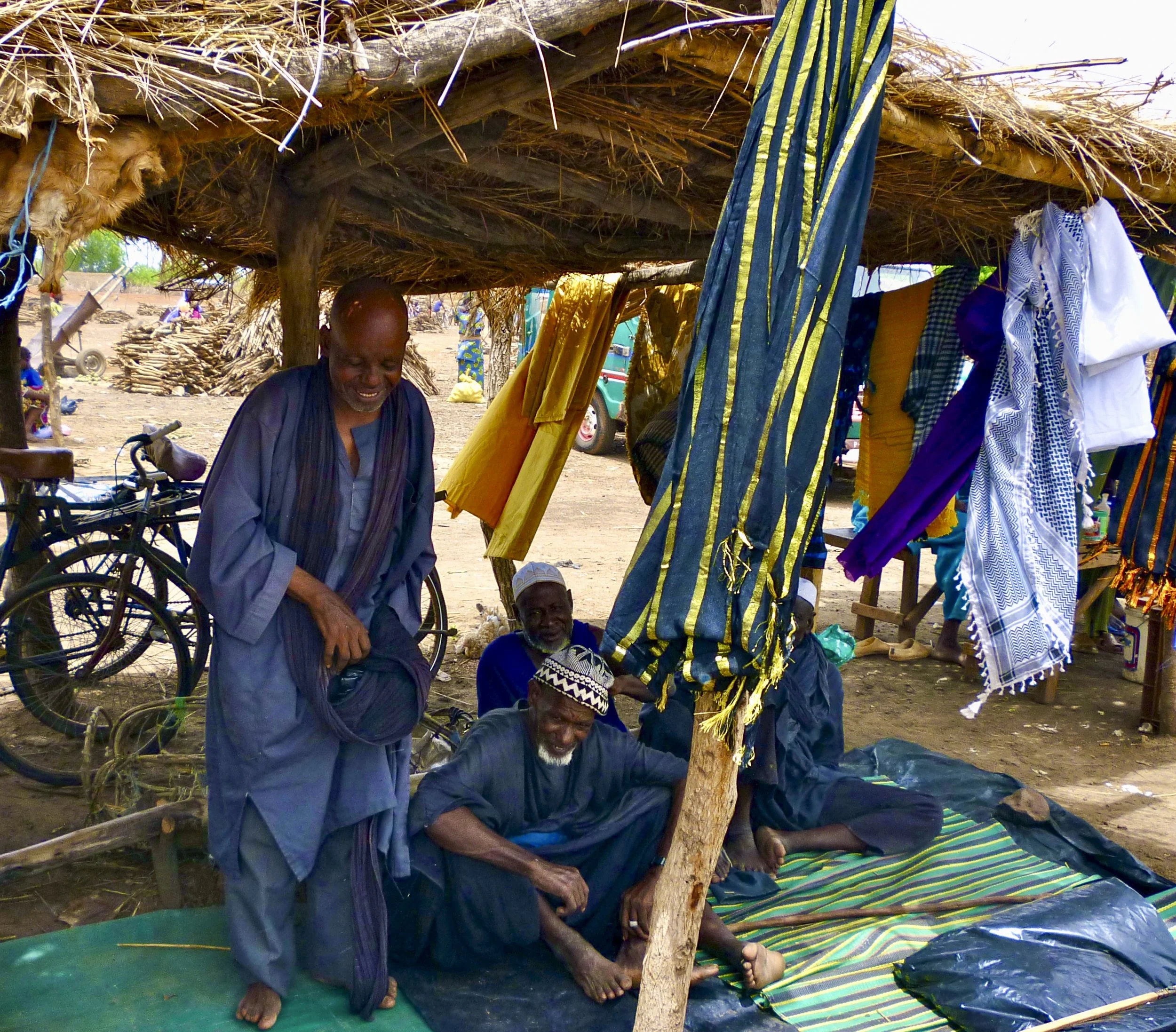
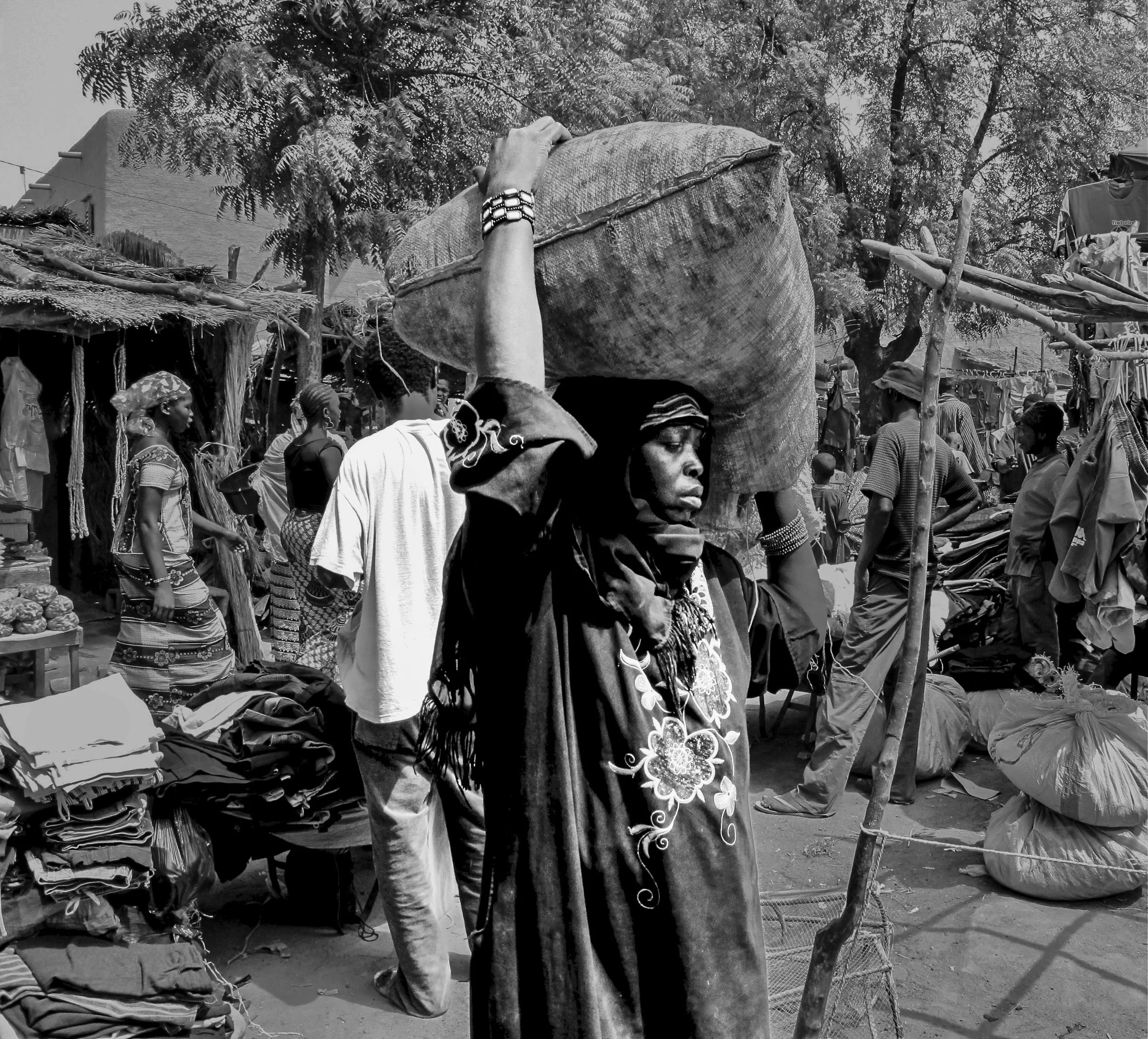
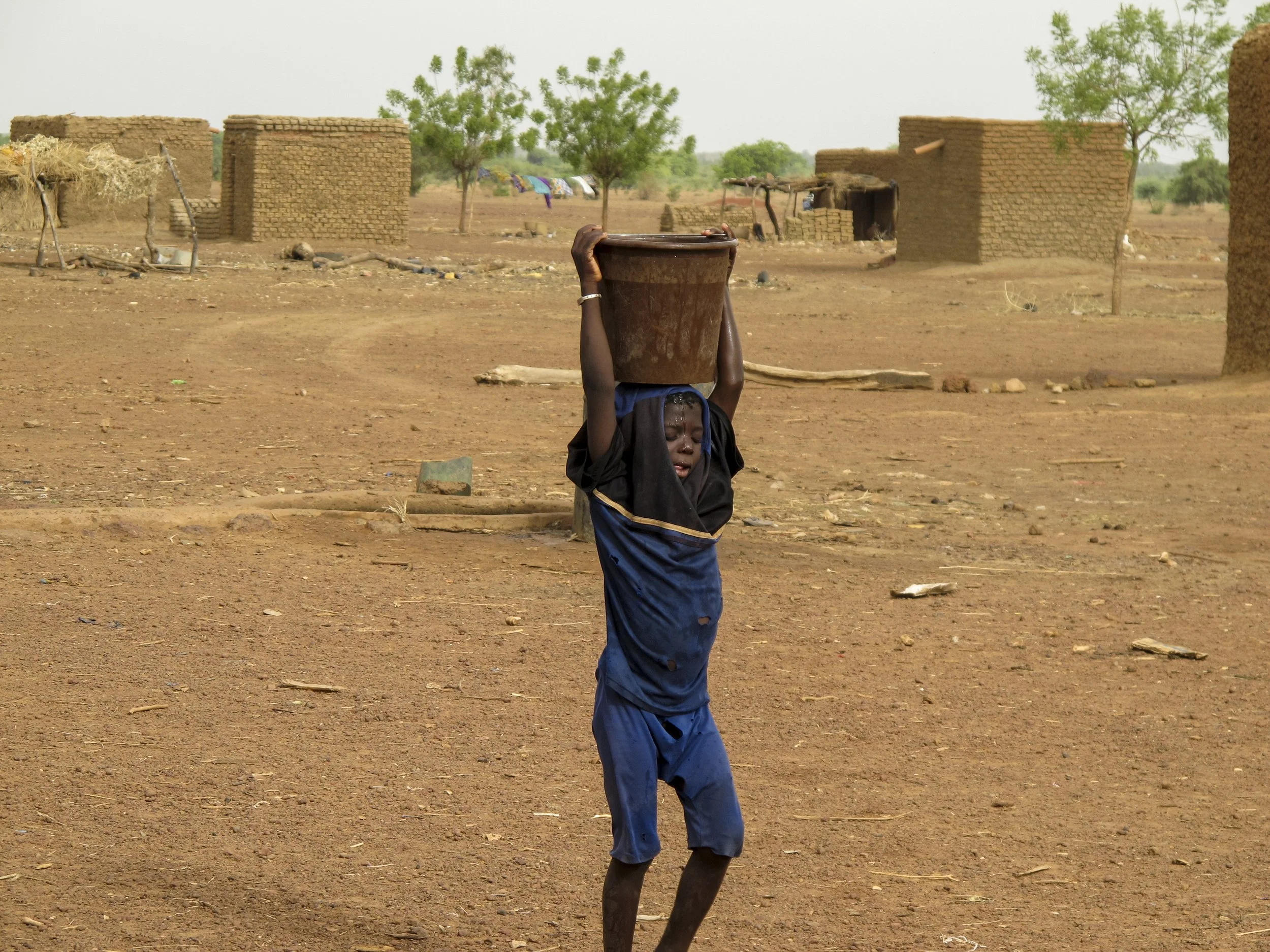
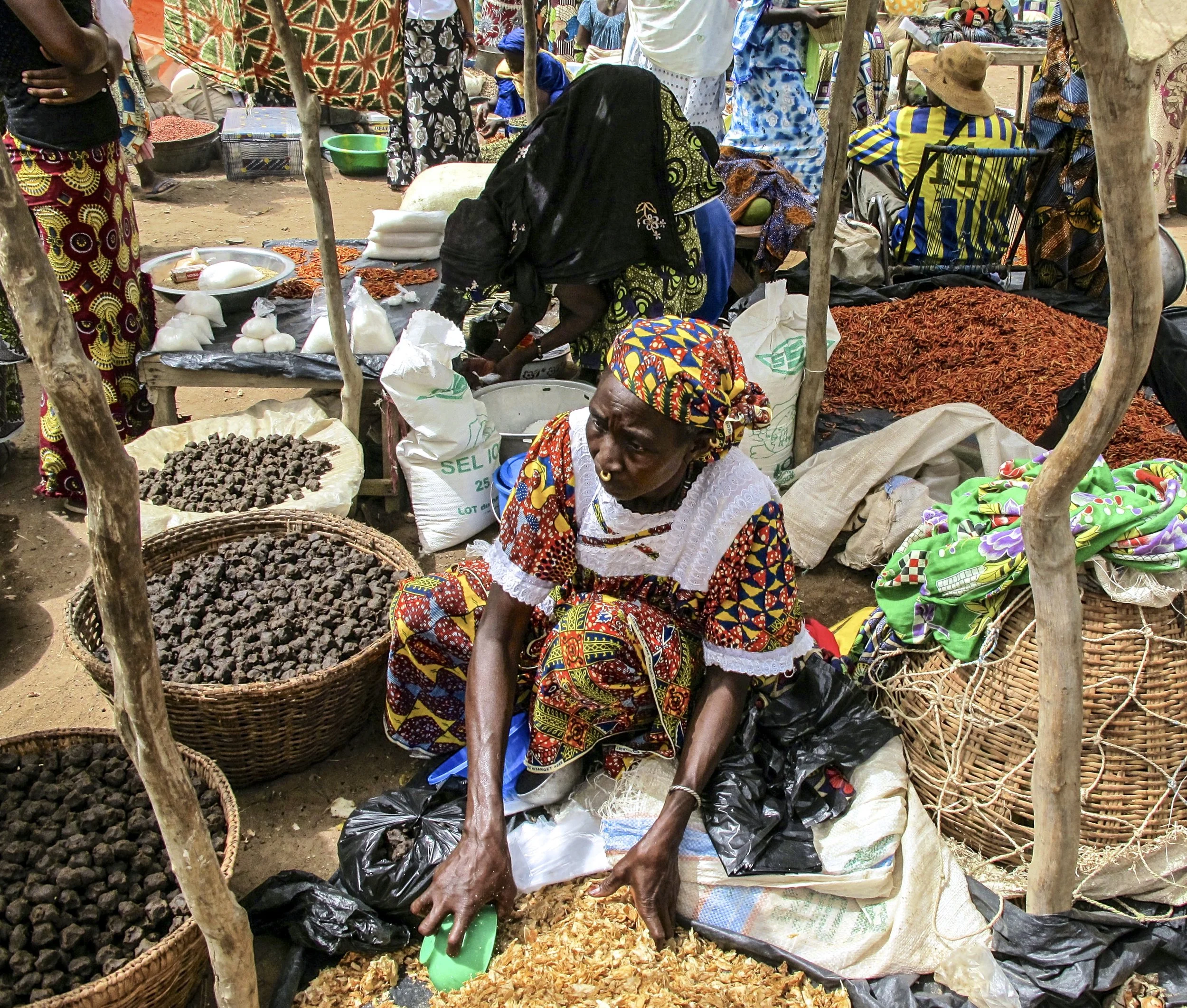
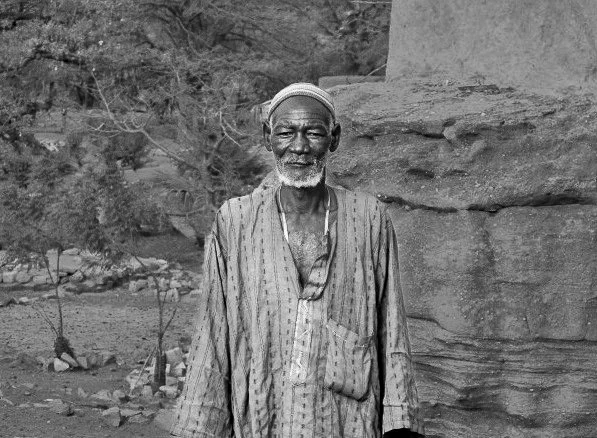
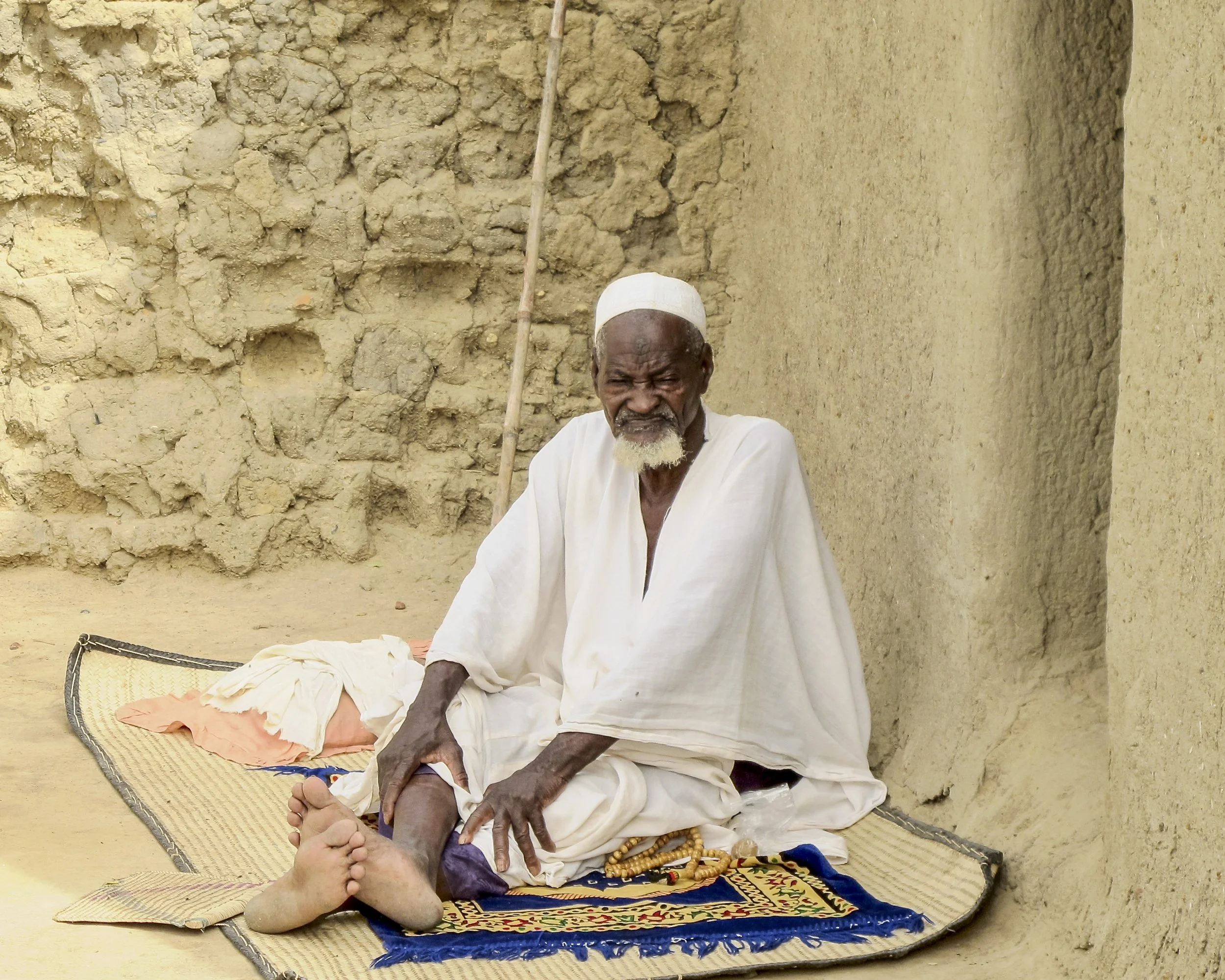
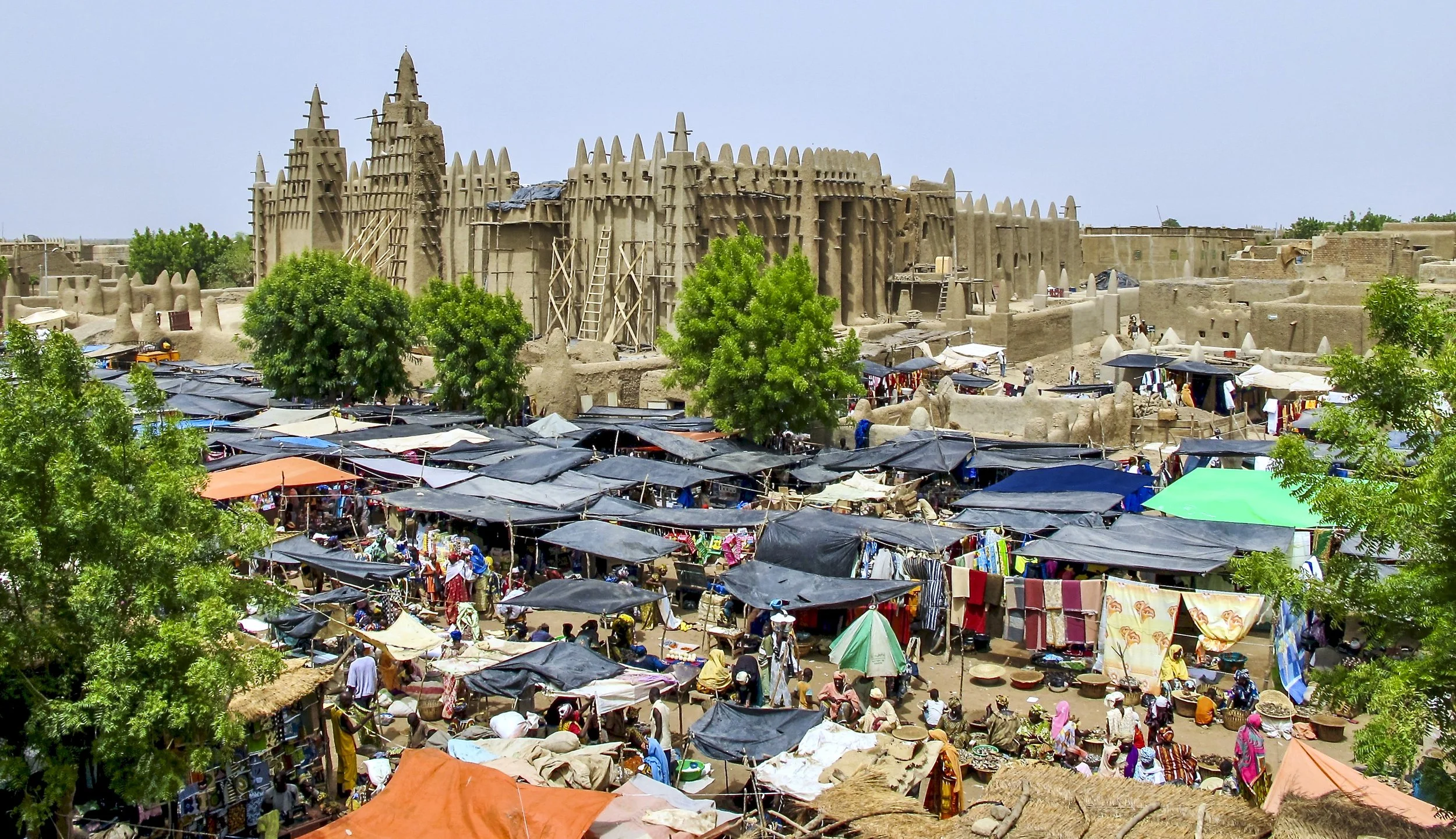
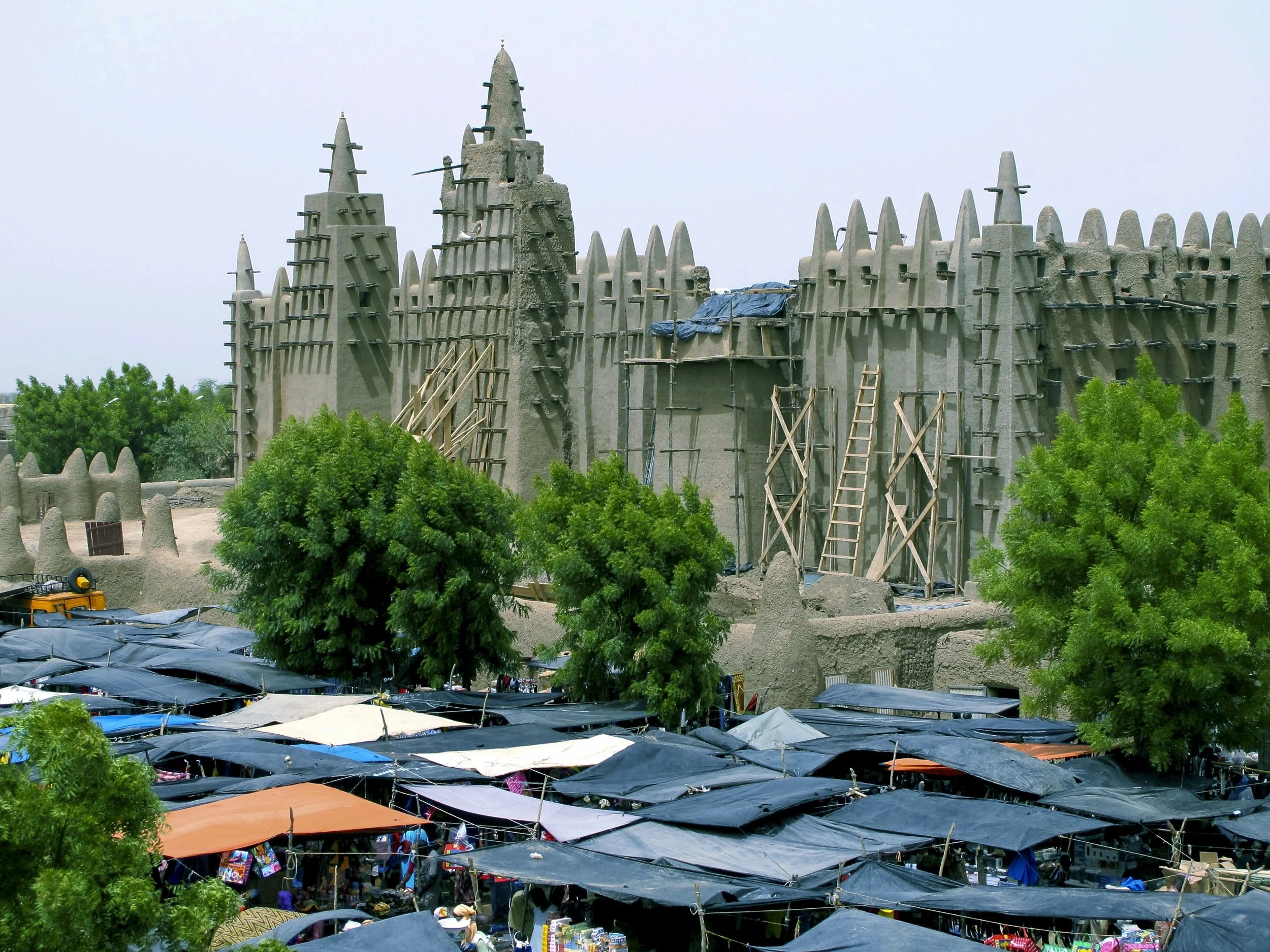
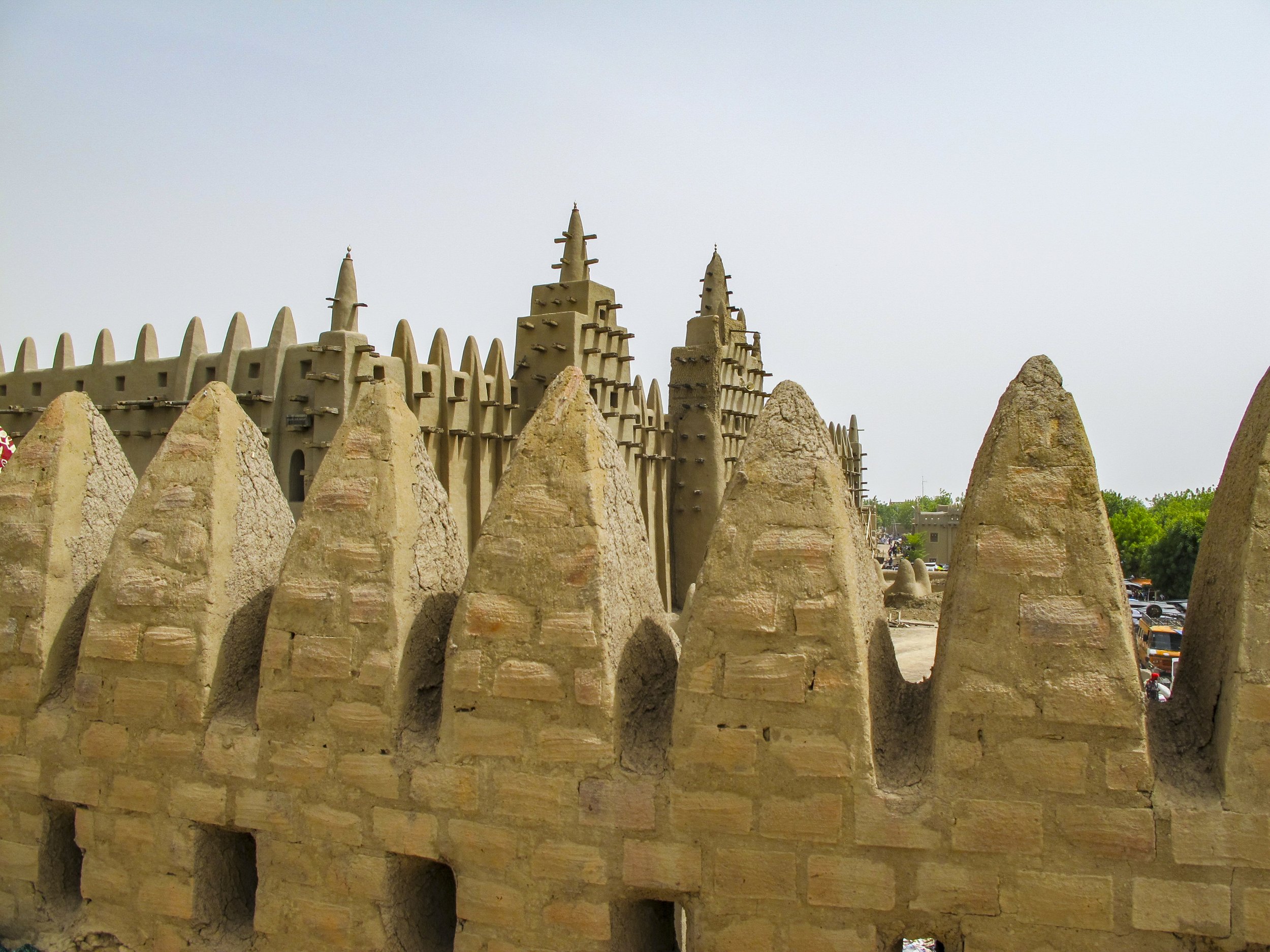
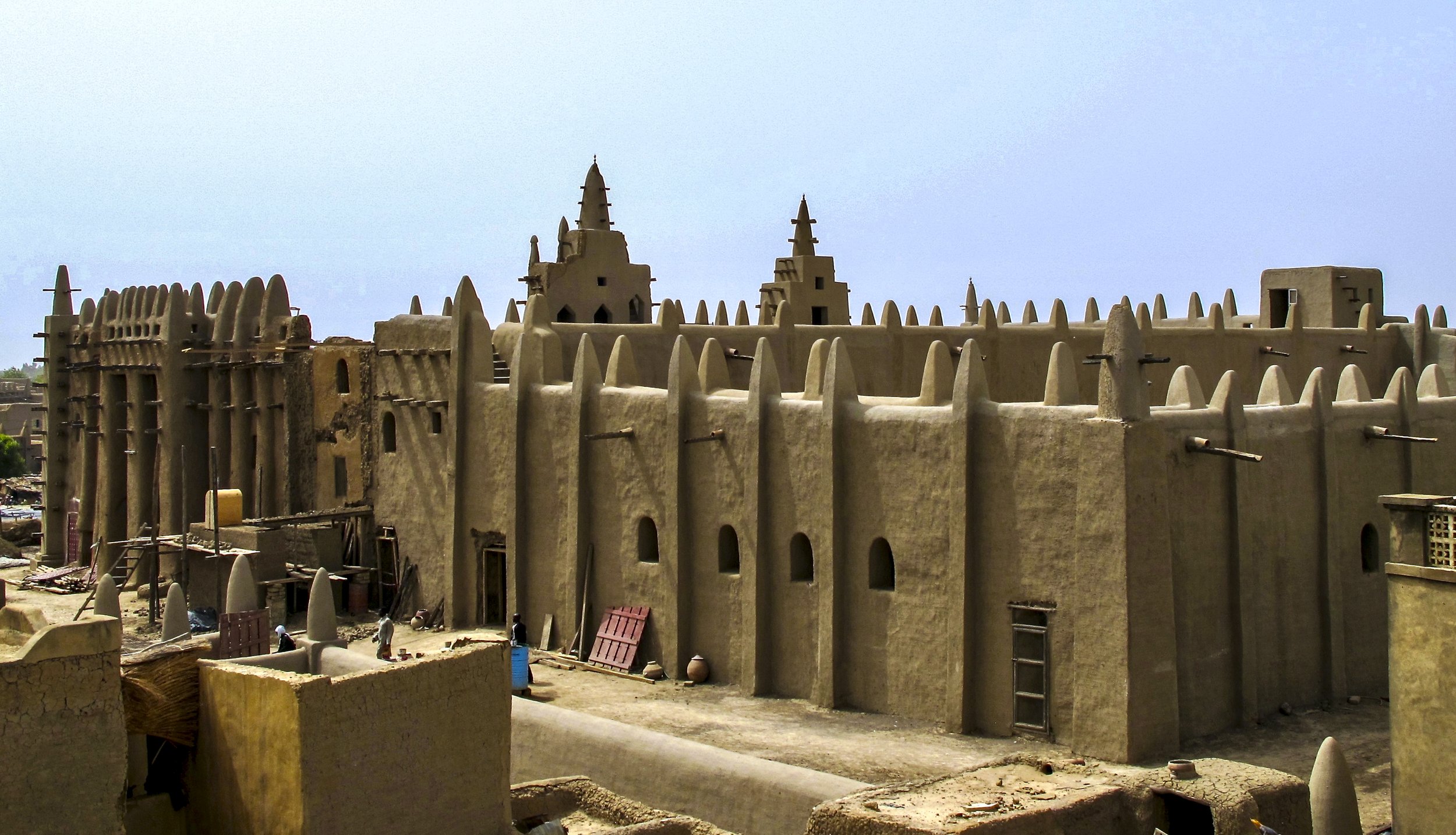
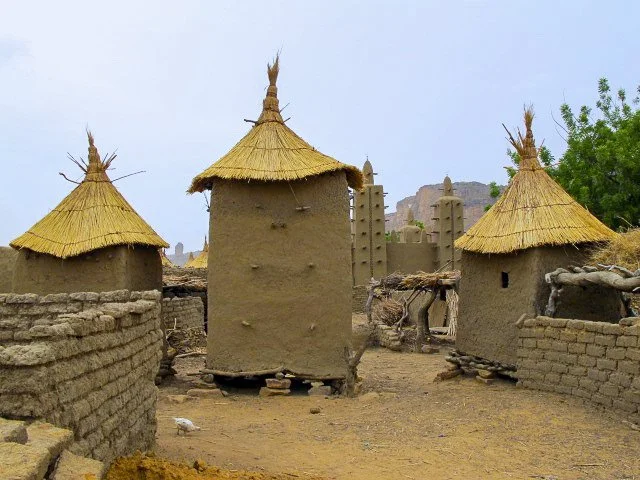
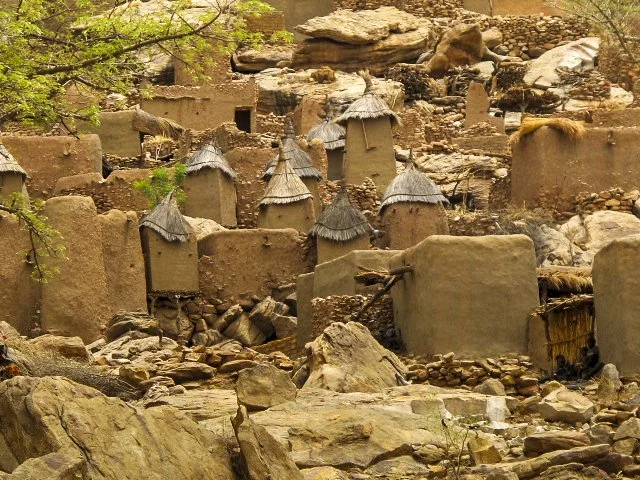
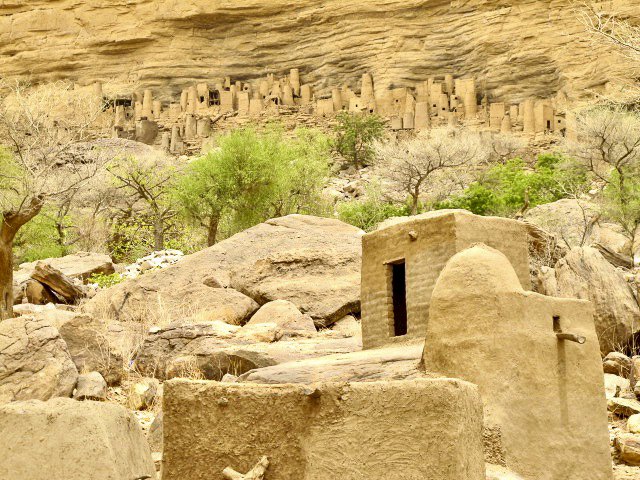
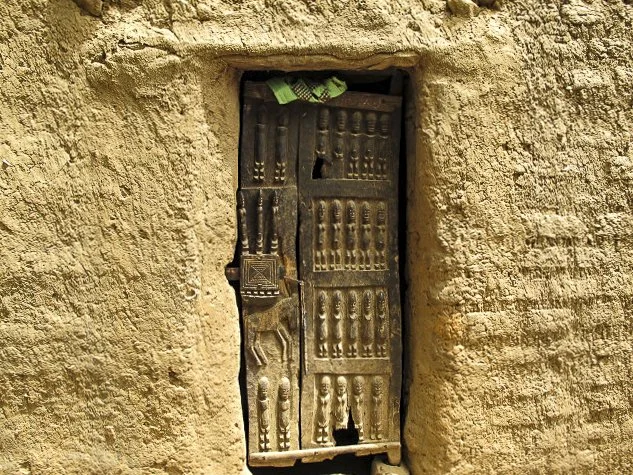
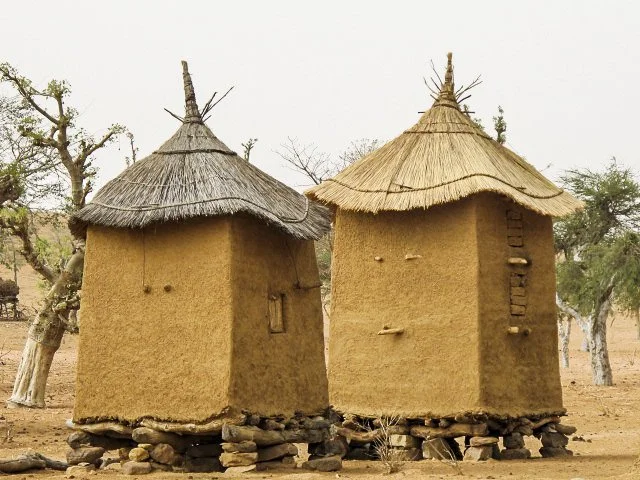
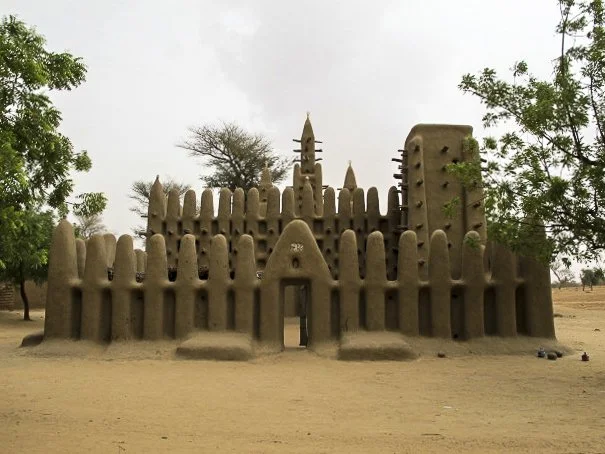
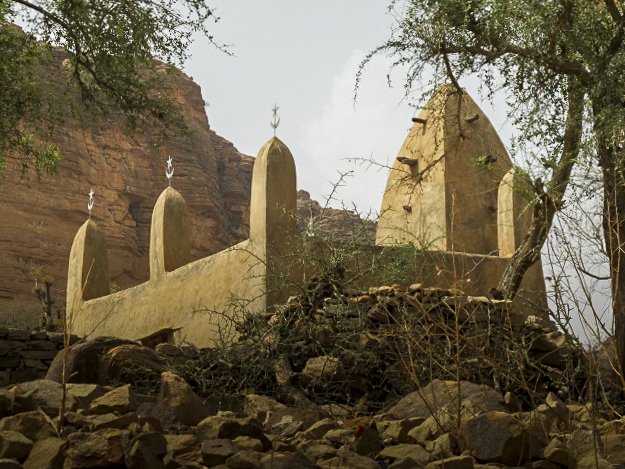
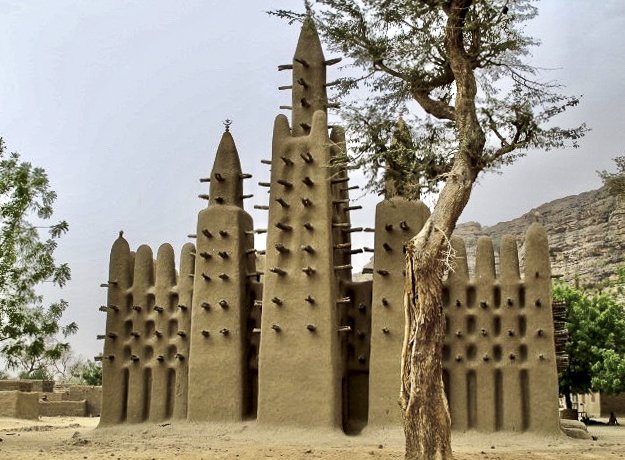
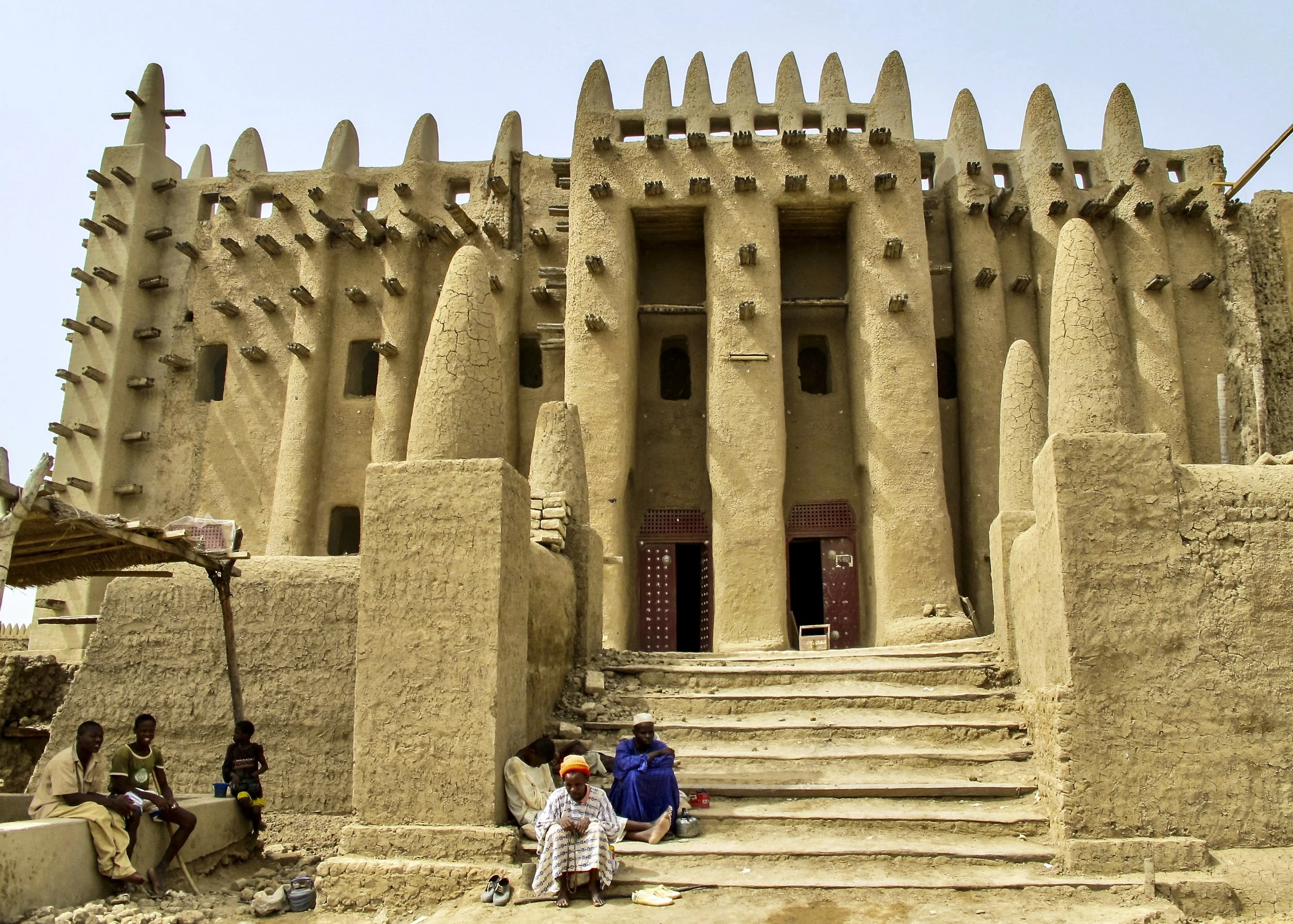
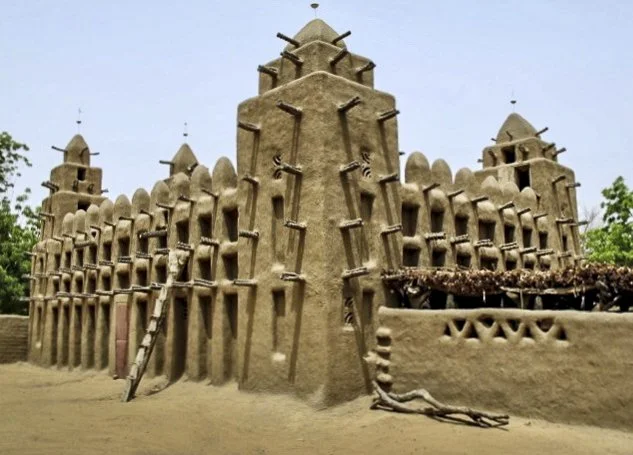
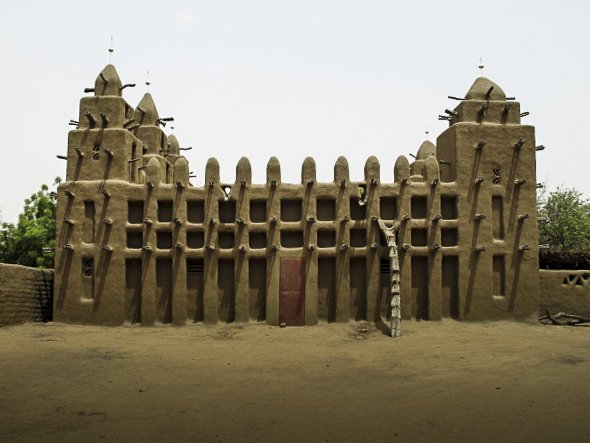
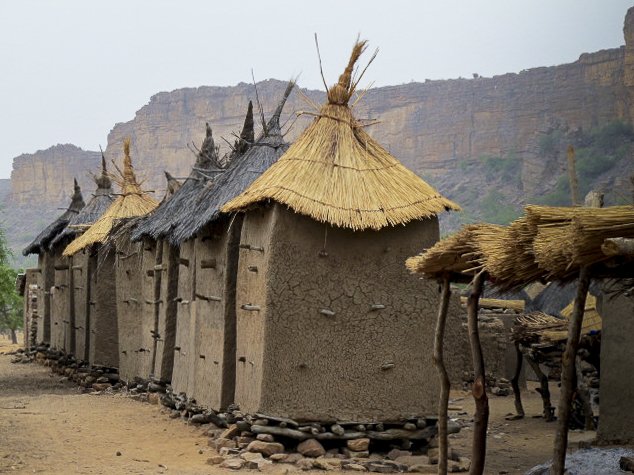
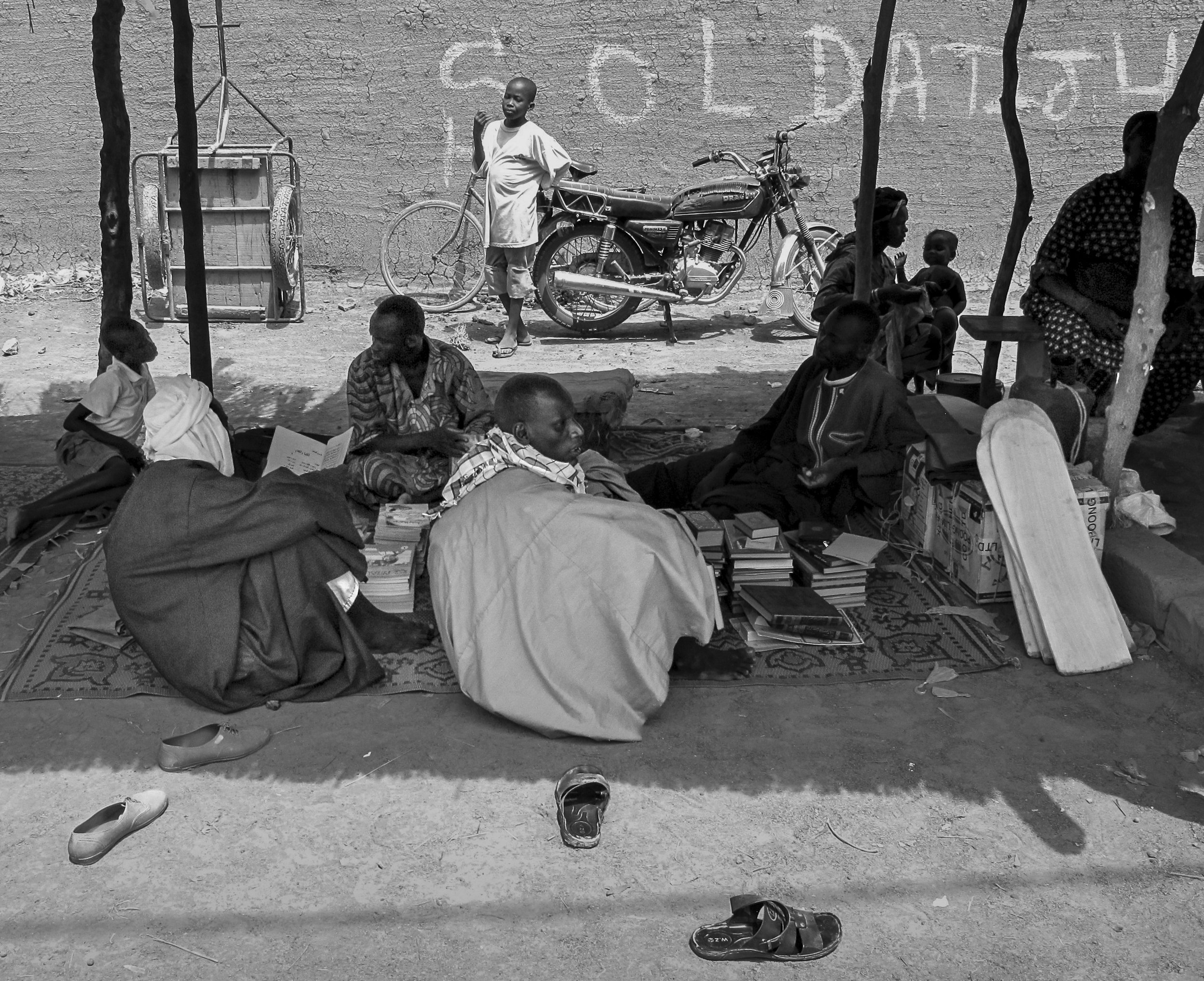
During my tenure in Mali, I was tasked with strategically linking rural agricultural producers (especially, sorghum, millet, maize, mangos, livestock, and dairy) with upstream commercial markets, During my frequent visits to villages and towns throughout the country, I encountered a robust and rich cultural diversity, in which Islam (90% of the population) predominated, while indigenous animist religions (Dogon people) inhabited the Bandiagara Escarpment in eastern Mali. Throughout the country, the flowing and colorful robes along with the ubiquitous handwoven Kufi and Fulani hats adorned by most Malian men provided a breathtaking multi-cultural mélange. While my excursions were principally focused on dealing with local governmental authorities, agricultural producers, and traders, occasionally, I found time to shoot photos of people, markets, and religious sites up-and-down the Niger river and delta. Though the bulk of these images, taken in the midst of sweltering heat and haze, are not the crispest photos, they represent some of my most intriguing photos because they depict a gloriously people, whose fortunes have precipitously degenerated into political and internecine chaos during the last decade.