Tanzania
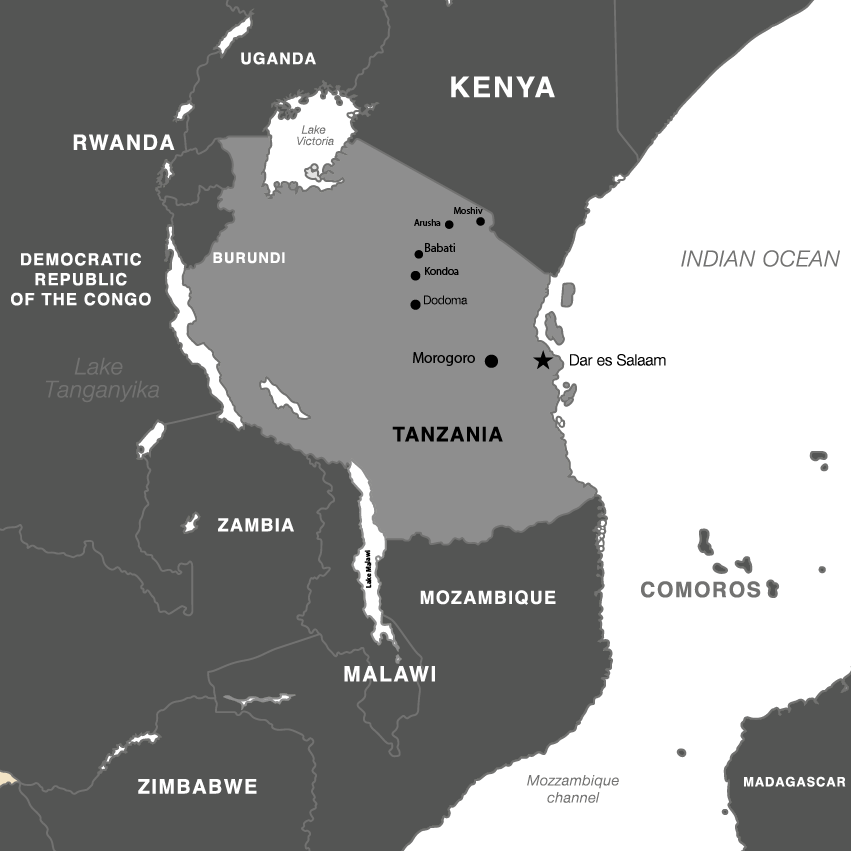
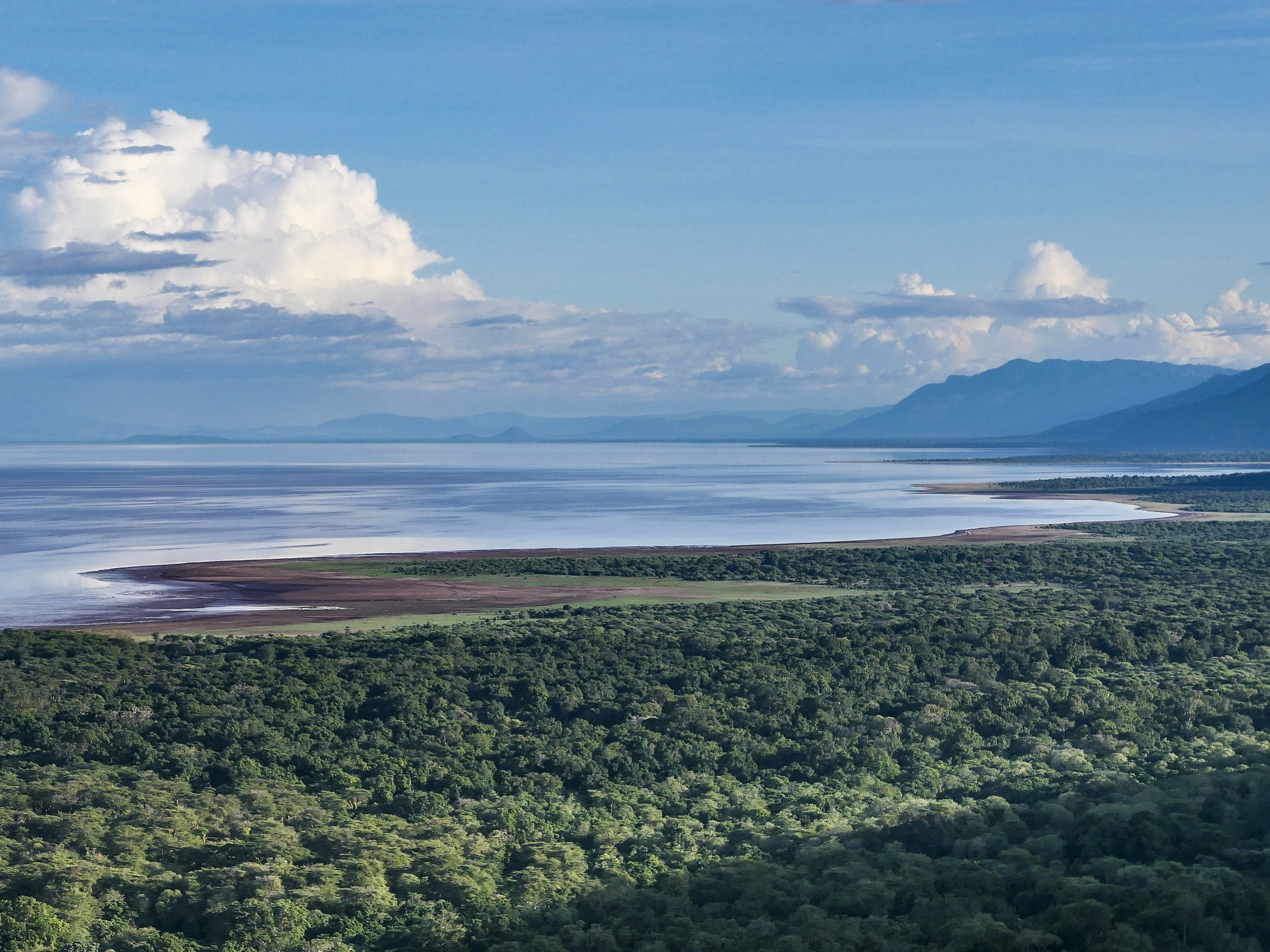
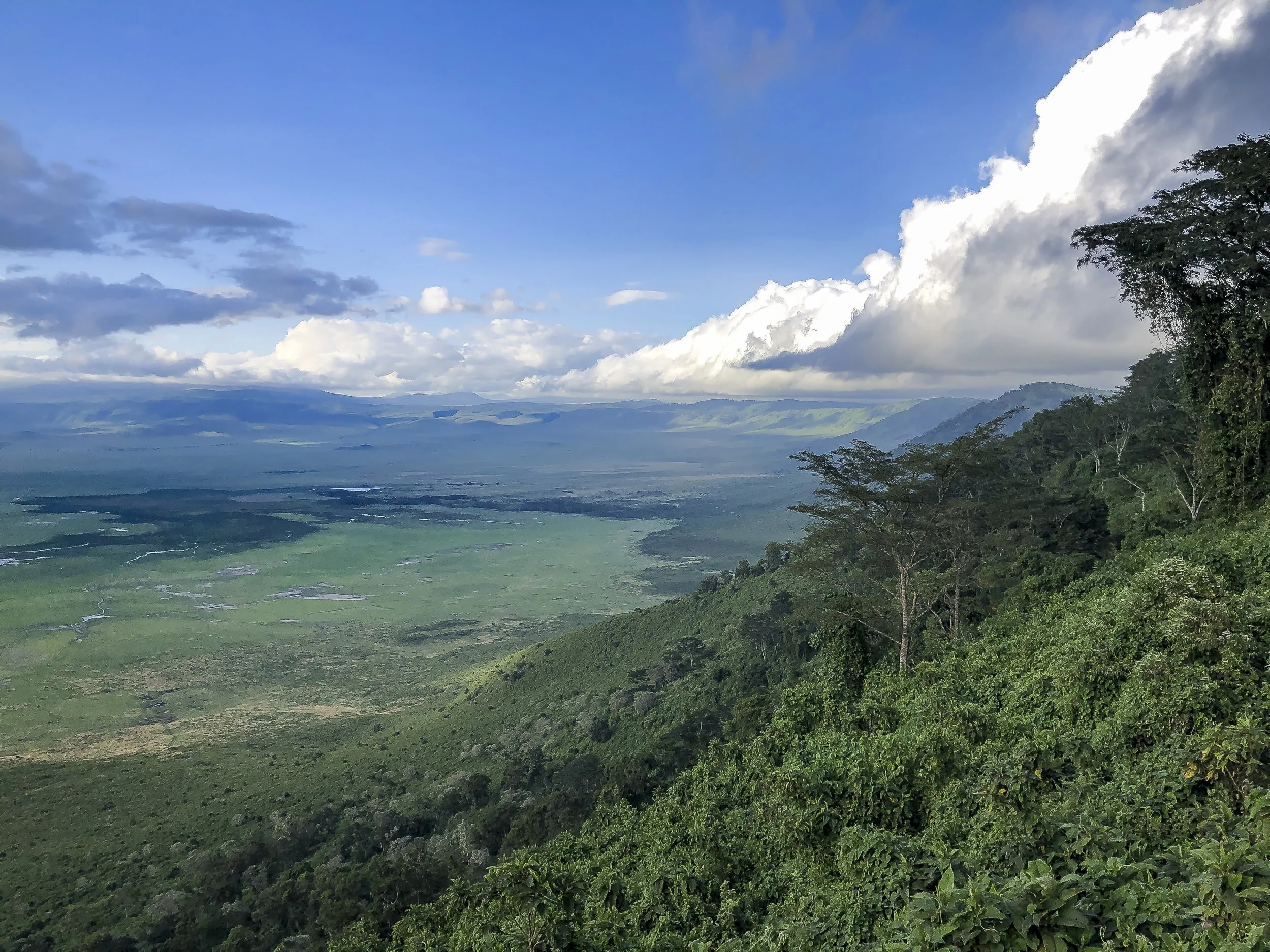
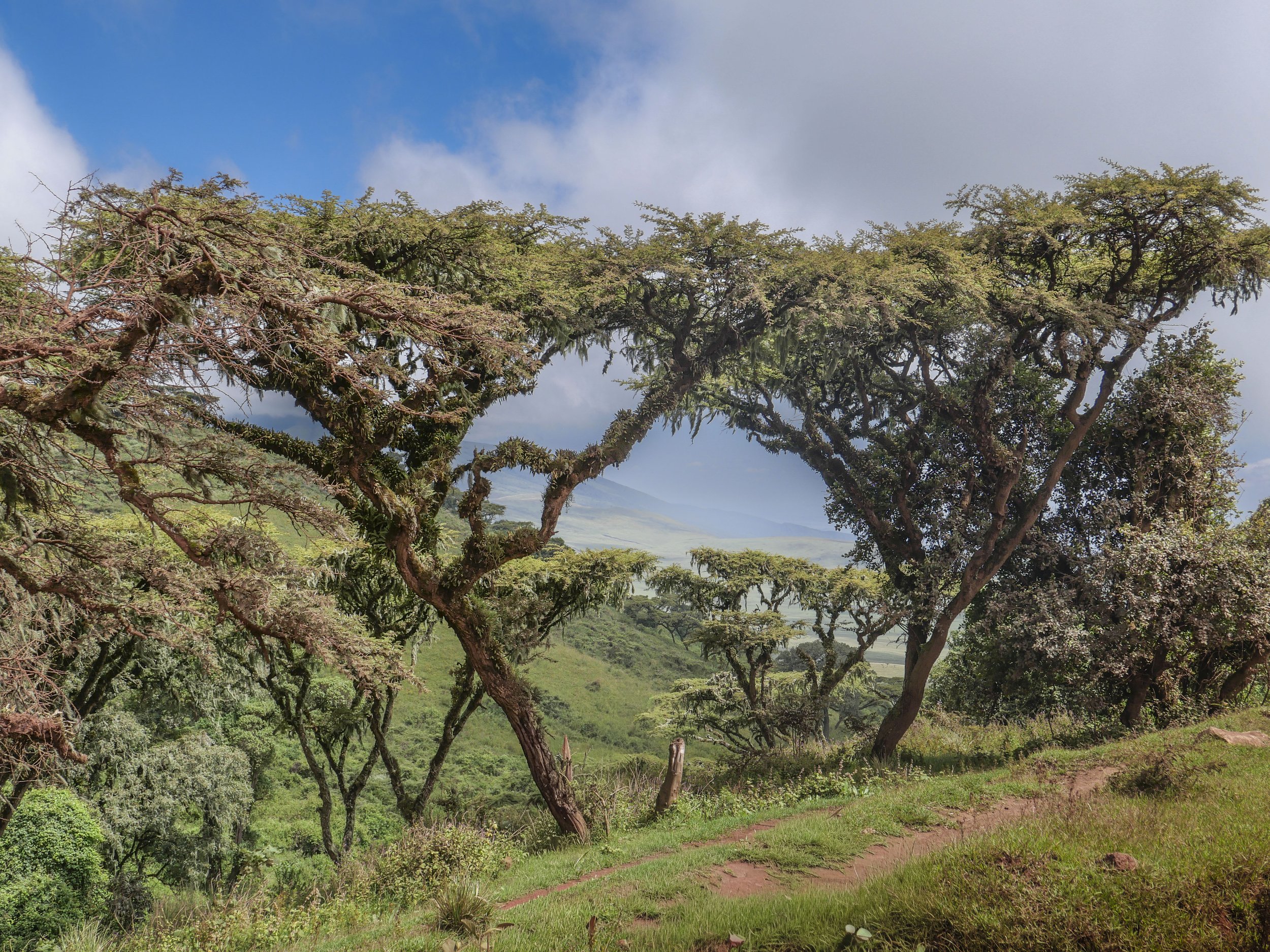
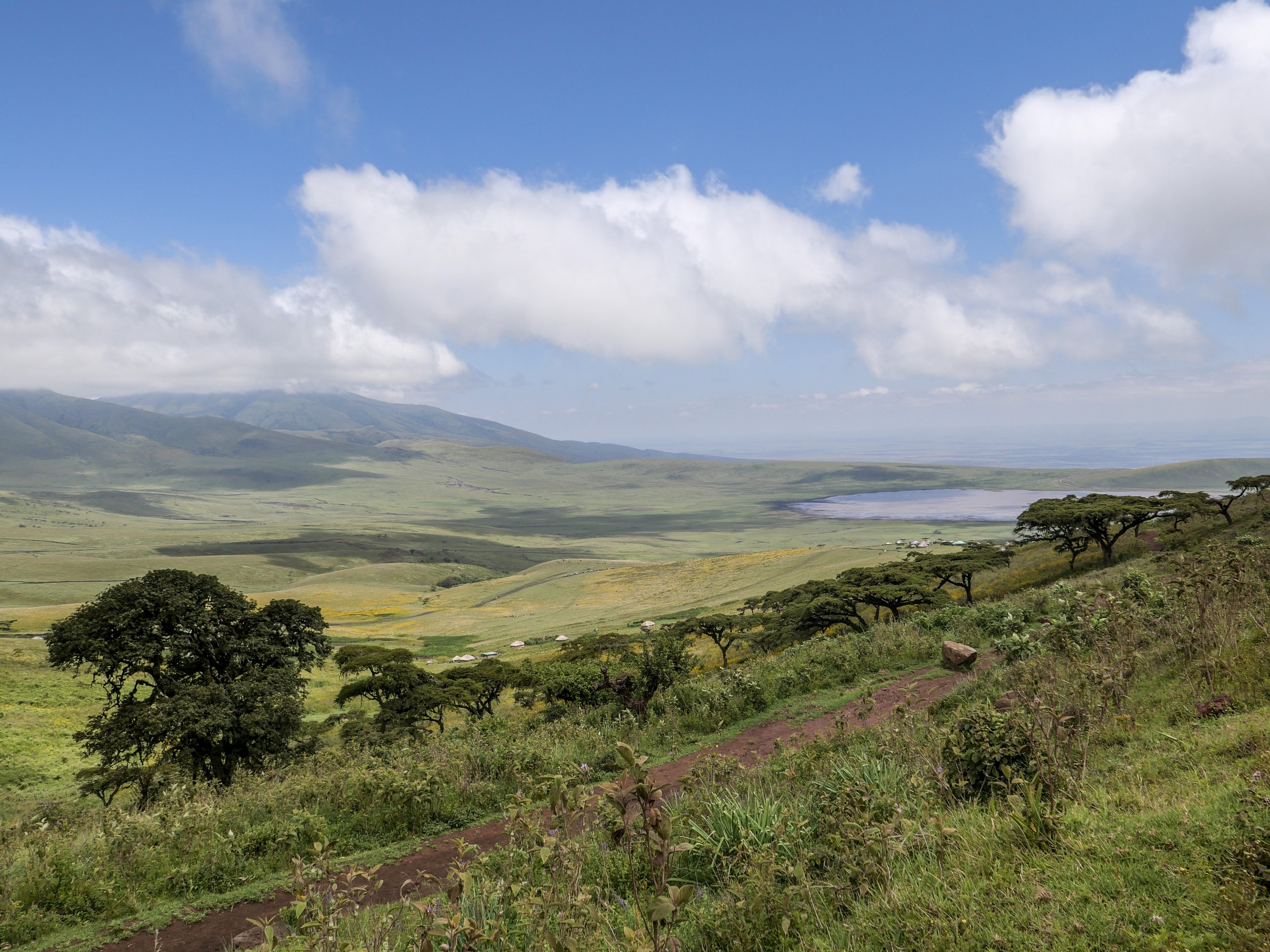
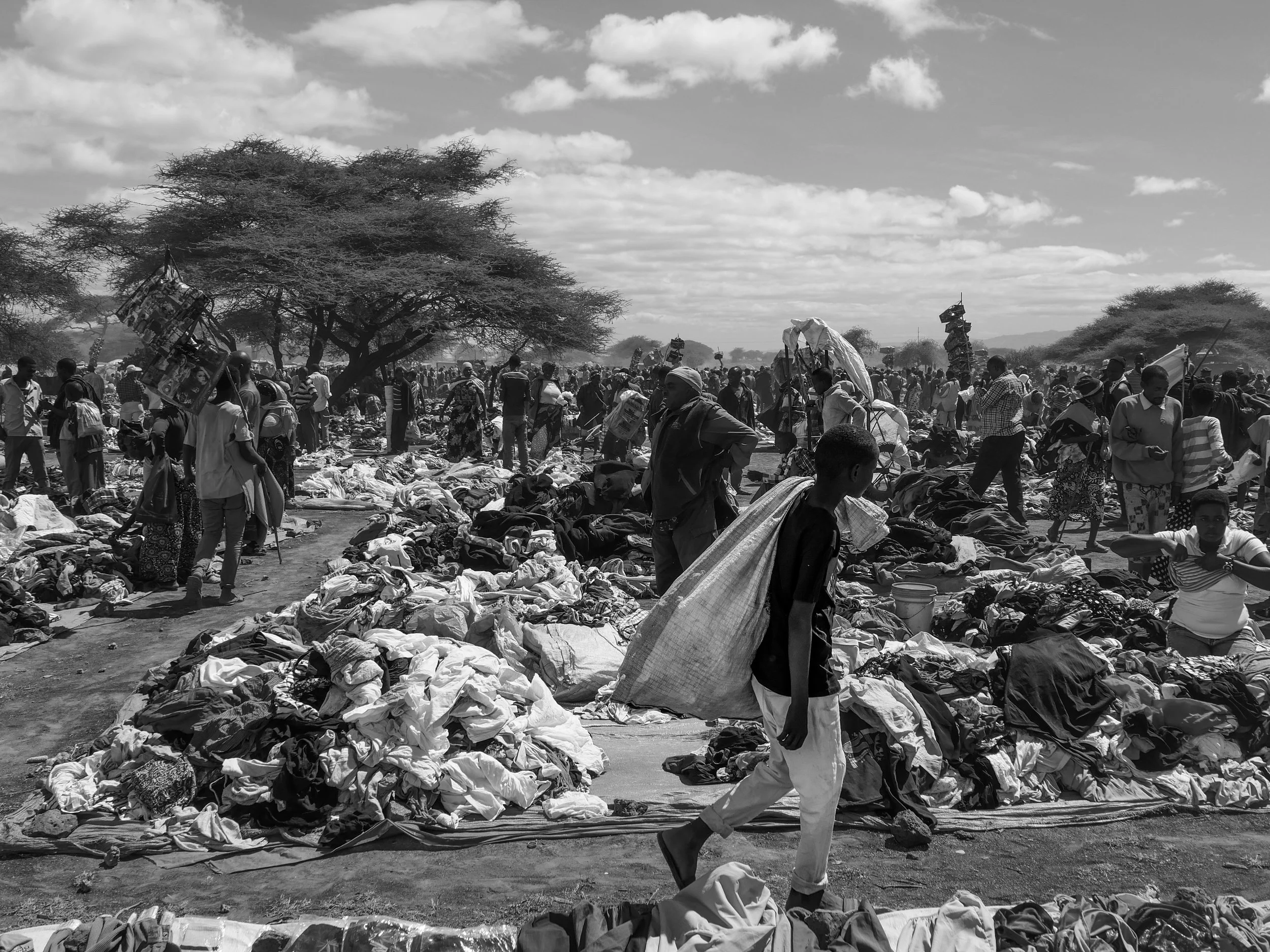
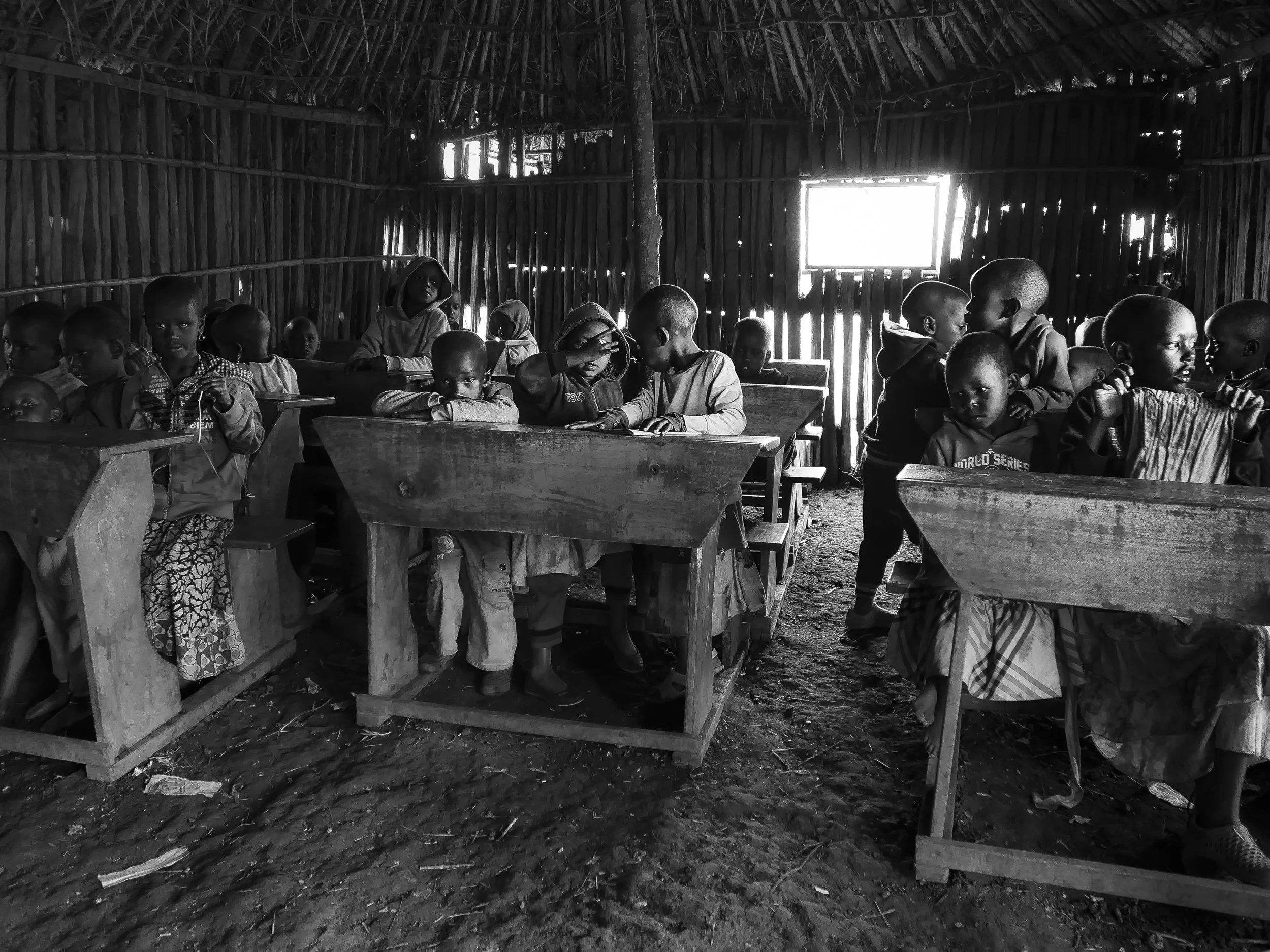
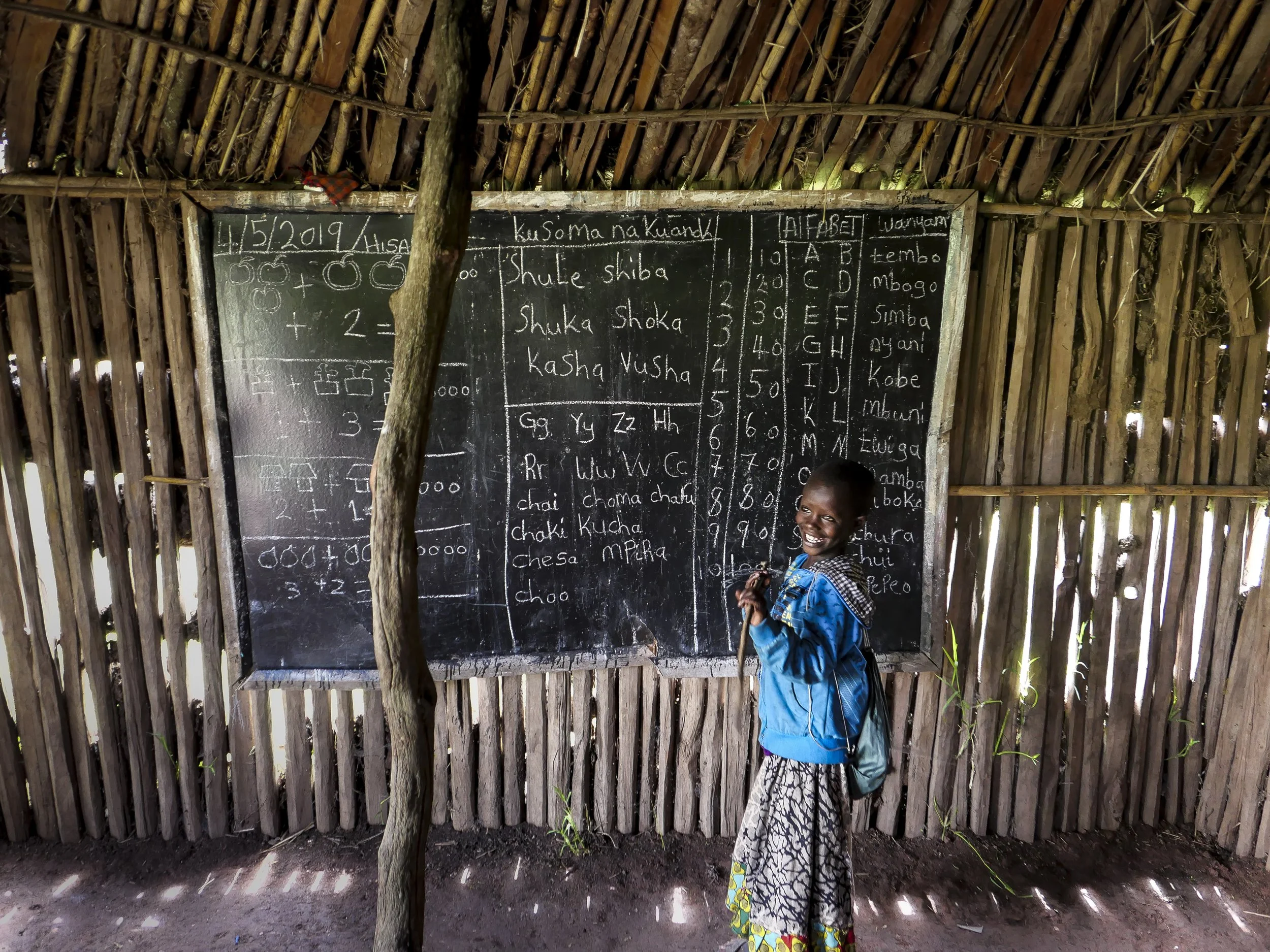
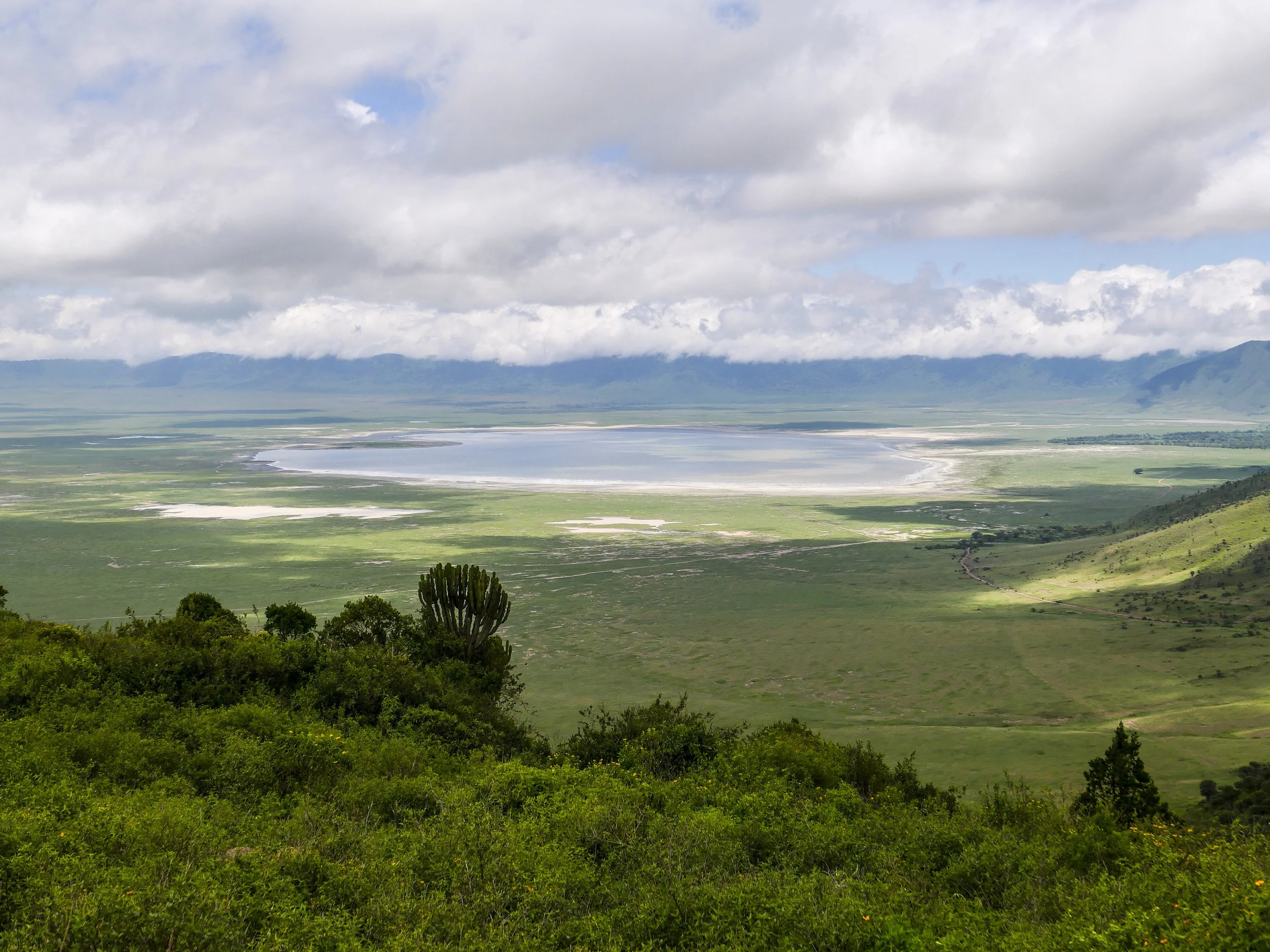
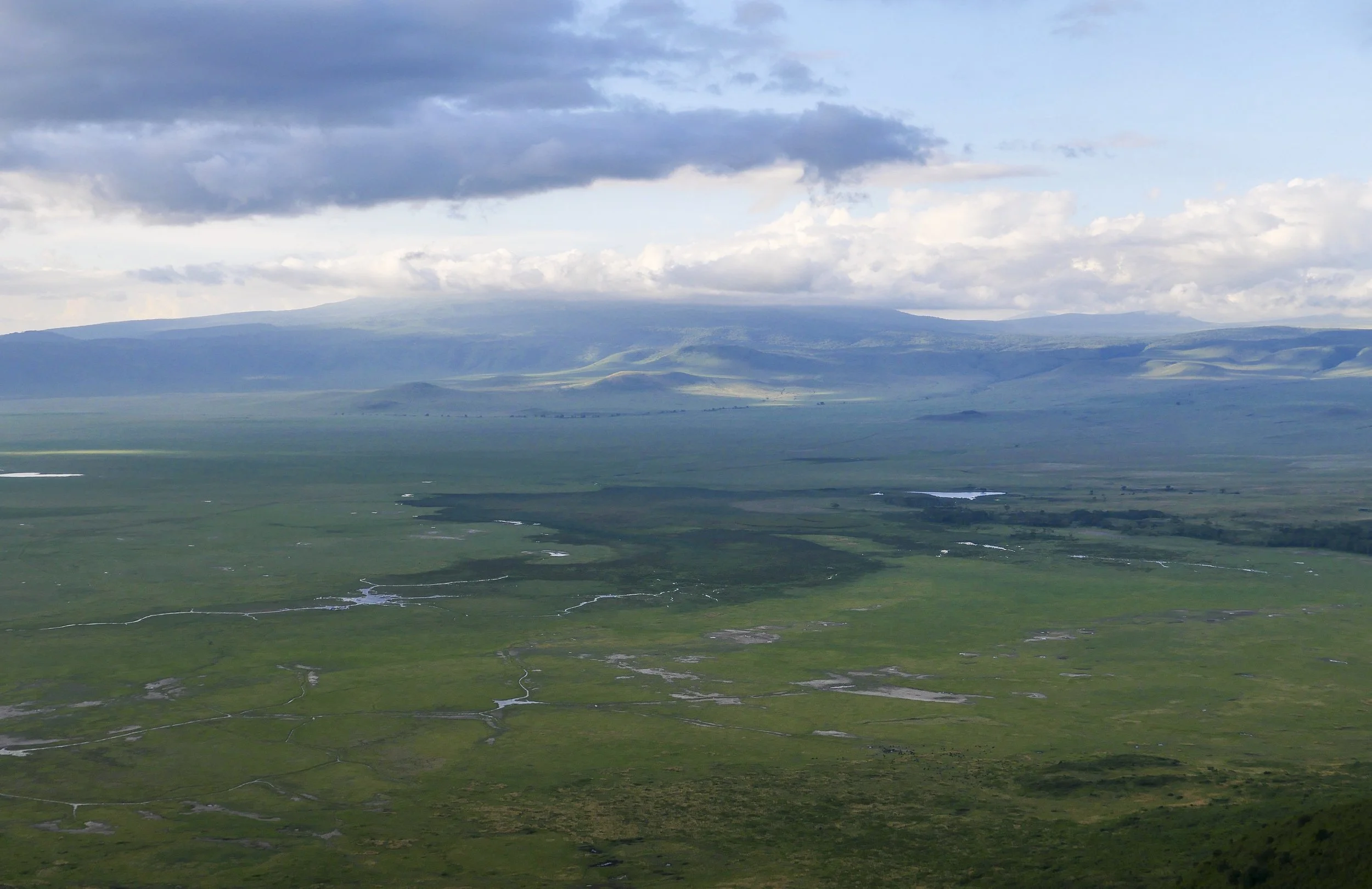
I traveled to Tanzania to provide technical support to agricultural communities and microfinance organizations, working at the intersection of rural development and economic empowerment. Once my assignment was complete, I journeyed to the country's northwest to immerse myself in the legendary landscapes of the Tarangire and the Ngorongoro Conservation Area. While the wildlife was breathtaking, I found myself most profoundly moved by the human stories of the region—specifically the striking contrast between the indigenous Hadzabe and the iconic Maasai.
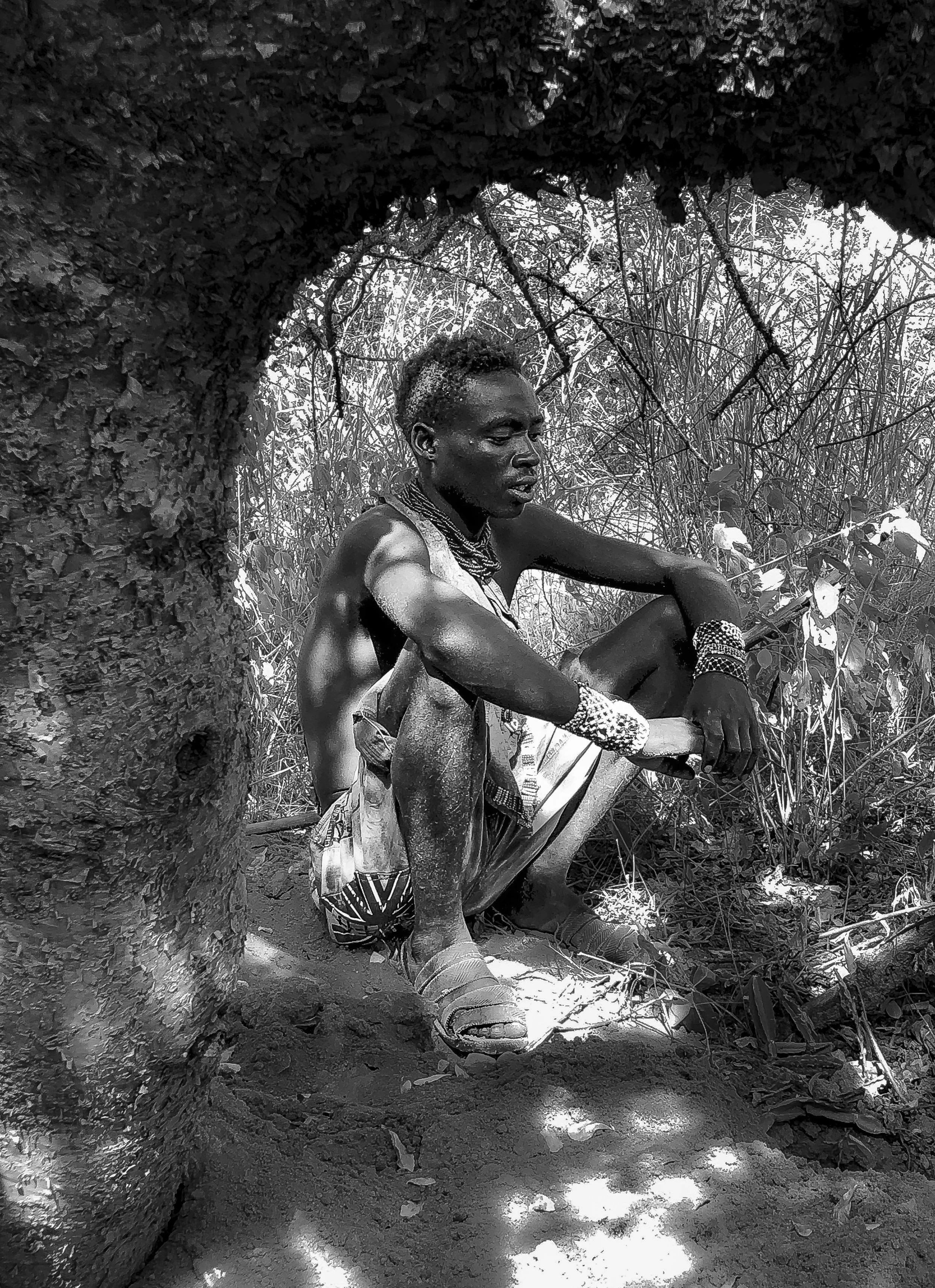
The Hadzabe: A Living Legacy
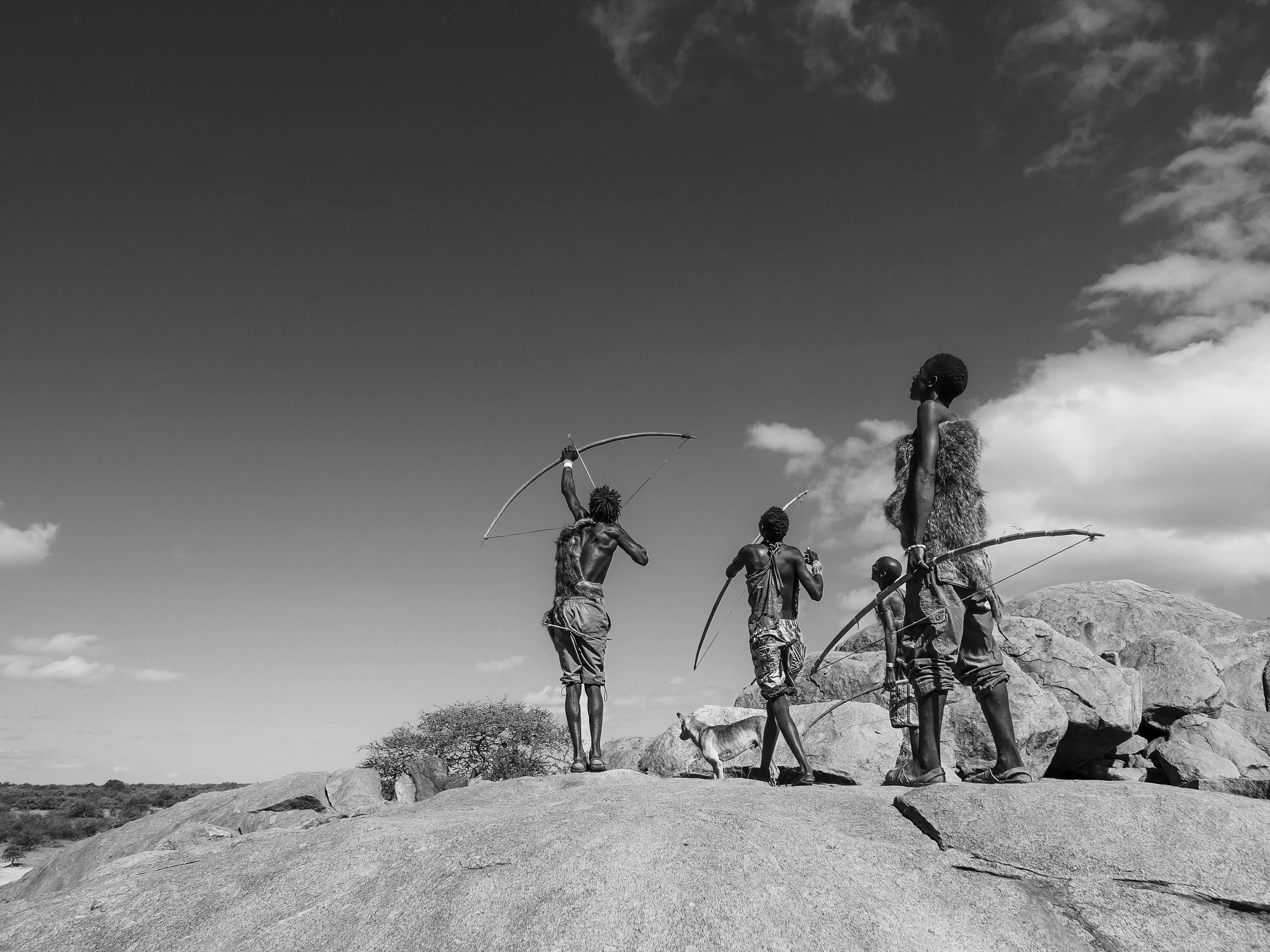
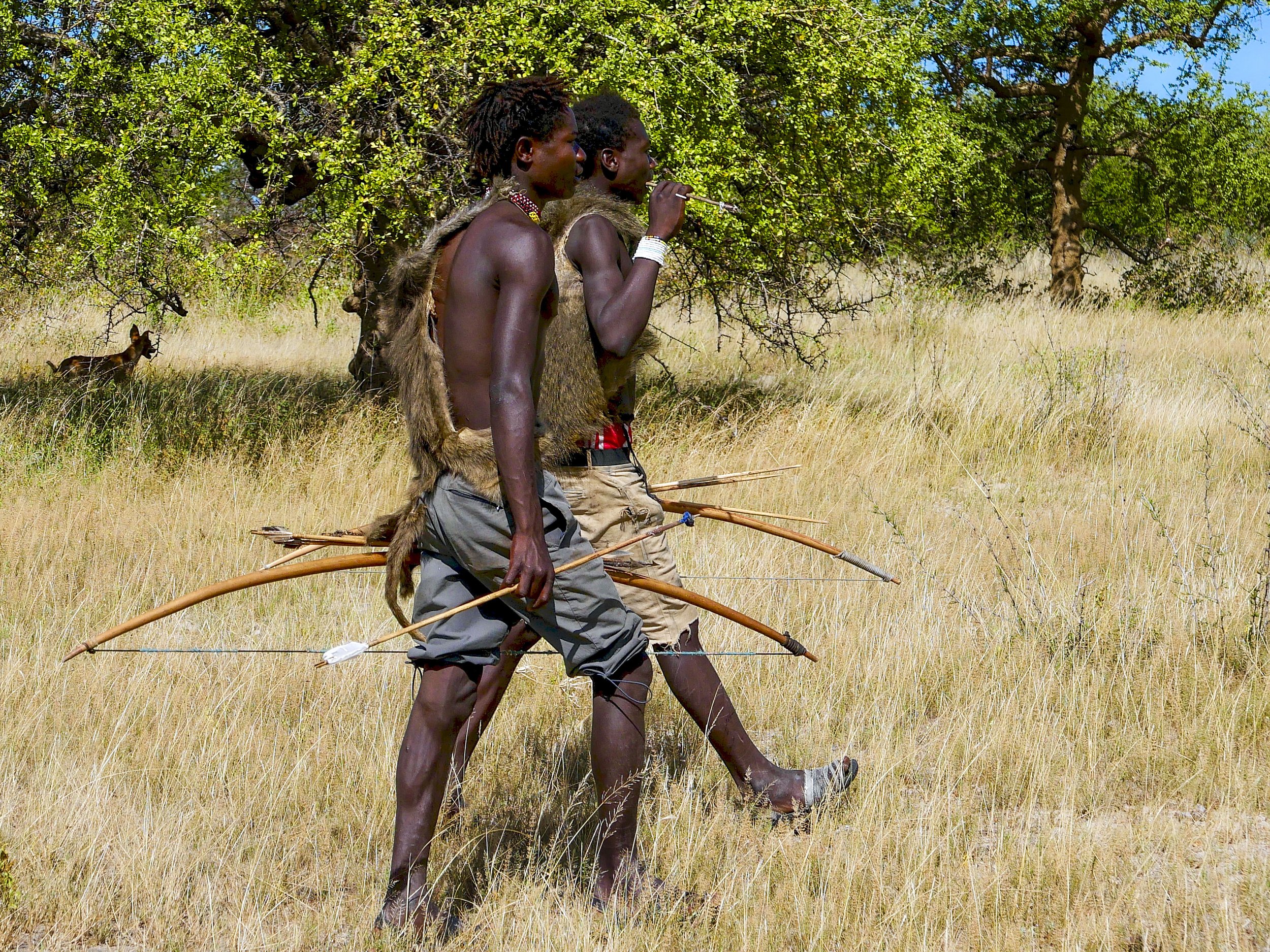
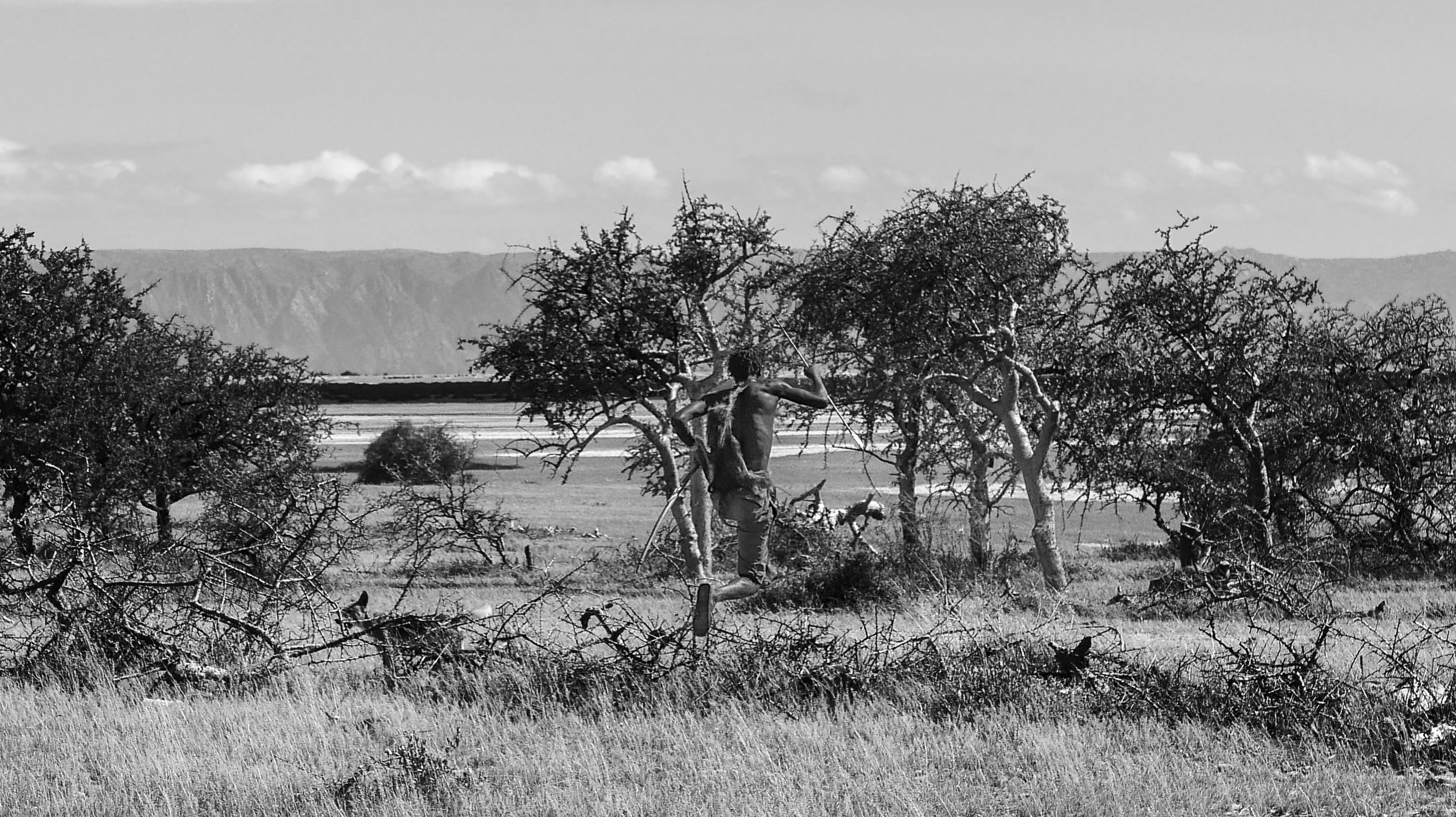
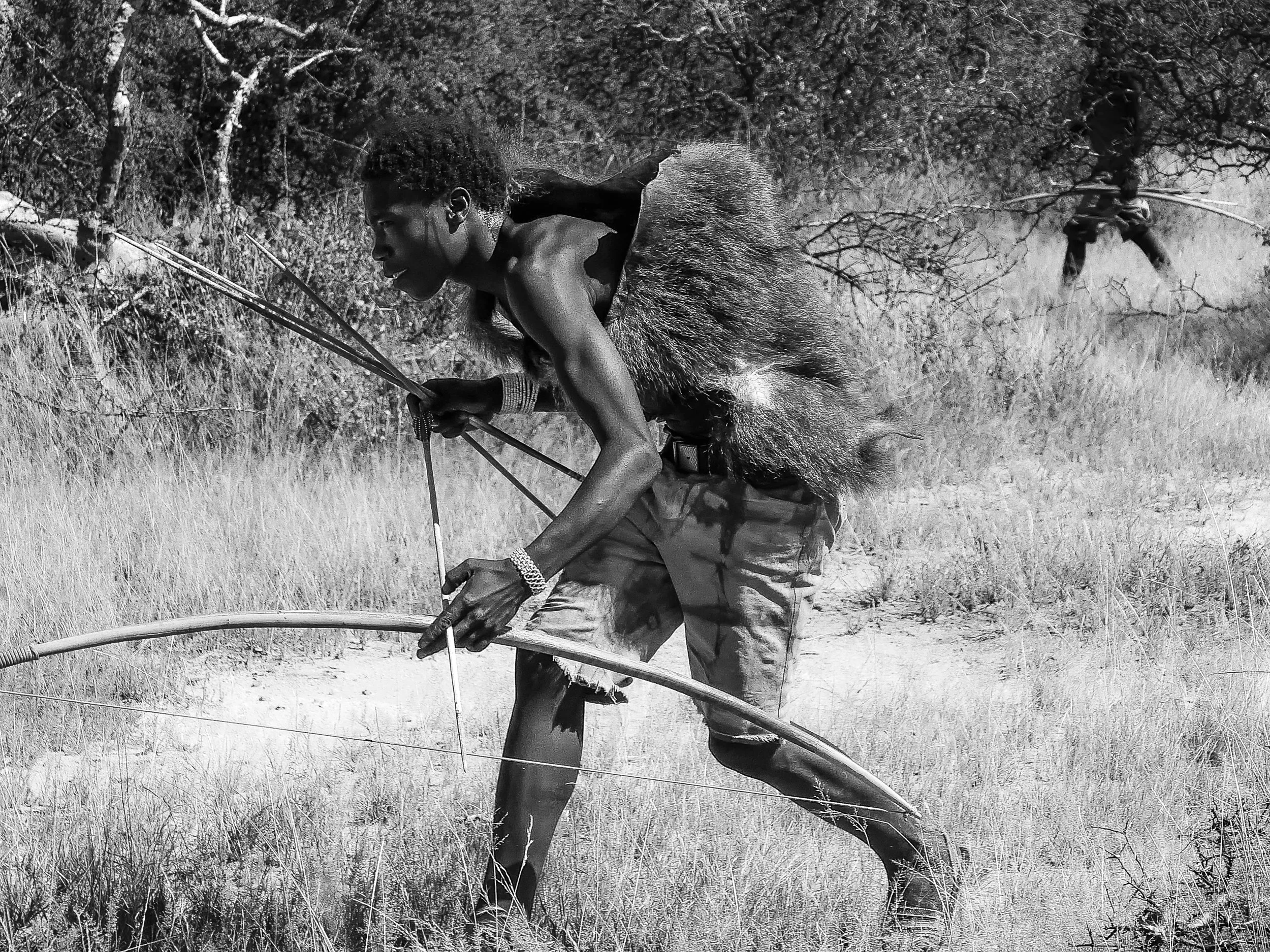
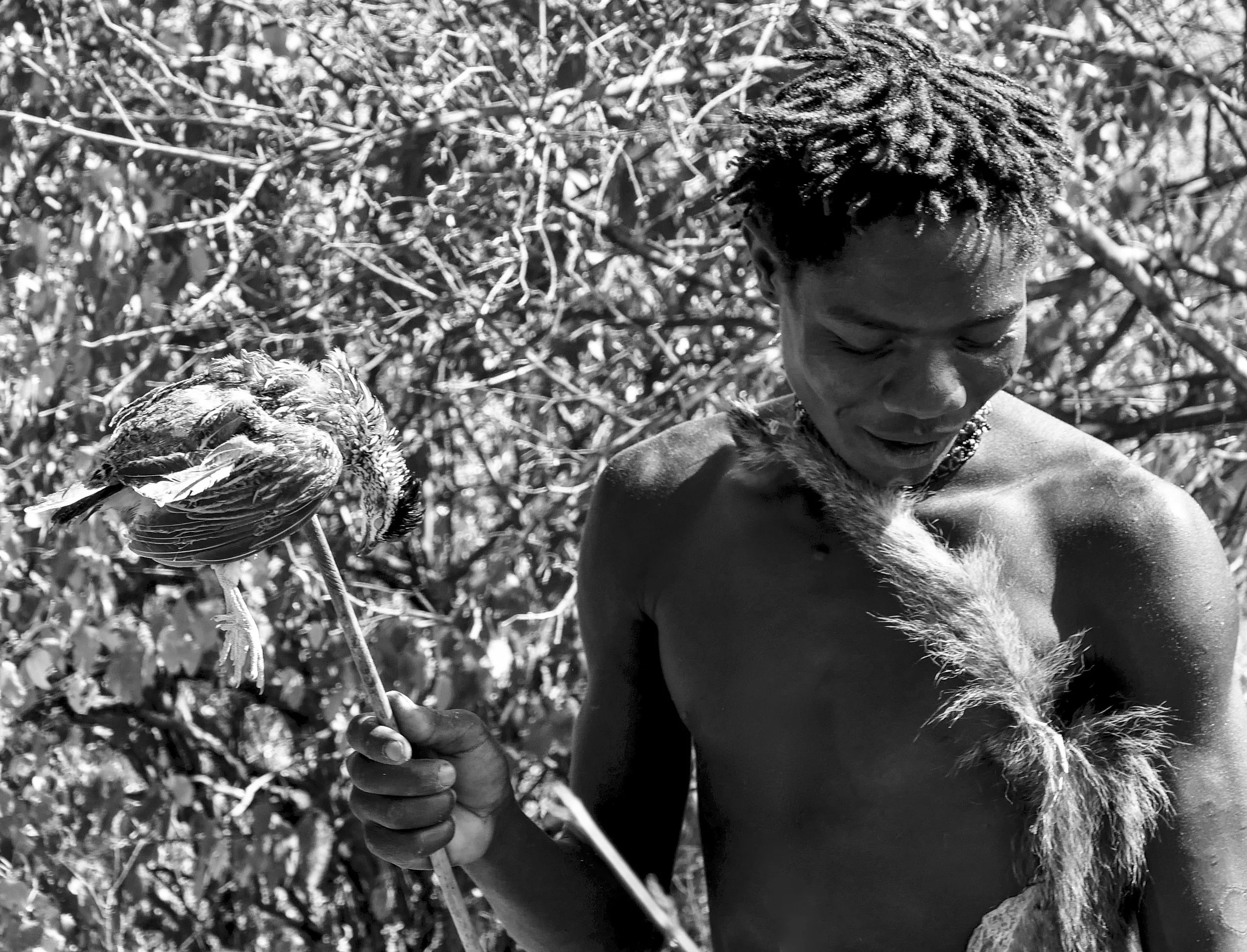
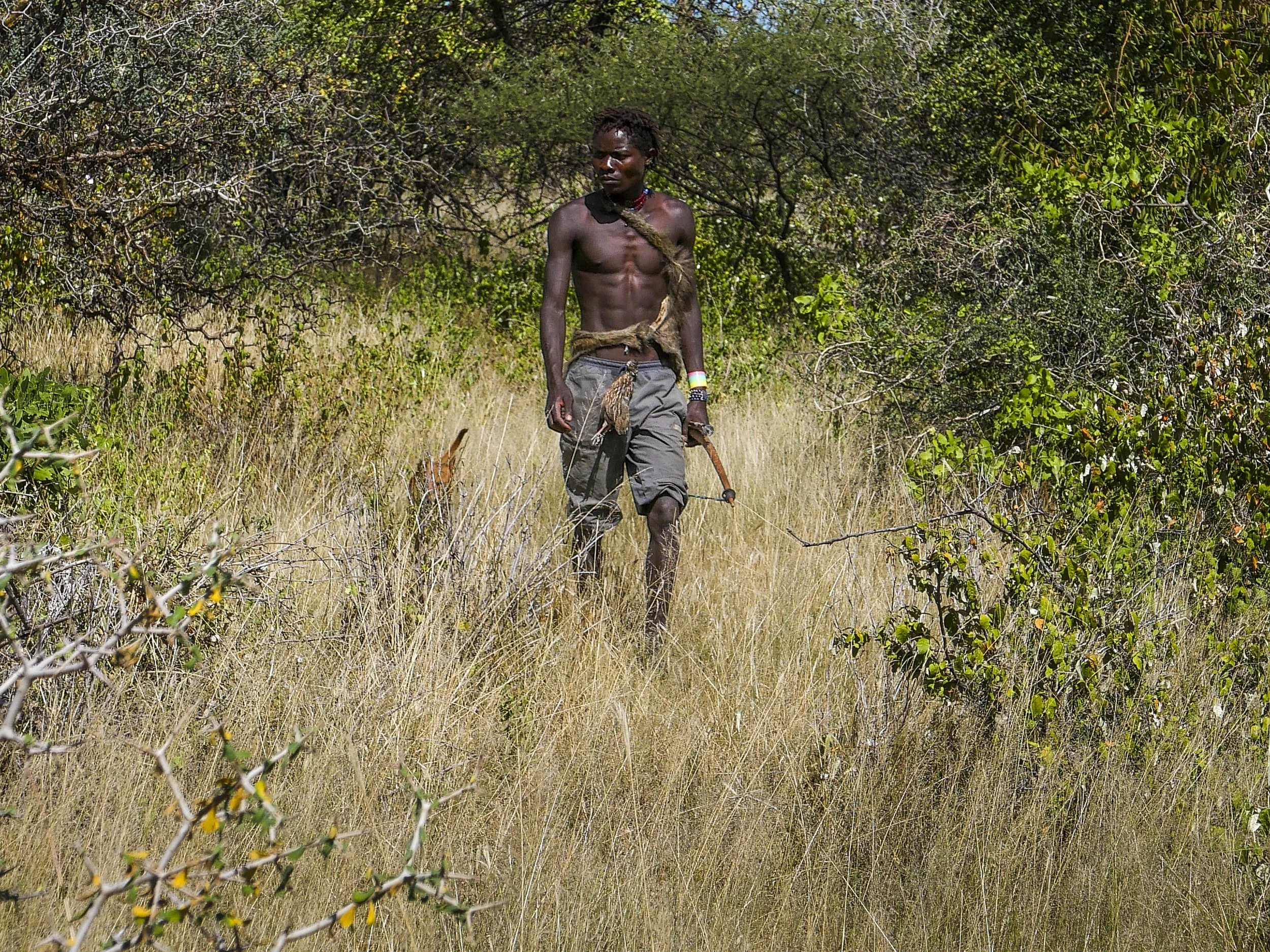
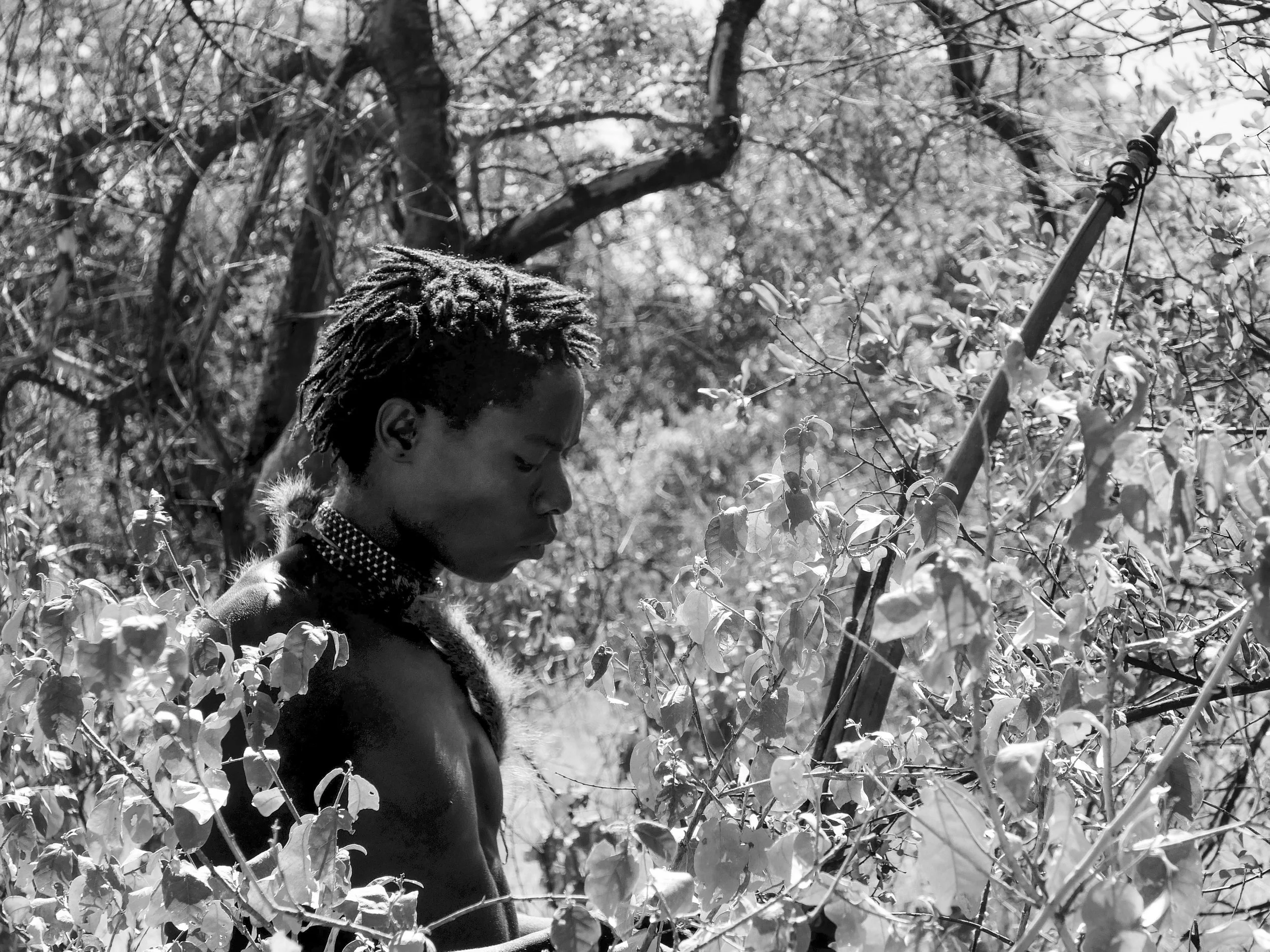
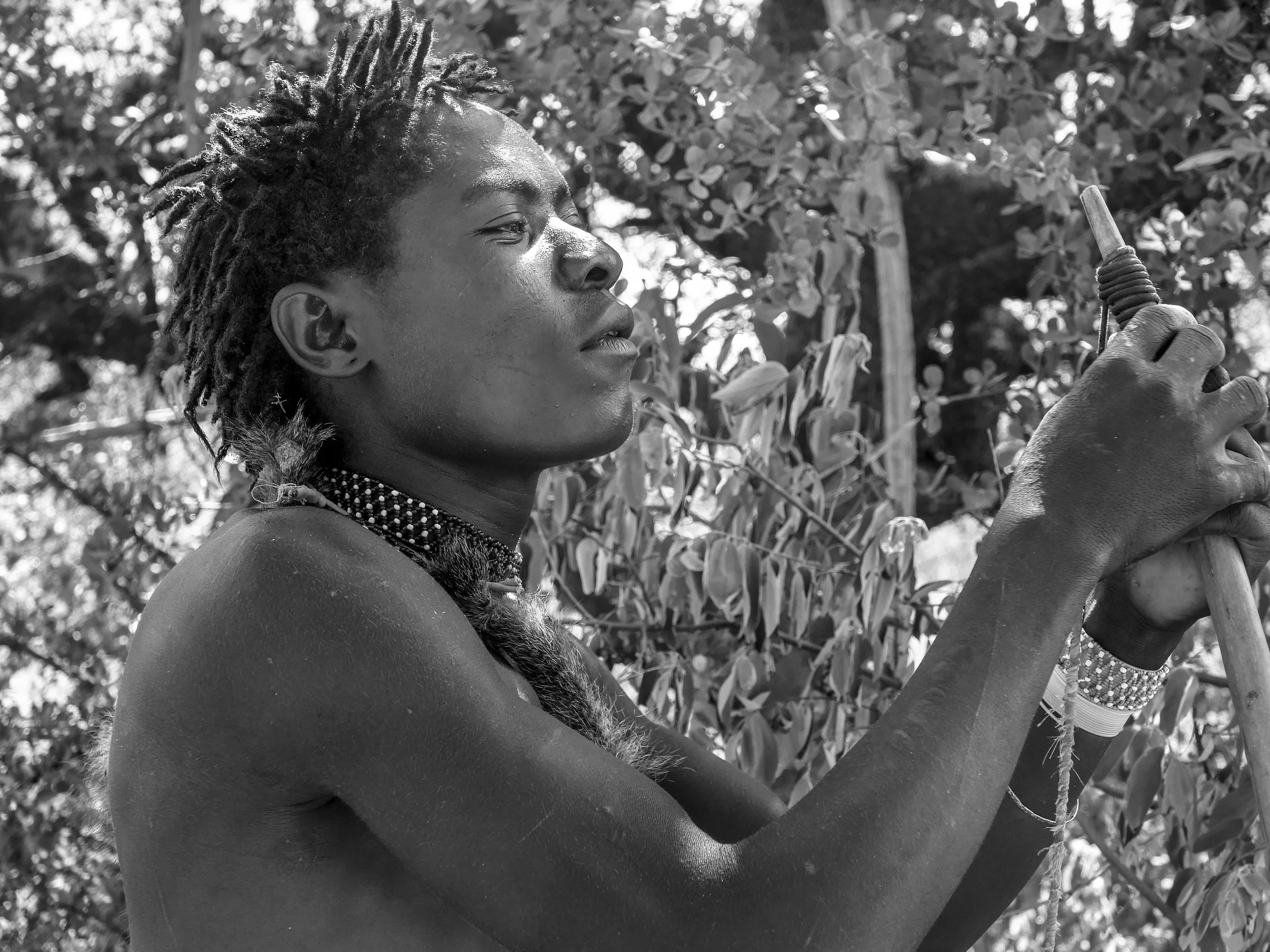
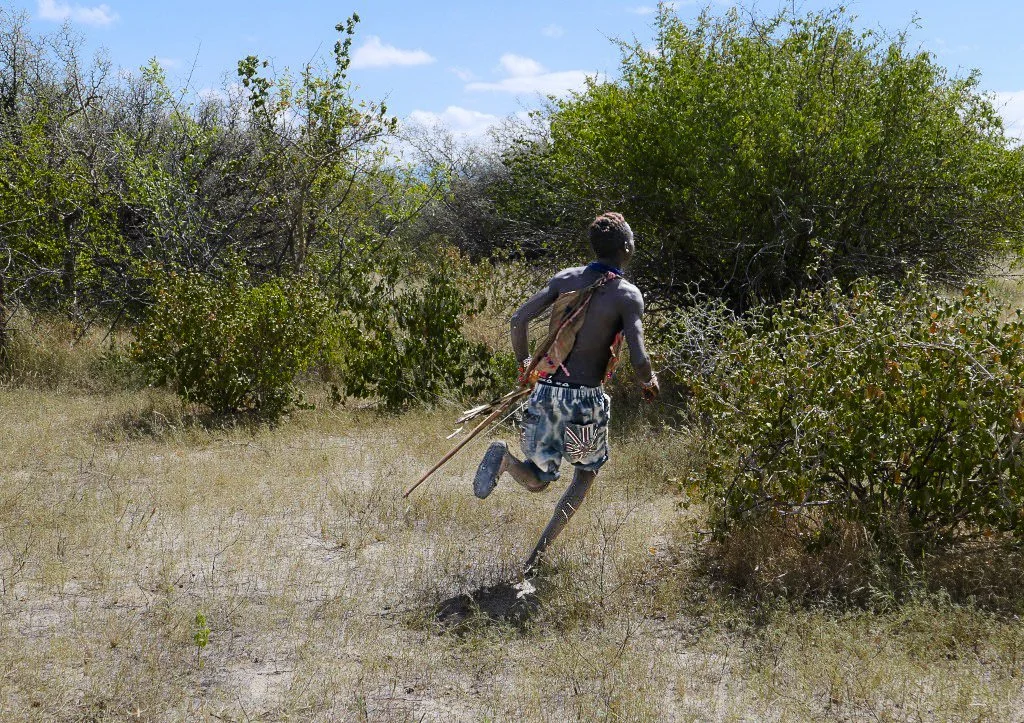
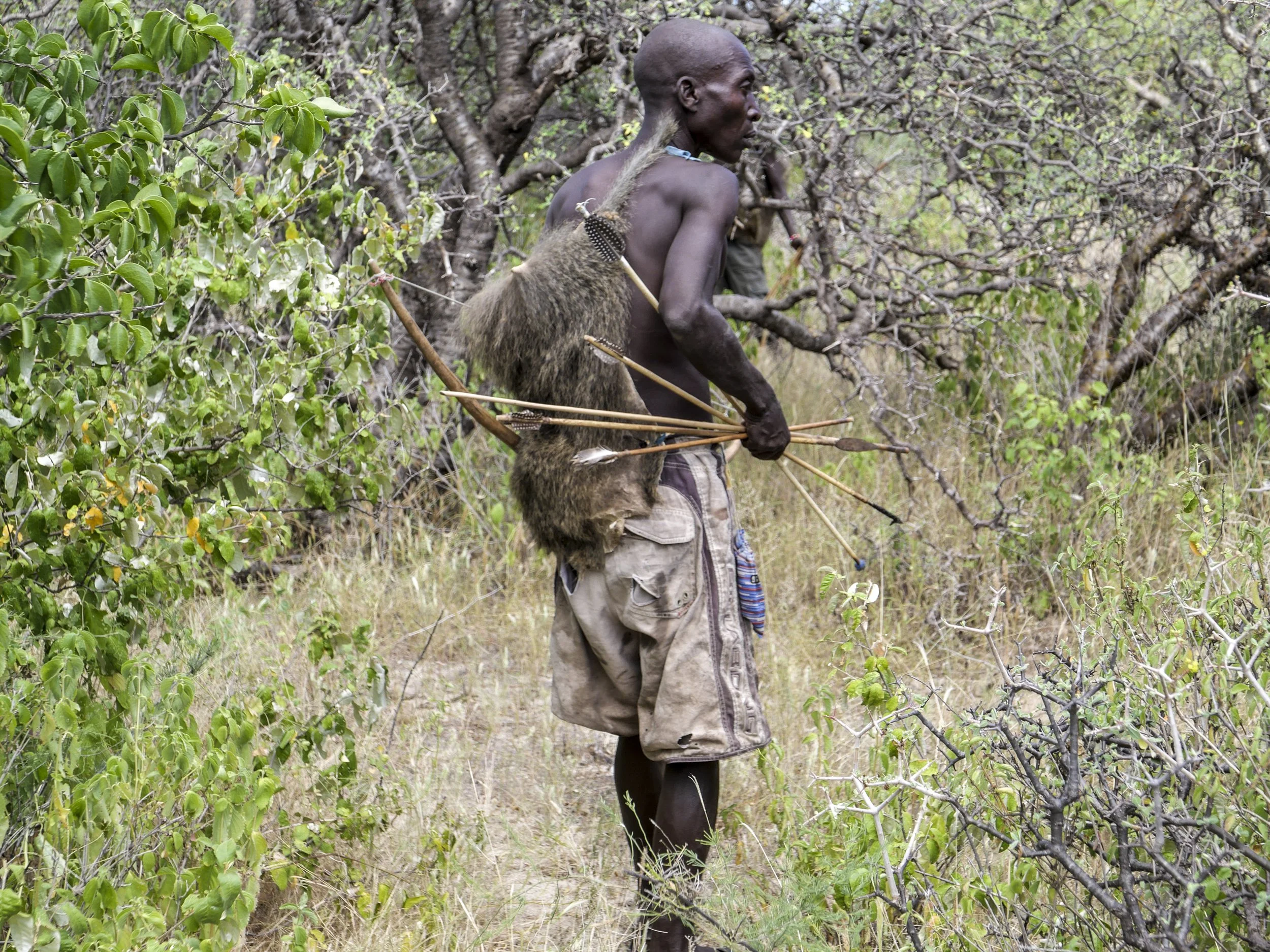
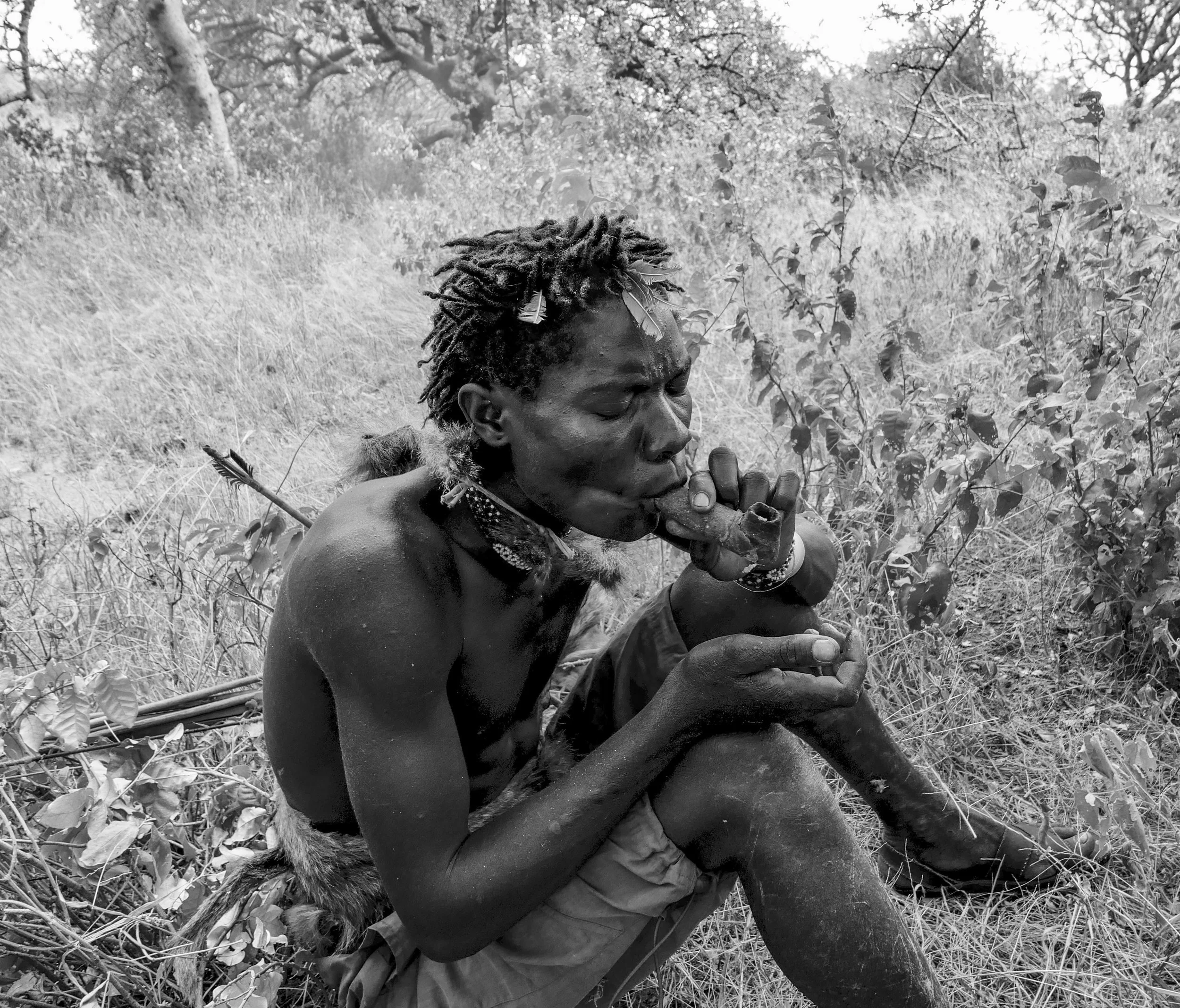
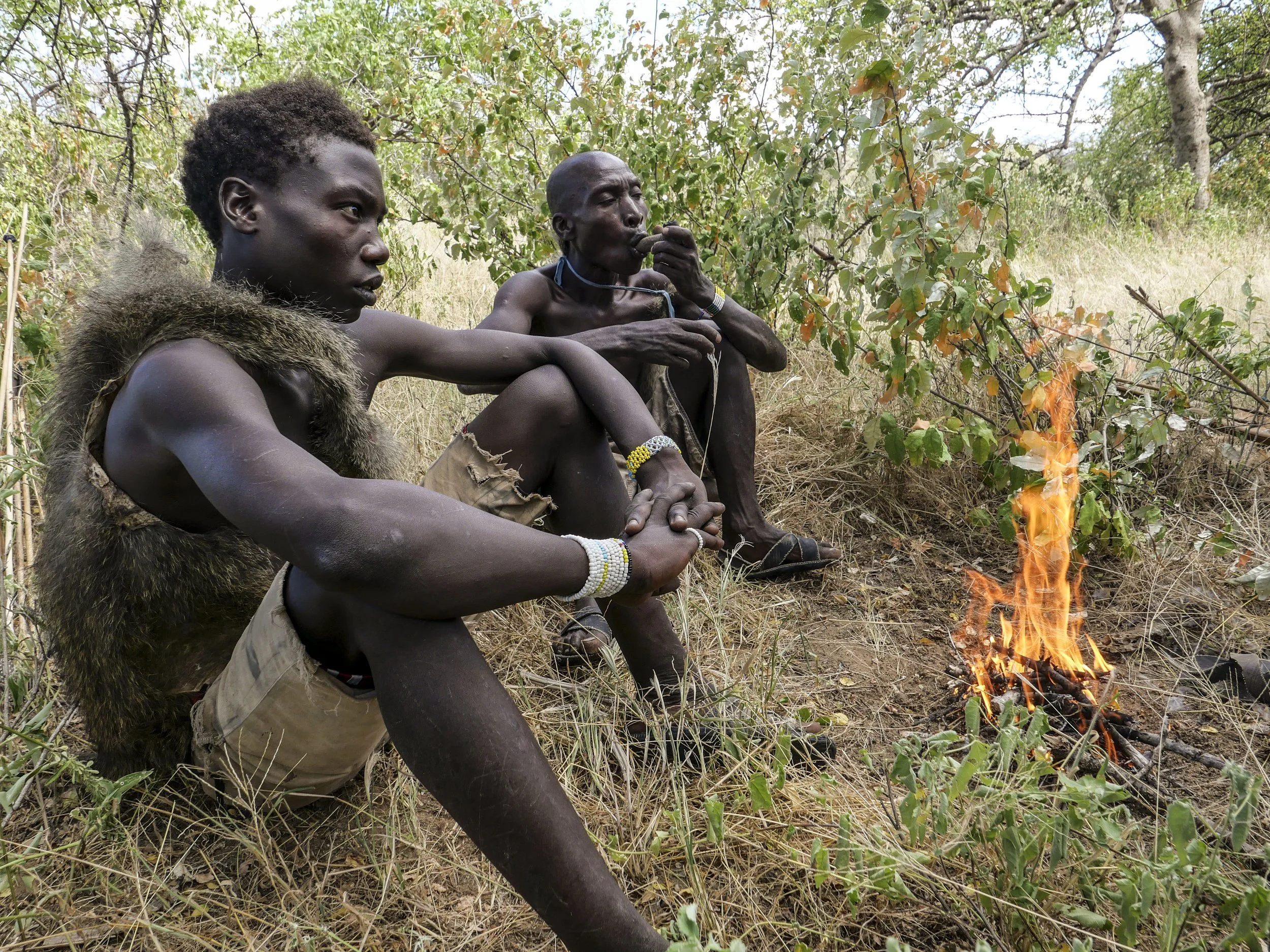
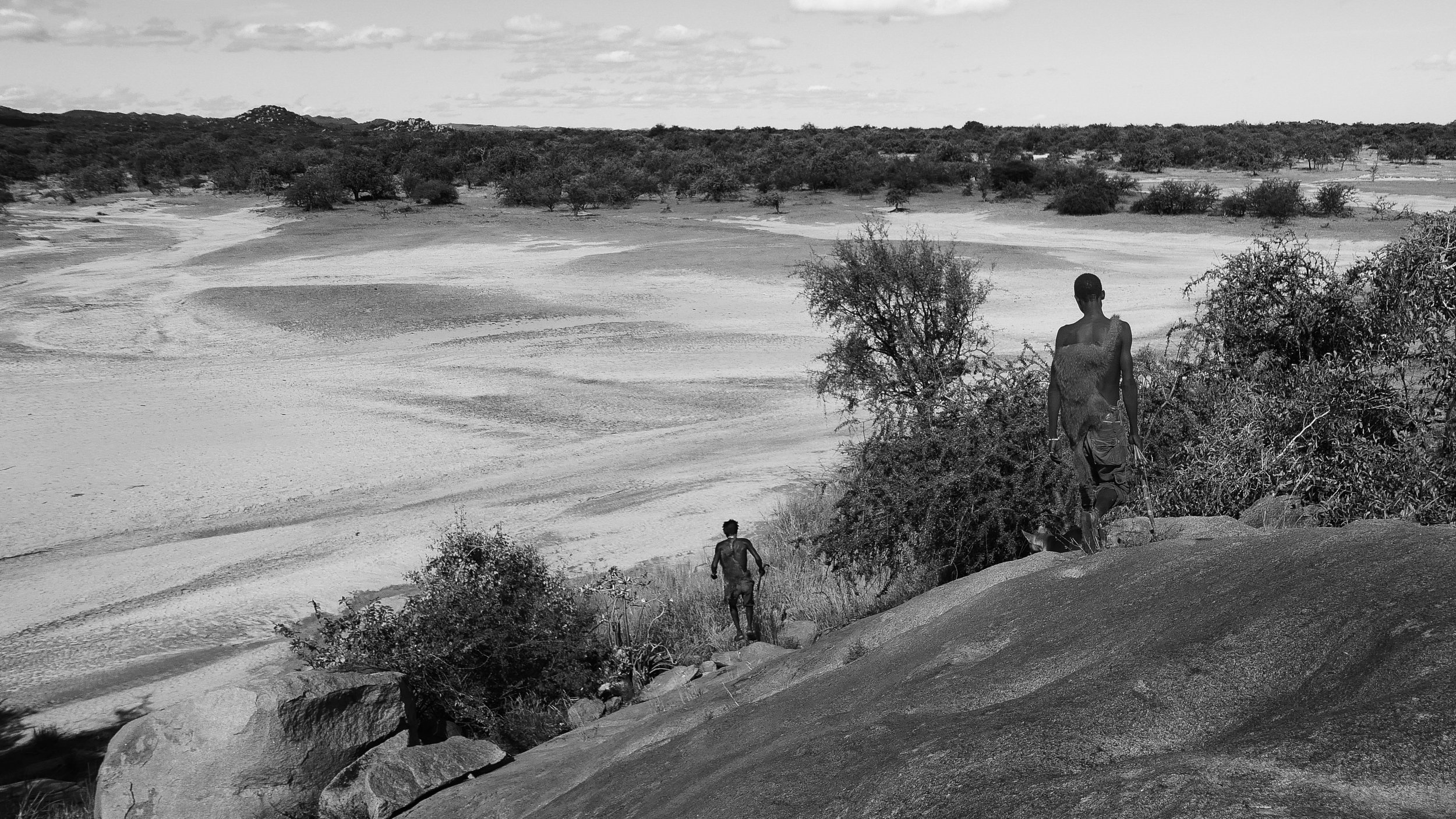
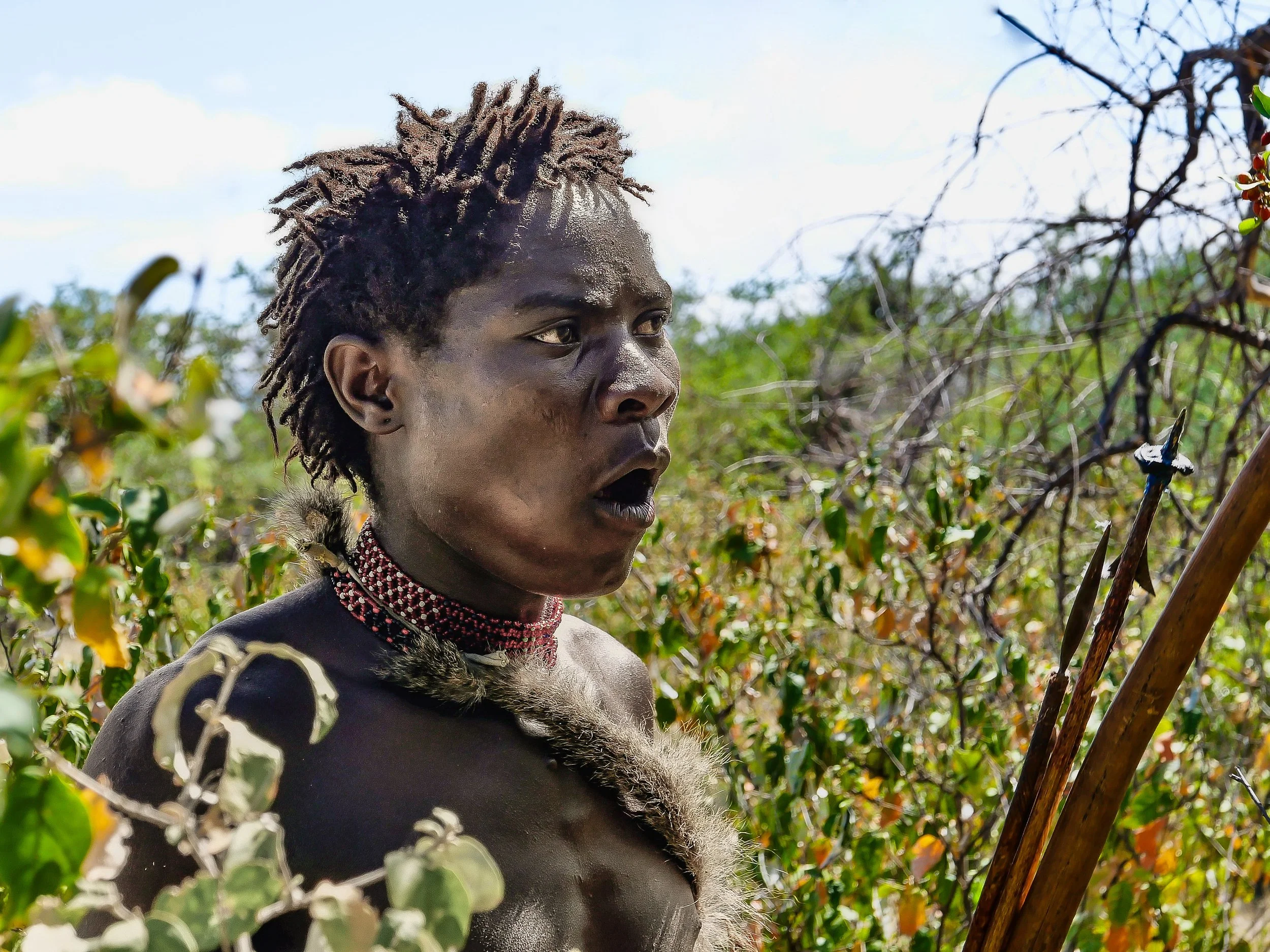
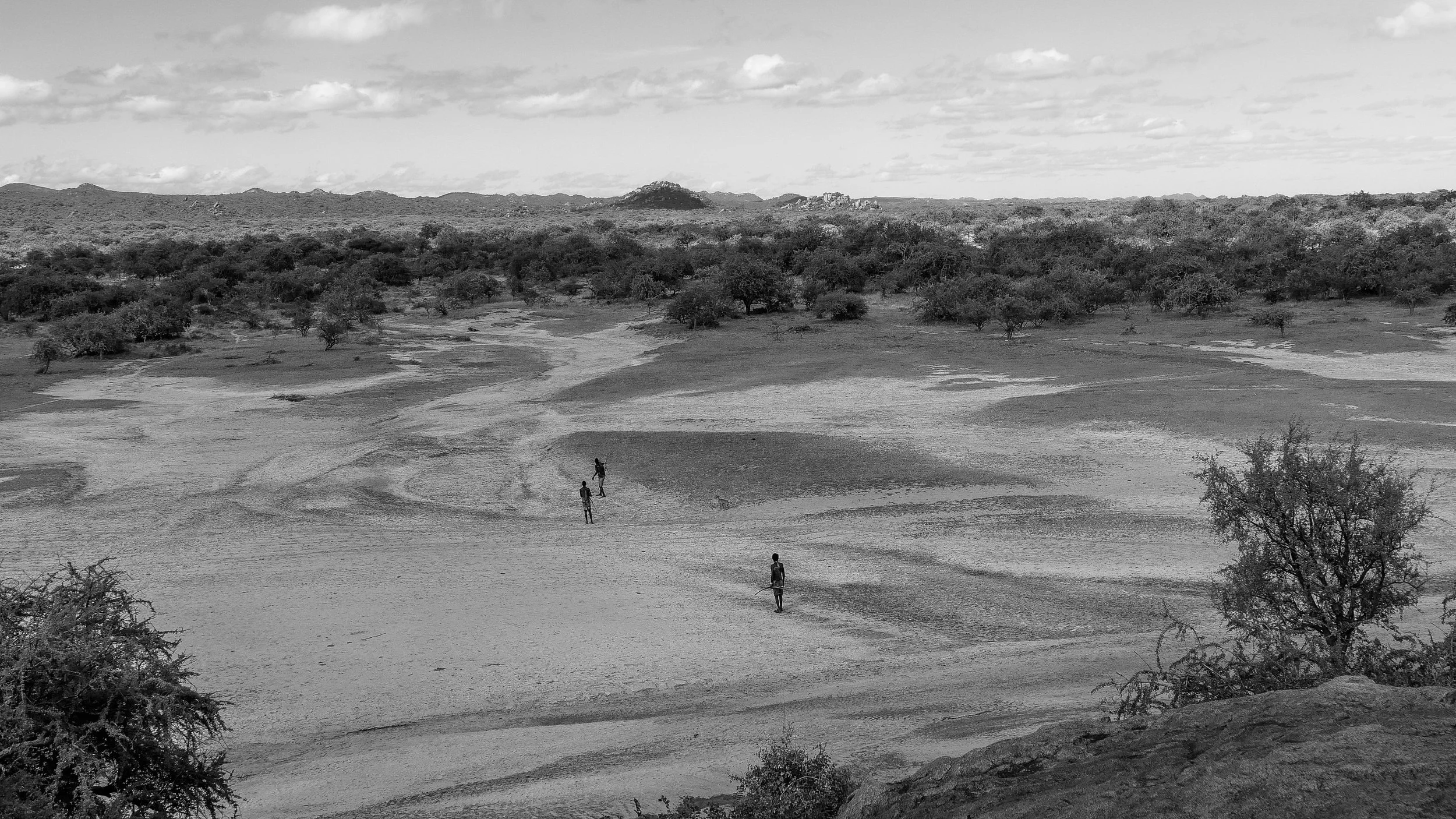
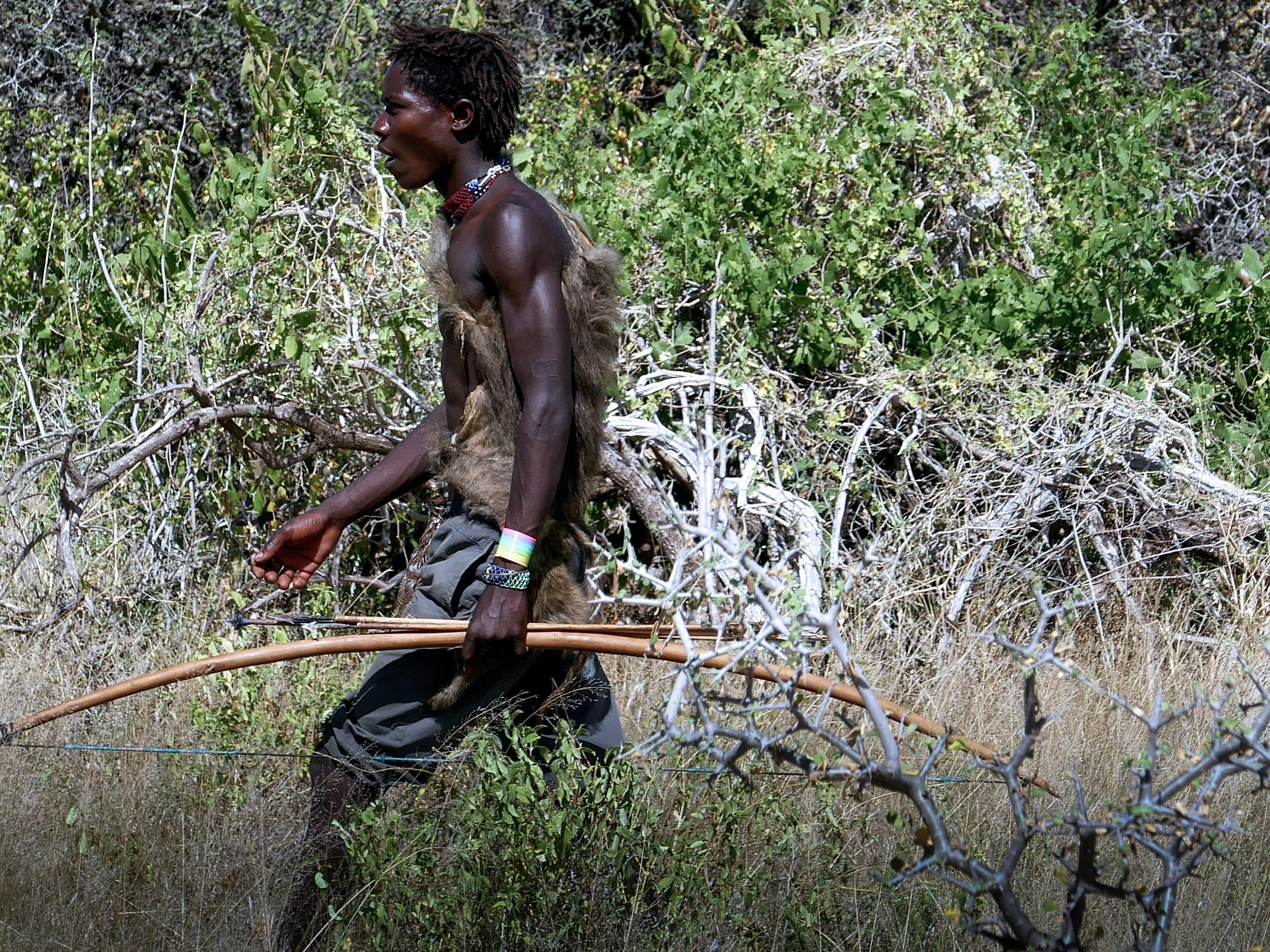
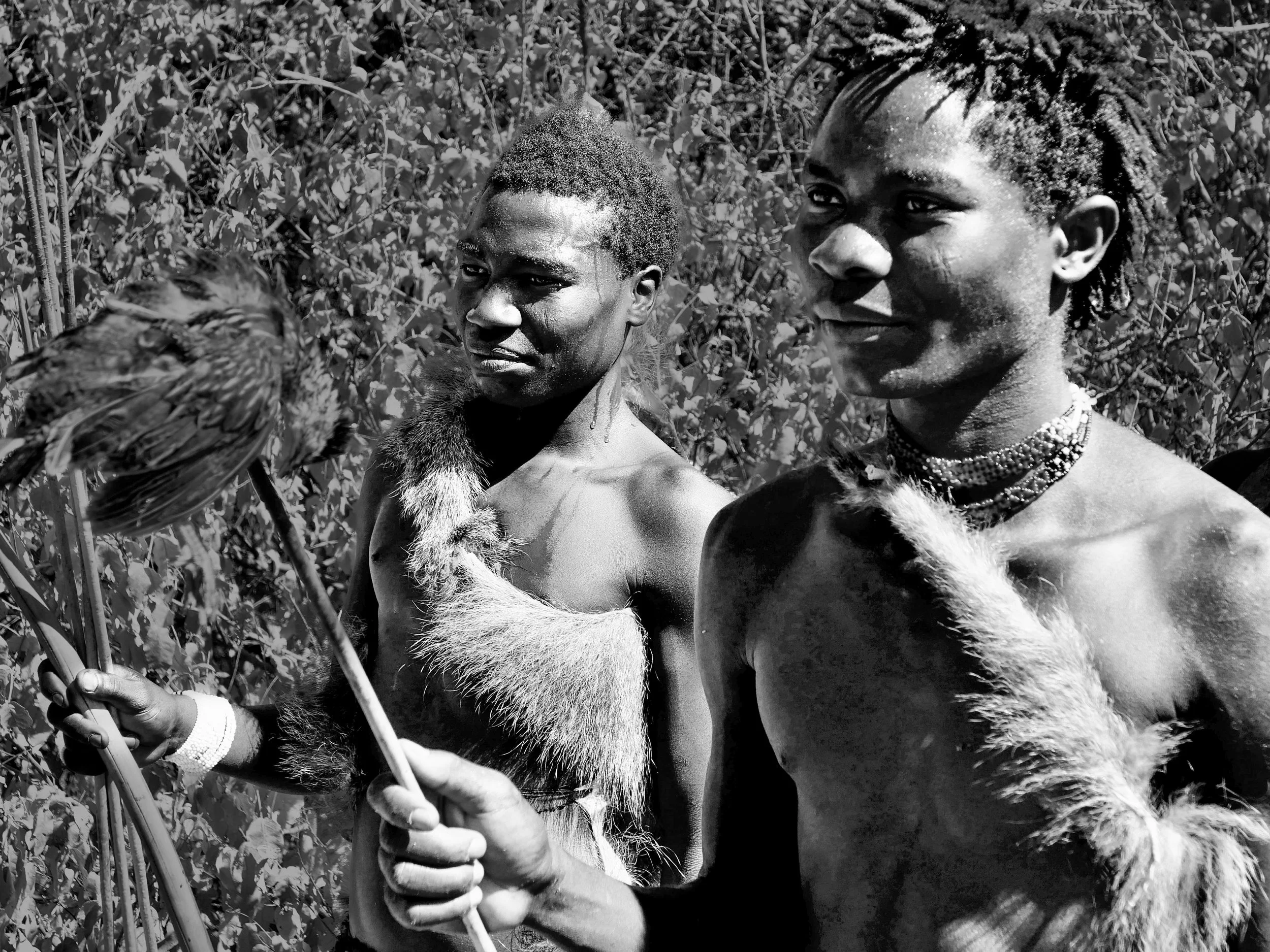
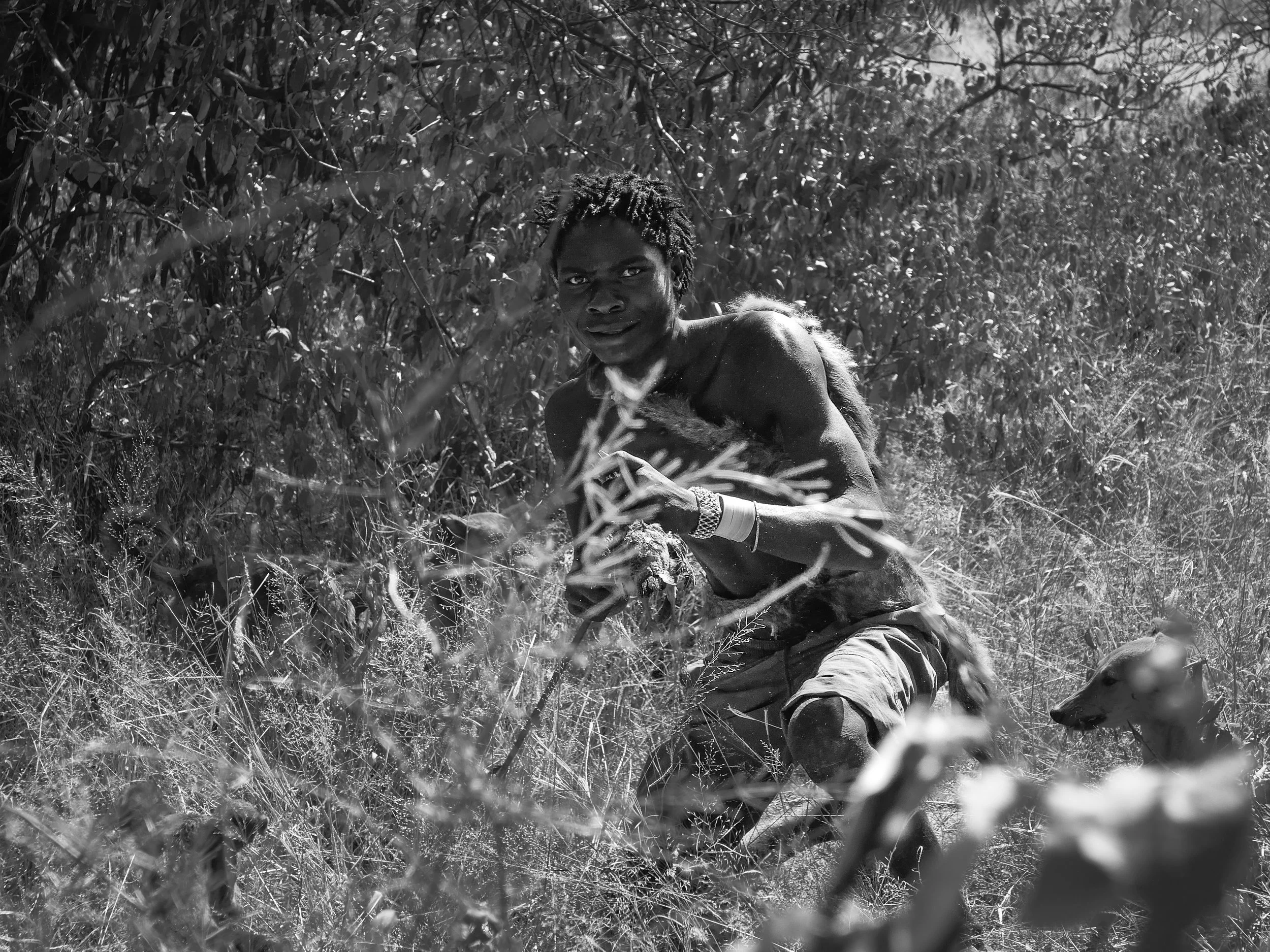
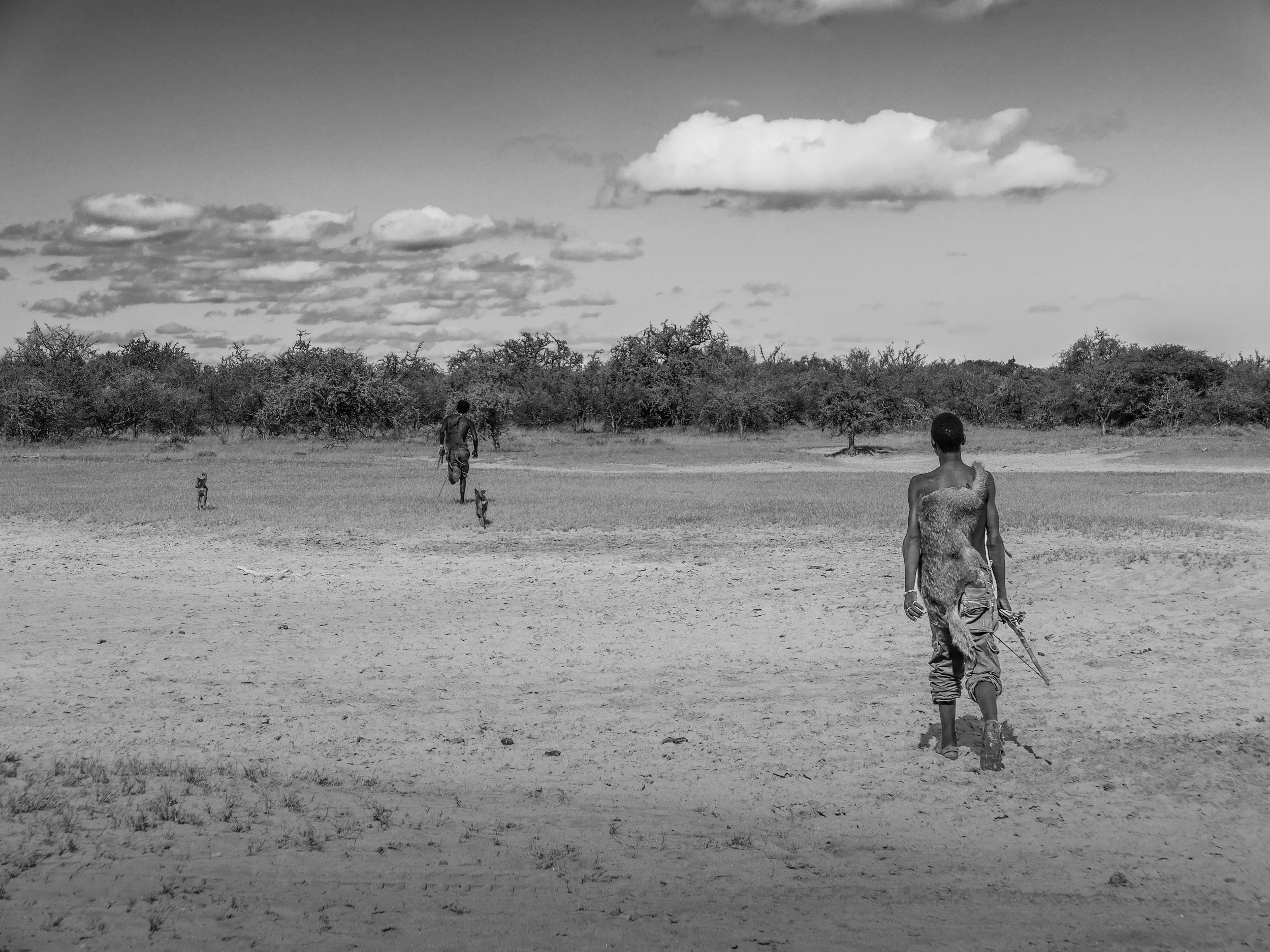
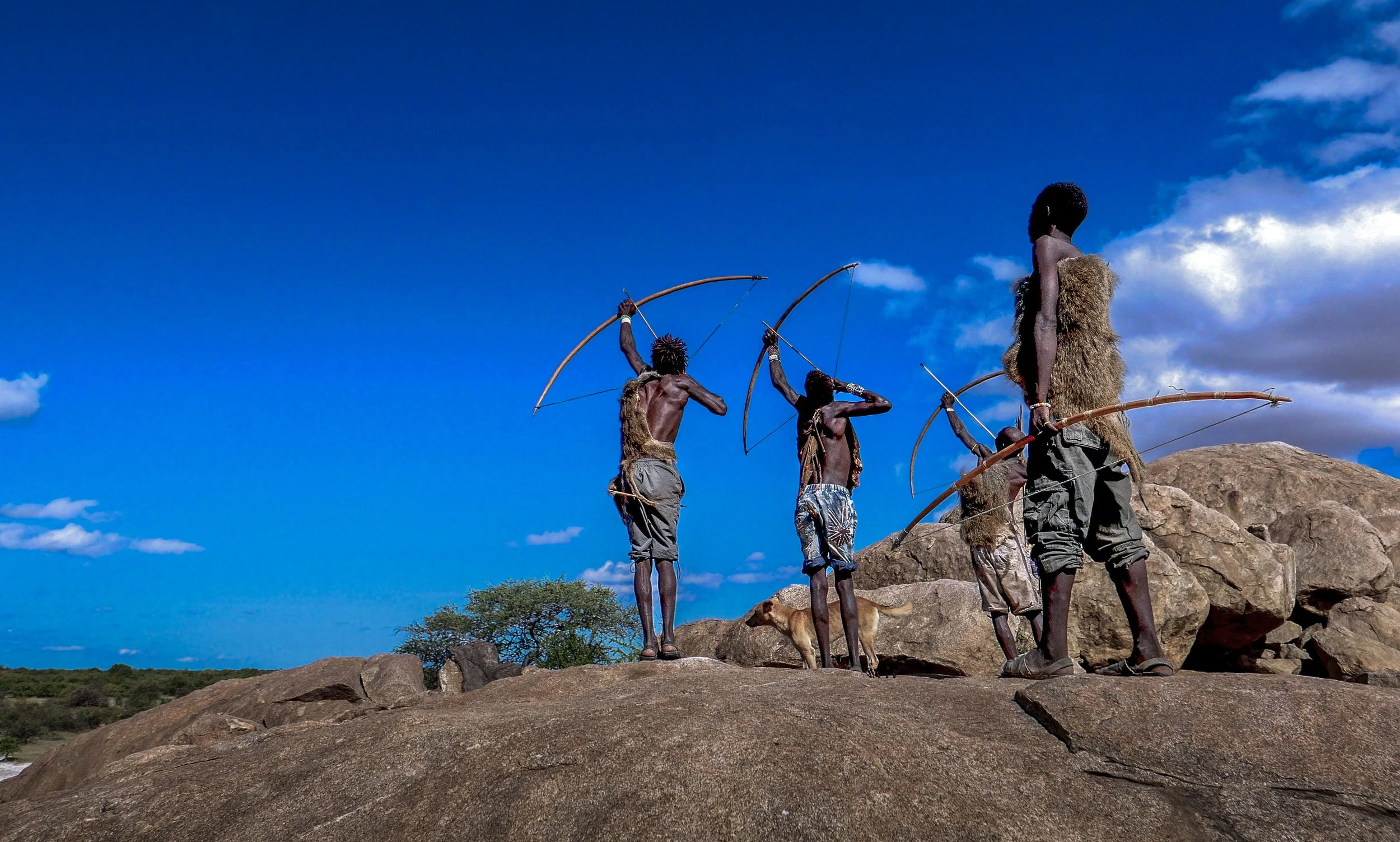
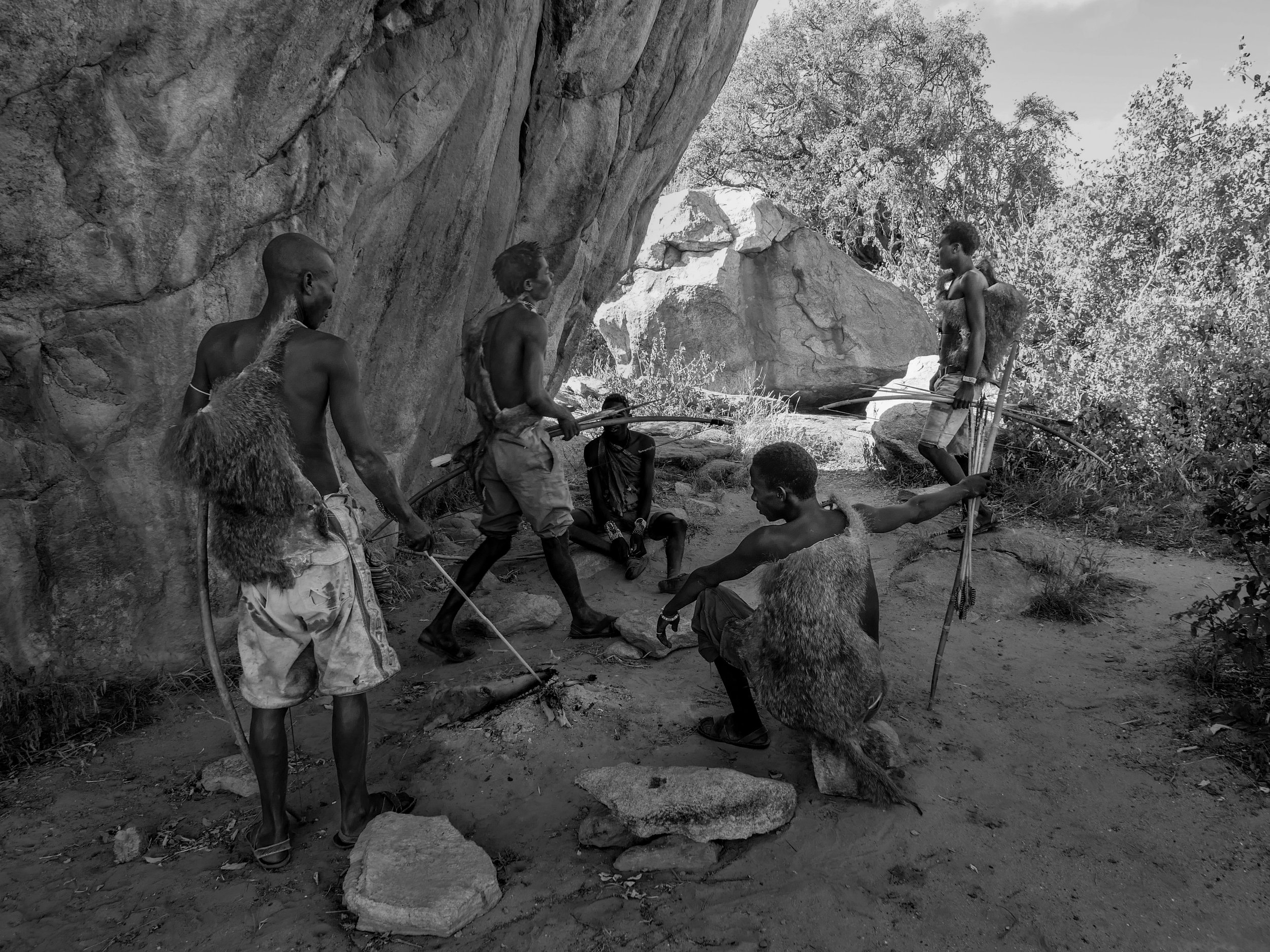
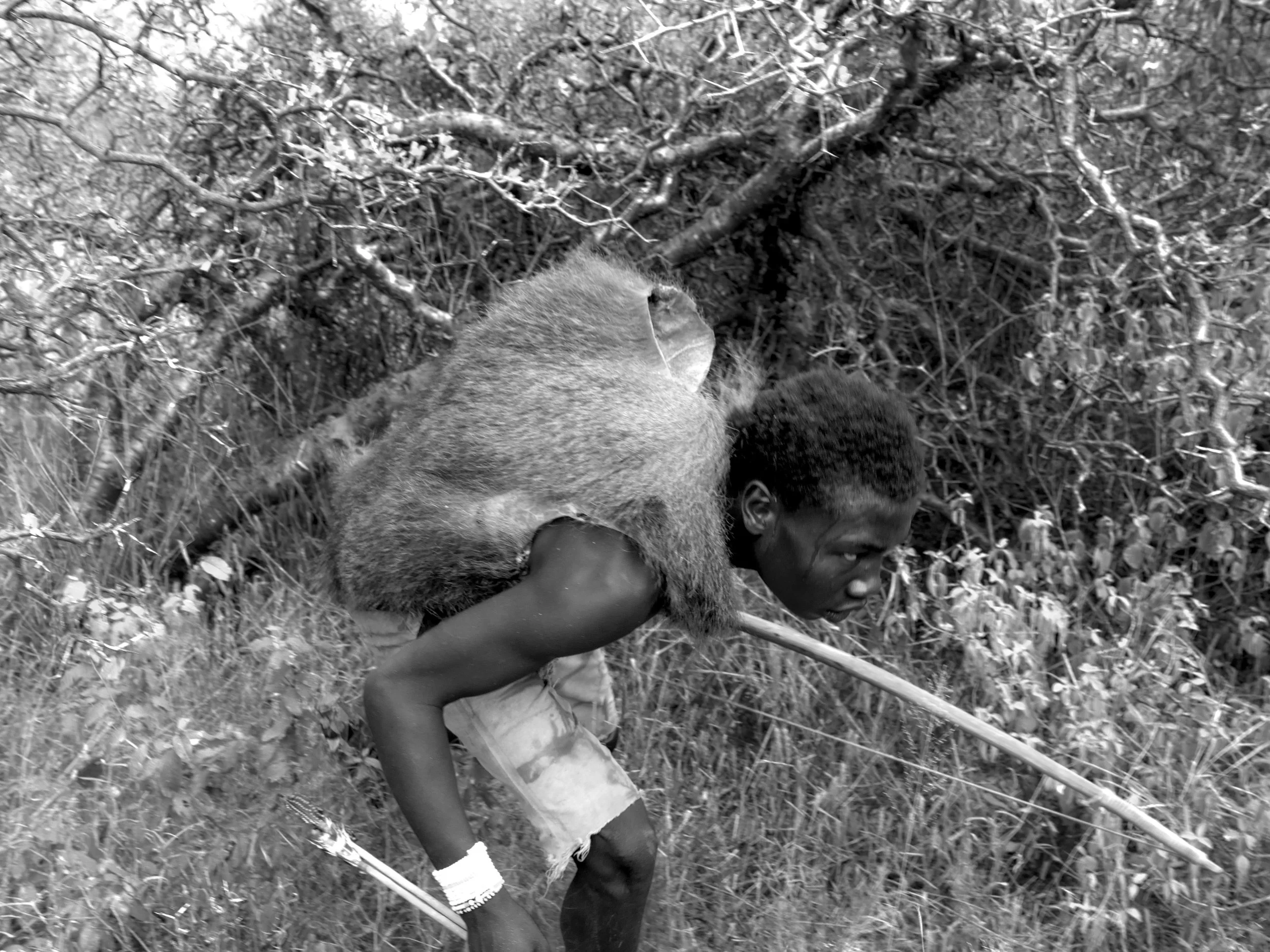
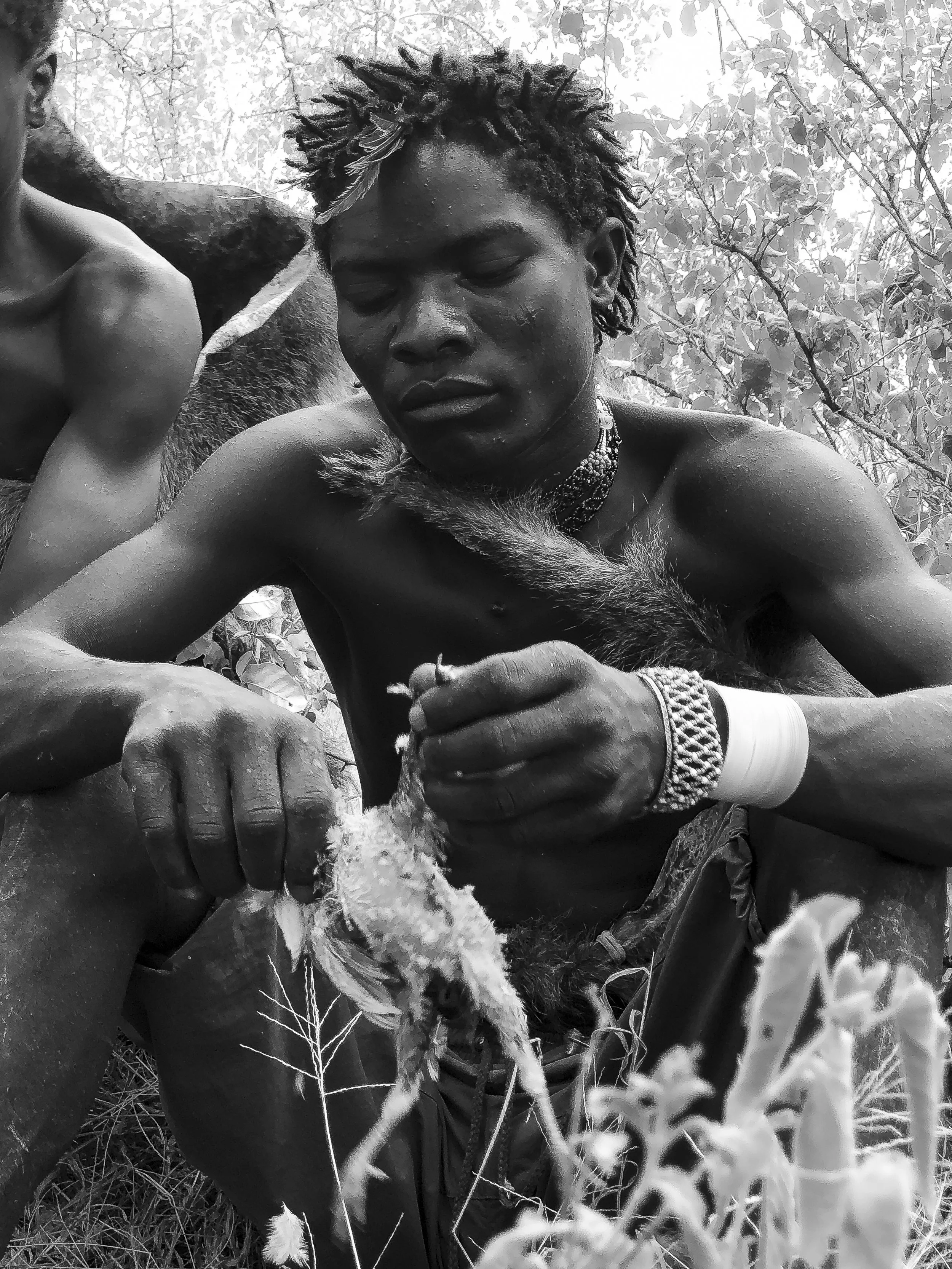
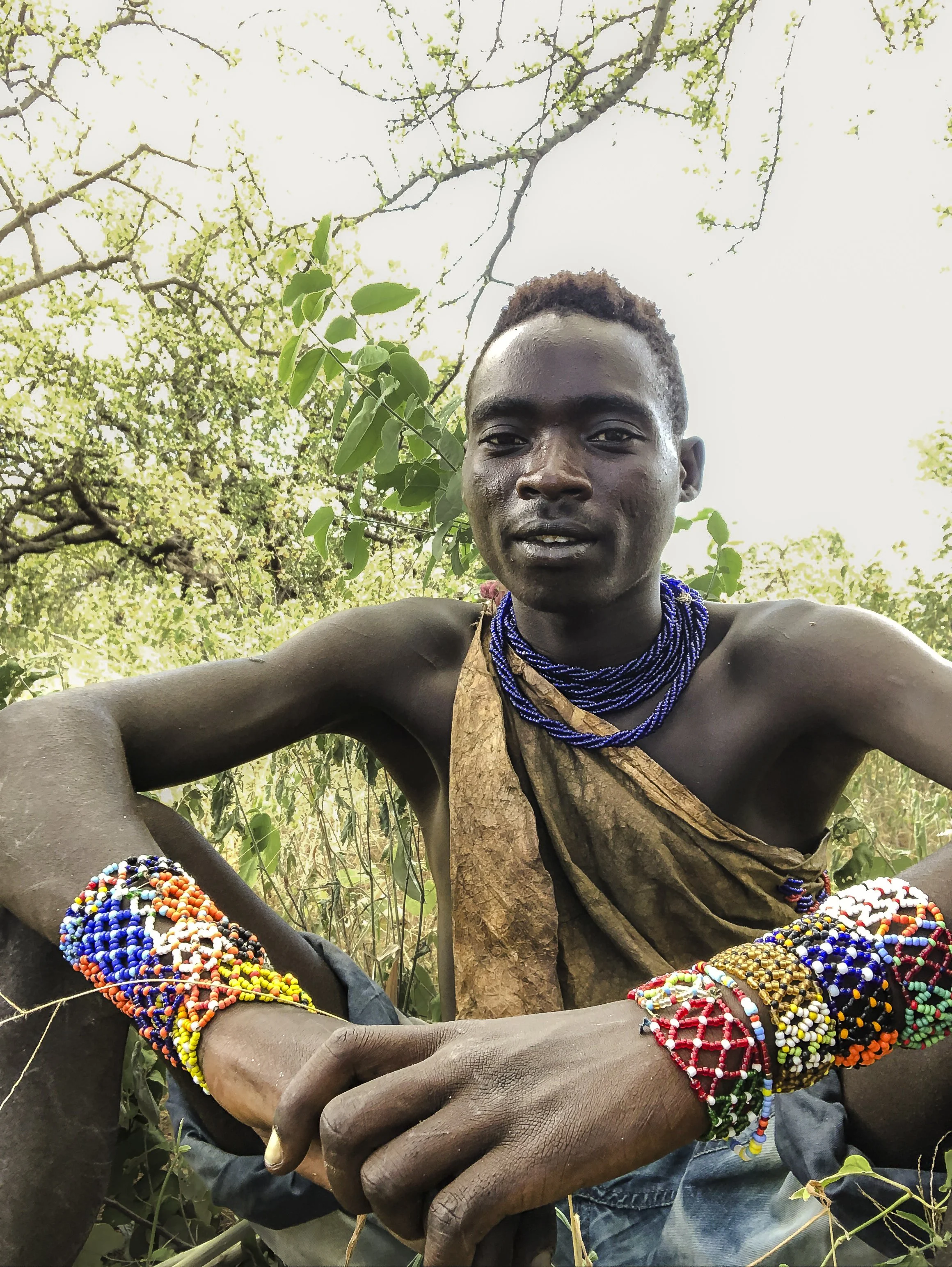
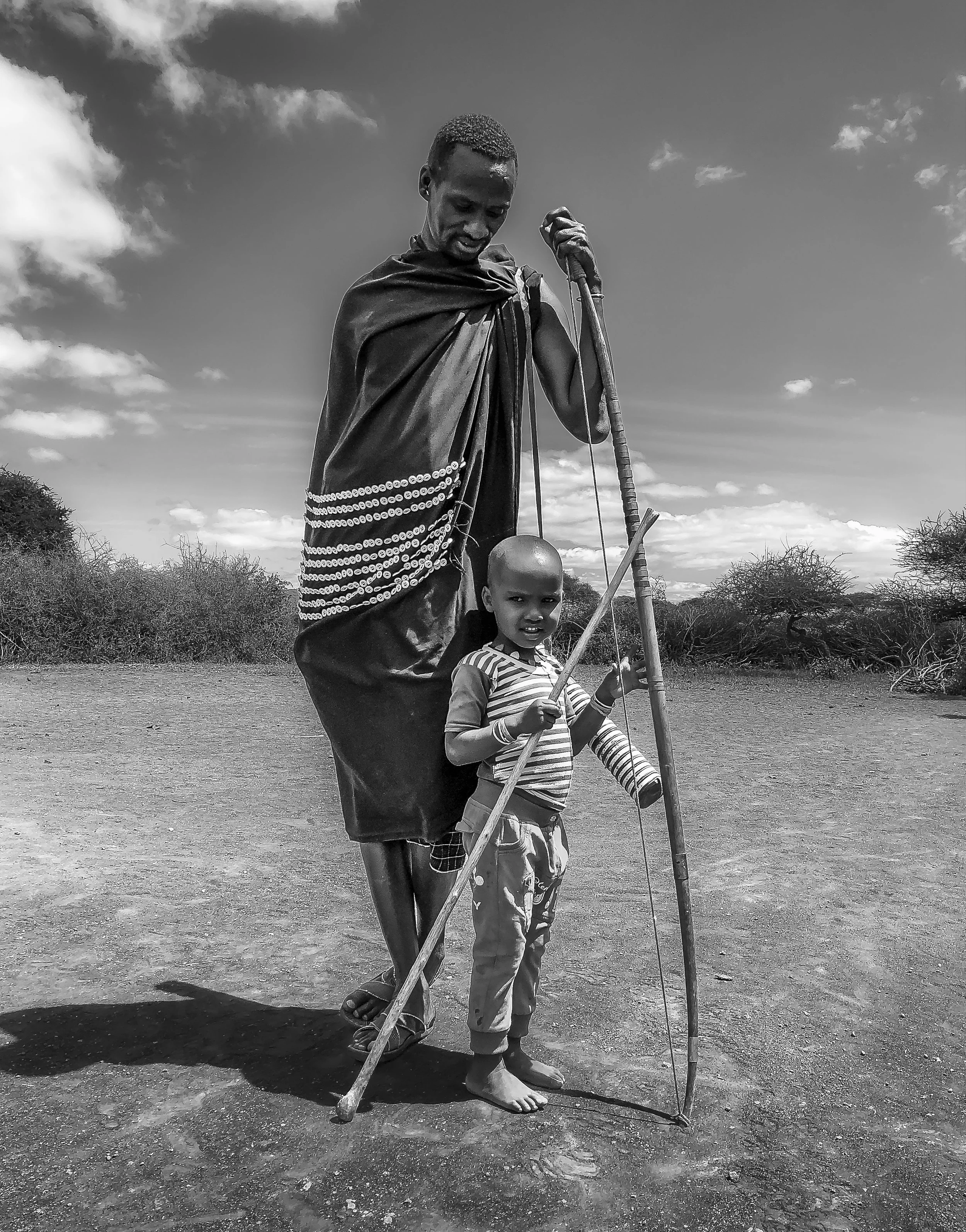
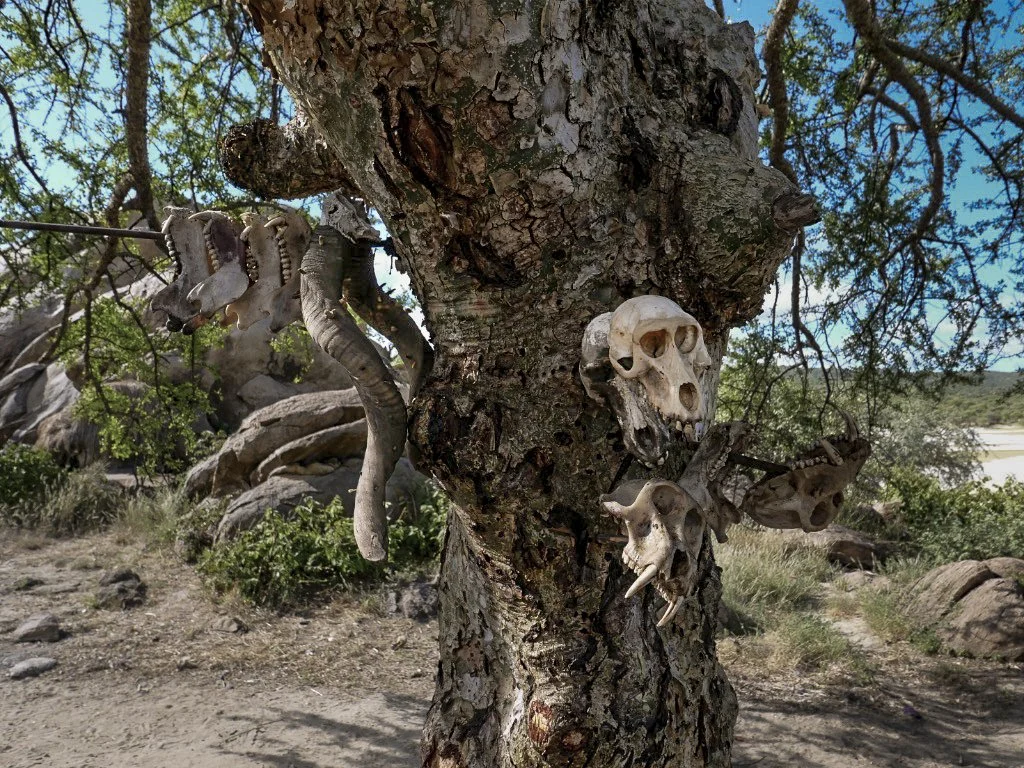
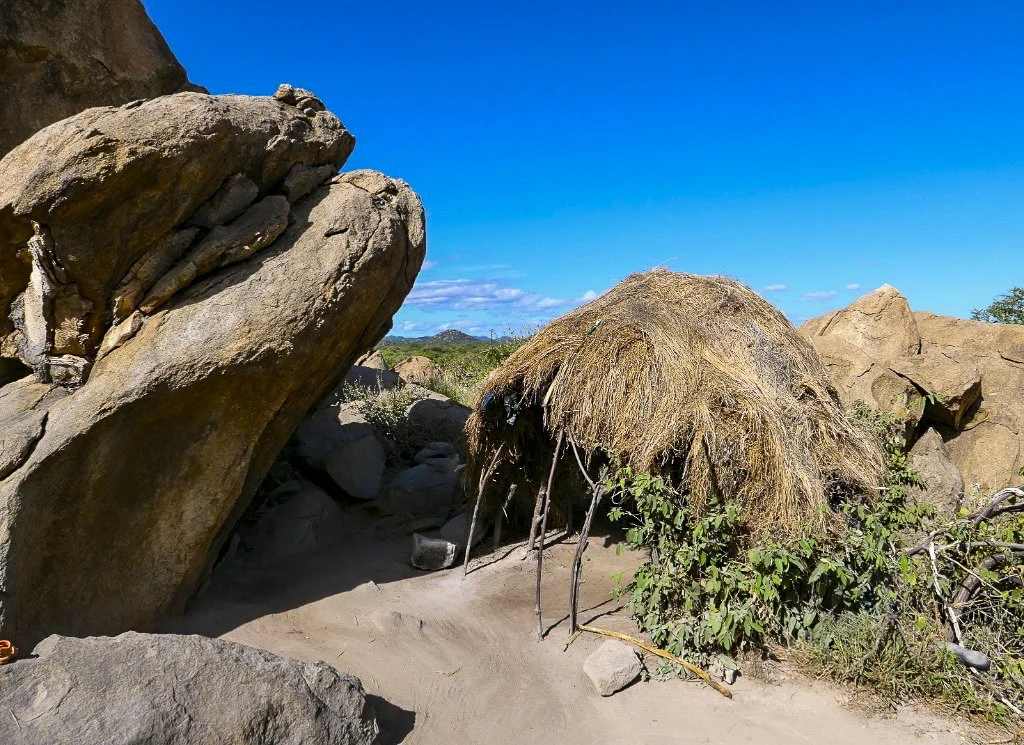
In the arid bush, I encountered the Hadzabe, a small indigenous tribe of fewer than 800 people. Spending time with them was like stepping back through millennia. They invited me to join their hunt, navigating the scrub with bows and arrows in search of birds and small game. The experience was raw and intimate; after the hunt, I sat with them in the open field as they roasted their catch over makeshift fires, sharing stories over tobacco smoked from handmade pipes. Theirs is a quiet, resilient beauty, maintained in one of the most rudimentary habitats on earth.
The Maasai: Color and Community
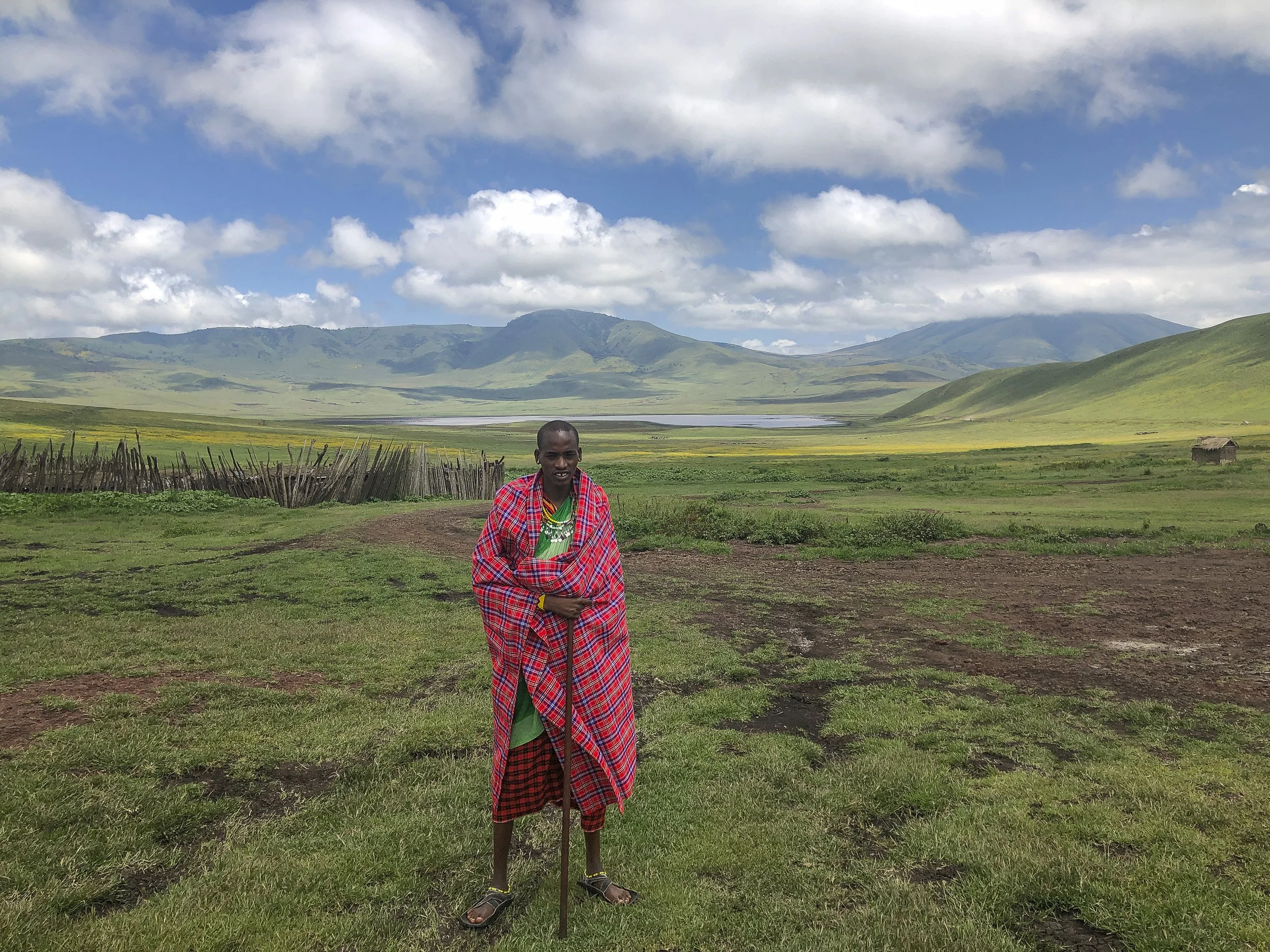
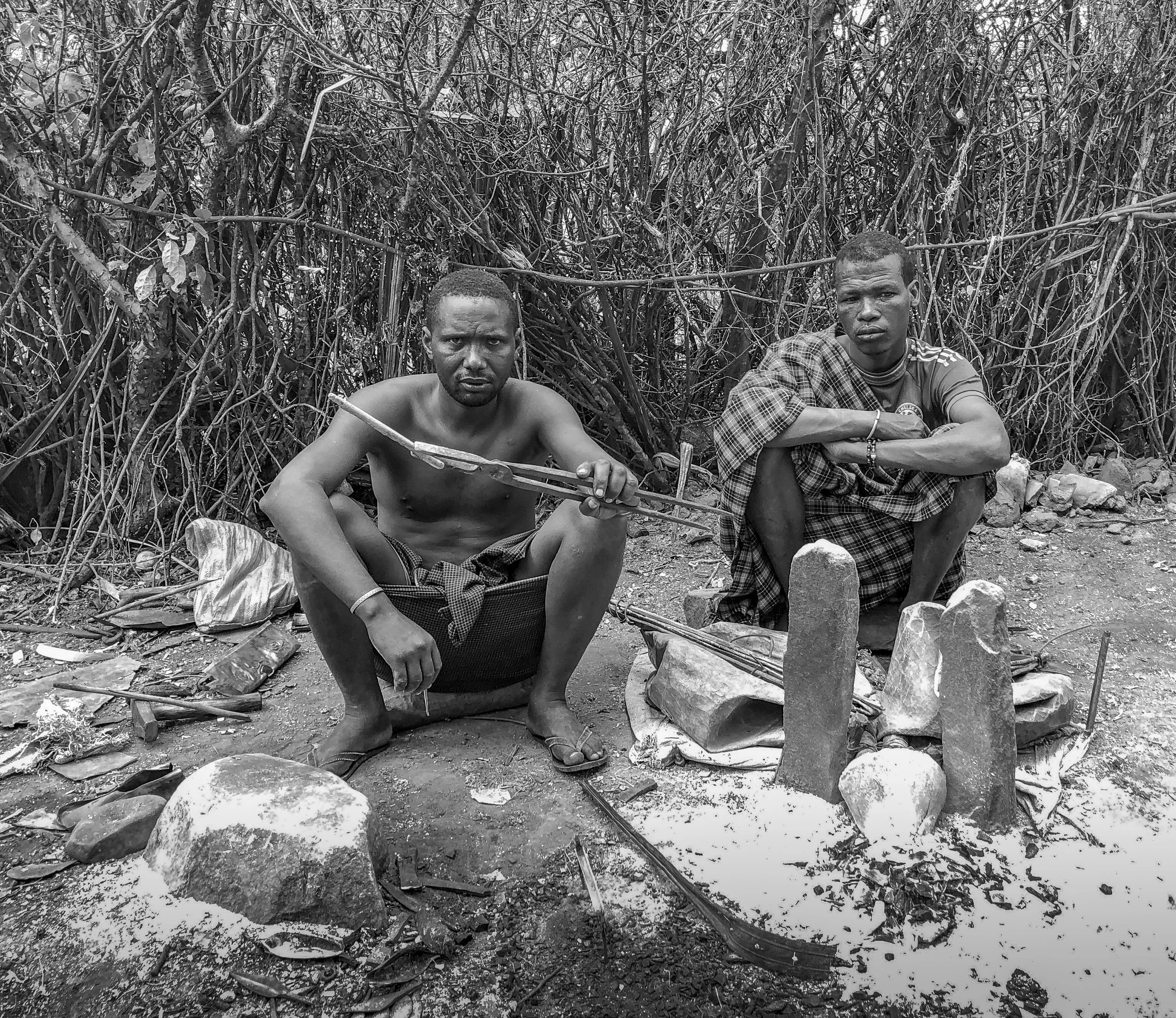
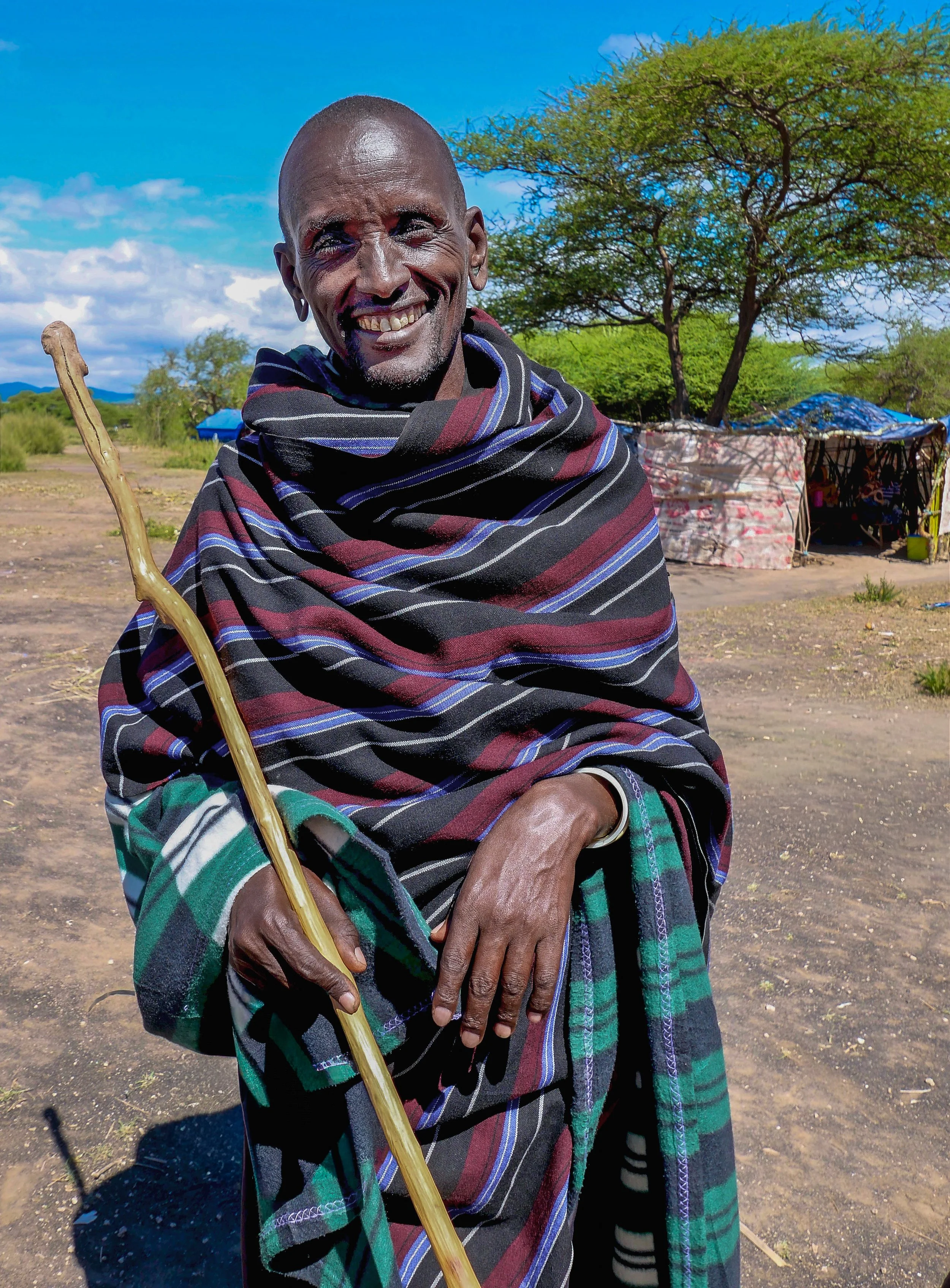
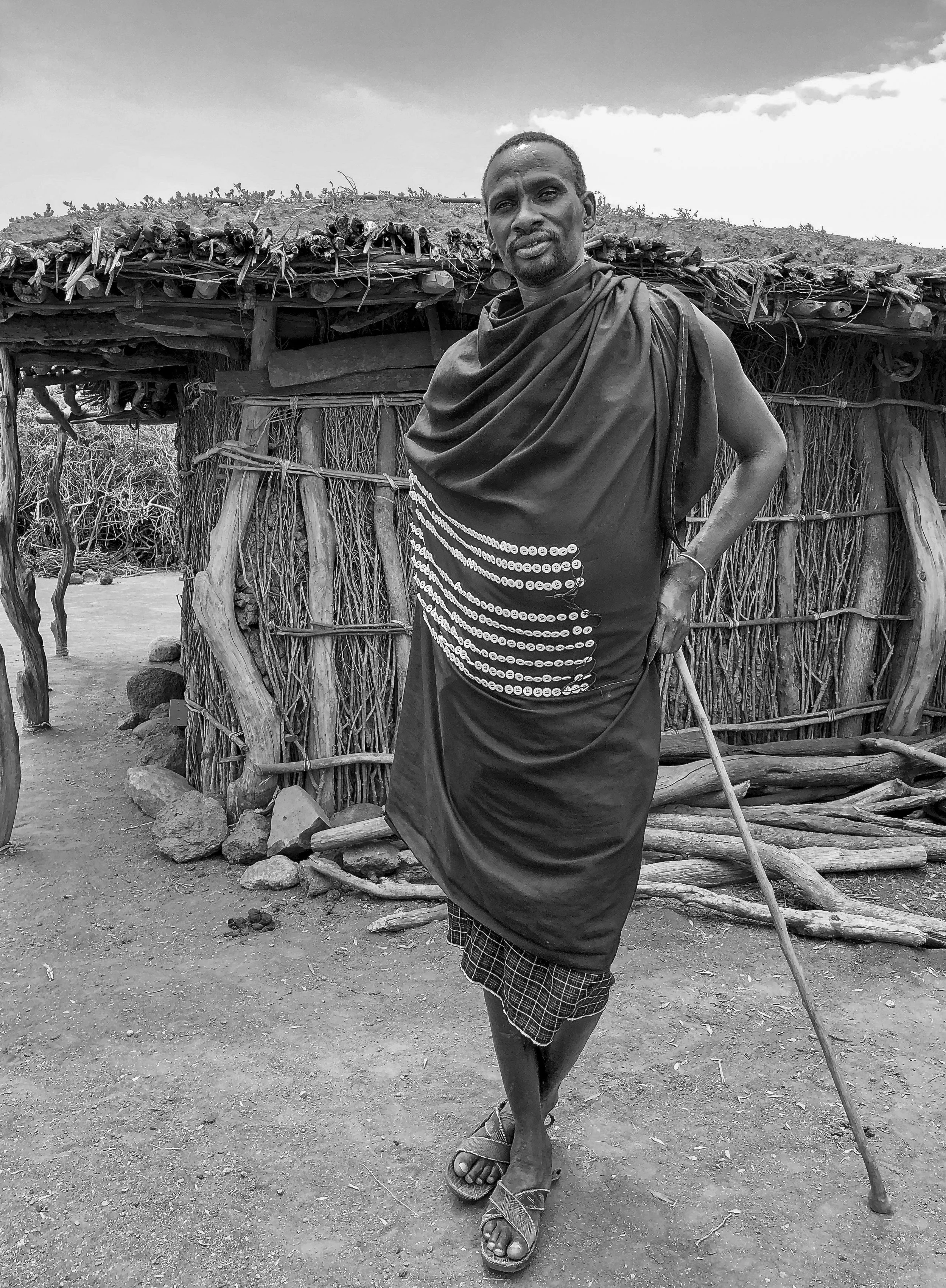
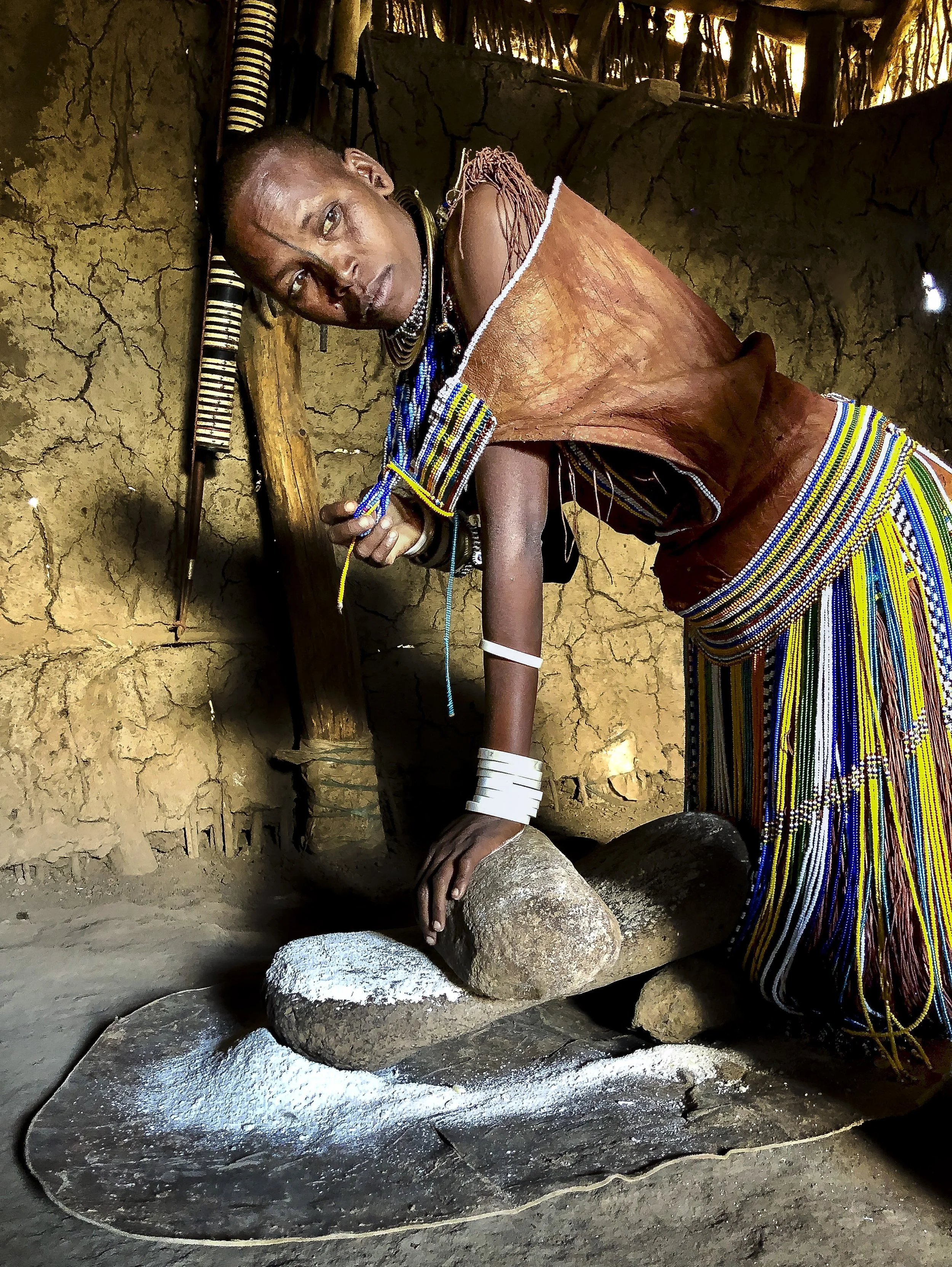
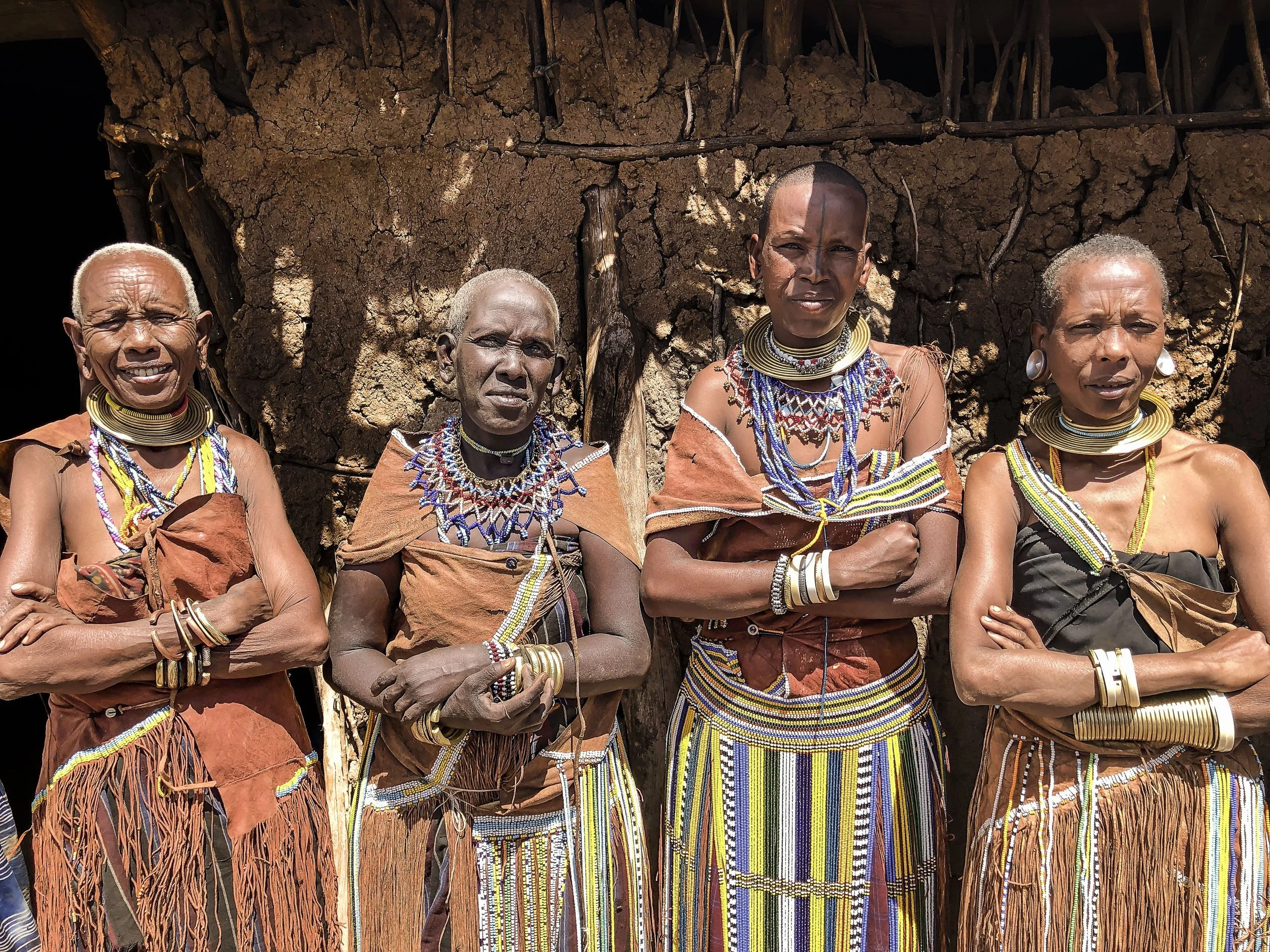
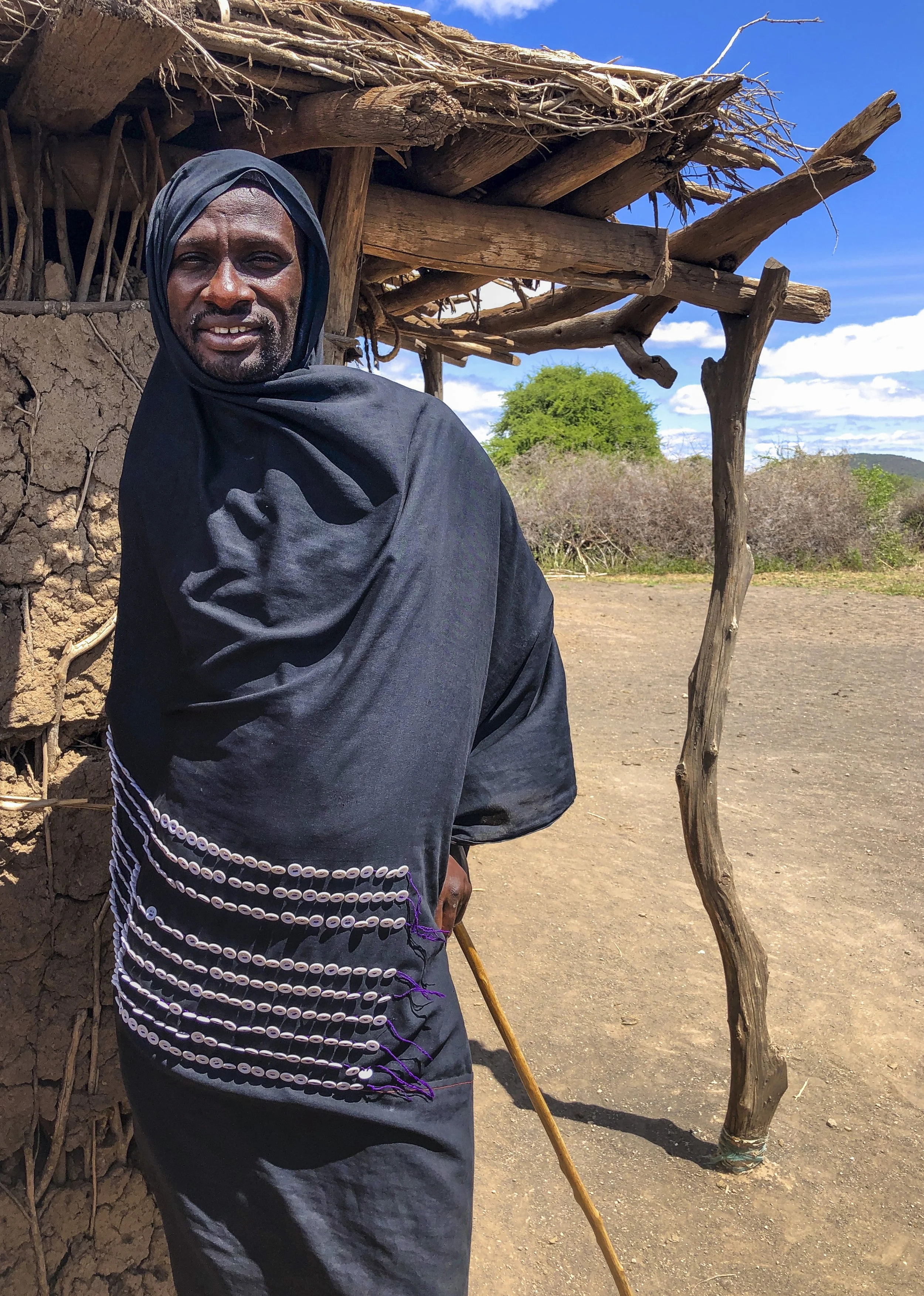
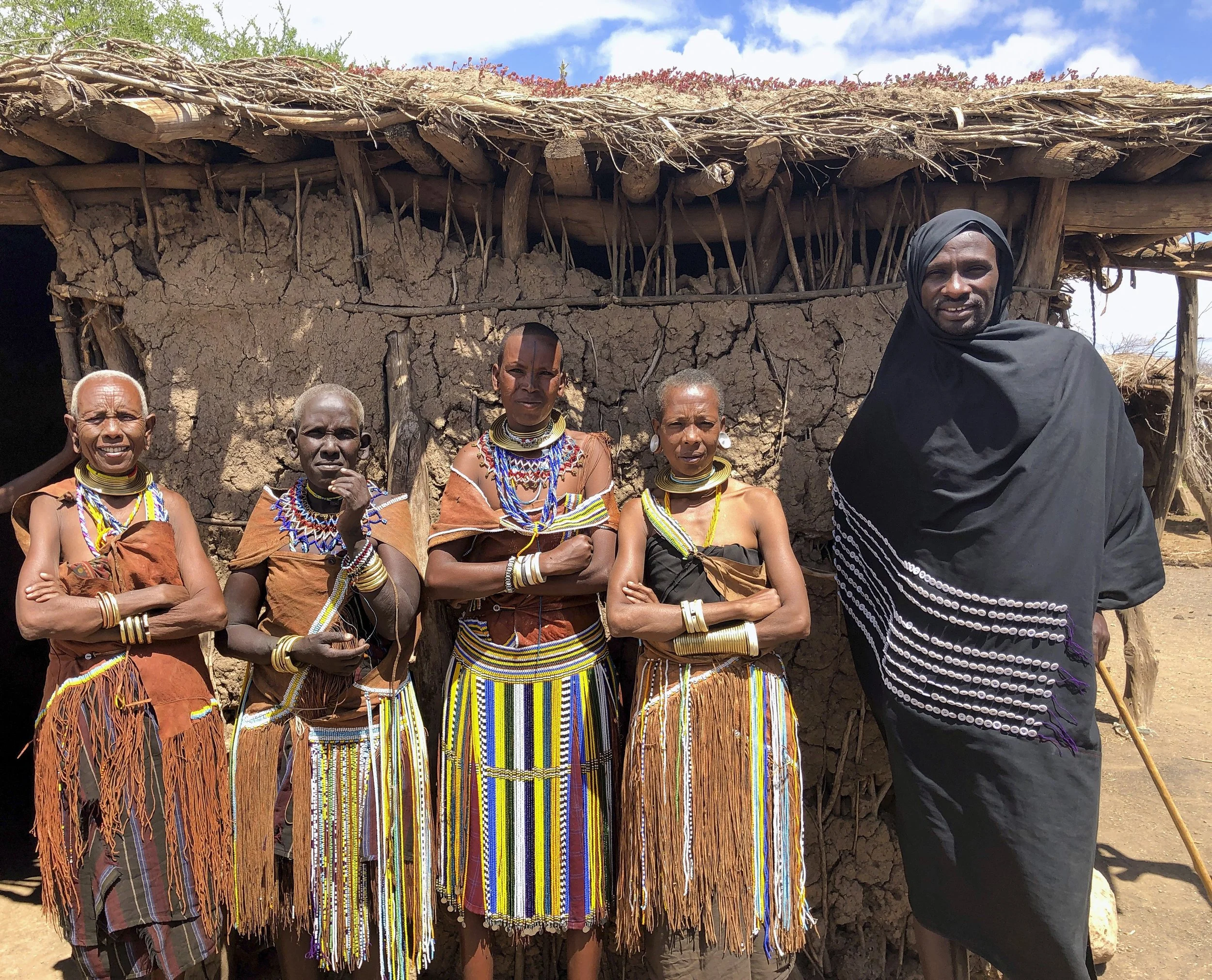
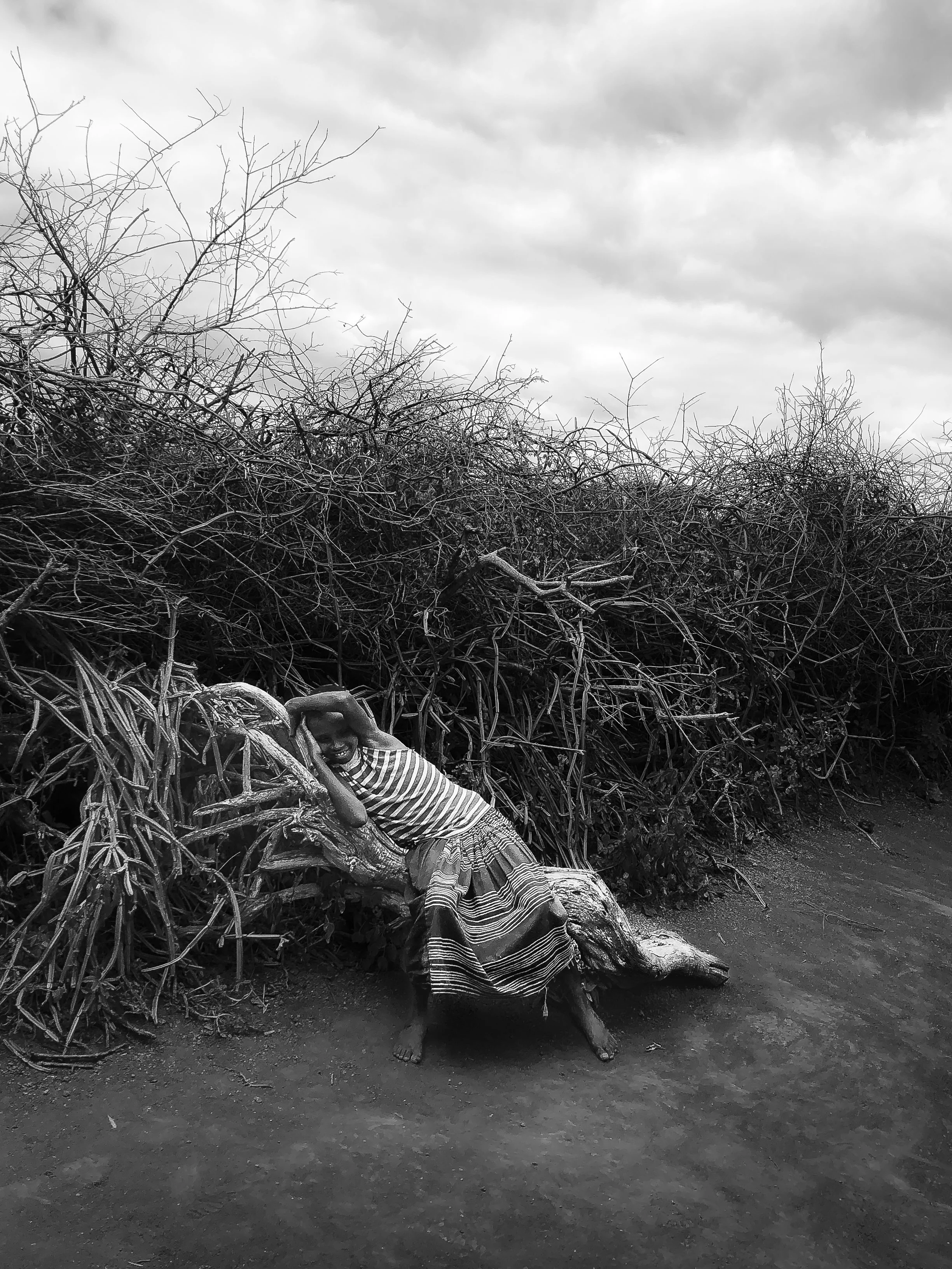
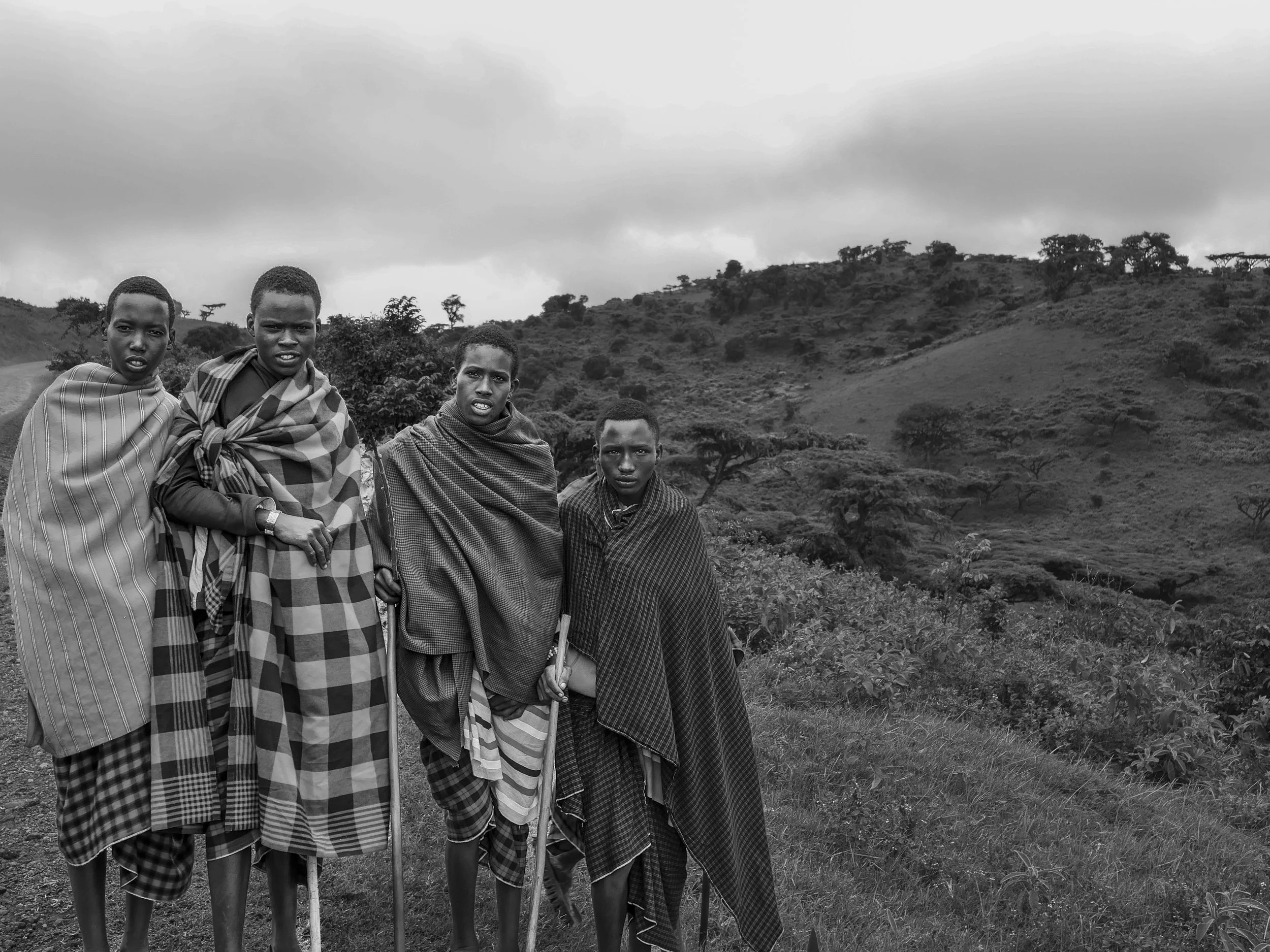
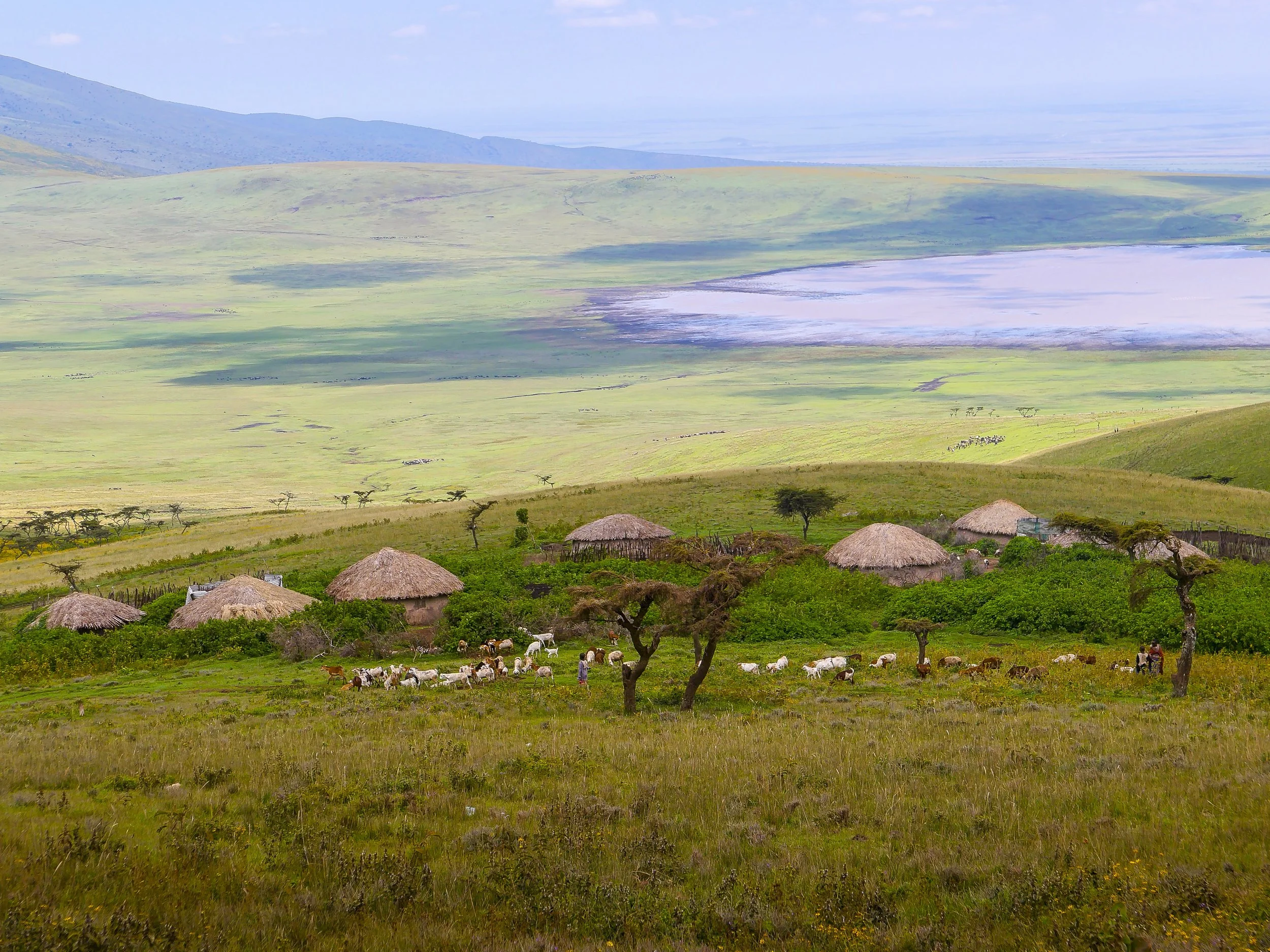
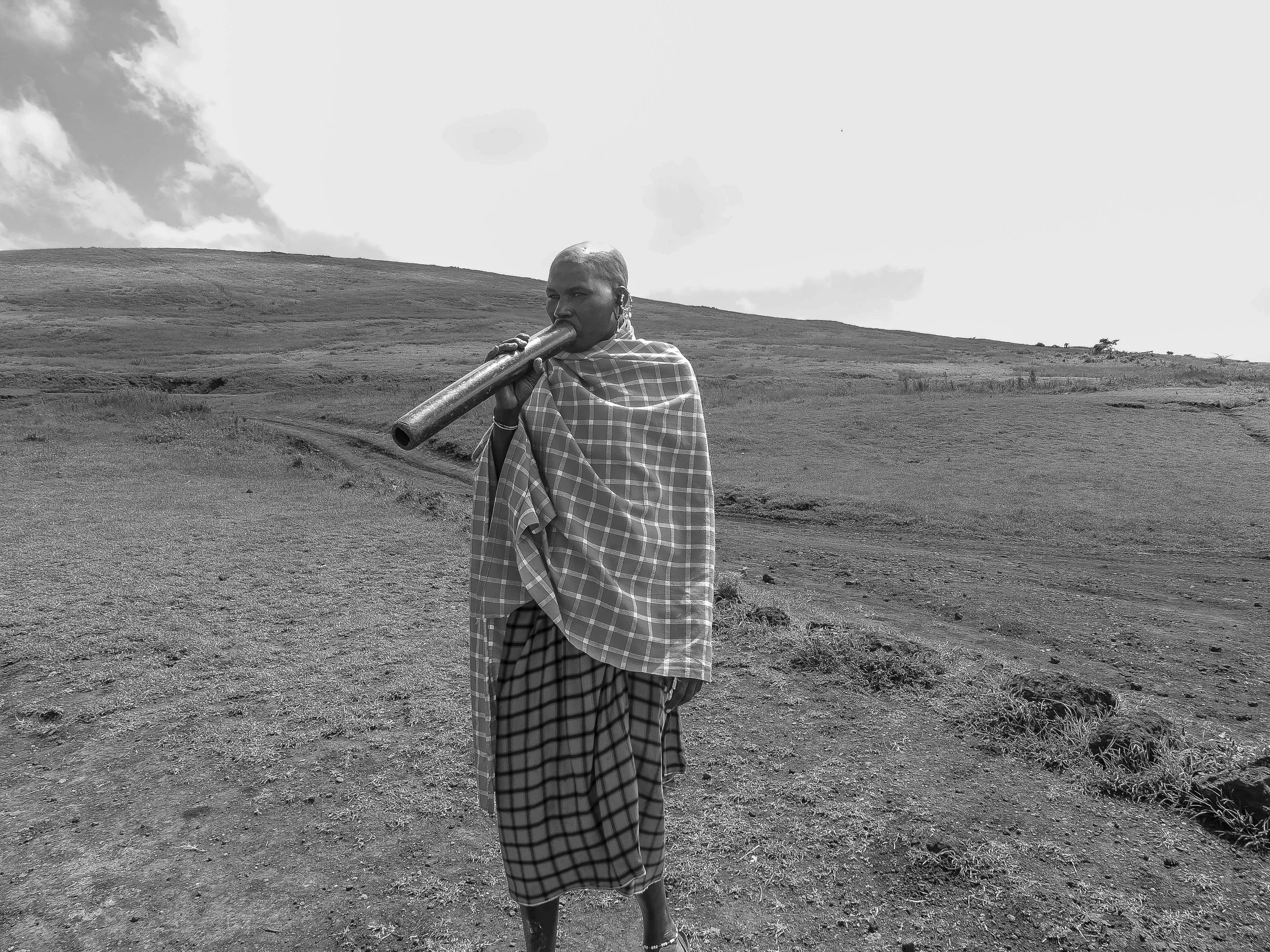
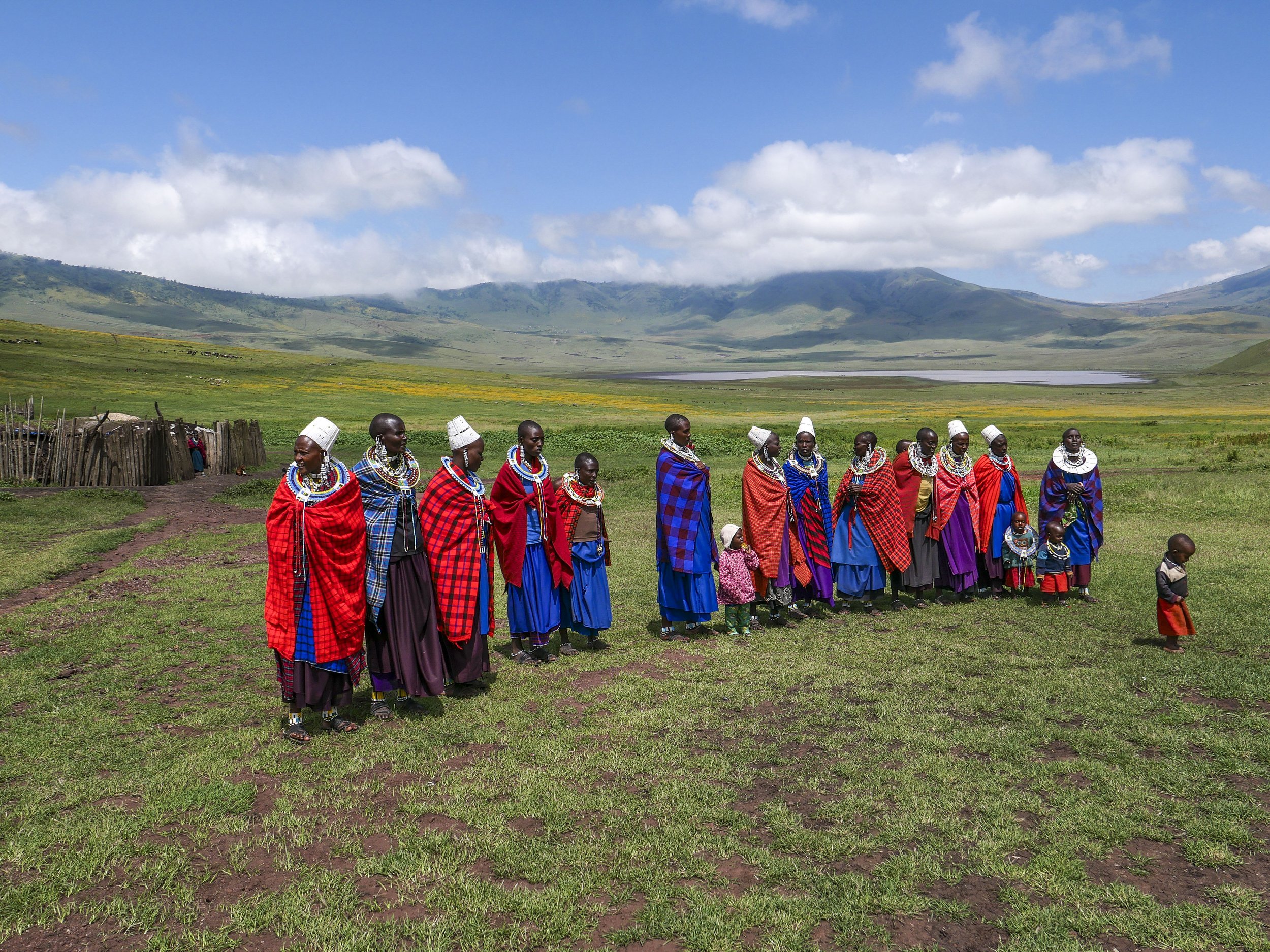
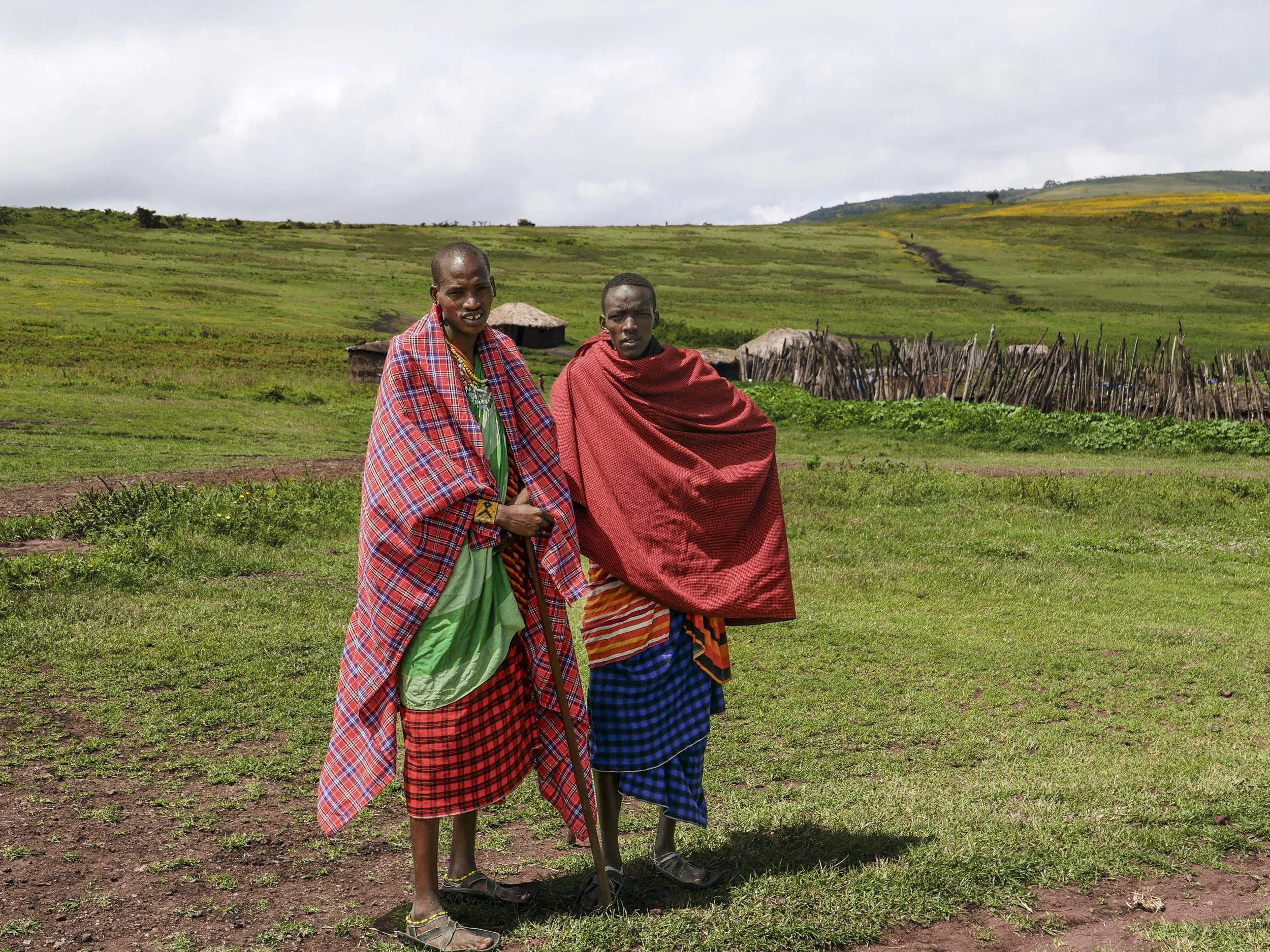
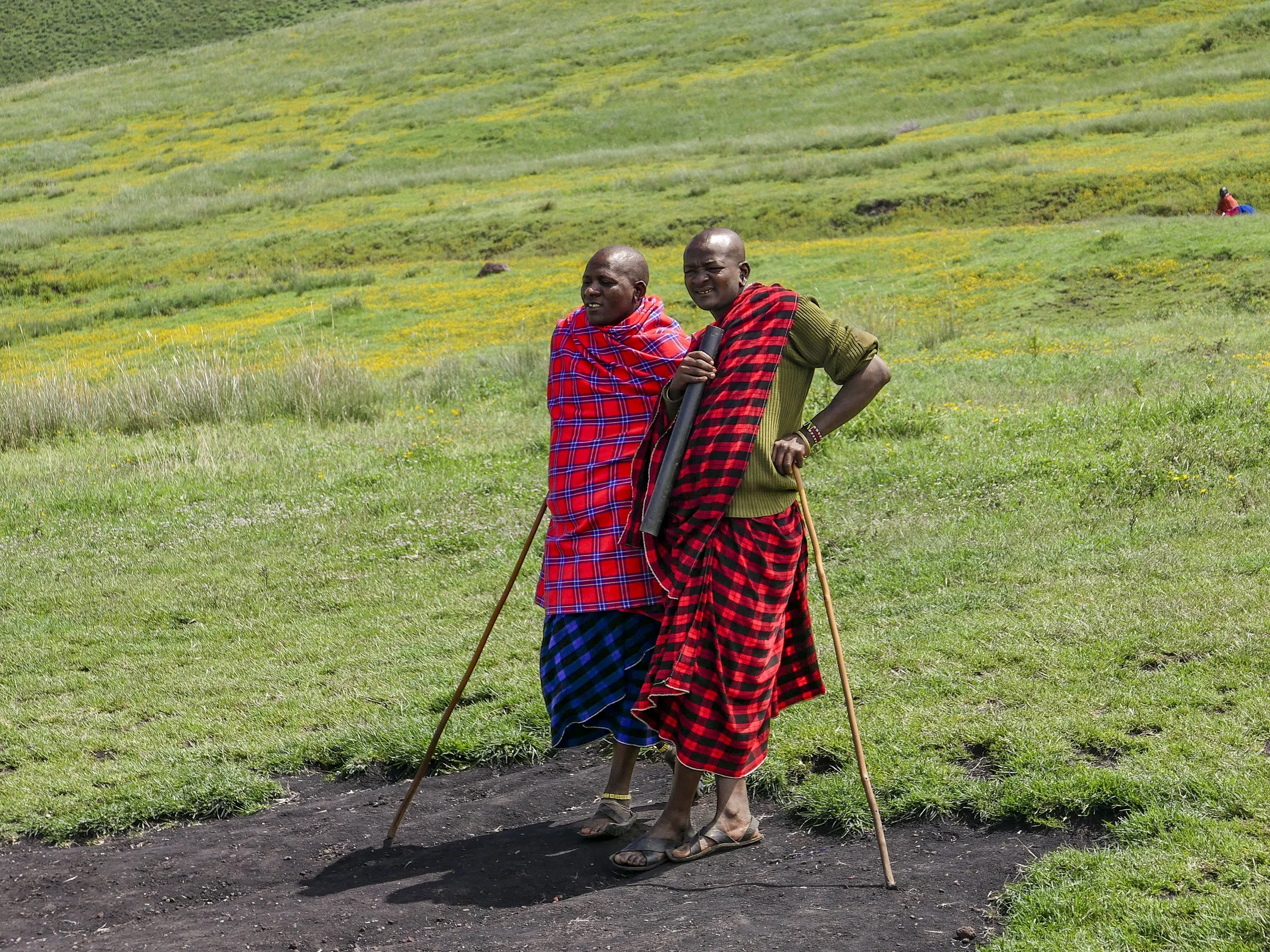
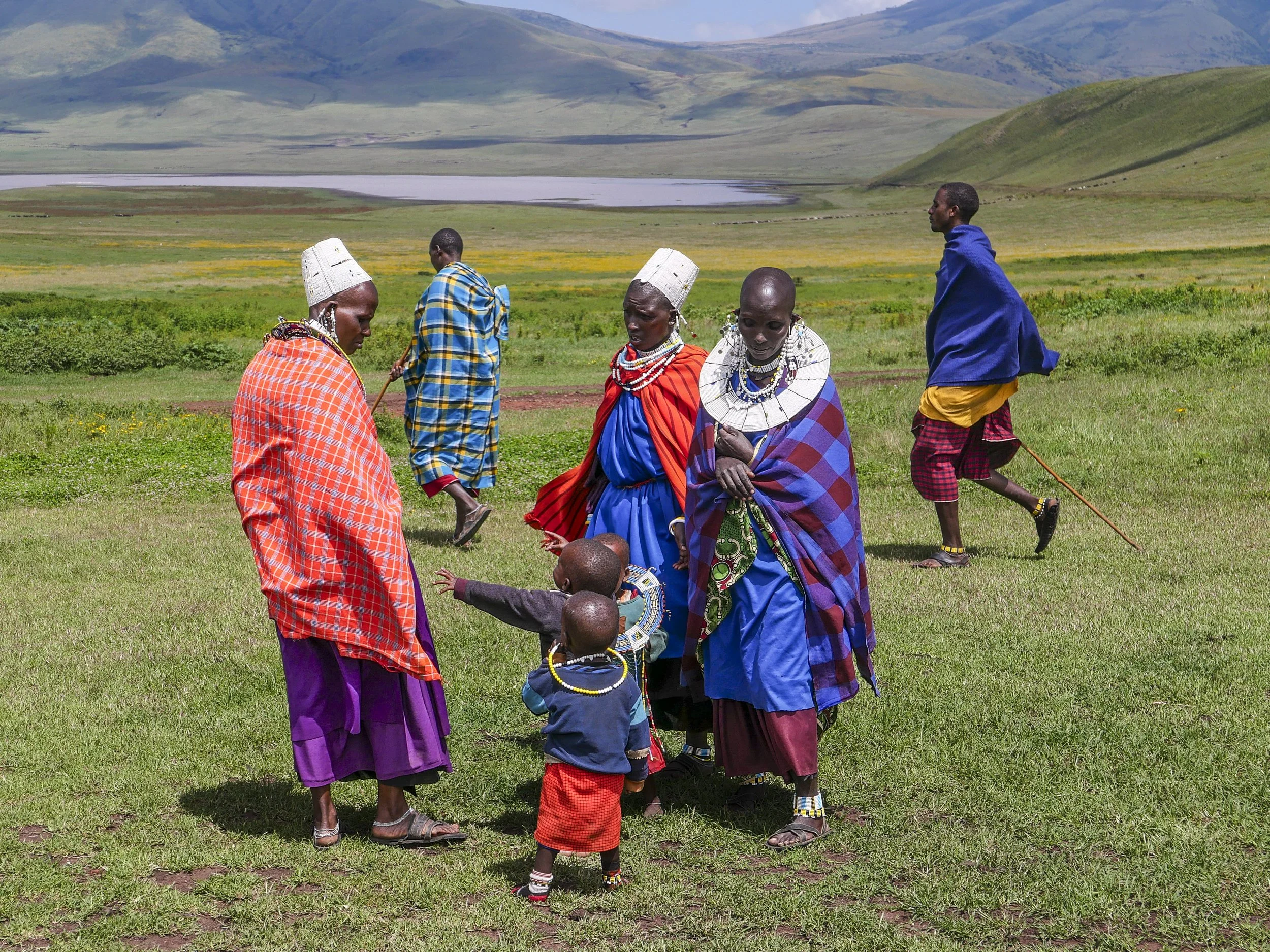
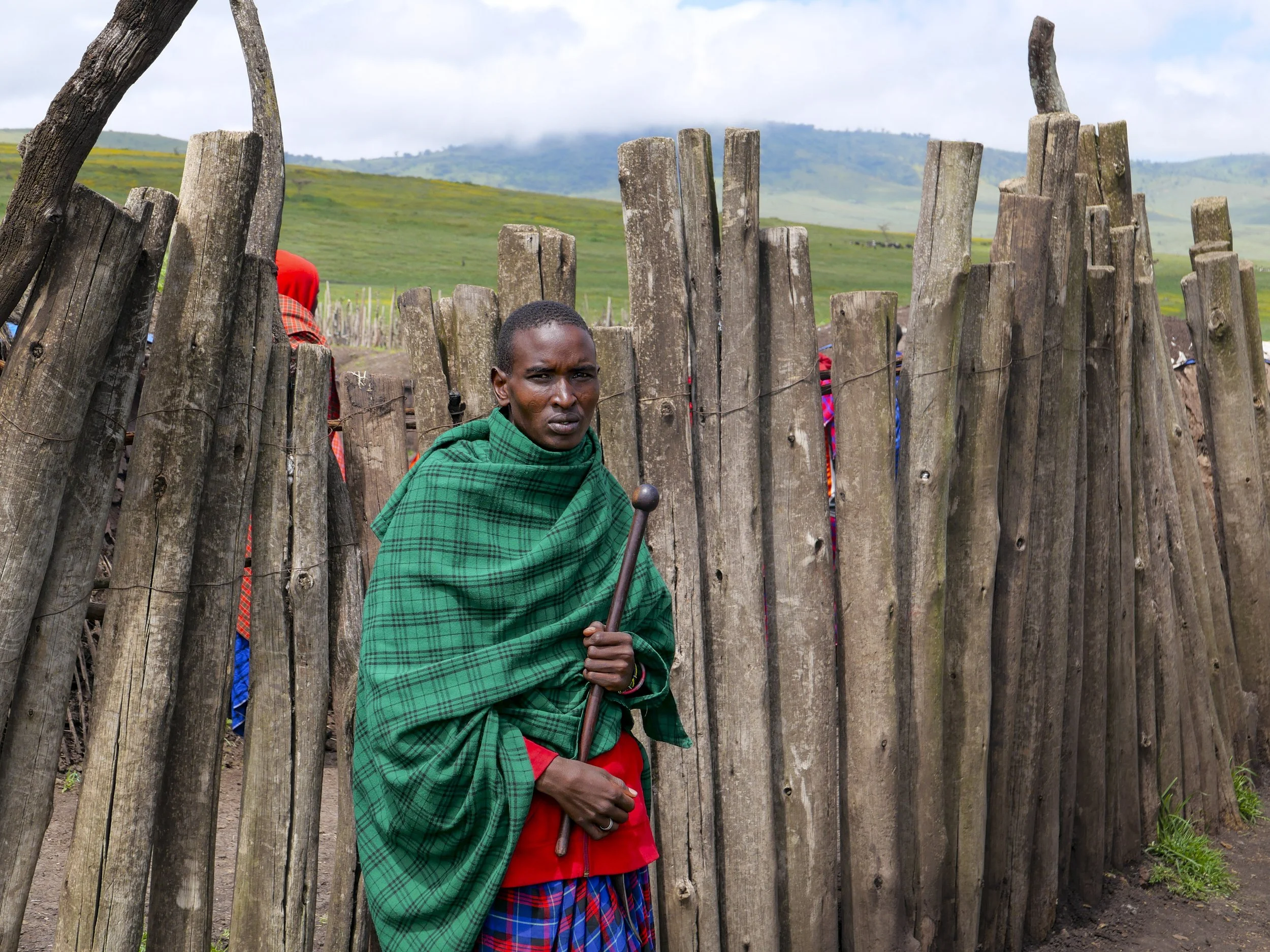
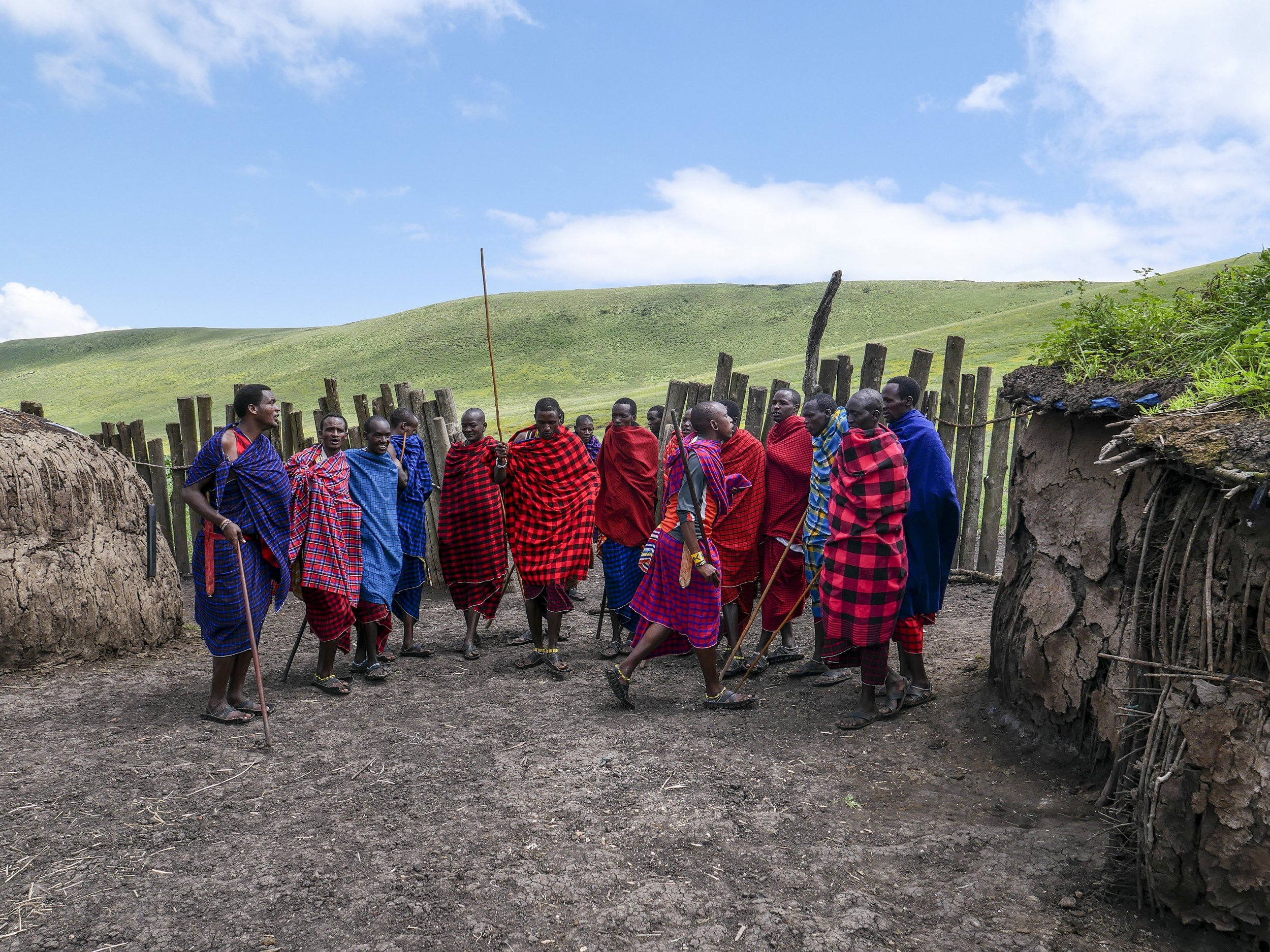
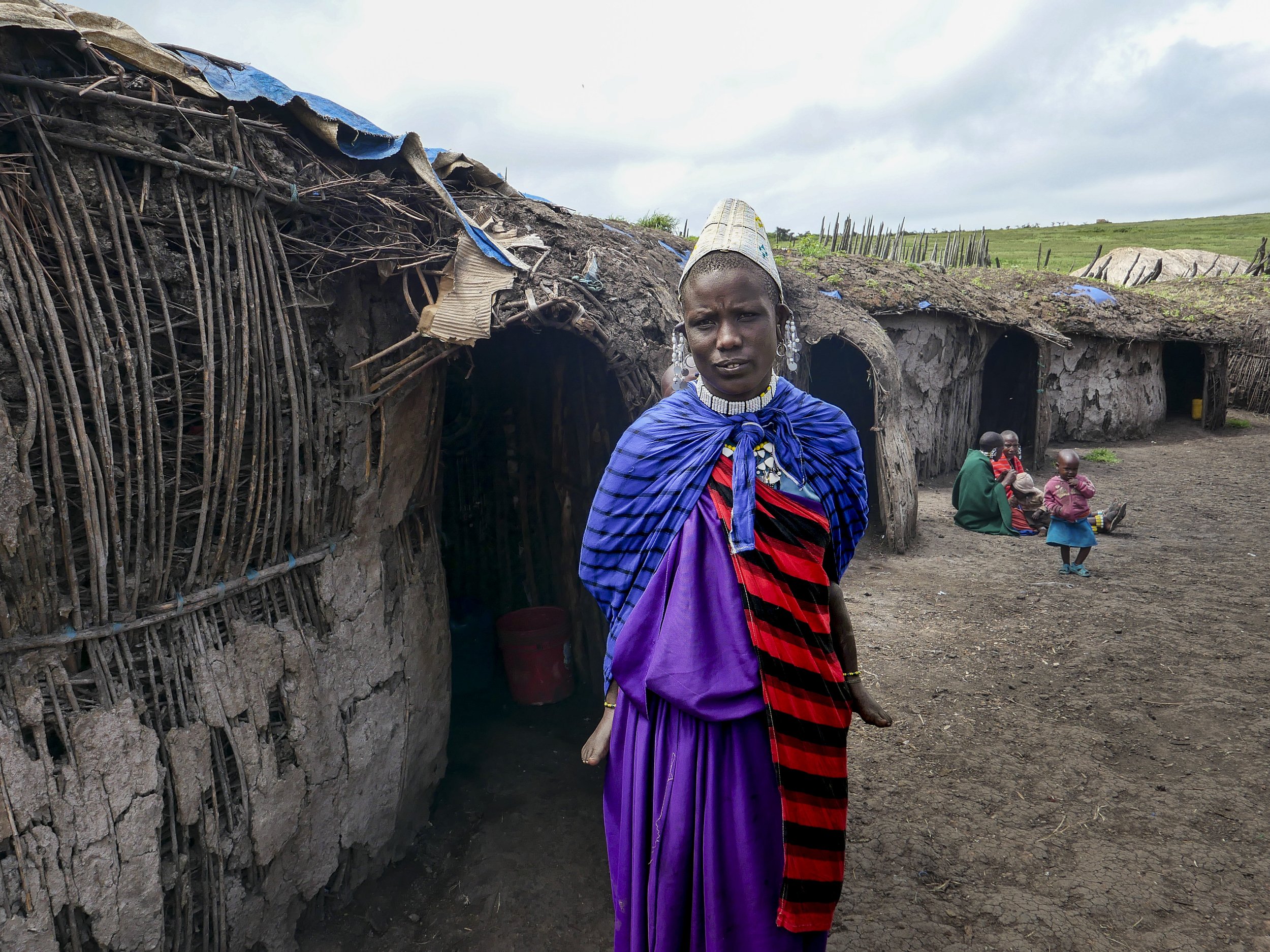
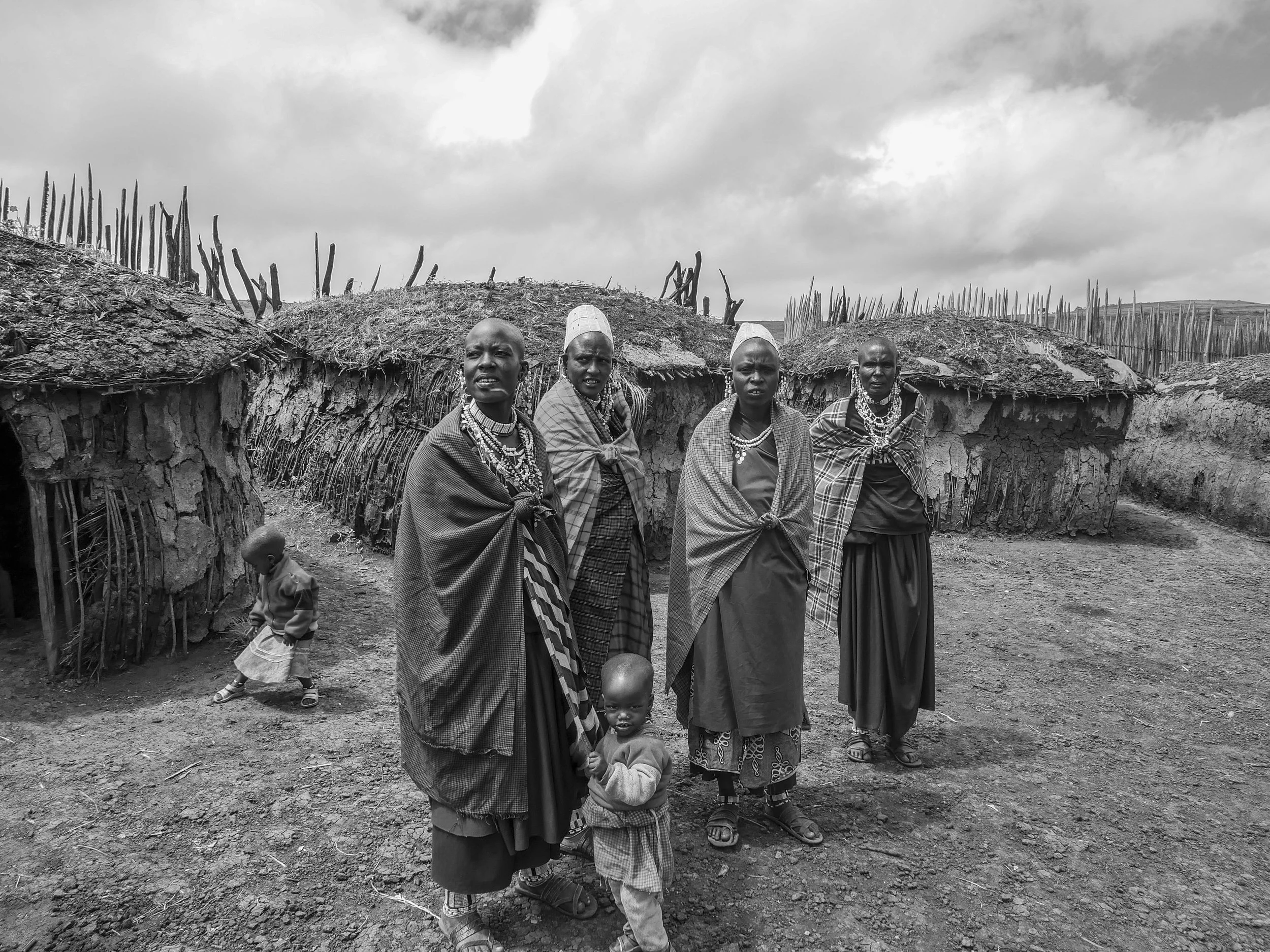
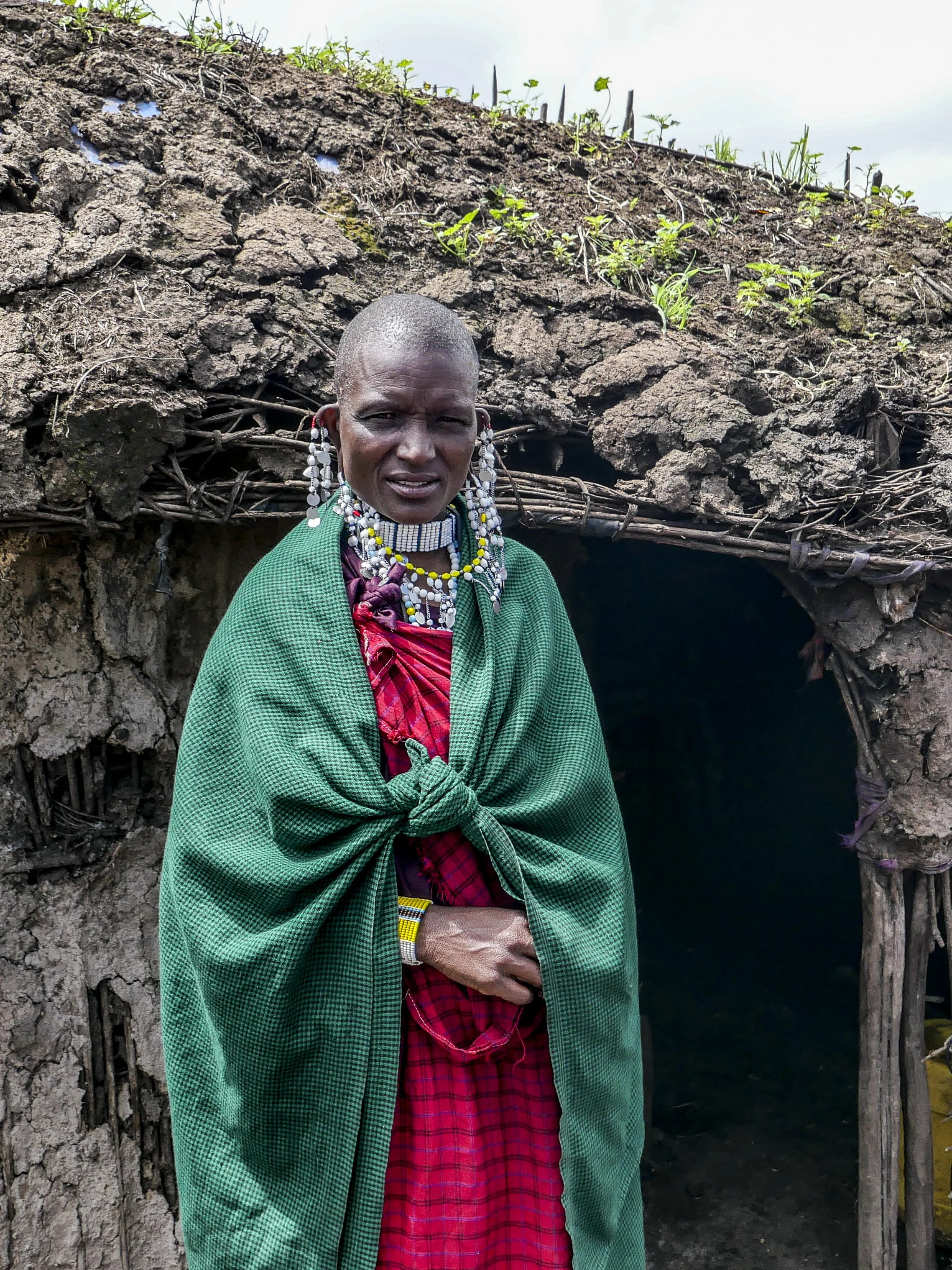
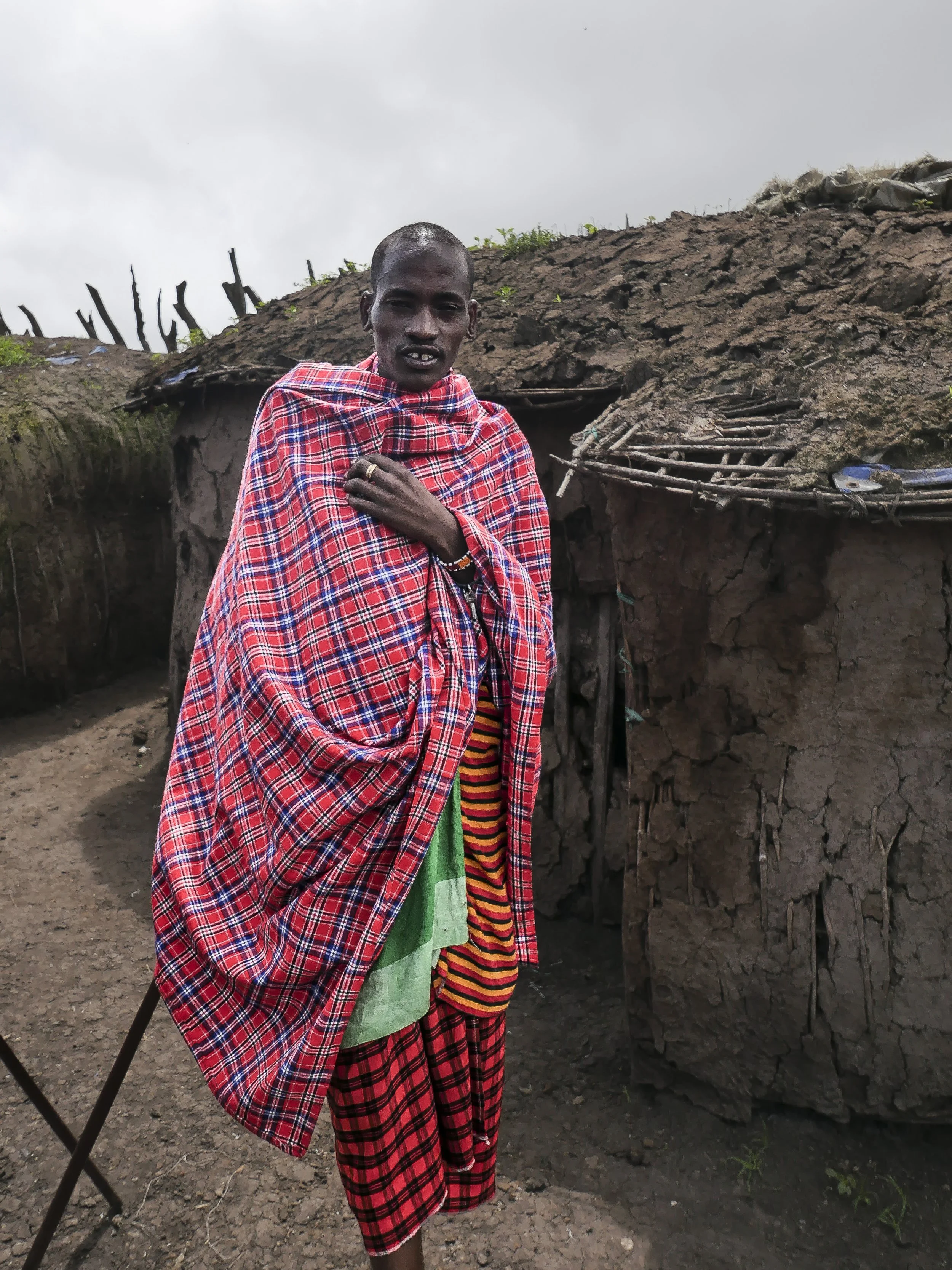
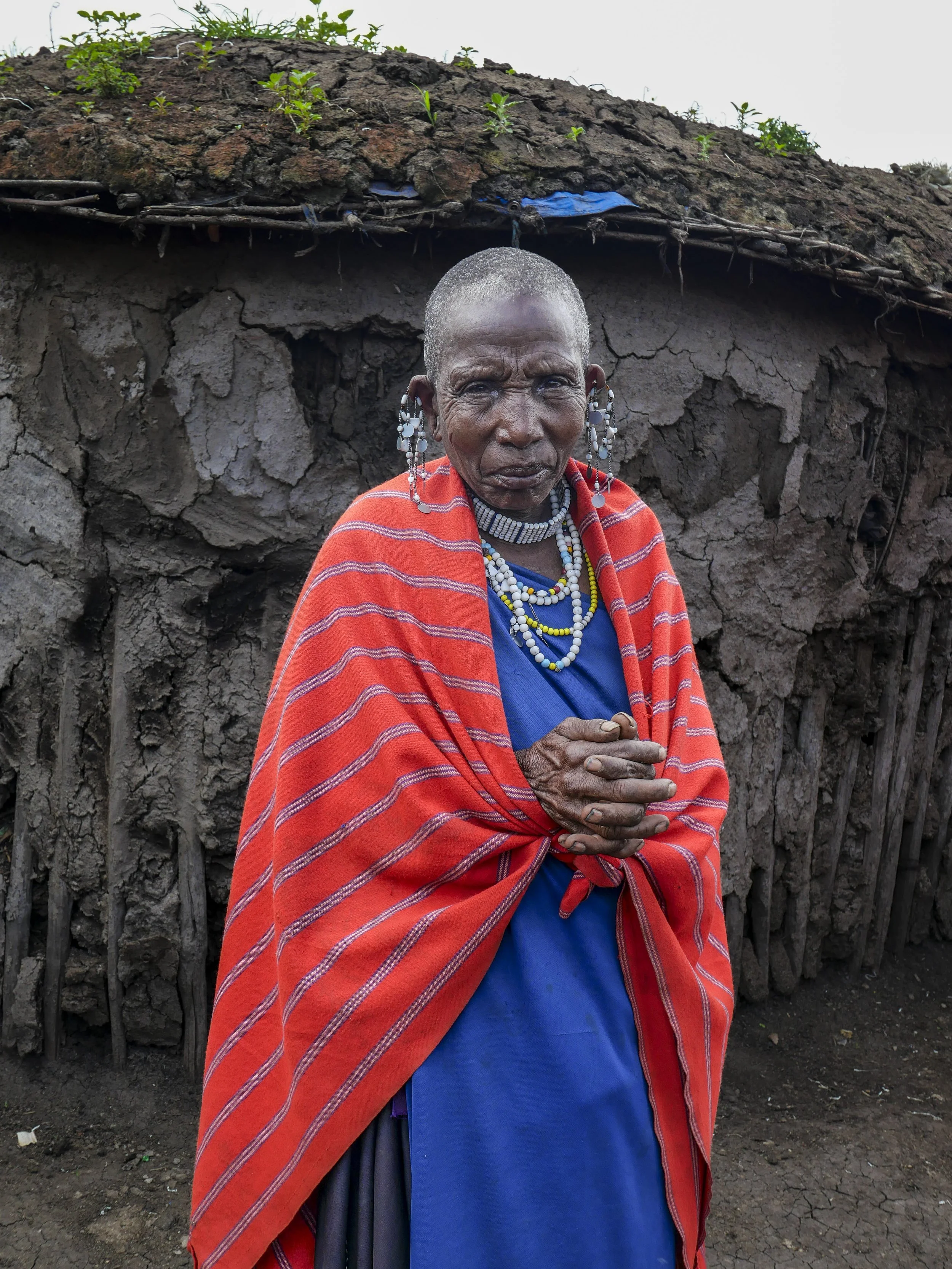
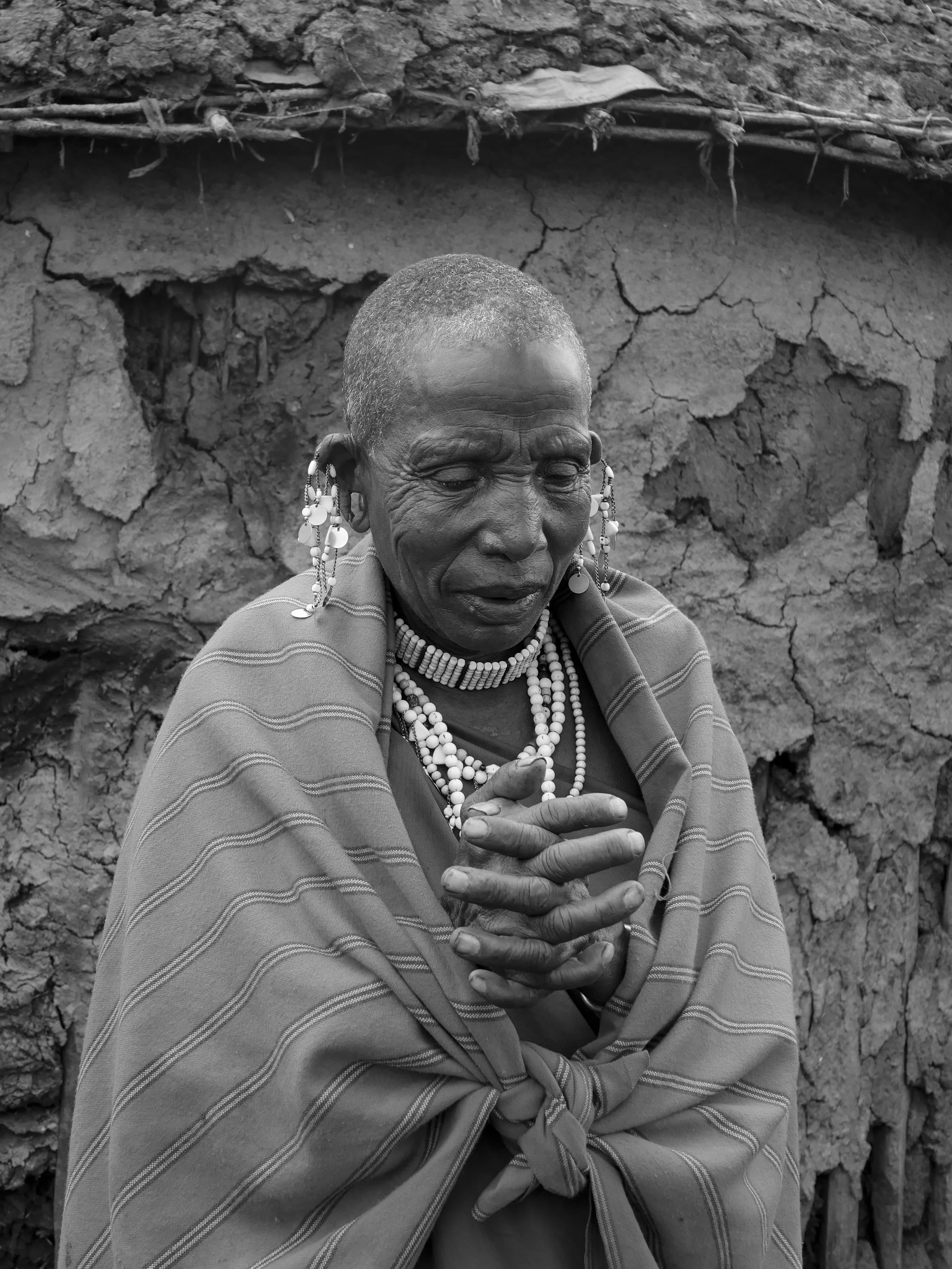
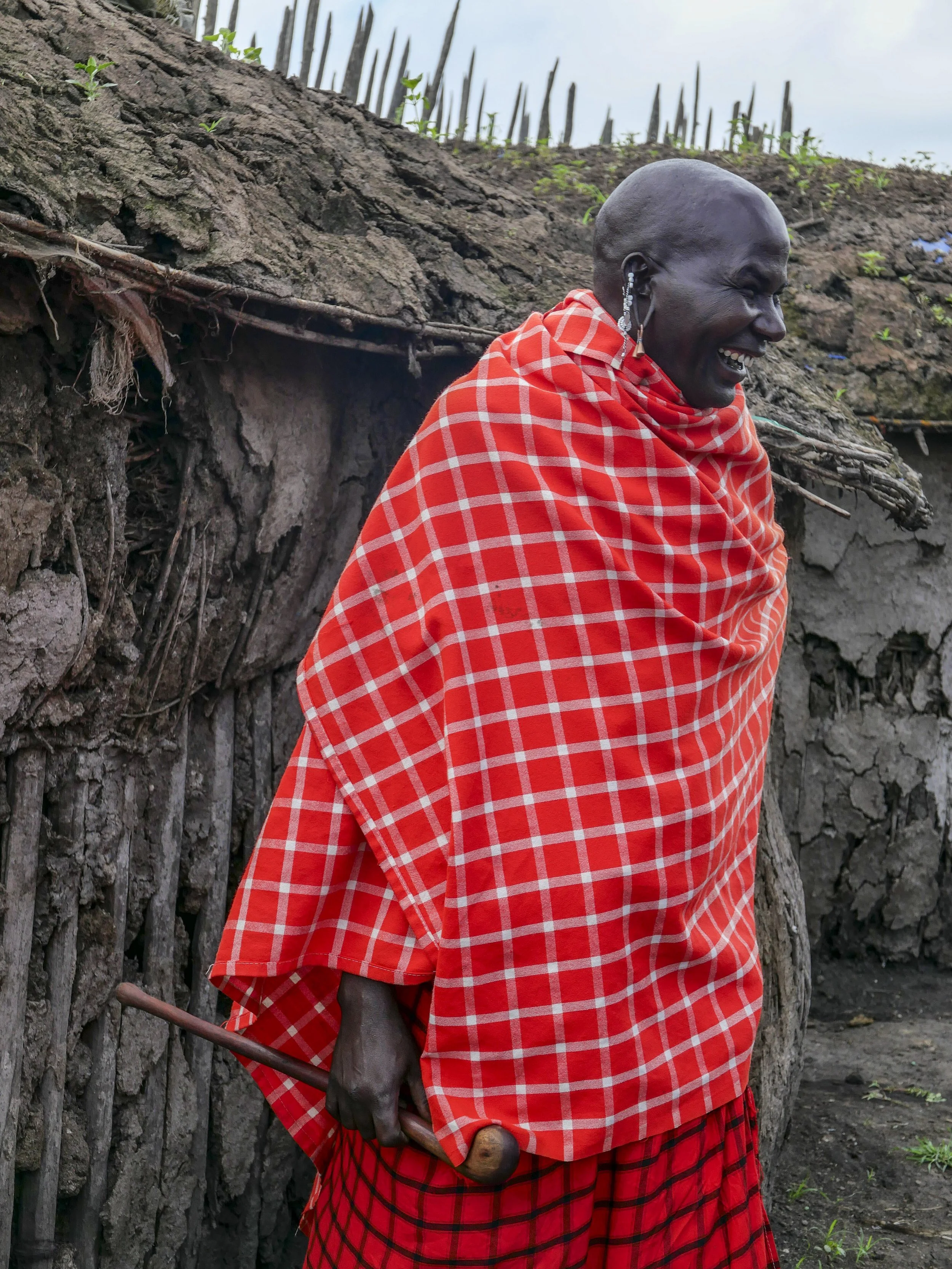
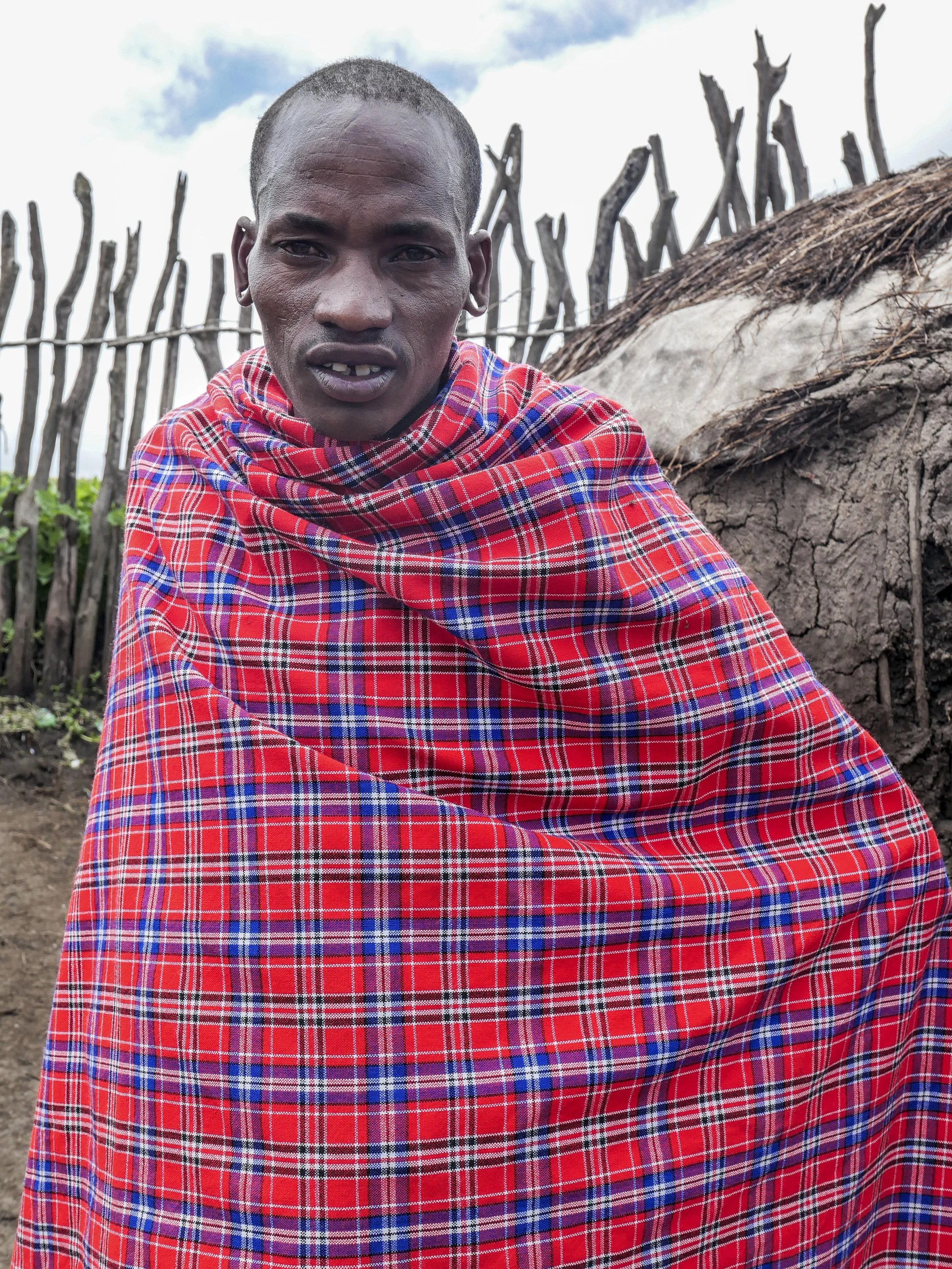
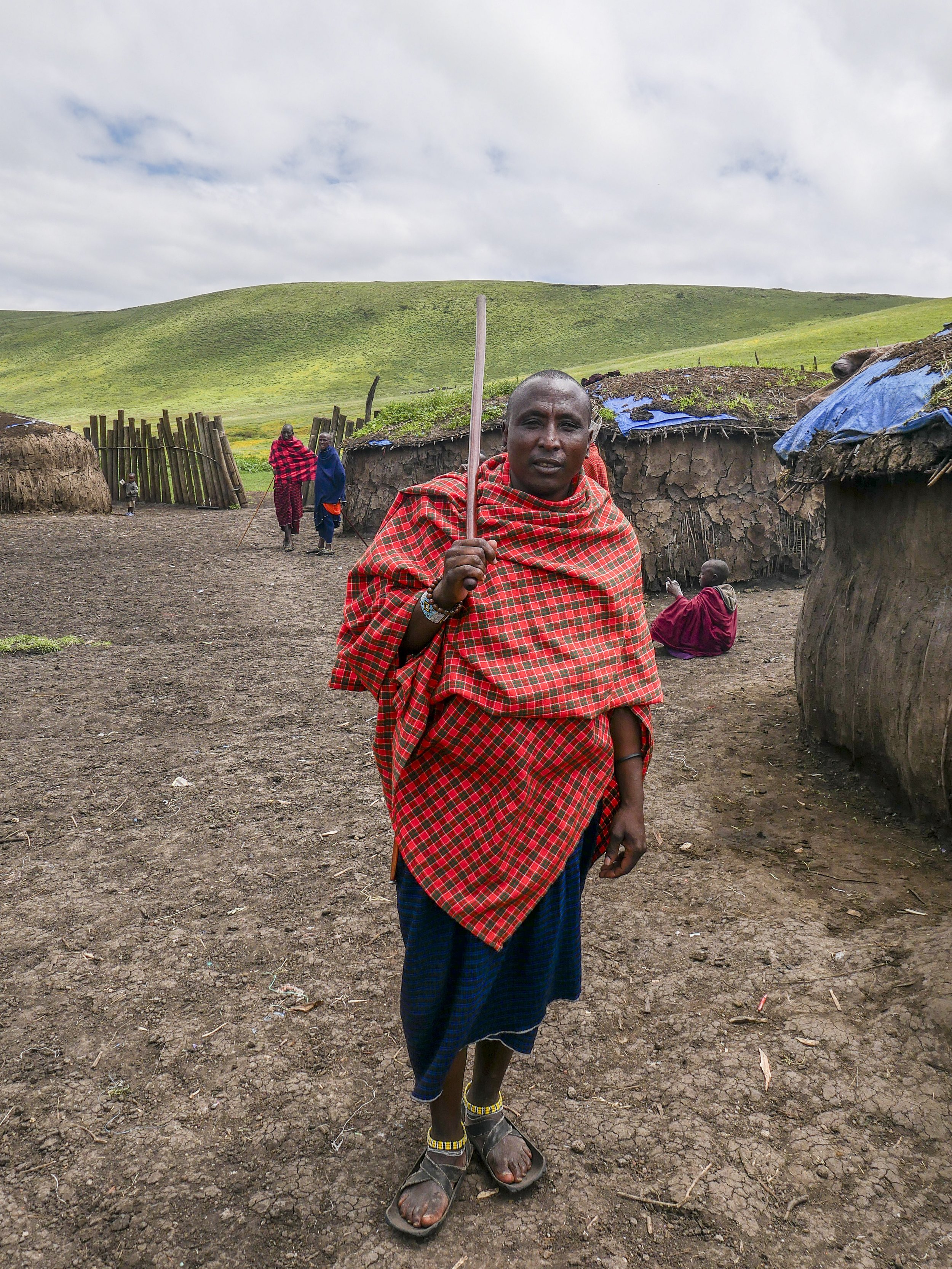
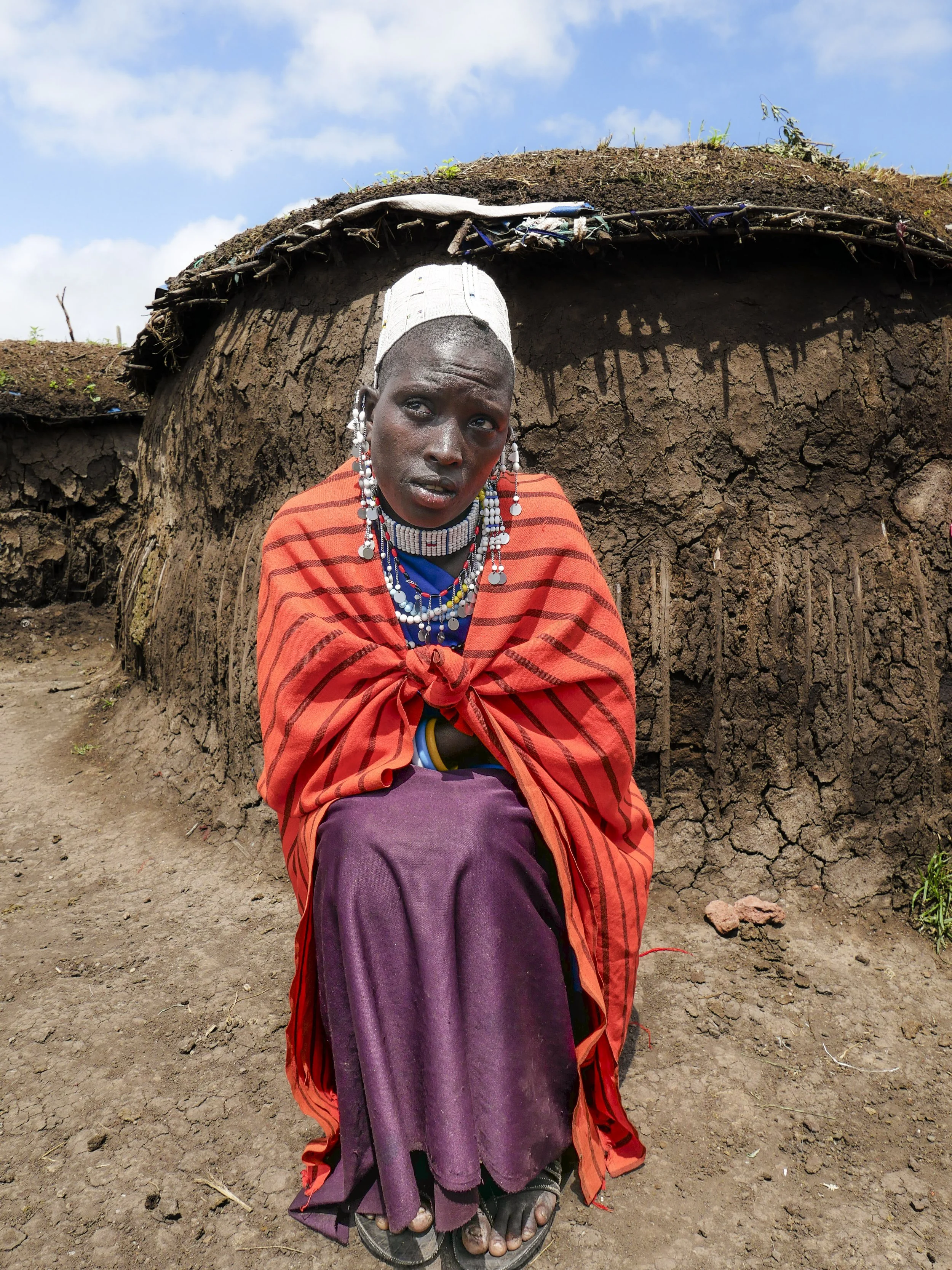
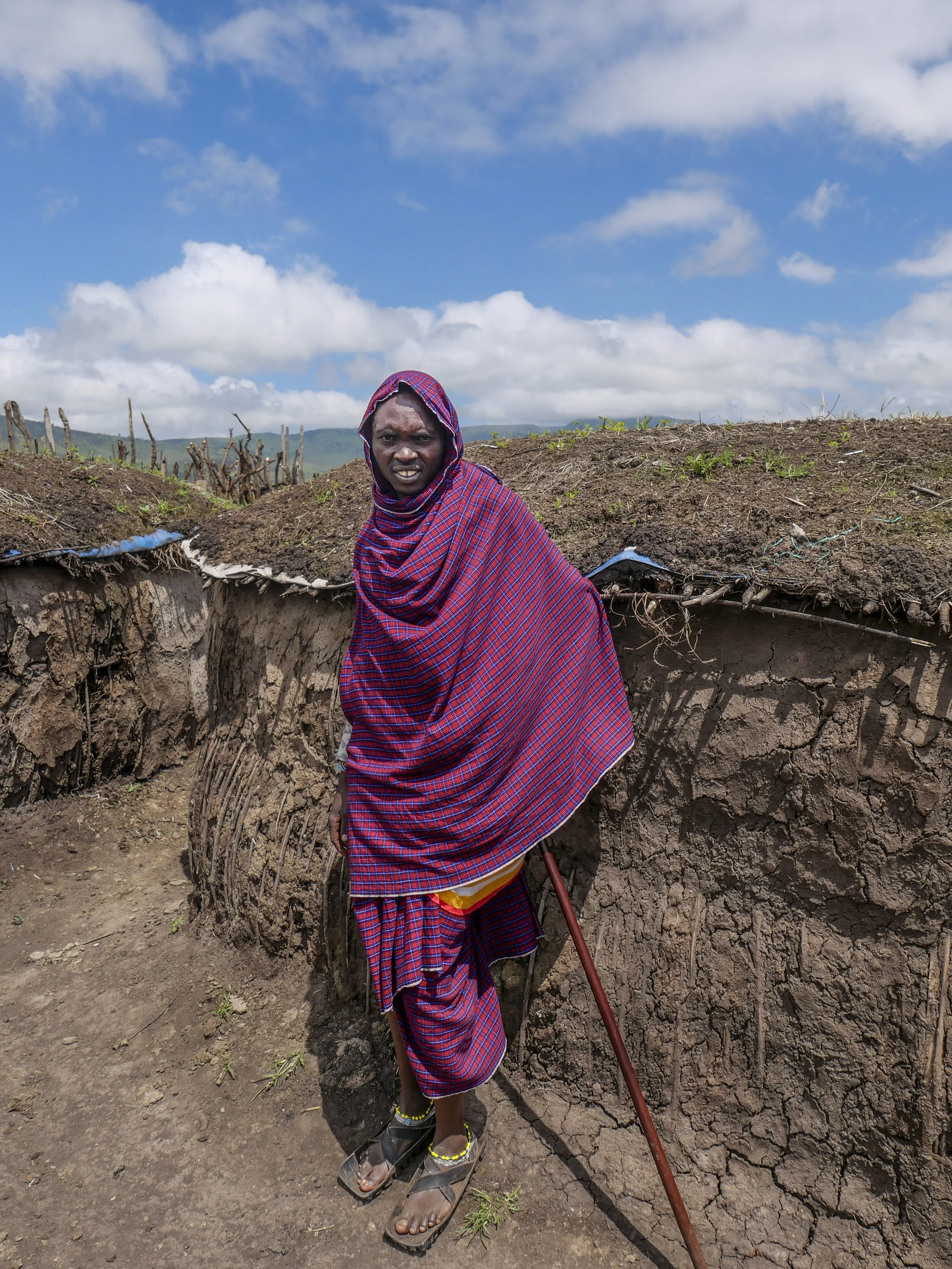
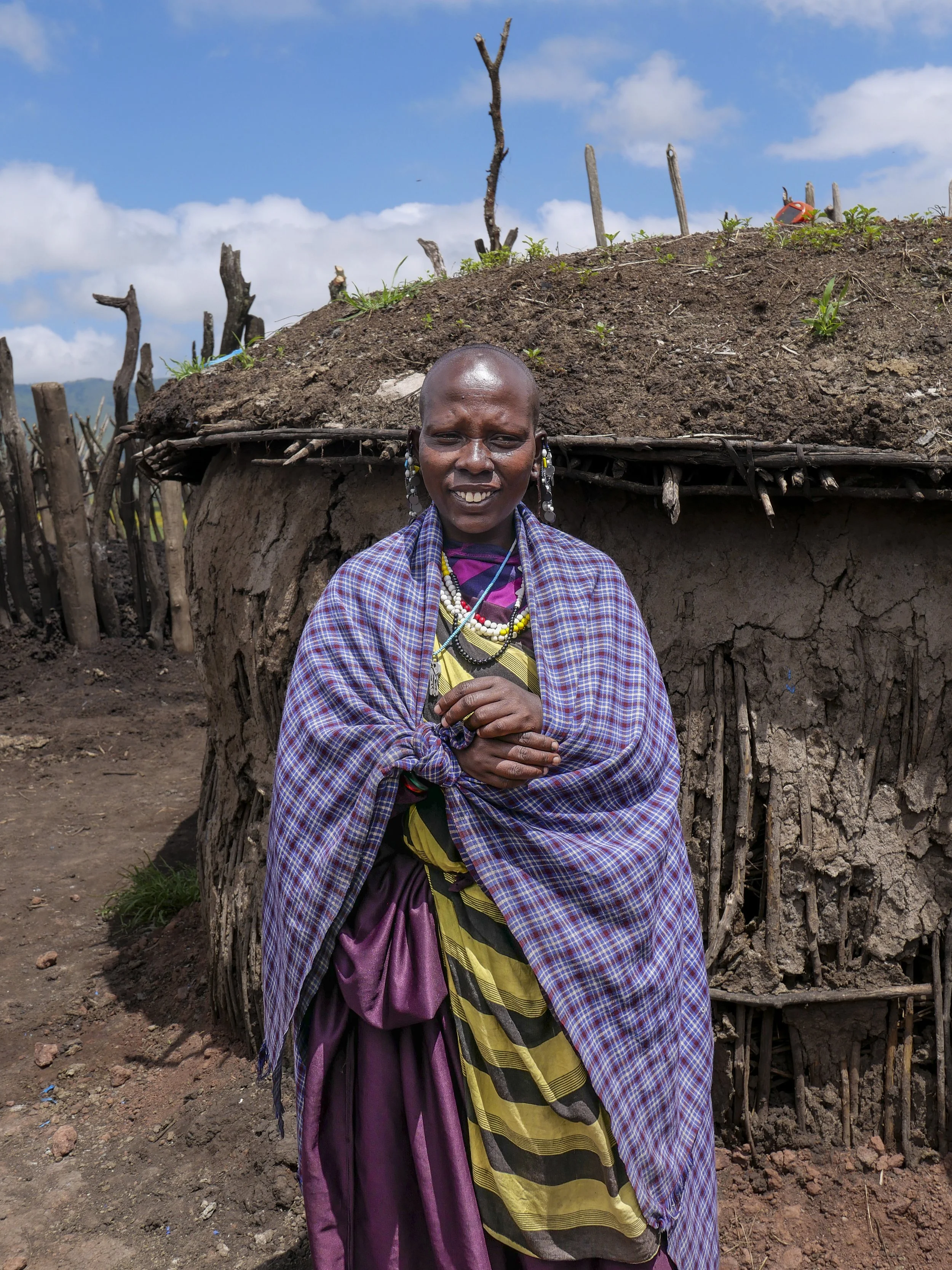
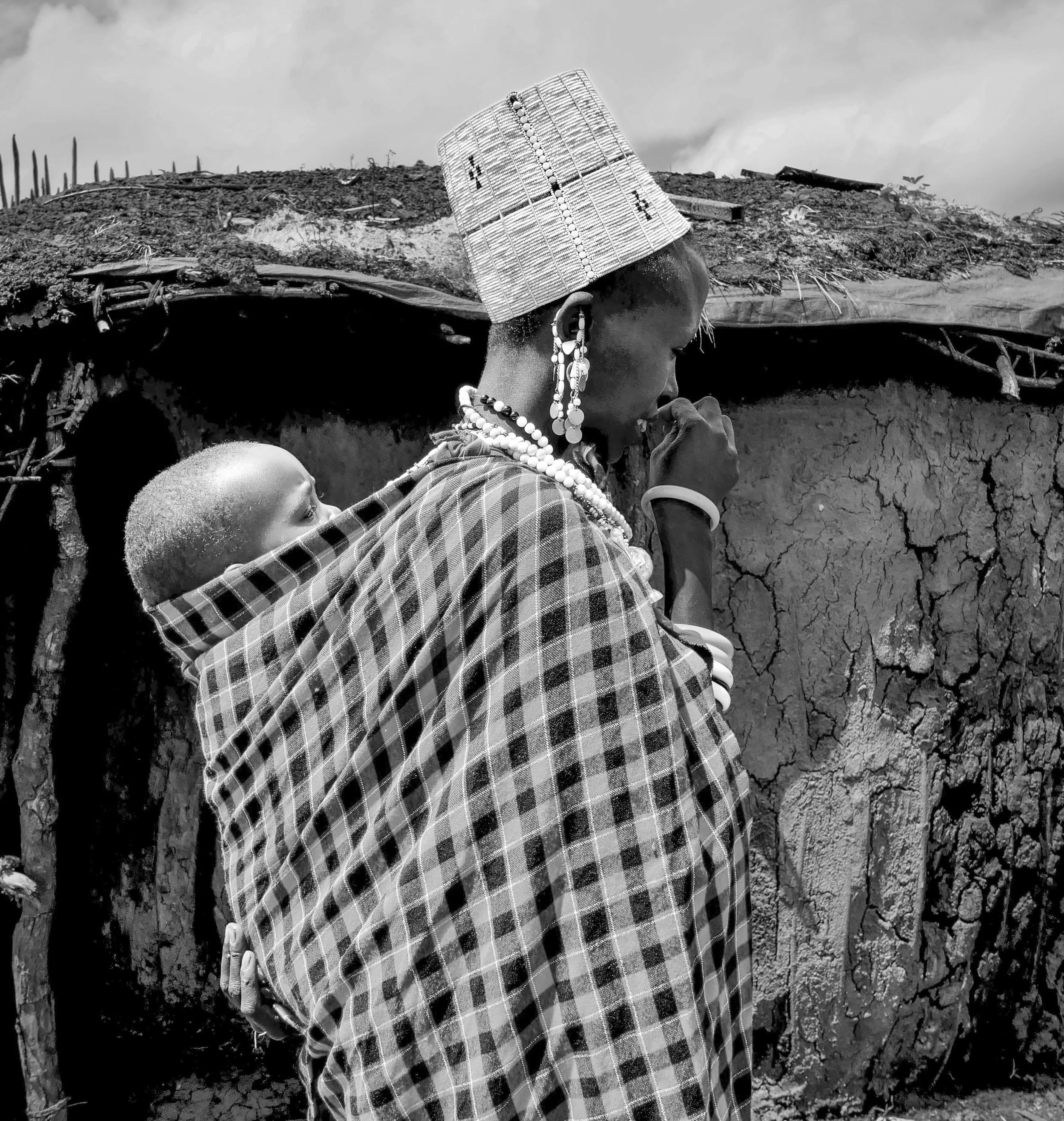
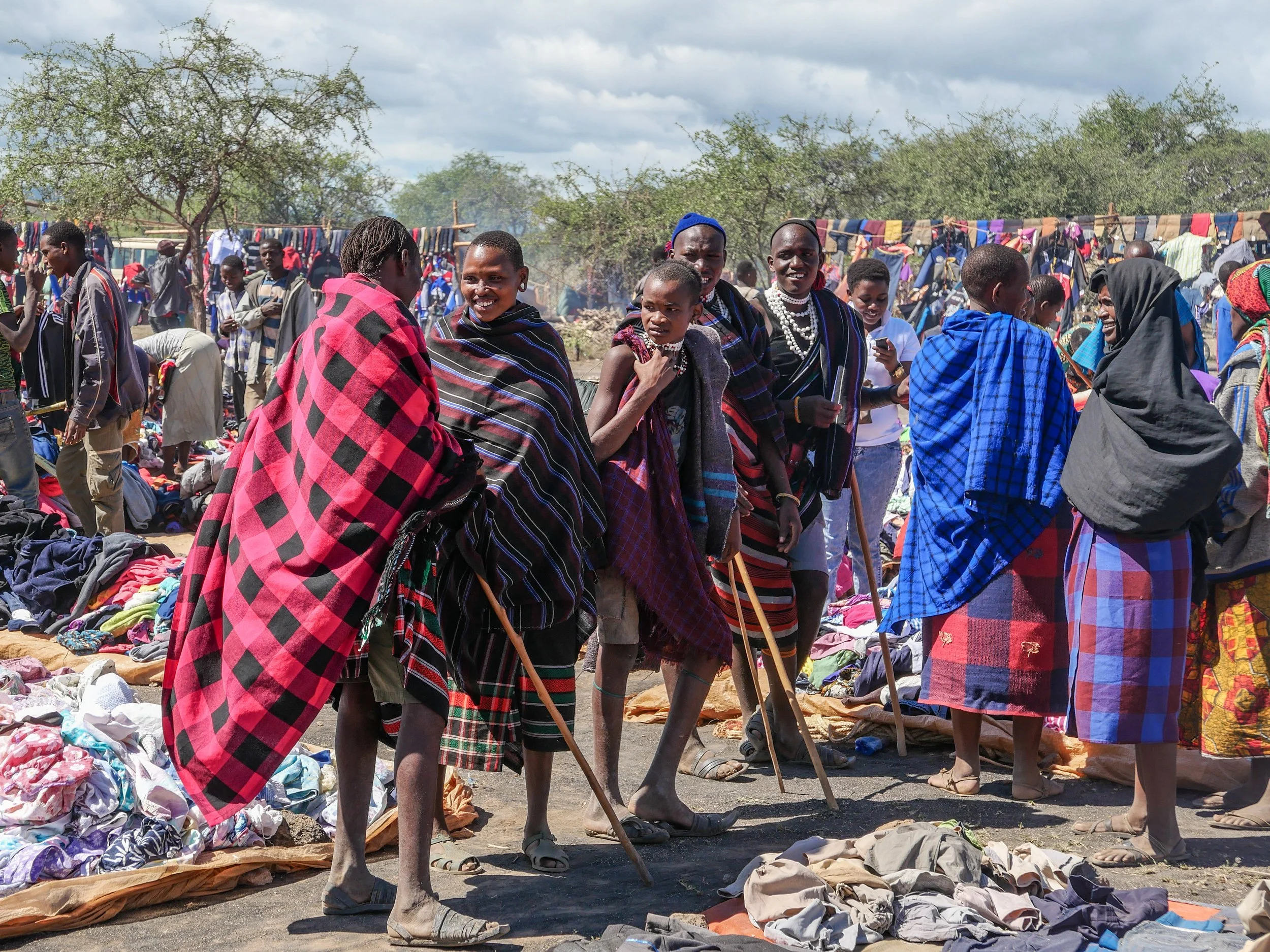
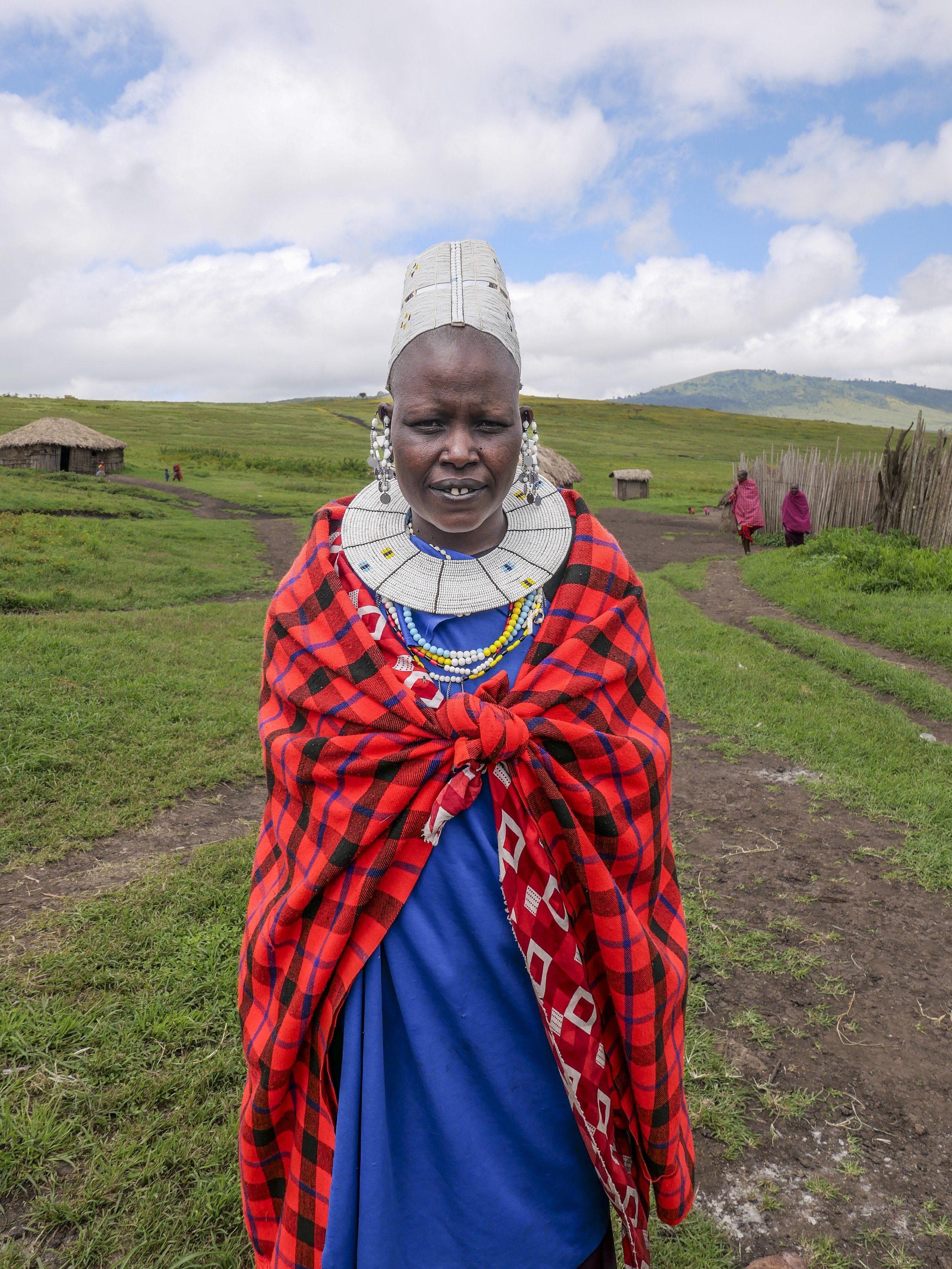
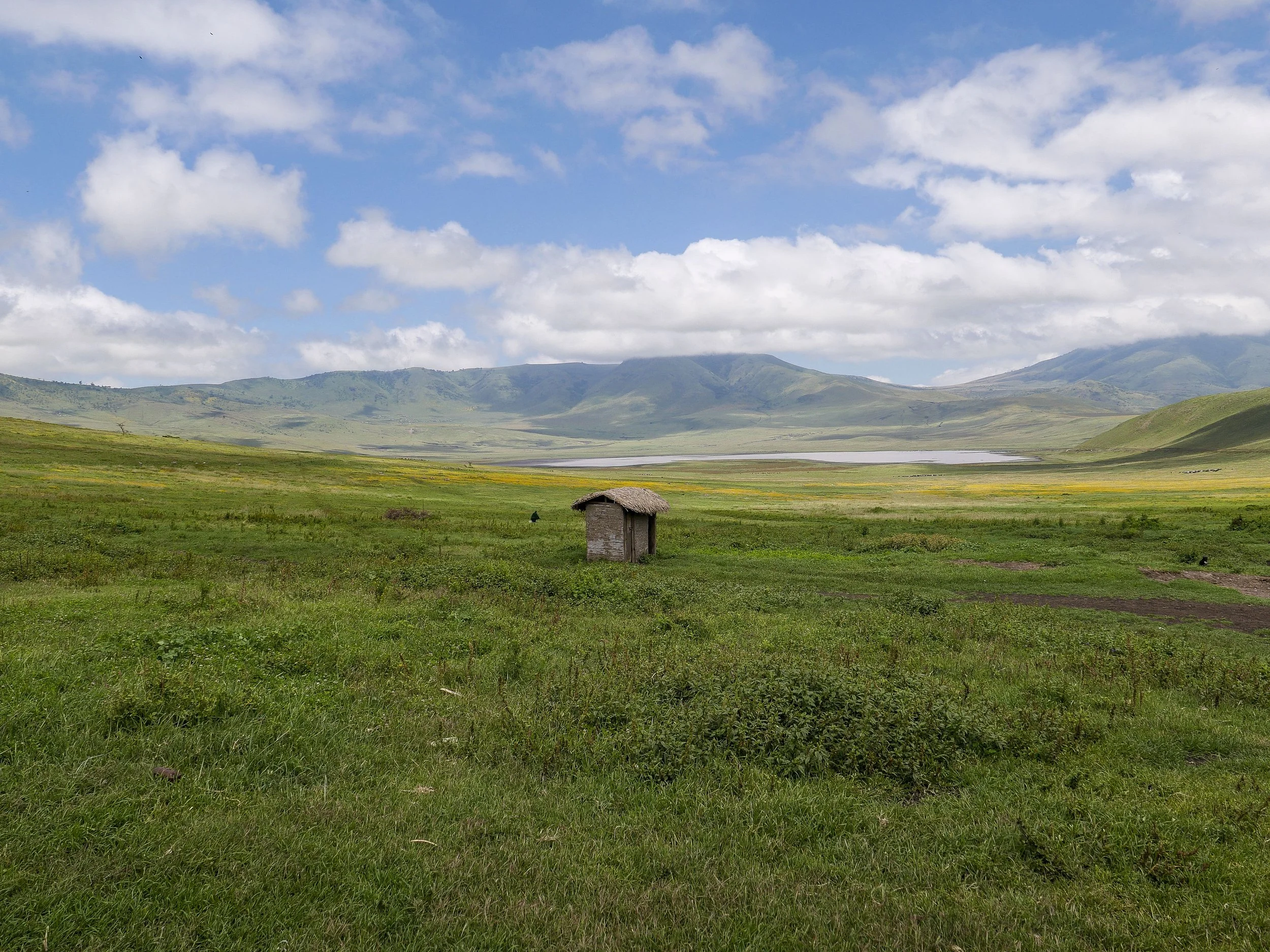
In sharp contrast to the nomadic simplicity of the Hadzabe are the Maasai, the semi-nomadic pastoralists whose presence defines the East African plains. I visited their Bomas—organized, fenced circular settlements where life revolves around homes crafted from mud, sticks, and dung.
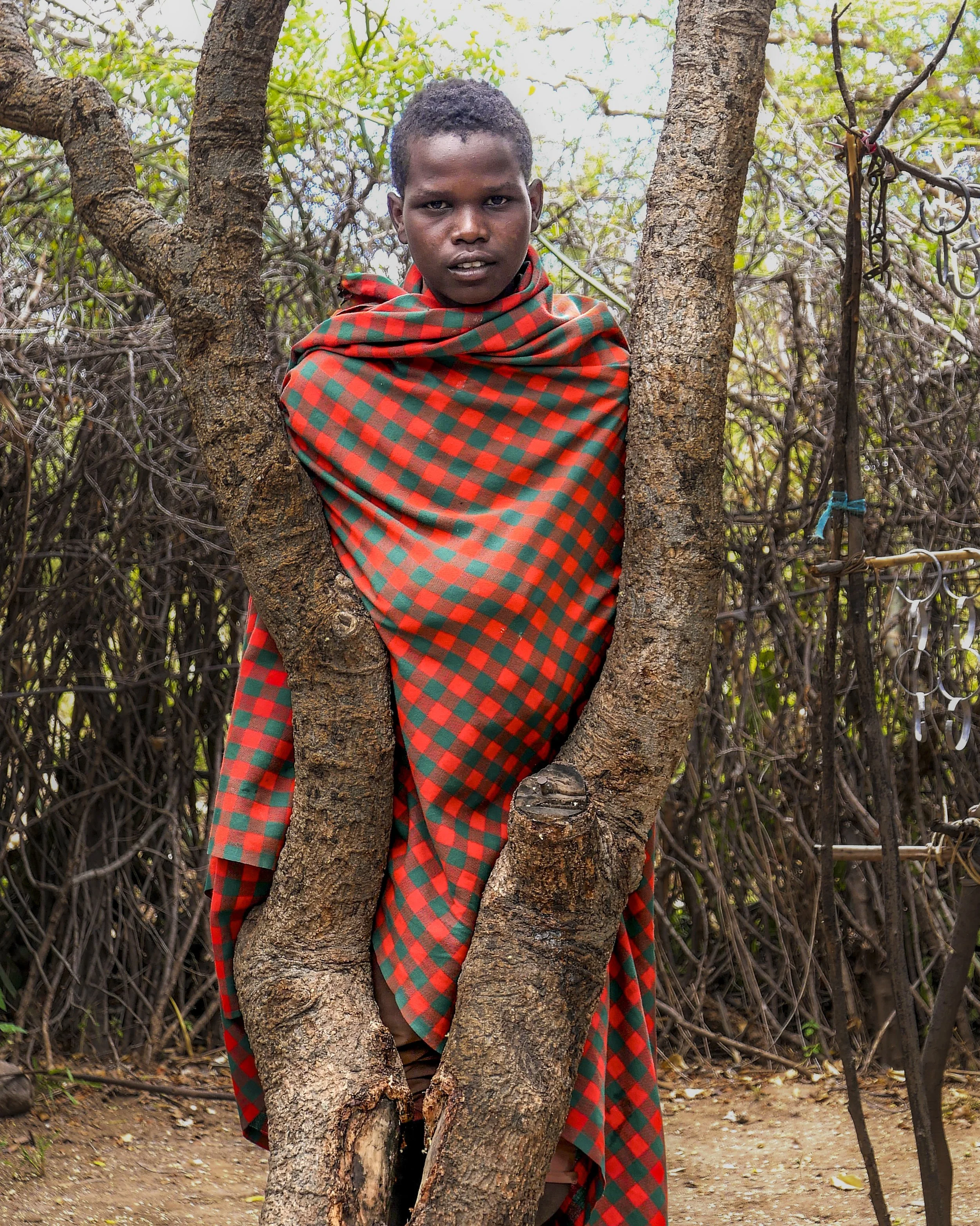
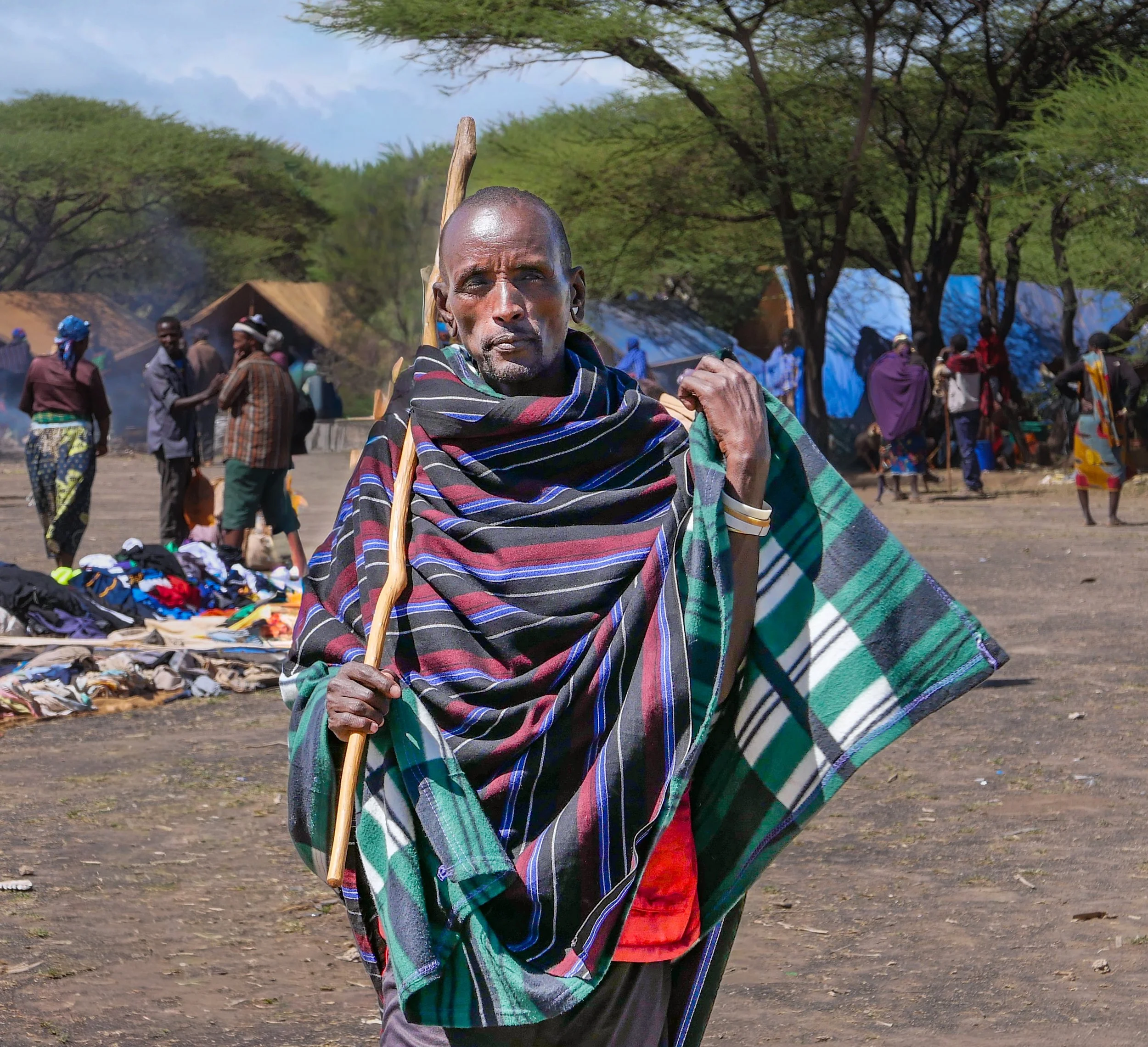
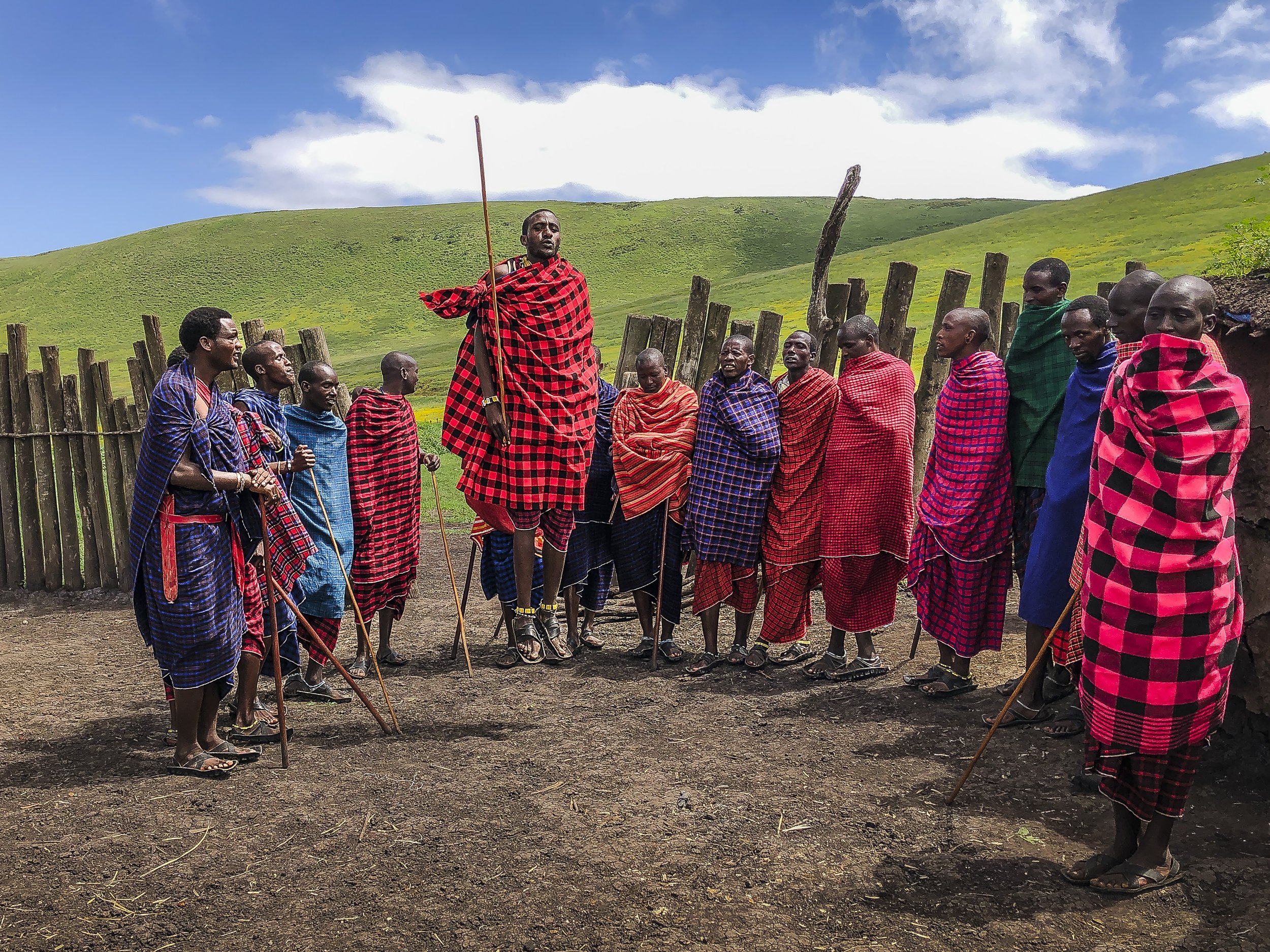
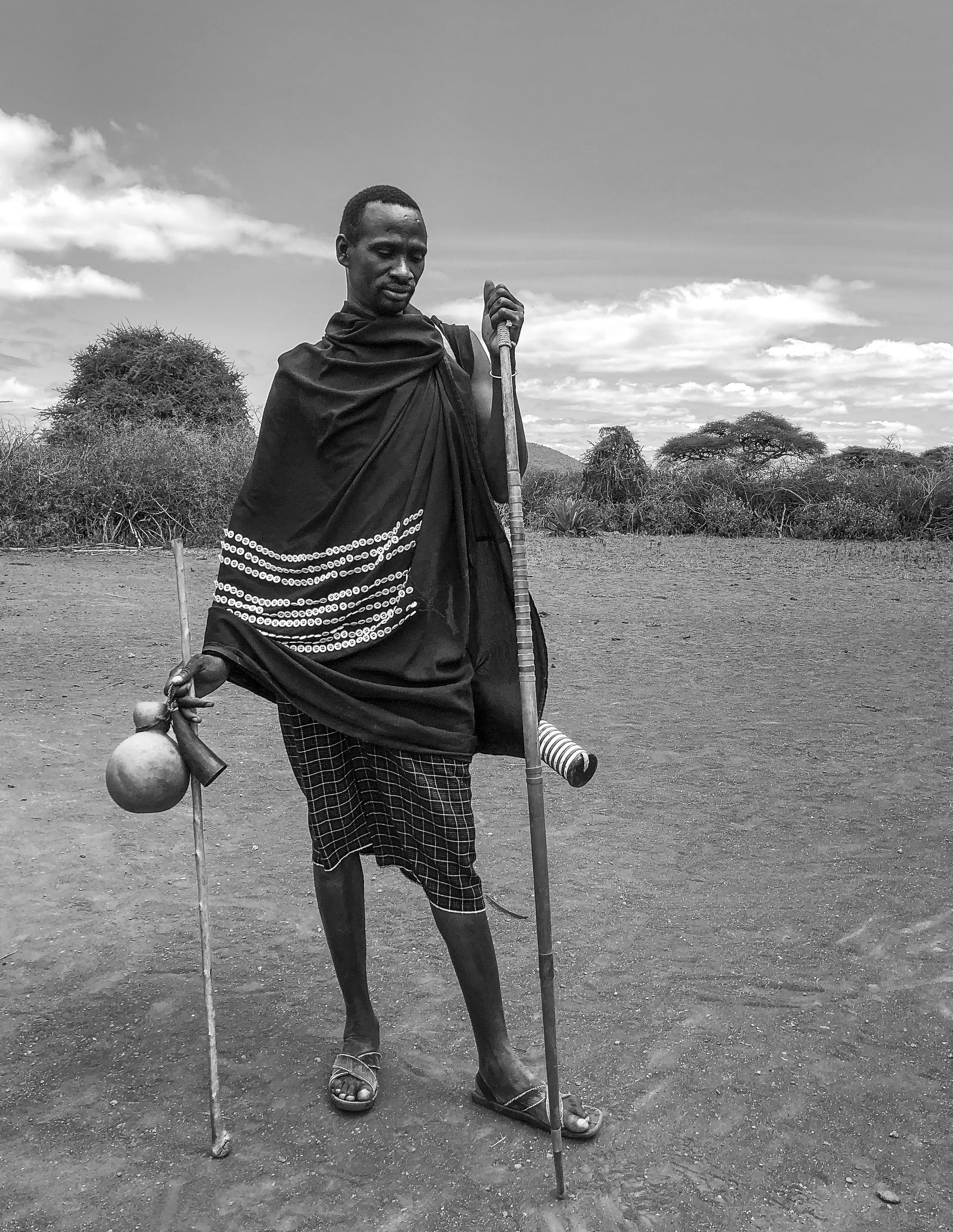
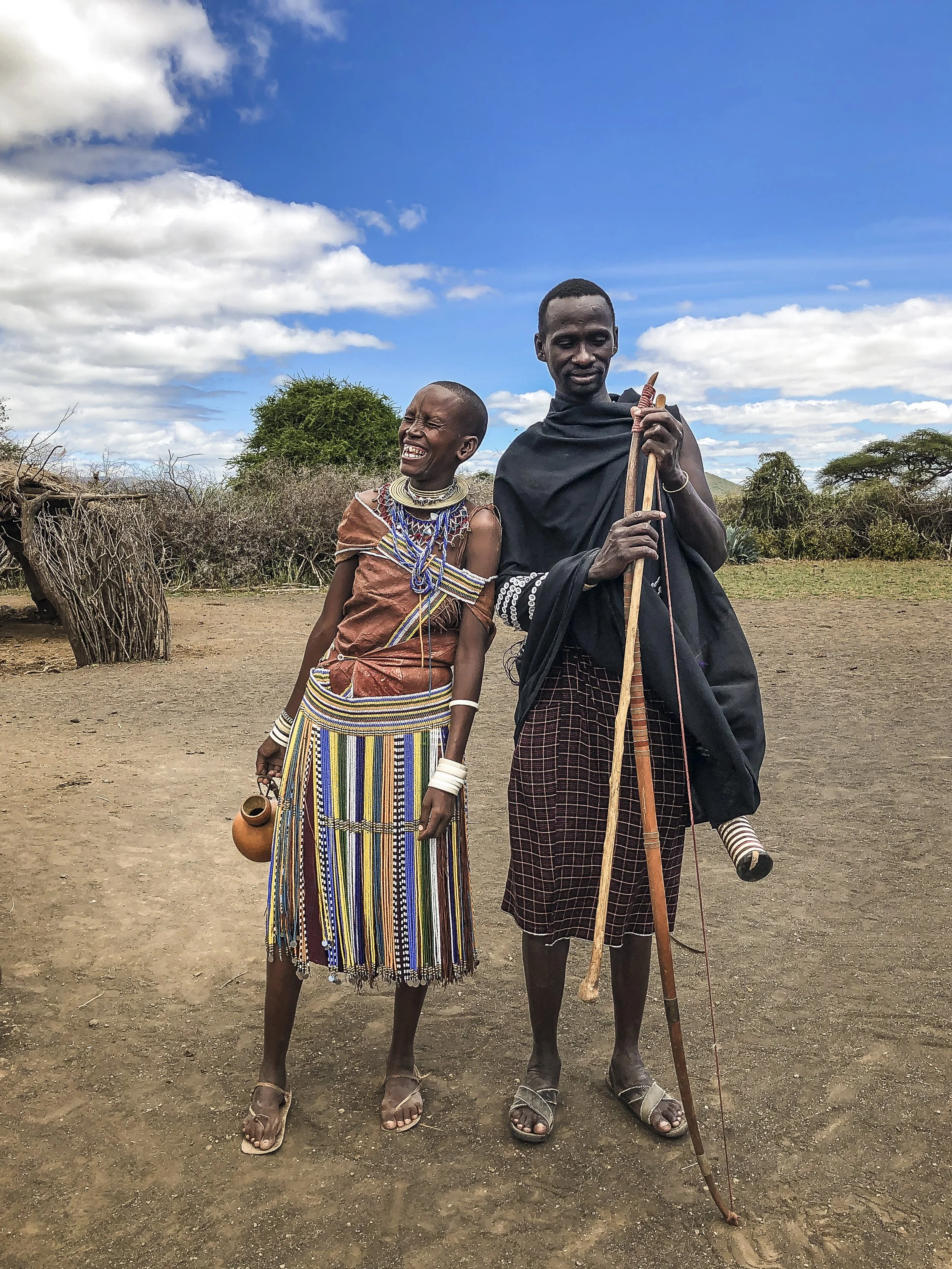
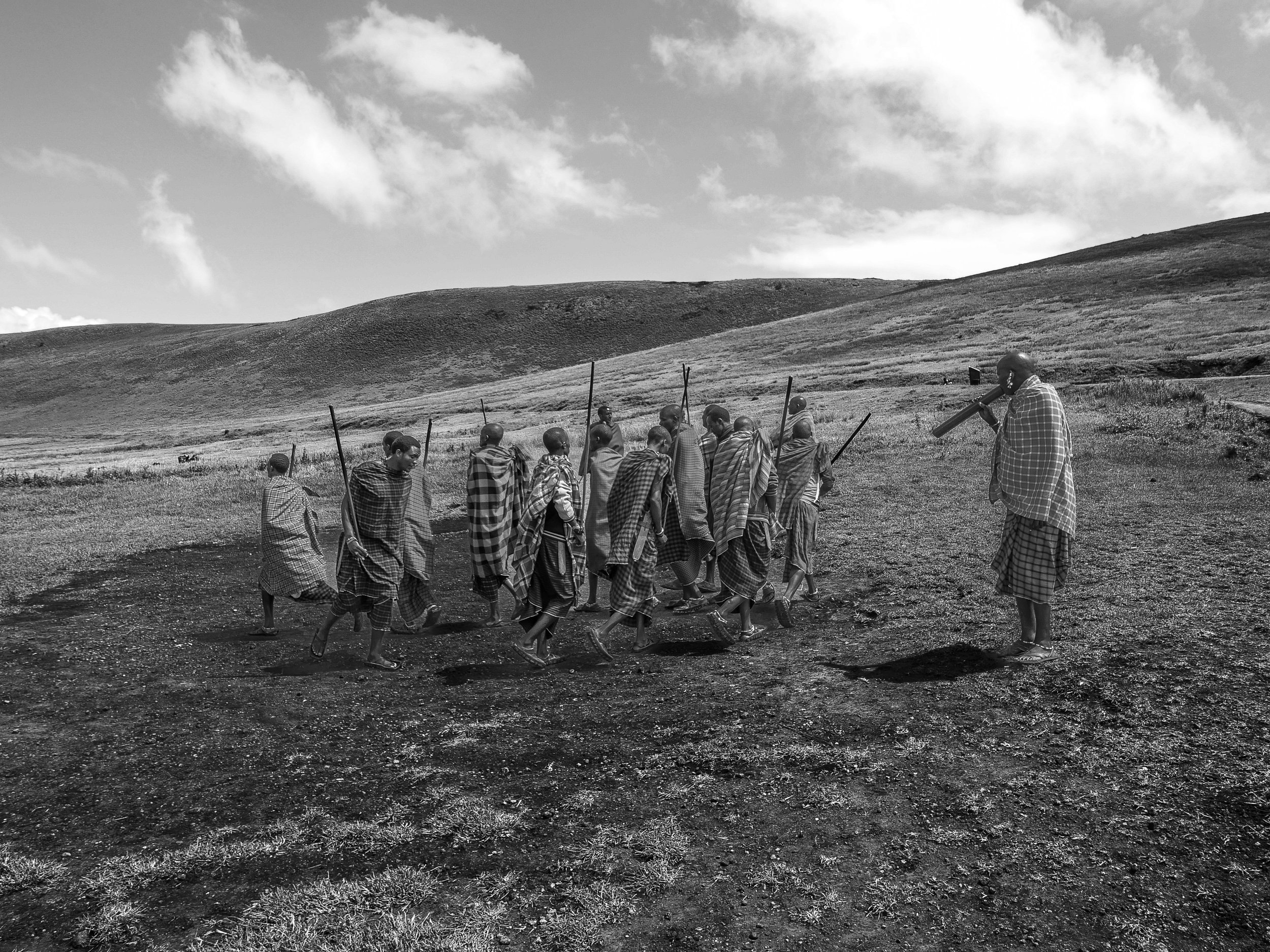
With a population of over one million, the Maasai are more accustomed to foreign visitors than the Hadzabe, yet their hospitality remains deeply authentic. I was welcomed into their traditions, eventually joining the men in their rhythmic, leaping dances. Between their vibrant shuka blankets and the intricate geometry of their beadwork, the Maasai offered a kaleidoscope of color that allowed me to capture the very essence of their enduring culture.